

Review · JAPAN WALKING TOURS
Best of Kyoto: Gion, Geisha, Pagodas & Cobblestones
Kyoto changes when the lanterns come on. This two-hour evening walk through Gion and Higashiyama brings together quiet lanes, glowing shrines, old wooden buildings, and clear explanations of geiko and maiko culture. I like the peaceful timing, which helps you see famous streets without the daytime crush, and I like that the guide finishes with practical suggestions for food and drinks. The one catch is that some stretches are dimly lit, and arriving late or missing the guide means no refund.
For $24, you get a focused introduction to one of Kyoto’s most atmospheric areas. I would choose it for my first evening in the city, especially if I wanted context before exploring the temples and entertainment districts on my own. Just remember that food, drinks, and any temple admission are not included, and a glimpse of a geiko or maiko is possible, not promised.
Key points to know before booking
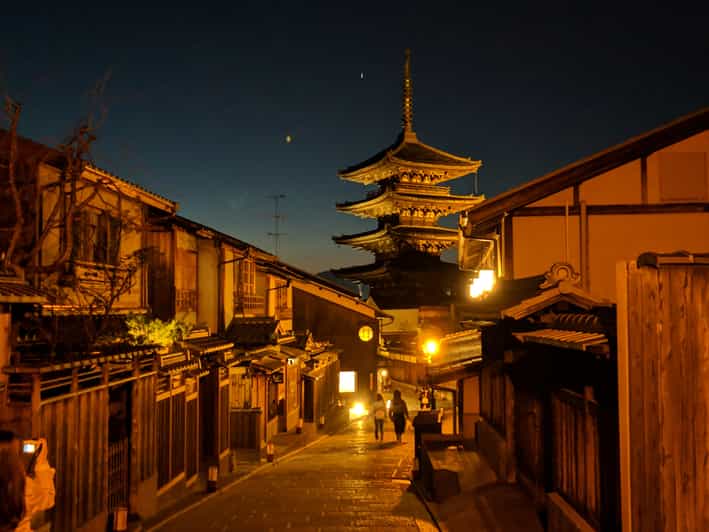
- Nighttime is the main attraction: Lantern-lit lanes and quieter streets give Gion a calmer mood than it has during the day.
- The route covers several classic sights: You visit Yasaka Shrine, Ninenzaka, Hōkan-ji Temple, Yasui Kompira-Gu Shrine, and Gion itself.
- Geiko culture receives respectful attention: Guides explain the customs, training, and working lives of geiko and apprentice maiko rather than treating them as photo props.
- It works well on your first Kyoto evening: The walk gives you a useful map of the old city and helps explain the relationship between shrines, temples, neighborhoods, and entertainment.
- Guide quality is central: Guides such as Karim, Kevin, Janelle, Janiel, Ben, Diana, Salomé, and Hina have been praised for warmth, humor, pacing, and clear explanations.
- The practical details matter: You need to find the correct meeting point, contact the guide at least ten minutes before departure if there is trouble, and wear shoes suited to uneven streets.
Why Gion works best after dark
Gion can feel crowded and camera-heavy in daylight. At night, the narrow lanes take on a different character. Lanterns flicker outside wooden buildings, footsteps replace much of the daytime noise, and the old streets feel easier to appreciate as living neighborhoods rather than scenery on a checklist.
The tour begins at one of two possible locations, including the Tsuruha Drug Yasaka Shrine Store or a FamilyMart in Kyoto Gion, depending on the option you book. That flexibility is useful, but it also means you should check your confirmation carefully. Do not assume every departure starts at the same corner.
The guide then leads you through Gion and Higashiyama on foot. The pace is designed for conversation and stops rather than a fast march. Several people have singled out guides for answering questions, adjusting the pace, and keeping the talk lively without flooding you with facts. That matters on a night walk, when a good guide helps you notice details you would otherwise pass without understanding.
The darkness has a tradeoff. One person appreciated the quiet atmosphere but noted that some sections were quite dark. Bring a phone light for occasional use, but keep it discreet. You are walking through residential and working districts, not a theme park.
Other walking tours people book around Kyoto:
- Kyoto Geisha Walking Tour: Gion District & Hidden Gems
★ 4.7 · 3,273 reviews - Kyoto: Gion Magical Night Walking Tour with Geisha Trivia
★ 4.9 · 2,393 reviews - Kyoto: Gion Geisha District Walking Tour – Stories of Geisha
★ 4.7 · 2,187 reviews
Yasaka Shrine: a strong opening in Kyoto’s old quarter
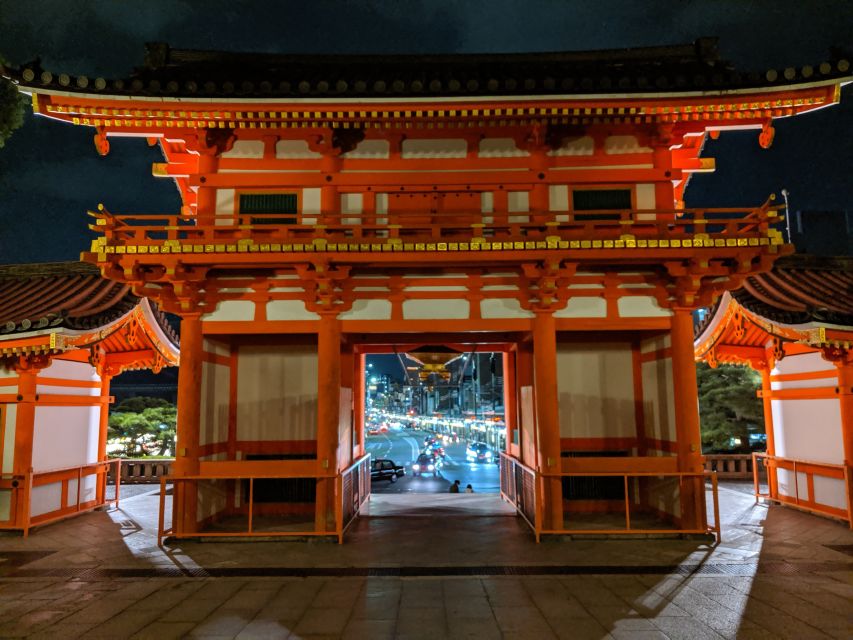
Yasaka Shrine receives about 20 minutes of guided attention. It is a good place to begin because it immediately sets up the religious and cultural themes that continue throughout the walk.
At night, the shrine’s gates, lanterns, and open grounds create a striking first impression. The guide can explain customs and points of interest as you move through the site, giving you a better sense of what you are seeing than a quick solo visit would provide.
This stop is less about ticking off a major monument and more about getting your bearings. You begin to understand how close the sacred spaces are to Gion’s restaurants, teahouses, and narrow lanes. That combination is one of the most useful ideas on the tour: Kyoto’s religious life and entertainment districts developed side by side.
Keep your expectations sensible. A 20-minute visit cannot cover every corner of the shrine or explain every ritual. It works as an introduction, not a full shrine tour.
Ninenzaka and the cobblestone streets of Higashiyama
Ninenzaka is the next major stop, with around 20 minutes of guided walking. This is one of the parts most likely to appeal to photographers and first-time visitors. The sloping streets, traditional buildings, and stone paving create the Kyoto image many people have in mind before arriving.
Seeing Ninenzaka later in the day can be a real advantage. The streets are often easier to enjoy when the daytime crowds have thinned. You can look up at the old facades, notice the changing light, and hear the guide explain how the district fits into Kyoto’s past and present.
There is also a practical warning here. Cobblestones and sloping lanes are not difficult for most walkers, but they are less forgiving than a smooth pavement. Wear comfortable shoes with a good grip. If you prefer slow walking or need frequent rests, tell the guide early so the pace can work for you.
The guide’s interpretation makes this section more than a photo stop. Several highly praised guides have linked the buildings and streets to broader Japanese customs, religion, and everyday life. Ben, in particular, has used visual material on a tablet to explain historical points. That kind of help can be useful when a place has many layers but little obvious signage.
Hōkan-ji Temple and the famous pagoda view
The 20-minute stop at Hōkan-ji Temple is listed as a photo stop, and the pagoda is one of the visual highlights of the evening. Its silhouette above the Higashiyama streets is instantly recognizable, especially when the surrounding buildings are softly lit.
This is likely to be one of your best chances for a classic Kyoto photograph. The evening setting helps, though the darker conditions can make phone photography tricky. Take a moment to look rather than spend the whole stop trying to get a perfectly sharp image.
Because this is a photo stop, do not expect an extended temple visit or a detailed exploration of the interior. The value is the view, the atmosphere, and the chance to understand where the pagoda sits within the old district.
The route also reminds you that popular Kyoto images often come from ordinary public streets. You are not simply visiting an isolated monument. You are walking through a neighborhood where residents, businesses, religious sites, and visitors share limited space. That is why following the guide’s advice about respectful behavior matters.
Same streets, a different way to see them:
- Night Walk in Gion: Kyoto’s Geisha District
★ 4.5 · 2,003 reviews - Kyoto Gion Geisha District Walking Tour – The Stories of Geisha
★ 5.0 · 1,441 reviews - Nishiki Market Brunch Walking Tour (7 Tastings + Brunch)
★ 5.0 · 1,355 reviews - Kyoto Arashiyama Walking Tour: Bamboo, Monkeys, Gardens & Secrets
★ 5.0 · 1,216 reviews
Yasui Kompira-Gu Shrine and the quieter pause
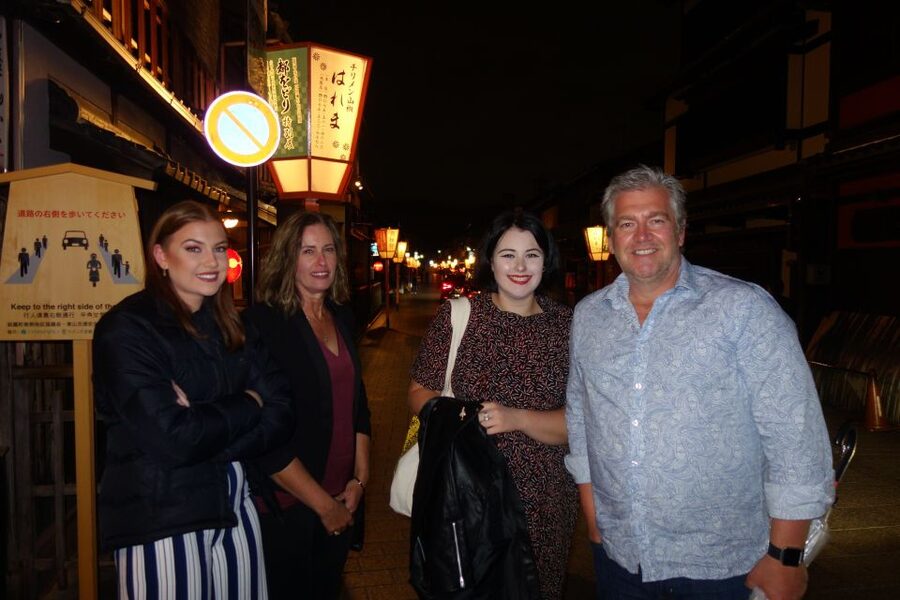
Yasui Kompira-Gu Shrine receives about 15 minutes. Compared with the major photo locations, this stop offers a more intimate pause and another chance to learn about local religious customs.
The visit helps vary the evening. Instead of moving from one famous view to another, you get a smaller shrine experience within the wider Gion district. Your guide can explain what makes the site meaningful and how Japanese shrine customs differ from what you may know from home.
The short timing is appropriate. Fifteen minutes is enough for a focused visit, but not enough for a full religious or architectural study. Think of it as a useful piece of the route rather than the centerpiece.
The best guides handle these stops with respect and clarity. Several guests specifically valued explanations that helped them avoid accidental disrespect. That is a real benefit in Kyoto, where a simple action that looks harmless to a visitor may have a different meaning in a shrine or temple setting.
Gion and the world of geiko and maiko
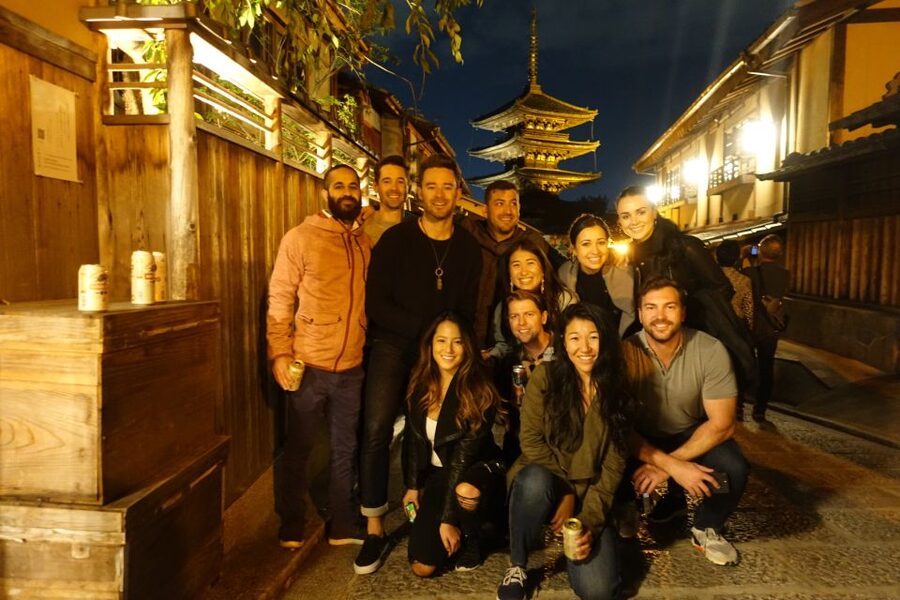
The final 45 minutes take place in Gion, where the tour gives its fullest attention to geiko and apprentice maiko. This is the part many people book for, but it is also where expectations need careful handling.
You might catch sight of women in full costume toward the end of the walk. Some groups have seen several geiko or maiko, while others may not see any. The responsible way to approach this is to treat an encounter as a fortunate extra, not the product you are guaranteed.
The guide explains the customs, work, and training connected with this traditional profession. The strongest explanations avoid reducing geiko and maiko to mysterious figures in elaborate clothing. Instead, they present them as highly trained performers and cultural professionals whose lives involve years of study and discipline.
Several guides have been praised for handling this subject with care. Karim has been noted for giving a respectful, broad explanation of Gion culture. Kevin has been especially appreciated for explaining the education and demanding preparation of geiko and maiko. These details give you a better understanding of why quiet observation and respectful distance matter.
You may also learn the distinction between the terms used in Kyoto. Guides can explain how maiko are apprentices and geiko are established professionals, along with the customs that shape their public work. The exact depth will depend on your guide and the questions you ask.
Do not chase, block, touch, or photograph anyone without permission. Even when a guide points out a possible sighting, your job is to stay calm, keep moving when asked, and avoid turning a working person into a spectacle. The tour is at its best when it encourages understanding rather than collecting proof for social media.
The guides make or break the experience
This is a guide-led walking tour, so the person leading it has a major effect on your evening. The strongest praise has gone to guides who combine facts with easy conversation and humor.
Karim appears often in the feedback, with repeated praise for his friendly manner, cultural explanations, and food recommendations. Kevin is also frequently singled out for his ability to answer questions, explain geiko culture, and keep the walk relaxed. Janelle and Janiel have been praised for engaging storytelling, while Ben has used visual aids to make historical details easier to follow.
Other named guides include Diana, Salomé, Hina, Amir, Masu, and Mike. As with any tour using a rotating guide team, you cannot select a particular person unless the booking system specifically allows it. The important point is that guide quality is a major strength of this experience, but the exact style may vary.
You should ask questions. Guides have been praised for handling subjects beyond the basic route, including Japanese life, religion, history, food, and local customs. If you want restaurant suggestions at the end, say so. Food and drinks are not part of the price, but recommendations are one of the useful extras that can shape the rest of your evening.
Is $24 a fair price for two hours?
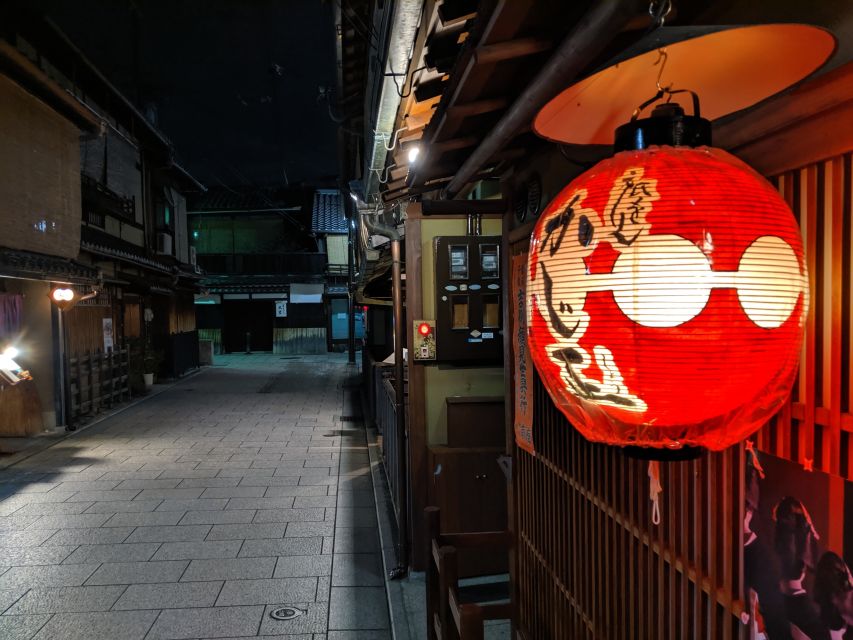
At $24 per person, this is a reasonable buy if you value orientation and interpretation. You are paying about $12 per hour for a guided walk through some of Kyoto’s most visited historic districts, with several shrine and temple stops and a sustained explanation of Gion culture.
The price does not include a meal, a drink, transport, or any separate admission. That keeps the cost clear, but you should budget for your own evening afterward. The guide can suggest places to eat or drink, which is helpful when you finish in an area with many choices and very different price levels.
The value is strongest for a first visit. In two hours, you get enough context to return independently and notice more. If you already know Gion well, the nighttime atmosphere and geiko discussion may still appeal, but the basic orientation will be less necessary.
Private or small-group options are available. A small group can make it easier to ask questions and move through narrow streets, though the exact group size and price depend on the option selected. The standard experience is still a short, focused walk rather than a full-night excursion.
Timing, meeting points, and simple ways to avoid trouble
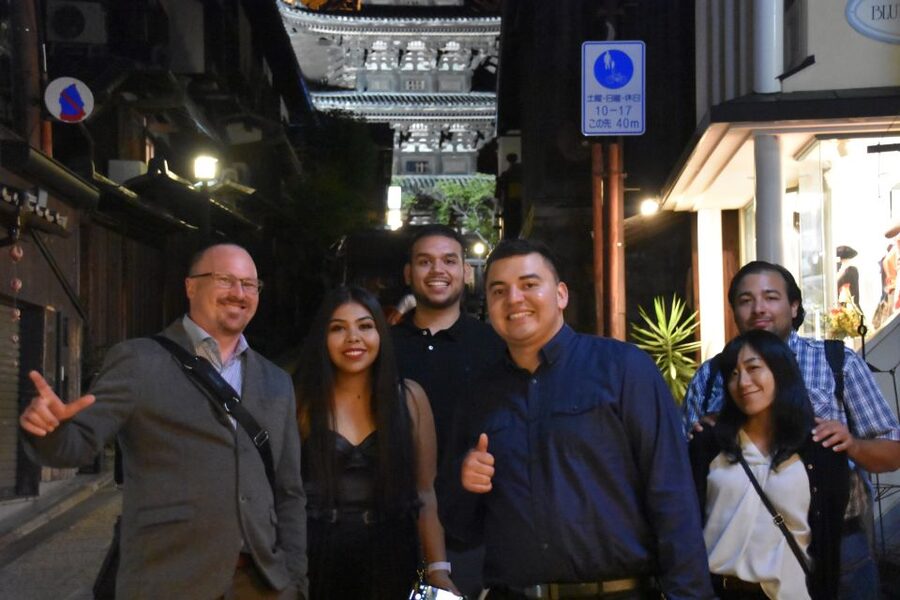
Check the start time and meeting point carefully because the meeting location can vary. The two named starting options are near Yasaka Shrine and Kyoto Gion, but you should follow the details attached to your specific booking.
The provider shares the guide’s phone number. If you are having trouble finding the meeting point, call at least ten minutes before the start. WhatsApp is recommended for contact, but you should not wait until the last minute to solve a location problem.
Late arrivals and people who cannot find their guide are not refunded. Build in extra time for reaching the area, especially if you are coming from another part of Kyoto. The route itself is on foot, so comfortable shoes and a warm layer in colder months will help.
The tour can be canceled up to 24 hours ahead for a full refund, and you can reserve now and pay later. Those policies are useful if your Kyoto plans are still shifting, but they do not protect against arriving late.
Who should book this Kyoto night walk?
I would recommend it to first-time visitors who want a clear introduction without spending half a day in a group. It suits couples, families with older children, solo visitors, and anyone who prefers local explanation over wandering with only a guidebook.
It is particularly good for you if you want:
- A quieter look at Gion than a midday visit usually provides
- A respectful introduction to geiko and maiko culture
- Several classic Higashiyama views in one evening
- Restaurant and drink suggestions after the walk
- A guide who can answer questions about religion, history, and daily life
- A low-cost activity for your first night in Kyoto
You may want something else if you need a fully accessible route, dislike uneven paving, or expect guaranteed geiko sightings. The supplied details do not confirm accessibility arrangements, so ask before booking if that is important for you.
Should you book Best of Kyoto: Gion, Geisha, Pagodas & Cobblestones?
Yes, if you want a short, well-priced introduction to old Kyoto after dark. The combination of Yasaka Shrine, Ninenzaka, Hōkan-ji Temple, Yasui Kompira-Gu Shrine, and Gion gives you a useful first map of the area, while the guide adds cultural context that is difficult to pick up from a quick solo stroll.
Book it early in your Kyoto stay, ideally on your first evening, and treat a geiko or maiko sighting as a bonus. Arrive early, check the meeting point, wear sensible shoes, and keep your camera manners respectful. If you do those things, this walk offers a strong mix of atmosphere, local insight, and practical value for $24.
FAQ
How long does the Gion and Higashiyama tour last?
The walking tour lasts two hours. The route includes guided time at Yasaka Shrine, Ninenzaka, and Gion, plus stops at Hōkan-ji Temple and Yasui Kompira-Gu Shrine.
What places are included on the route?
The route includes Yasaka Shrine, Ninenzaka, Hōkan-ji Temple, Yasui Kompira-Gu Shrine, and the Gion district.
Will I definitely see a geiko or maiko?
No. You might see women in full costume near the end of the tour, but sightings are not guaranteed.
What languages are available?
Live guiding is available in English and French.
Are food and drinks included?
No. Food and drinks are not included, though the guide can provide suggestions for places to eat or have a drink afterward.
What happens if I cannot find the meeting point?
Your guide’s phone number is shared with you. If you are having trouble locating the meeting point, you should call at least ten minutes before the tour begins. Customers who arrive late or cannot find their guide are not refunded.
Just added around Kyoto
- Kyoto : Private Custom Walking Tour With A Local Guide★ 4.6 · 144 reviews
- Kyoto: Private 2.5 Hour Historical Walking Tour★ 4.9 · 121 reviews
- Kyoto: Private Walking Tour with a Local★ 4.6 · 118 reviews
- Kyoto: Gion Sunset Walking Tour with Local Guide★ 4.7 · 351 reviews
- Kyoto: Gion Walking Tour★ 5.0 · 195 reviews
- Kyoto: Izakaya Bars Guided Walking Tour★ 4.9 · 815 reviews
- Kyoto Gion Cultural Walk & Geisha Show with Dining Options★ 5.0 · 518 reviews
- Kyoto: Gion Hidden Gems & Geisha Culture Tour★ 4.9 · 126 reviews
Japan Walking Tours, compared.
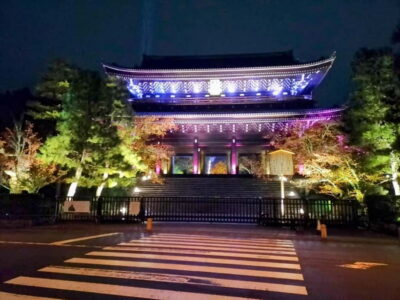
Kyoto Geisha Walking Tour: Gion District & Hidden Gems
Read our review →
Tokyo Tsukiji Fish Market Food and Culture Walking Tour
Read our review →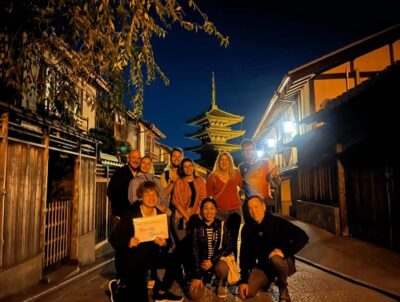
Gion Magical Night Walking Tour with Geisha Trivia
Read our review →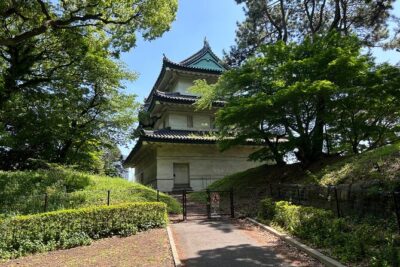
Imperial Palace and Shogun Historical Walking Tour
Read our review →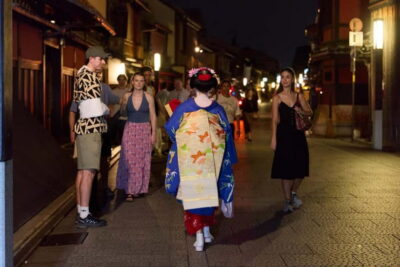
Gion Geisha District Walking Tour – Stories of Geisha
Read our review →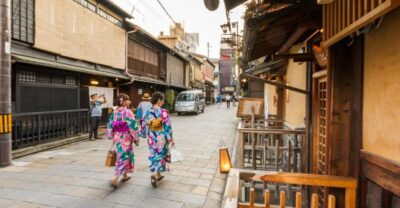
Shinjuku Local Bar and Izakaya Guided Walking Tour
Read our review →
Browse the lists this tour appears in