Review · HISTORY WALKING TOURS
Berlin Historical Highlights Walking Tour
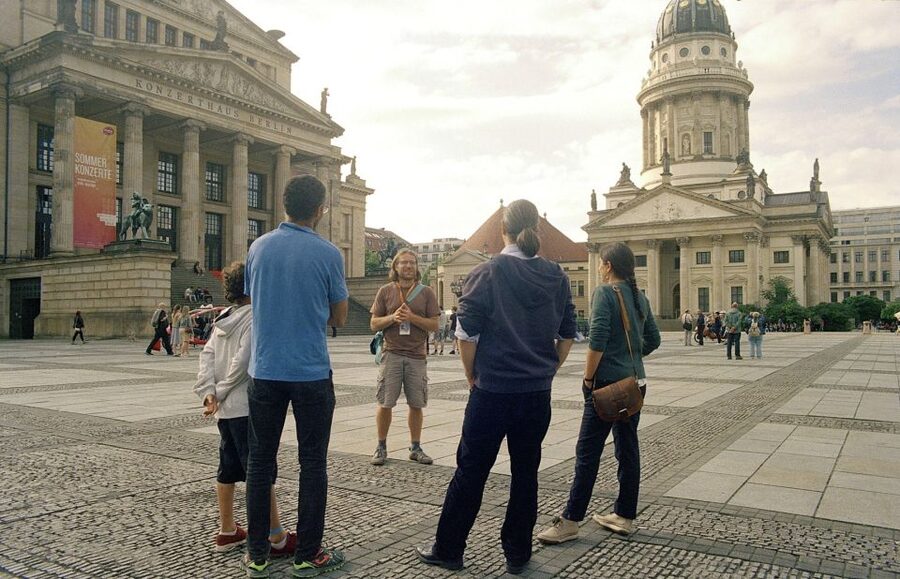
Berlin tells its story outdoors. This walking tour links Potsdamer Platz, the Berlin Wall, Brandenburg Gate, and Museum Island in one thoughtful route, so you get a useful first look at the city without spending the day inside museums. I like the clear sweep from Prussian Berlin to Nazi Germany, the Cold War, and today’s rebuilt capital. I also like the human touch from guides such as Paul, Céline, Paolo, and Jean Charles, who add anecdotes rather than simply pointing at buildings.
The main consideration is distance. You cover a lot of ground in about three hours, and Berlin weather can be rough, especially in winter. The tour does not include public transport, and it may last from three to six hours depending on the option booked, so comfortable shoes and an AB-zone transit ticket are sensible additions.
Key points to know before you book
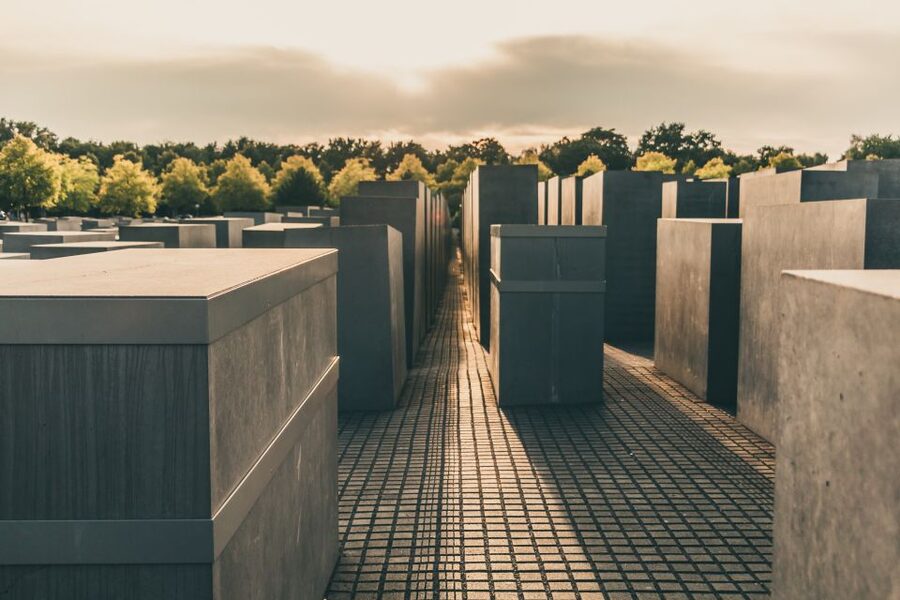
- The route covers Berlin’s central story: Potsdamer Platz, Nazi-era sites, the Wall, Checkpoint Charlie, the Holocaust Memorial, Brandenburg Gate, Bebelplatz, Museum Island, and the Humboldt Forum.
- The guide is the main attraction: The best part is the explanation connecting kings, emperors, dictatorship, war, division, and reunification.
- Small groups give the tour a personal feel: A private group is available, with the listed price covering up to six people.
- You see the sites from outside: This is a city walk, not a museum admission tour. The value comes from context, orientation, and storytelling.
- The route is practical but long: It starts around Potsdamer Platz and finishes near Unter den Linden, not back at the starting point.
- Winter preparation matters: Reviews praise guides for handling snow and cold, but Berlin is not shy about bad weather.
Berlin’s story begins at Potsdamer Platz
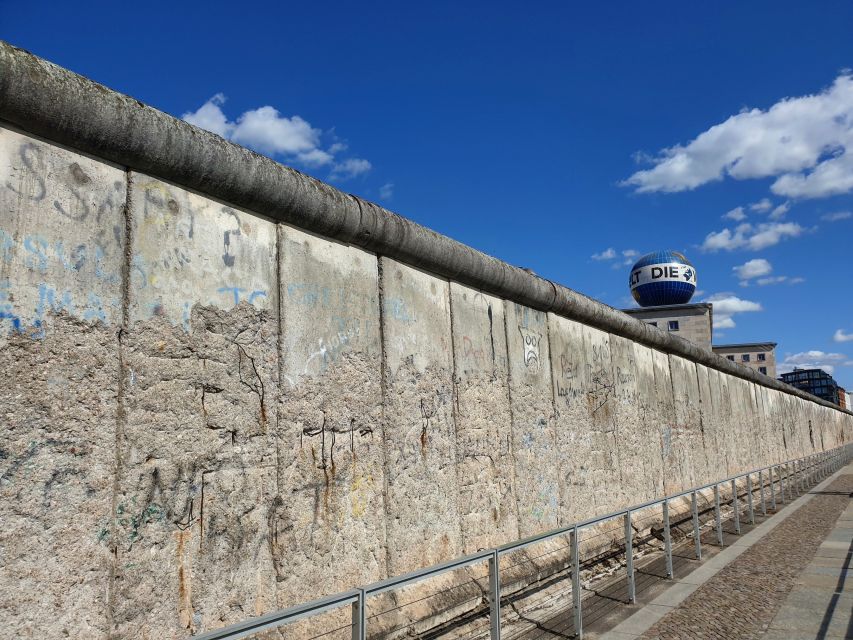
Potsdamer Platz is a fitting starting point because it captures Berlin’s repeated habit of tearing itself apart and rebuilding. The tour gives you an introduction here, then moves toward remaining sections of the Berlin Wall and the former border zone.
The modern buildings at Potsdamer Platz are not old Berlin. That is precisely the point. The area was badly damaged in World War II, then cut through by the Wall during the city’s division. After reunification, it became a symbol of new construction and renewed confidence.
I like beginning here because you see Berlin as a city of layers, not a tidy old capital. Your guide can help you understand what disappeared, what survived, and why so much of central Berlin feels recently assembled.
More City Highlights Walking Tours in Germany
- Berlin: Sightseeing Walking Tour of the Top 20 Attractions
★ 4.5 · 196 reviews - Berlin: Walking Tour of the Top 10 Sightseeing Attractions
★ 4.7 · 150 reviews - Berlin Highlights in 2 Hours: Express Walking Tour
★ 5.0 · 120 reviews
The Wall, Topography of Terror, and Checkpoint Charlie
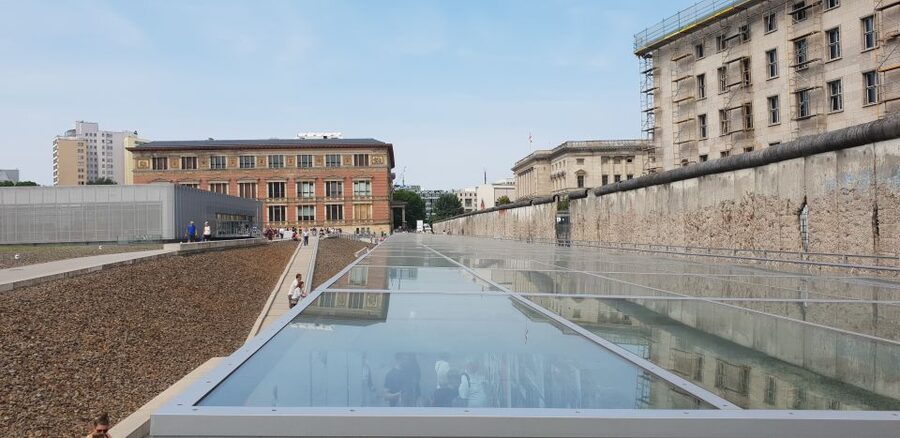
The walk then turns to the Berlin Wall, with about 20 minutes to consider the physical remains and the system behind them. A piece of concrete can look modest, but the guide’s explanation gives it weight. You learn how Berlin was split in two and how the city was later connected again.
At the Topography of Terror, the focus shifts to the Nazi period. The stop is short, around 10 minutes, so do not expect a full museum visit. Instead, it gives you a serious historical pause before the route continues.
Checkpoint Charlie follows. The famous crossing point is one of Berlin’s most recognizable Cold War symbols, but the modern setting can feel theatrical and commercial. That is why a guide helps. You can separate the real history of the divided city from the souvenir shops and photo opportunities.
The tour allows about 10 minutes here. I would treat it as a primer, not a complete study of the Wall or the Cold War. If this period matters most to you, you may want extra time at a museum or memorial after the walk.
Hitler’s bunker and the burden of the Holocaust Memorial
Near the former site of Hitler’s bunker, the guide explains the last days of the Nazi regime and the fate of the site. There is no grand ruin to enter. The bunker was covered, and the location is marked in a deliberately understated way.
That absence can be more useful than a dramatic monument. You are asked to think about how Berlin handles a place tied to dictatorship without turning it into a shrine. The stop lasts roughly 10 minutes, so listen closely and save any questions for your guide.
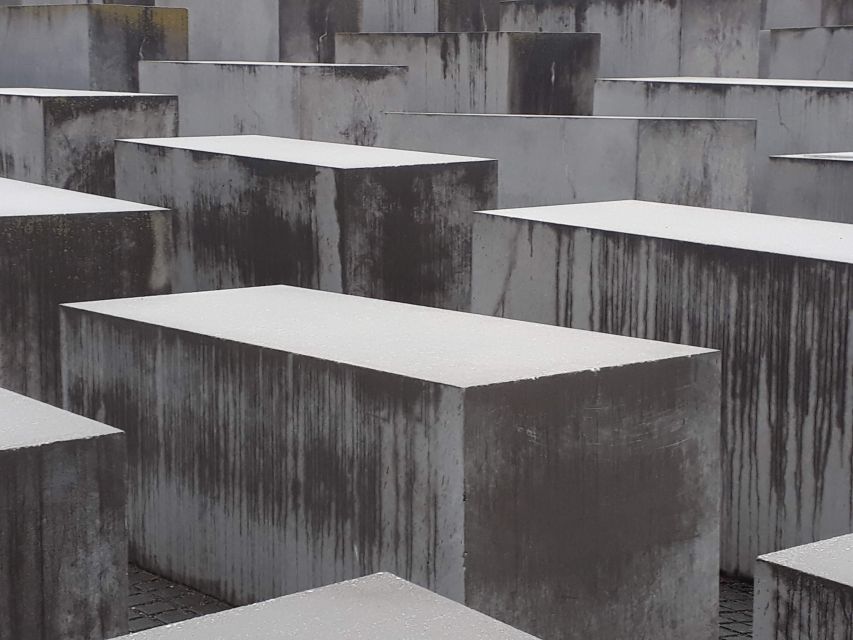
The Holocaust Memorial receives more time, around 20 minutes. Its field of concrete blocks is one of Berlin’s most affecting public spaces. The experience changes as you walk between the blocks, with the open sky above and the ground shifting around you.
This is a place for quiet attention. The guide can provide the historical frame, but you should also have a moment to look and think without a running lecture. Since the memorial is outdoors, the cold, rain, or strong sun can shape your experience. Good shoes and a warm layer are not minor details here.
Reichstag and Brandenburg Gate provide the grand views
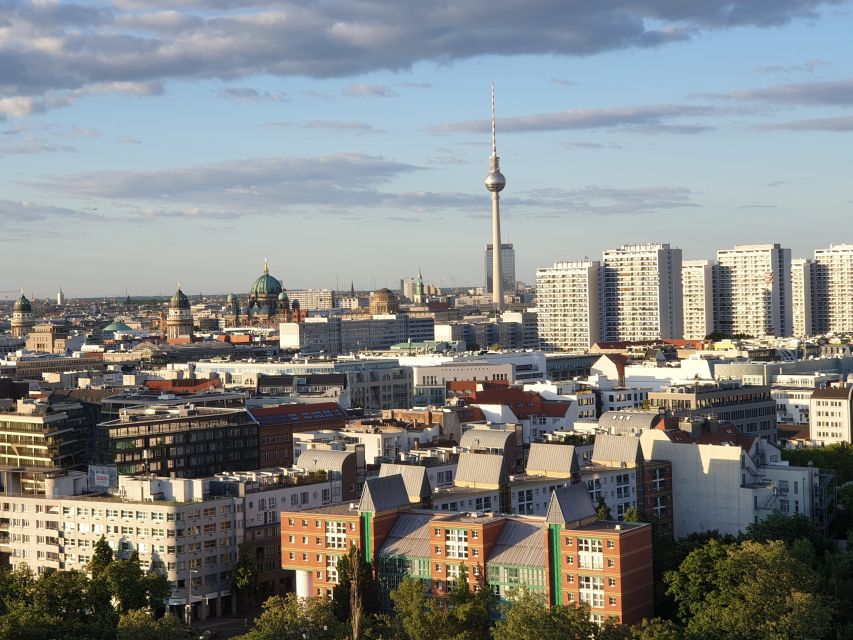
The Reichstag comes next, with about 10 minutes of guided explanation. You will see the German parliament building from outside, unless you make separate arrangements for an interior visit. The stop works well in the sequence because it connects the old imperial capital with modern democratic Germany.
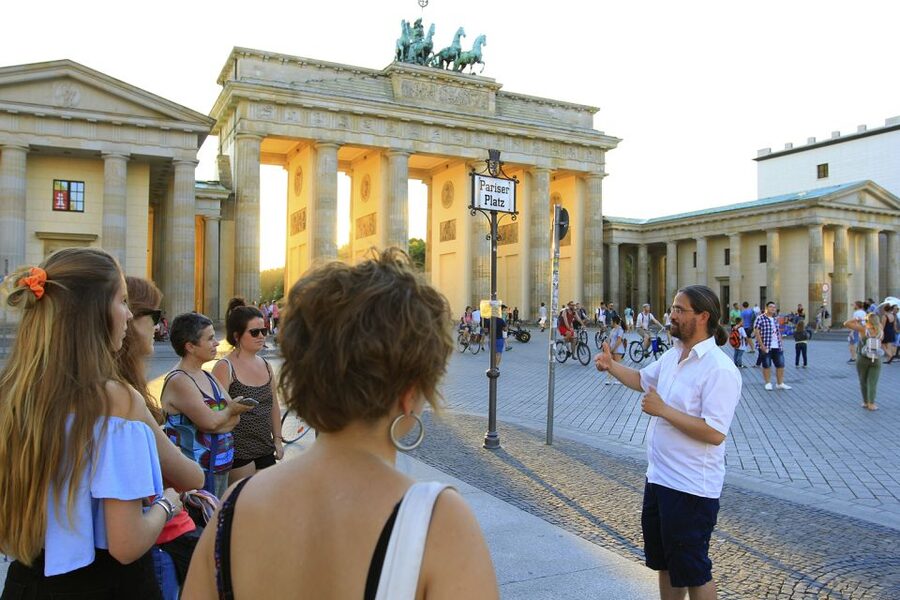
Then comes Brandenburg Gate, the tour’s grandest landmark. The gate dates from the 18th century and has witnessed monarchy, war, Nazi ceremony, Cold War division, and reunification. It is one of those places that can look overly familiar in photographs, yet feels more meaningful once you know how often Berlin’s political story passed through it.
The schedule includes a short 10-minute break at the gate. That is welcome. Use it for photographs, water, or a quick rest, but do not expect a full meal stop. The route is still only partway through its central Berlin section.
I especially like the contrast here. At the Wall, history feels concrete and personal. At Brandenburg Gate, it feels monumental and national. A good guide helps you connect the two.
More History Walking Tours in Berlin
- Berlin: History of the Third Reich Guided Walking Tour
★ 4.7 · 791 reviews - Berlin Private Complete History All Day Walking Tour
★ 5.0 · 474 reviews - Berlin: Charité Hospital Walking Tour of Medical History
★ 4.9 · 276 reviews - Berlin Private Half-Day Walking Tour: Discover the German Capital’s History
★ 5.0 · 244 reviews
Unter den Linden and Bebelplatz show imperial Berlin
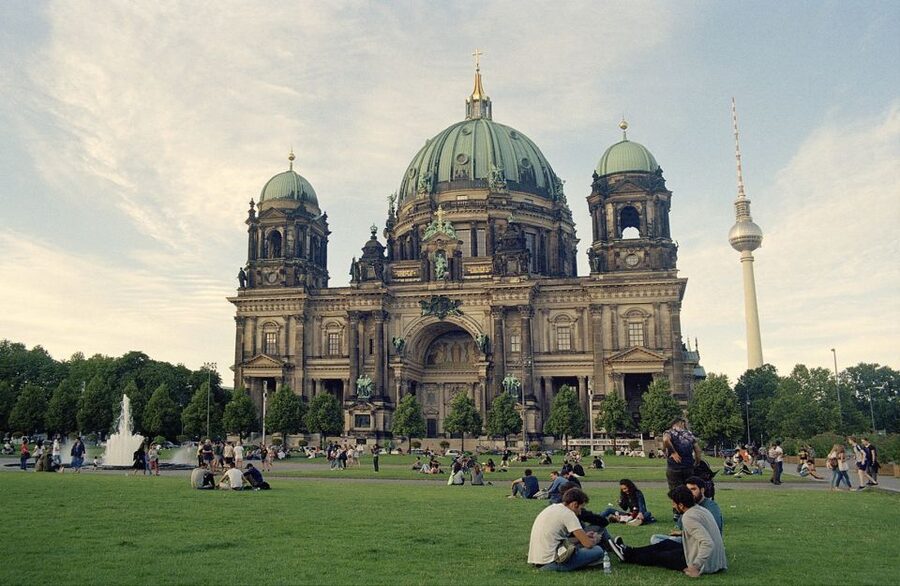
From Brandenburg Gate, you walk along Unter den Linden for about 15 minutes. This grand boulevard links the western part of central Berlin with the old royal and university quarter. The walk itself is part of the lesson. Instead of jumping between unrelated stops by vehicle, you see how the city’s important buildings line up.
Bebelplatz receives around 10 minutes of guided attention. The square is surrounded by major buildings, including the National Opera and Humboldt University. It also carries a painful Nazi-era memory connected with the burning of books in 1933.
This is a compact stop with a lot to absorb. You may find the square visually elegant at first, then notice how its calm appearance hides a dark chapter. That contrast is common in Berlin. A beautiful building may sit beside a reminder of political terror, and the tour repeatedly asks you to hold both facts at once.
Museum Island and the Humboldt Forum
The final section moves toward Museum Island, a group of major cultural institutions on the Spree. You see the area from the outside and receive an explanation of its role in Berlin’s cultural and architectural story. The stop lasts about 15 minutes.
Do not book this walk expecting admission to the museums. The guide gives orientation, but museum entry is not included. That is a limitation if you have only one day in Berlin and hoped to see collections inside. It is also a strength if you want help choosing where to return later.
The Humboldt Forum gets about 10 minutes. Its striking reconstruction and modern interior make it one of the clearest examples of old and new Berlin sharing the same address. The tour ends near Unter den Linden 5, close to this central area, rather than returning to Potsdamer Platz.
That finish is useful. You are well placed to continue sightseeing, find food, or enter another attraction. It also means you should plan your route afterward instead of assuming you will be delivered back to your hotel.
What the guide adds to the walk
The route contains famous places, but the guide determines how much you take away. The strongest comments about this experience focus on explanations, anecdotes, and the feeling that the walk passes quickly because the history keeps moving.
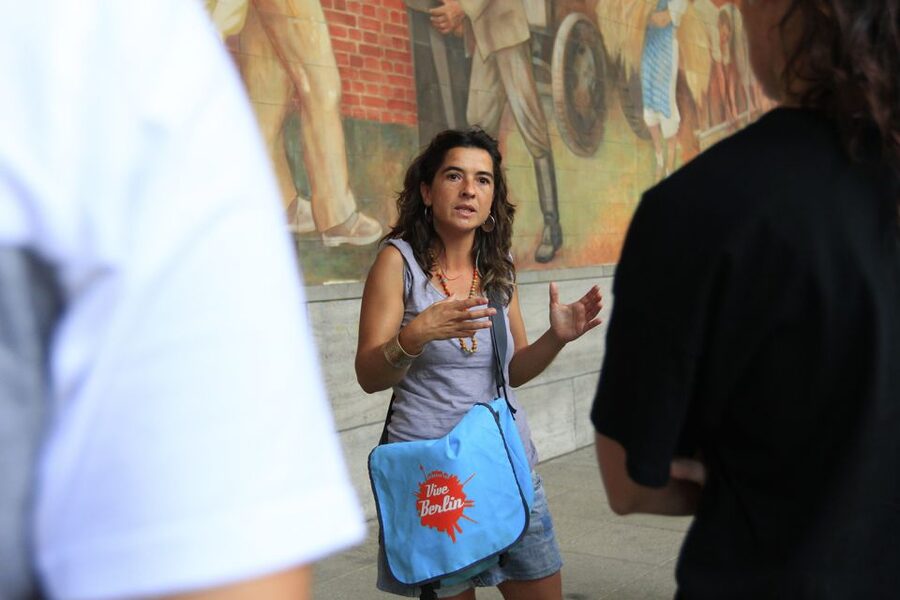
French-speaking guide Paul was praised for explaining the major sights and suggesting ways to continue exploring independently. Jean Charles was singled out for leading an enjoyable tour in cold weather. Céline added local stories and small anecdotes, while Paolo handled a snowstorm with patience and practical flexibility.
Those details matter because Berlin can be hard to read on your own. The city’s historic sites are spread across a large area, and some of the most important places are marked by absence rather than grand buildings. A guide can tell you why a parking area matters, why a blank wall matters, or why a reconstructed building remains controversial.
The language choice is another advantage. Tours are available in English, French, Italian, and Spanish. If you understand history best in French, Italian, or Spanish, that can make the long sequence of dates and political changes much easier to follow.
How much walking should you expect?
The planned route takes about three hours, but the booking options list a duration of three to six hours. That difference likely reflects the selected format, pickup arrangements, pace, and possible transport during difficult weather. Check the exact option before paying.
You should be ready to walk through central Berlin for most of the experience. The route includes short guided stops, a walking stretch along Unter den Linden, and time to pause at major sites. There is no public transport ticket included.
An AB-zone ticket for the day is recommended. You may need it to reach the meeting point, and you can use it afterward because the tour ends somewhere different from where it begins. In poor weather, the group may take the metro during the tour, which makes the transit ticket even more useful.
The walk is listed as wheelchair accessible, but historic city streets, crowded public areas, and weather can still affect comfort. If you use a wheelchair, discuss the exact route and pickup arrangements before booking.
Price and value for a group of six
The price is $389 per group of up to six people. That works out to about $65 per person if you fill all six places, though the value changes sharply for a smaller group.
For six people, I think the price is reasonable for a private or highly personal introduction to central Berlin, especially if you want to ask questions and set your own pace. For two people, the per-person cost is much higher. A private group may still be worth it if you value direct attention, a chosen language, hotel pickup, or a family-friendly pace.
The guide is included, but public transport, museum admissions, food, and drinks are not. The price buys interpretation and route planning, not entry into the Reichstag, Museum Island museums, or other indoor attractions.
The best value comes when you use the walk as your first Berlin orientation. Afterward, you can return to the Holocaust Memorial, the Wall, Museum Island, or another site with a clearer sense of place.
Who should choose this Berlin walk?
I would recommend it to first-time visitors who want the central sights arranged into one understandable story. It also suits families, small groups of friends, and couples who prefer conversation with a guide over a large scheduled group.
It is a good fit if you enjoy history but do not want to spend your whole day indoors. You get architecture, memorials, political history, and city views in one route.
I would hesitate if your priority is entering museums or spending long periods at each memorial. The schedule gives many stops only 10 to 20 minutes. That makes the tour broad rather than slow and detailed.
Winter visitors should take the weather seriously. The strong feedback for tours led during snow and cold is encouraging, but even an excellent guide cannot make wet feet pleasant. Wear shoes with support, bring layers, and keep your transit ticket handy.
Should you book it?
Book this tour if you want Berlin’s major historic sites explained in one clear walk, especially with five or six people sharing the cost. The route gives you a useful frame for the city, and the guides appear to be the experience’s strongest feature.
Skip it if you want extensive museum time, a relaxed pace, or a tour focused on just one period. For most first visits, though, the combination of Brandenburg Gate, the Wall, Checkpoint Charlie, the Holocaust Memorial, Bebelplatz, Museum Island, and the Humboldt Forum makes this a sensible opening chapter.
FAQ
How long does the Berlin Historical Highlights Walking Tour last?
The main walking experience is described as three hours, while available options list durations from three to six hours. Check the selected option for the exact timing.
Where does the tour start?
The starting point depends on the option booked. The route described begins at Potsdamer Platz, while pickup from a hotel may be available with selected options.
Where does the tour end?
The tour has two drop-off locations near Unter den Linden 5 in Berlin. It does not end at the original meeting point.
Is public transportation included?
No. A public transport ticket is not included. An AB-zone day ticket is recommended to reach the meeting point and continue your plans afterward.
What languages are available?
The tour is available in English, French, Italian, and Spanish.
Is the tour private?
A private group option is available. The listed price is $389 for a group of up to six people.
Are museum admissions included?
No museum admission is listed as included. The tour visits and explains Museum Island and the Humboldt Forum from the route, but indoor entry is not part of the included guide service.
Is the tour wheelchair accessible?
Yes, the activity is listed as wheelchair accessible. You should still discuss your exact meeting point, pickup, and route needs before booking.
What should I bring?
Bring comfortable shoes. A public transport ticket is also recommended, and warm or rain-ready clothing is wise because much of the experience takes place outdoors.
More City Highlights Walking Tours in Berlin
- Berlin Highlights Private Guided Walking Tour
★ 4.5 · 89 reviews - Berlin : Must-see attractions Walking Tour
★ 4.8 · 83 reviews - Explore Berlin History and Highlights Sightseeing Walking Tour
★ 5.0 · 81 reviews - Historic Charleston Guided Sightseeing Walking Tour
★ 5.0 · 6,216 reviews
More History Walking Tours in Germany
- Berlin History Walking Tour with a French-Speaking Guide
★ 5.0 · 240 reviews - The History of Berlin: WWII PRIVATE Walking Tour With Locals
★ 5.0 · 209 reviews - East Berlin Food & History Tour with Eating Europe
★ 5.0 · 204 reviews - Berlin: Historic Center Walking Tour with a Real Berliner
★ 5.0 · 134 reviews
Just added around Berlin
- Berlin Walking Tour★ 4.5 · 378 reviews
- Small Group Walking Tour of East Berlin with a French Guide★ 5.0 · 176 reviews
- Berlin Street Art Walking Tour – Off The Grid★ 5.0 · 270 reviews
- Berlin Highlights Private Guided Walking Tour★ 4.5 · 89 reviews
- Private Walking Tour: World War 2 and Cold War Sites in Berlin★ 5.0 · 230 reviews
- East Meets West: Berlin Food Culture & Street Art★ 5.0 · 157 reviews
- Kreuzberg Berlin: Off the Beaten Track PRIVATE Walking Tour★ 5.0 · 128 reviews
- The History of Berlin: WWII PRIVATE Walking Tour With Locals★ 5.0 · 209 reviews
History Walking Tours, compared.
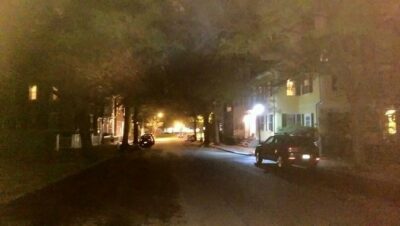
History and Hauntings of Salem Guided Walking Tour
Read our review →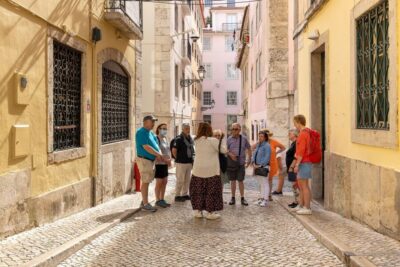
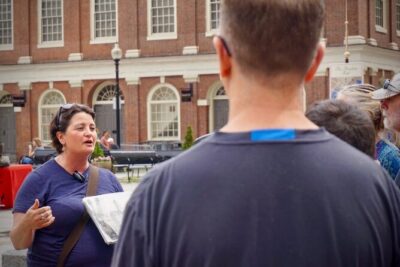
Freedom Trail History Small Group Walking Tour
Read our review →
Historic Charleston Guided Sightseeing Walking Tour
Read our review →
Tapas Walking Tour with Food, Wine, and History
Read our review →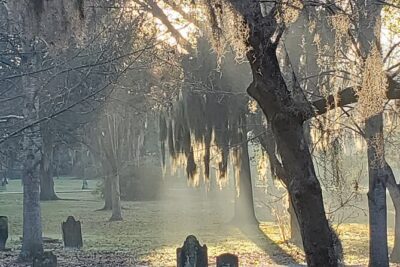
Savannah History and Haunts Candlelit Ghost Walking Tour
Read our review →