
Review · SMALL-GROUP WALKING TOURS
Discover Munich 2-Hour Small Group Walking Tour
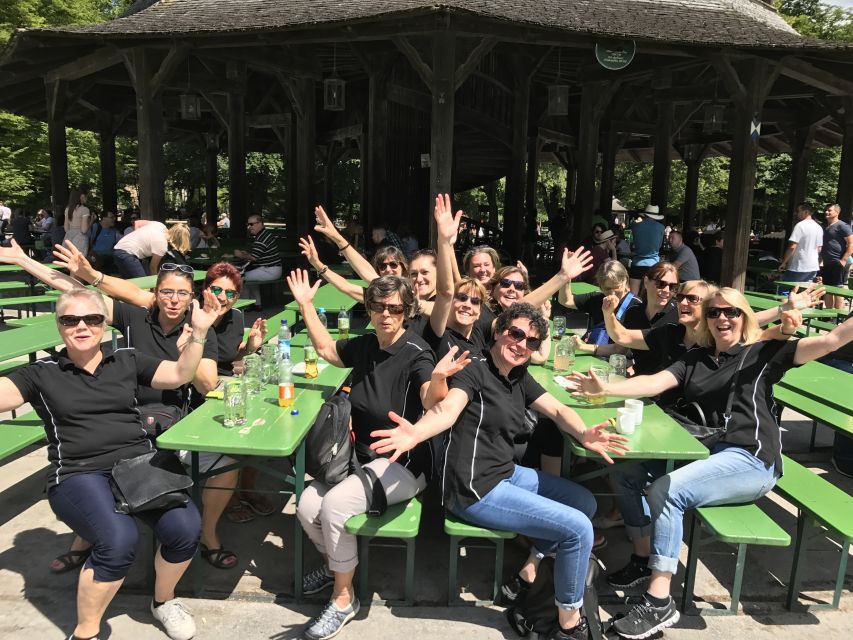
Munich starts with a good walk. This two-hour introduction links Marienplatz, the Rathaus-Glockenspiel, churches, beer halls, and lesser-known corners with stories that help the city make sense. I like the practical food and beer advice, and I like that guides such as Leon, Anna, Sam, and Timmy bring humor instead of reciting dates like a textbook.
The tour also gives you a useful first look at Munich’s darker 20th-century history, along with local customs, festivals, and everyday life. My main caution is group size: it is described as averaging 10 to 15 people, but some departures have reached 24 or 25, which can make hearing the guide harder on busy streets.
Key points at a glance
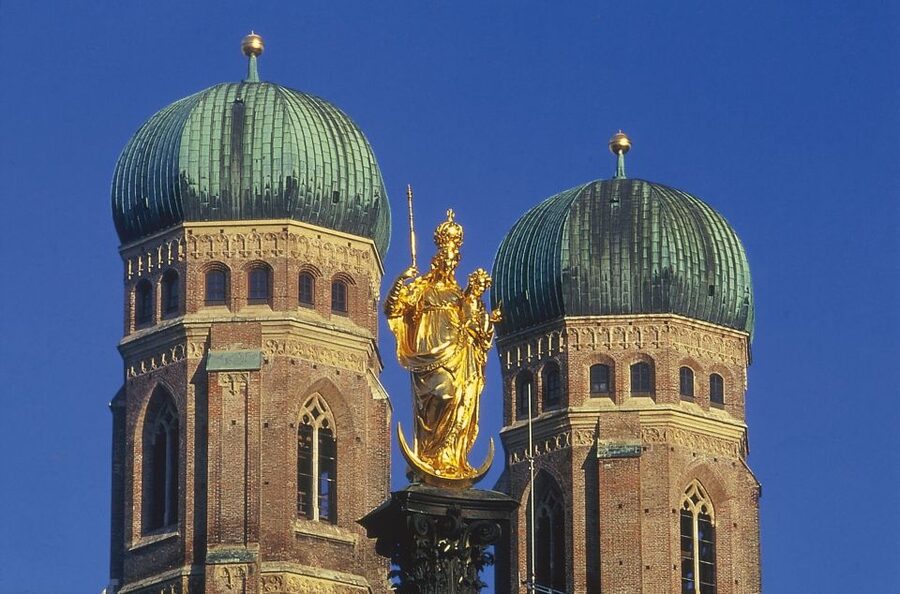
- Marienplatz finale: The tour includes Munich’s central square and the famous Rathaus-Glockenspiel, with some departures timed to catch its display.
- Useful first-day orientation: You pass major sights, churches, beer halls, and dining areas, then receive suggestions for places to return to later.
- Guides make the difference: Leon, Anna, Sam, Timmy, Sarah, Patrick, and others are praised for clear explanations, humor, and personal stories.
- A balanced look at Munich: The walk includes architecture, festivals, cultural habits, beer traditions, and difficult parts of 20th-century history.
- Good value at $27: Two hours with a live English-speaking guide costs less than many longer city tours, while giving you a solid base for exploring alone.
- Check the group size: The advertised average is 10 to 15 people, but larger groups have occurred.
Why this is a smart first walk in Munich
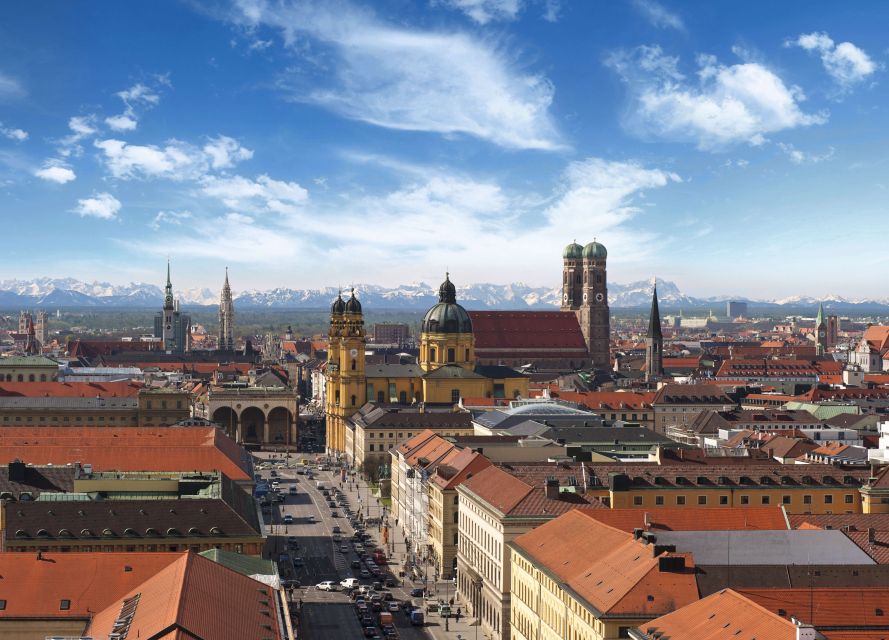
I would place this tour on your first full day in Munich, not because it covers every major sight in detail, but because it helps you understand how the center fits together. After two hours, you should know where Marienplatz sits, which streets lead toward the main churches and beer halls, and where to return when you have more time.
That orientation matters in a city where many central sights are close together but easy to approach from the wrong direction. A guide can point out the difference between a building that is worth entering and one that is mainly worth seeing from outside. You also get immediate advice on food, beer gardens, and local activities, which is often more useful than another page of general sightseeing notes.
The walk is conducted in English and is wheelchair accessible. It is not a food tour, and no food or drinks are included, so you are paying for the guiding and local context rather than tastings or admission tickets.
More Small-Group Walking Tours in Munich:
- Amsterdam Anne Frank: Small-Group Walking Tour & Local Guide
★ 4.8 · 12,789 reviews - Boston: Freedom Trail History Small Group Walking Tour
★ 5.0 · 6,450 reviews - New Orleans Food Walking Tour of the French Quarter with Small-Group Option
★ 5.0 · 6,118 reviews
Starting at Dachauer Straße 4
The meeting point is the local operator’s office at Dachauer Straße 4, 80335 Munich. This is north of the old center, so you should allow enough time to find the office and arrive before the scheduled departure.
The starting area drew one negative comment because the nearby street felt rough to that participant while waiting. That does not describe the walking route itself, but it is a practical detail worth knowing. I would arrive prepared, meet at the stated office, and avoid lingering on nearby side streets if you are uncomfortable.
The tour is offered at different starting times, so check availability for your date. A guide meets the group and leads the walk in English. Since this is a city tour on foot, comfortable shoes matter more than anything else you bring.
Walking into Munich’s historic center
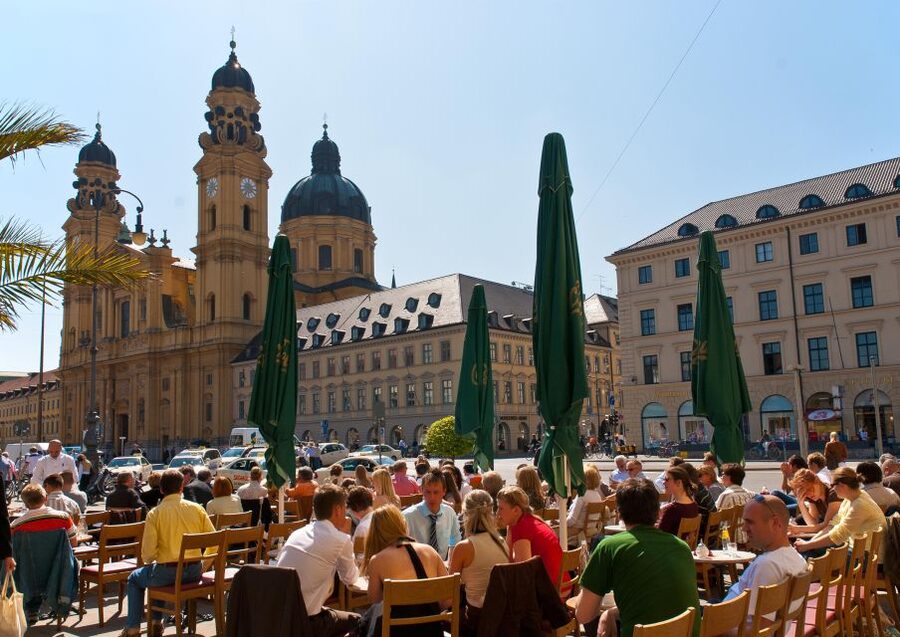
The route takes you from the starting point toward central Munich, using the walk itself to introduce the city. You are not simply moved from monument to monument. The guide explains what you are passing, adds stories about people and events, and points out details you could easily miss on your own.
This part of the tour is especially useful if Munich is your first stop in Germany. Guides have discussed cultural habits, local life, festivals, and the way residents use the city. That makes the walk feel more grounded than a list of royal buildings and church façades.
The pace appears to be moderate. Anna was praised for keeping a comfortable pace, while Patrick allowed time to enter churches along the way. That flexibility is valuable, though your exact stops depend on the guide and the group.
Do not expect a private tour. The group is described as small, with an average of 10 to 15 people, but one departure had about 24 people and another had at least 25. A larger group can still work well with an energetic guide, but you will need to stay close and listen carefully when the city gets noisy.
Marienplatz and the Rathaus-Glockenspiel
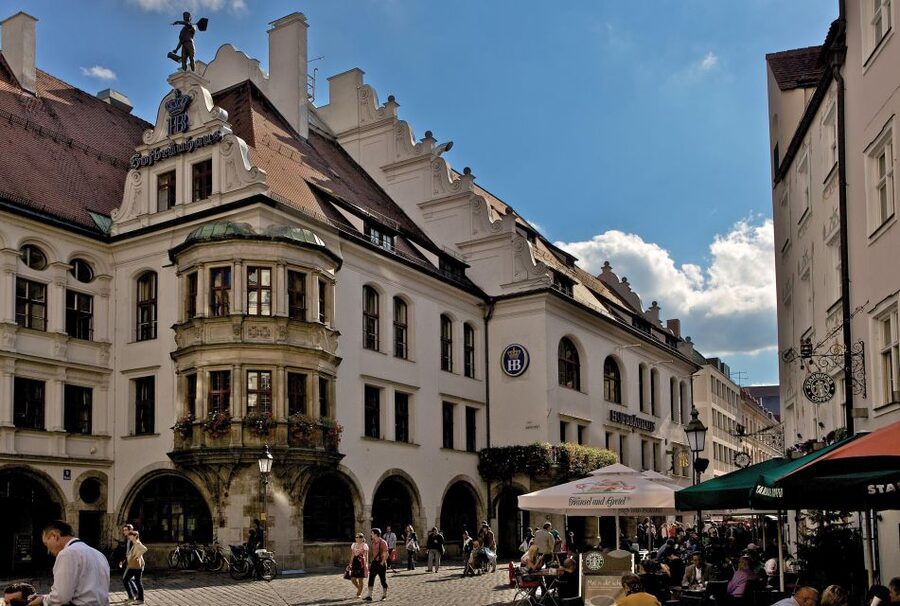
Marienplatz is the natural heart of the walk. It is the square you will likely use as a reference point throughout your Munich visit, and the Rathaus-Glockenspiel is its most theatrical feature.
The clock’s figures and moving display are easy to appreciate visually, but a guide adds the setting and meaning behind it. One guide, Thomas, timed the group’s visit so it could see the display in the square. Another tour finished there around noon. If seeing the clock performance matters to you, check the departure time and confirm the plan with your guide, since timing can vary.
Marienplatz can be crowded, especially around the clock display. That is one reason a guide helps: you get a better sense of where to stand, what to watch, and which details deserve attention. The tradeoff is that a busy square is not the best place for a long explanation. Stay close to the guide and expect some background noise.
This is also a good point to mark on your own map. From here, you can return later for more time at the New Town Hall, surrounding streets, churches, and nearby shops. The tour gives you the orientation, but it does not replace a separate visit inside every major building.
A few more walks around Munich worth a look
- Berlin’s Best: 2 Hour Walking Tour Third Reich and the Cold War
★ 5.0 · 5,486 reviews - Budapest City Landmarks Walking Tour in 2 Hours
★ 5.0 · 2,048 reviews - Leipzig: 2-Hour Guided Walking Tour in German
★ 4.8 · 1,612 reviews - Lucca: 2-Hour City Center Walking Tour
★ 4.7 · 1,314 reviews
Churches, architecture, and overlooked corners
The walk includes beautiful churches and architectural details that may not appear on a basic sightseeing list. Some guides pause long enough for the group to walk through a church, while others focus more on the exterior and the story attached to it.
I like this mix because it keeps the two-hour route moving while still giving you small moments of quiet. Munich’s center can seem polished and formal at first glance. Church interiors, old façades, and side streets add texture and show how much of the city’s identity is tied to religion, monarchy, trade, and civic life.
The promise of lesser-known locations should be understood sensibly. This is still a central Munich overview, not an offbeat neighborhood expedition. You will see places that many independent visitors pass without context, but the main value comes from the guide’s explanation rather than from secret access or exclusive sites.
One minor criticism is useful here: a participant wanted more points of interest called out along the route. If you want detailed architectural analysis of every building, choose a specialist tour. If you want a clear introduction with selected details, this format is better suited to you.
Beer halls, food advice, and local suggestions
Munich’s beer culture is part of the city’s character, and this tour points out famous beer halls while giving practical advice on where to eat and drink. Food and drinks are not included, so you can use the suggestions after the tour rather than eating as part of it.
This is one of the strongest reasons to take the walk early in your stay. You can ask questions about what to order, which areas suit your plans, and where to go for a beer garden or traditional meal. Daniel recommended a beer garden in the English Garden, and that suggestion worked well for the person who followed it.
The quality of recommendations will depend on the guide. Some guides offer many ideas, while one participant wished there had been more restaurant suggestions. I would treat the advice as a starting point and ask specific questions. Tell the guide what you want: a traditional meal, a casual beer hall, a beer garden, or something less formal.
The tour does not turn Munich into a postcard. It connects food and drink with daily life, local habits, and the places people actually use. That makes the advice more helpful than a generic list of famous restaurants.
Munich’s difficult 20th-century story
A useful city walk should not polish away the uncomfortable parts of its past. This tour includes some of Munich’s more sinister 20th-century history, which gives the old center a more honest frame.
The subject is handled as part of the wider introduction rather than as a dedicated political-history tour. You hear enough to understand that Munich’s attractive squares and grand buildings have also witnessed painful events and difficult choices. That balance matters. The guide discusses churches, beer, festivals, and architecture, but does not pretend the city’s past is only cheerful.
If you want a detailed study of National Socialism, memorial sites, or Dachau, book a specialized experience separately. One person had to leave this tour early to join a Dachau trip, so plan carefully if you are combining activities. This two-hour walk can prepare you for further visits, but it is not a substitute for them.
The guides are the main reason to book
The strongest praise centers on the guides, and that makes sense for a walking tour with no included admissions or meals. Leon is described as funny, down to earth, and entertaining. Anna receives praise for personal insights and a strong grasp of Munich’s past. Sam is noted for stories, enthusiasm, and keeping children engaged.
Timmy appears several times as a clear and humorous guide who could explain major landmarks without making the presentation dull. Sarah handled heavy rain cheerfully and kept the group in drier spots when possible. Patrick was praised for an easy pace, and Daniel even dressed traditionally on one departure.
These details tell you what to hope for, but not what to demand from every departure. Guide quality can vary because the personality and route emphasis change from one guide to another. The consistent pattern is an informal, friendly presentation with room for questions.
Families may find this a good fit. Sam kept children interested, and the two-hour length is manageable for many young walkers. Still, the group spends the full time on foot, and cobbled or crowded central streets can be tiring for anyone who needs frequent breaks.
Is $27 a good value?
At $27 per person, this is a fair price for a two-hour guided introduction, especially if you use the advice to shape the rest of your stay. You are paying for a live English-speaking guide, route planning, local recommendations, and stories that help familiar sights land with more meaning.
The value is strongest for first-time visitors. If you already know Munich well, the major landmarks may feel familiar, and the tour’s shorter format may not offer enough new material. In that case, the guide’s anecdotes and local suggestions become the main benefit.
You should also factor in the group size. At 10 to 15 people, the price feels particularly reasonable because you can usually hear the guide and ask questions. With 24 or 25 people, the value drops slightly, especially if the group stretches out on busy streets.
Free cancellation up to 24 hours before the tour and the option to reserve now and pay later make it easier to fit the walk into a changing itinerary. The tour is wheelchair accessible, but it is still wise to confirm the route details if you have specific mobility needs.
Timing, route ending, and practical planning
The published itinerary gives Dachauer Straße 4 as both the starting and return point. At the same time, some participants describe the walk as starting on one side of the old town and ending on another, with one group finishing in Marienplatz.
That difference may reflect route variations or a meeting-point description that does not match every departure. Ask the guide at the start where the walk will finish, especially if you have a train, museum booking, lunch reservation, or Dachau trip afterward.
The tour lasts two hours, but allow extra time before and after for finding the office, staying with the group, and reaching your next appointment. Wear shoes suited to city walking, carry water, and bring rain protection in wet weather. Sarah and Patrick handled rainy departures well, but no guide can make two hours outdoors feel dry.
Who should book this Munich walk?
Book it if you want a clear first look at central Munich, prefer stories to self-guided reading, and would like immediate advice about food, beer, and later sightseeing. It is also a good choice for families, first-time visitors, and anyone arriving without much knowledge of the city.
You may want something else if you prefer a private guide, a highly detailed architecture tour, a dedicated 20th-century history walk, or a route focused on eating and drinking. You should also think twice if a group of more than 20 would frustrate you.
For most first visits, I would book this early and use it as a launch pad. The tour will not show you every important building, but it can help you understand where you are, what deserves a return visit, and how Munich’s past and present fit together. At $27, that is a sensible way to begin.
FAQ
Where does the Munich walking tour start?
The meeting point is the local operator’s office at Dachauer Straße 4, 80335 Munich.
How long does the tour last?
The guided walking tour lasts two hours.
What language is the tour conducted in?
The live tour guide speaks English.
Does the tour include Marienplatz?
Yes. The route includes Marienplatz and the Rathaus-Glockenspiel.
Can I see the Rathaus-Glockenspiel during the tour?
The tour includes the clock, and some departures are timed to see its display. Check the starting time and confirm the timing with your guide.
Are food and drinks included?
No. Food and drinks are not included in the tour price.
How large is the group?
The tour is described as an average of 10 to 15 people. Some departures have been larger, with reports of about 24 or 25 participants.
Is the tour wheelchair accessible?
Yes, the activity is listed as wheelchair accessible.
Can I cancel for a full refund?
Yes. You can cancel up to 24 hours in advance for a full refund. You can also reserve now and pay later.
Just added around Munich
- Munich: Walking Tour Old Town and Viktualienmarkt★ 4.7 · 839 reviews
- Munich: Raven Black Witches and Executioners Walking Tour★ 4.7 · 294 reviews
- Munich : Private Walking Tour with A Guide (Private tour)★ 4.5 · 85 reviews
- Munich: Guided Food Walking Tour with Beer Tasting★ 4.7 · 183 reviews
- Munich: Old Town Guided Walking Tour★ 4.6 · 479 reviews
- Munich Old Town – Guided Walking Tour in English★ 4.7 · 153 reviews
- Munich: Birthplace of the Third Reich Guided Walking Tour★ 4.6 · 771 reviews
- Munich: Old Town Walking Tour★ 4.7 · 589 reviews
Small-Group Walking Tours, compared.

Amsterdam Anne Frank: Small-Group Walking Tour & Local Guide
Read our review →
Freedom Trail History Small Group Walking Tour
Read our review →
New Orleans Food Walking Tour of the French Quarter with Small-Group Option
Read our review →
Barcelona Tapas and Wine Experience Small-Group Walking Tour
Read our review →
Reykjavík Small group Walking Tour – by CityWalk
Read our review →
Best of Lisbon Small-Group Guided Walking Tour
Read our review →
Small Group Boat Cruise and Guided Walking Tour
Read our review →
Browse the lists this tour appears in