
Review · CITY HIGHLIGHTS WALKING TOURS
Dublin: Highlights and Hidden Corners Walking Tour
Dublin reveals itself on foot. This 2.5-hour walk links major sights with odd little details, local stories, and streets you could easily pass without noticing. I like the small groups of up to 16 people, and I like the way the route crosses both sides of the River Liffey instead of keeping you in one compact district.
The guides are another strong point. Joe Brennan, John O’Flynn, Jacob, Katie, and Dave have each earned praise for clear storytelling, humor, and a friendly manner. The main drawback is pace: one person found the walk a little fast, so you may want to mention this to your guide if you prefer a slower stroll.
The Dublin details that make this walk worthwhile
- A route across old and modern Dublin: Begin on Dame Street, pass through the Viking and medieval quarter, cross the Liffey, and finish around Trinity College.
- Stories beyond the usual landmarks: Look for a former cinema, an old Lisbon tram now used as a café, a church that is no longer a church, and a post box linked to Irish independence.
- A close look at 1916: The General Post Office and O’Connell Street provide a clear setting for understanding the Easter Rising and the destruction that followed.
- Small-group attention: Numbers are limited to 16, and extra guides may be added when needed.
- Good first-day orientation: The route gives you useful bearings for later visits to Dublin Castle, Christ Church, Temple Bar, Trinity College, and the north side.
- Mostly an outdoor introduction: Sights are viewed from the outside, though you can return afterward for interior visits where available.
Starting beside the Tree of Gold on Dame Street
The tour begins at the Tree of Gold statue, also called Crann an Óir, at the corner of Dame Street and Fownes Street Upper in Dublin 2. This is a practical starting point because Dame Street puts you close to several of central Dublin’s key historic areas.
Arrive ready to walk rather than ready to wait in a coach. The experience is entirely on foot, and the value comes from the guide connecting one place to the next. You are not simply shown a façade, then hurried away. The route gives you a framework for understanding how Dublin’s old center fits together.
The advertised duration is 2.5 hours. That is long enough to cover a lot of ground, but short enough to fit comfortably into a first full day in the city. I would book it early in your visit, since the route can help you decide which places deserve a second look.
The tour is offered in English with a live guide. It is wheelchair accessible, although Dublin’s historic streets and the walking pace are still worth considering when deciding if it suits your needs.
More City Highlights Walking Tours in Ireland
- Dublin Highlights and Hidden Gems Guided Walking Tour
★ 5.0 · 6,020 reviews - Dublin: Highlights and Hidden Gems Walking Tour
★ 4.9 · 2,140 reviews - 90 Minute Dublin Walking tour and Sightseeing tips
★ 5.0 · 916 reviews
City Hall, Dublin Castle, and the medieval quarter
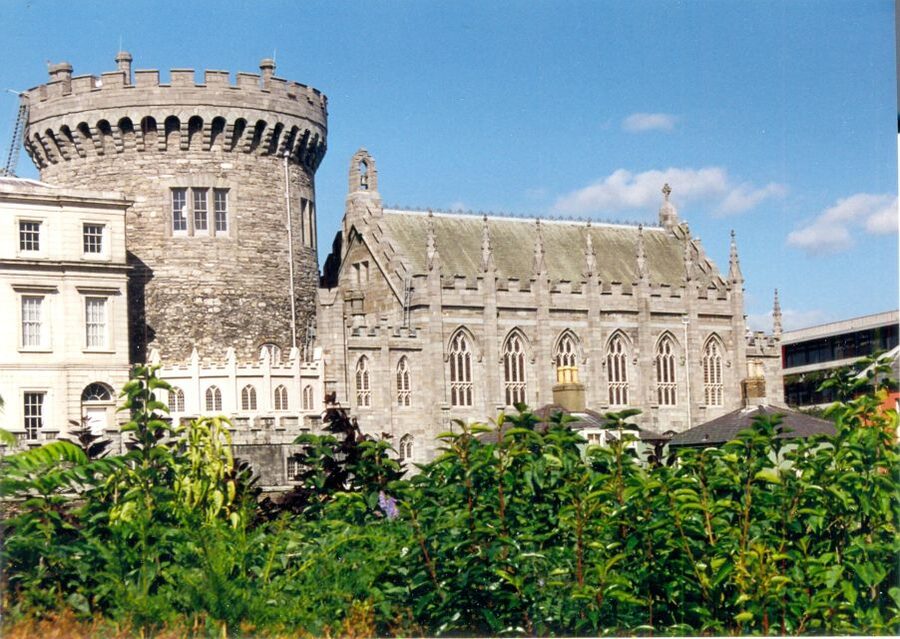
From Dame Street, the walk heads through the former Viking and medieval quarter. City Hall and Dublin Castle grounds provide an immediate lesson in how the city’s civic and political center developed.
The focus here is not an interior tour. Visits are external, so you will see the buildings, grounds, and public spaces from outside. That is both a benefit and a limitation. You get a broad introduction without spending the whole morning inside one attraction, but you will need to return on your own if you want to explore rooms, exhibitions, or collections.
Dublin Castle is especially useful as a first stop because the guide can place it within the wider story of the city. The grounds and gardens also give the walk a little breathing room before it moves toward Christ Church Cathedral and the tighter streets nearby.
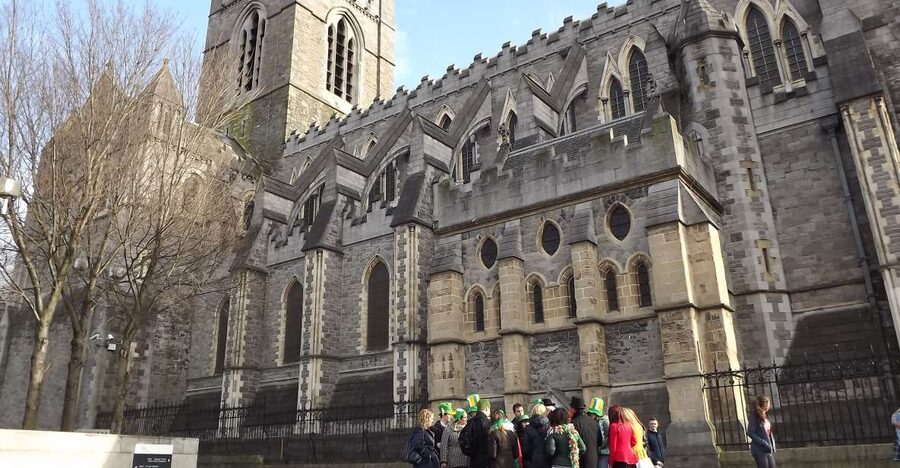
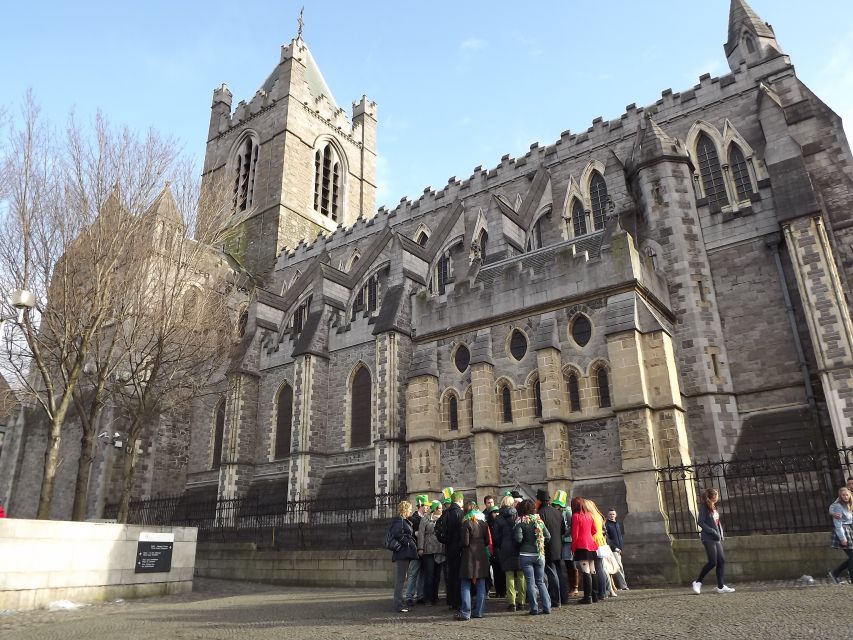
Christ Church Cathedral is one of the route’s major visual anchors. Even from the outside, it helps explain the shape of this part of Dublin. Your guide adds the human stories that make old stone less remote, with details about people, power, faith, and the city’s changing purpose.
This is where the tour’s style matters. The best guides do not bury you under dates. They make the past easier to picture, then keep the walk moving.
Fishamble Street and Smock Alley’s theatrical past
Fishamble Street and Smock Alley add a more intimate layer to the route. These are not just names to tick off. They are part of the old city’s network of lanes and public places, where Dublin’s social life took shape over many years.
The tour also points out details that are easy to miss if you walk alone. One example is Dublin’s first full-time cinema, now defunct. That kind of stop gives you a different way to read the city. Dublin is not only castles, churches, and national monuments. It is also old entertainment venues, changing businesses, and traces of everyday life.
You may find this part especially rewarding if you enjoy cities that reveal themselves through small clues. The guide’s job is to make you pause at the right doorway or corner, then explain why it matters.
Temple Bar without getting stuck in the postcard version
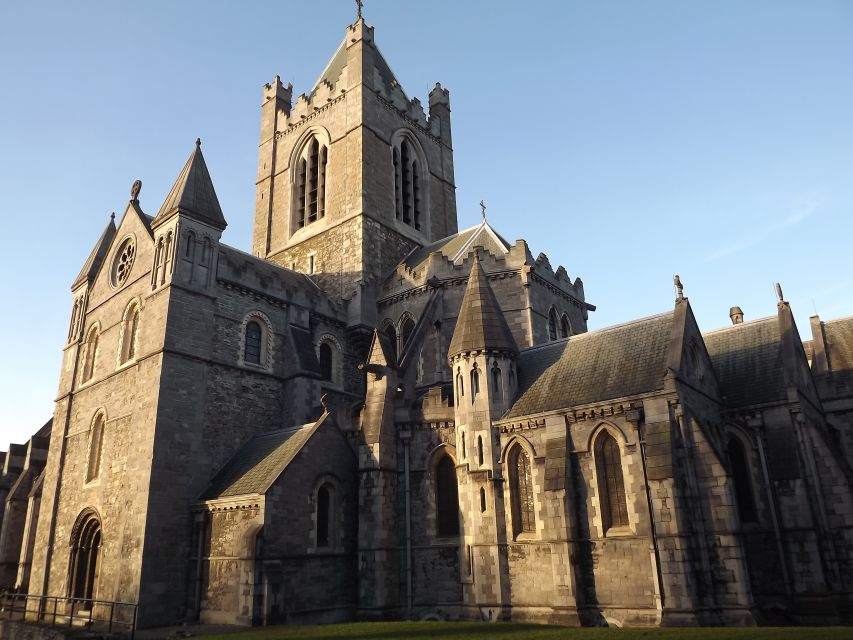
The route continues toward Meeting House Square and Temple Bar. You get the famous district, but the point is not simply to admire its reputation or stop for a drink.
Meeting House Square helps show the area as more than a nightlife zone. Your guide can connect the streets to Dublin’s older layers, while also pointing out curious details that many people miss. This is a useful correction to the common impression that Temple Bar is only crowded pubs and souvenir shops.
The walk does not include a scheduled interior visit, so you are free to return later if a particular building or venue catches your eye. That flexibility is useful. You get orientation first, then choose how much time you want to spend inside afterward.
More City Highlights Walking Tours in Dublin:
- Dublin Highlights: 2.45-Hour Walking Tour in Italian
★ 4.7 · 460 reviews - Dublin: Sightseeing Walking Tour in German
★ 4.7 · 231 reviews - Historic Charleston Guided Sightseeing Walking Tour
★ 5.0 · 6,216 reviews - Vienna: Guided Walking Tour of City Center Highlights
★ 4.7 · 4,989 reviews
Across the Millennium Bridge and into the Italian Quarter
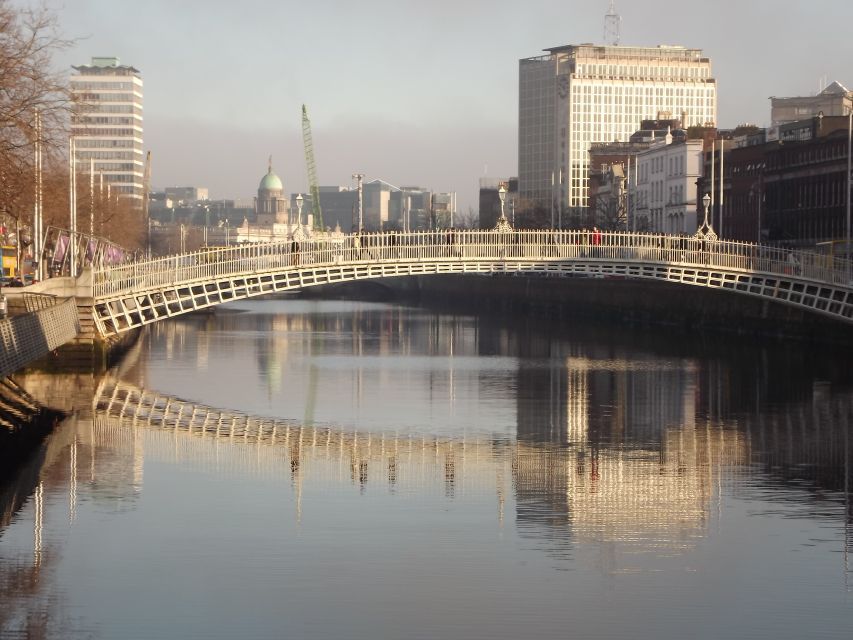
Crossing the Millennium Bridge brings the River Liffey into the center of the experience. This is one of the route’s clearest changes of scene. You move from the older streets south of the river to Dublin’s north side, with the water acting as both a physical crossing and a useful city marker.
The route then passes through the Italian Quarter. This is another place where a guide adds real value. Without context, you might simply see a collection of cafés, restaurants, and city streets. With a guide, the area becomes part of the larger story of Dublin’s changing communities and commercial life.
One of the tour’s more unusual discoveries is a former Lisbon tram now serving as a café. It is the sort of detail that gives the walk personality. You may not build an entire sightseeing plan around it, but you are unlikely to notice it without someone pointing it out.
The Millennium Bridge itself has a playful surprise. Your guide may invite you to feel the bounce of the bridge, a small physical moment that breaks up the historical talk. It is a reminder that this walk uses the city as a living setting rather than treating it like a museum.
St Mary’s Church and the streets of everyday Dublin
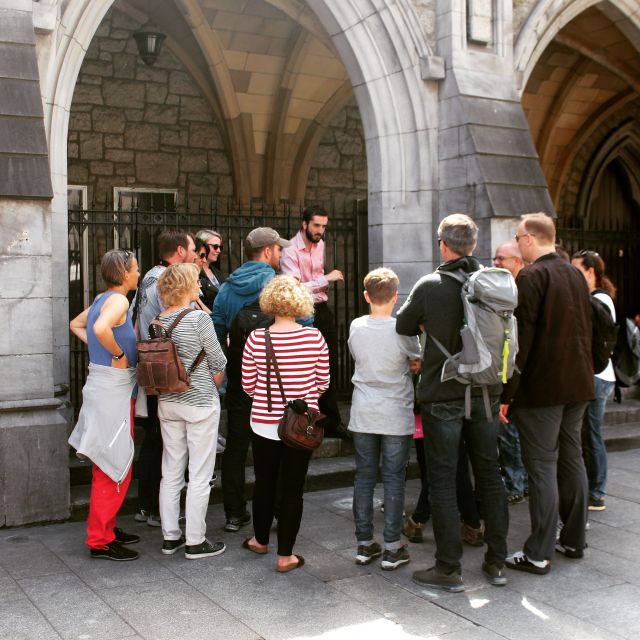
St Mary’s Church is another memorable stop because it is now a café and bar. The building’s present use creates a striking contrast with its earlier purpose. It is a good example of how Dublin reuses old spaces rather than leaving every historic building frozen in time.
The tour then takes you along Henry Street and Moore Street. These streets bring the walk closer to ordinary commerce and daily movement. The history here is not only about grand buildings. It is also about markets, shopping, street life, and the way Dubliners use the center now.
That balance is one of the walk’s strongest features. You get formal landmarks, but you also get odd corners and working streets. I would especially recommend this section if you want your first Dublin tour to feel connected to present-day life.
The guide also shares several small surprises, including an amusing representation of a Leonardo da Vinci painting and a stark naked representation of an 18th-century composer. The details are playful, but they serve a purpose. They keep the tour from becoming a long procession of solemn monuments.
O’Connell Street, the General Post Office, and 1916
O’Connell Street is the grand north-south spine of the route. Here the walk opens up, and the scale of the street makes a strong contrast with the older lanes behind you.
The General Post Office is the key stop. It served as the headquarters of the rebels during the 1916 Rising, and the fighting led to the destruction of the building and much of the surrounding street. This is one of the places where a guide can make a complicated political story easier to follow.
You will also pass the O’Connell Monument. Together, the monument, the broad avenue, and the GPO help explain why this part of Dublin carries such weight in the country’s political memory.
Look closely at the post boxes along the route as well. One represents Ireland’s change toward independence, turning an ordinary piece of street furniture into a small political clue. This is exactly the type of detail that makes a walking tour more useful than a quick pass in a taxi.
If Irish political history is important to you, listen carefully here. The tour does not treat the GPO as just another attractive building. It explains the people and decisions tied to it, which gives the stop much more force.
Trinity College and the former Parliament House
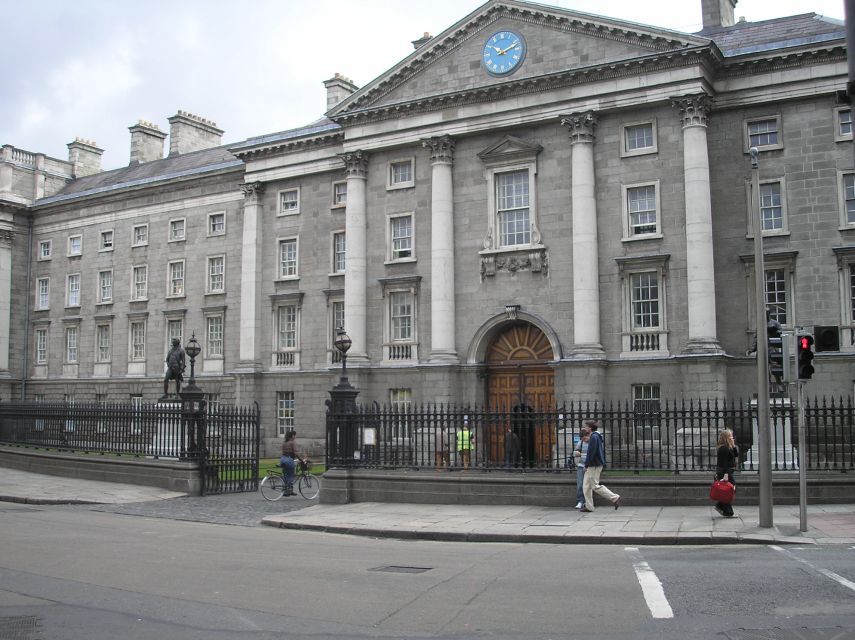
The route finishes around Trinity College, with the famed Book of Kells as the final major reference point. The tour does not include entry, but the ending is well chosen. Trinity is one of Dublin’s essential sights, and you can decide afterward if you want to buy admission and visit the Book of Kells.
Nearby, the former 18th-century Houses of Parliament, now the Bank of Ireland, completes the political thread that began at City Hall and continued through Dublin Castle and the GPO.
The stated route describes the finish outside Trinity College. The meeting information also describes the activity as ending back at the starting point, so I would confirm the exact end location when booking or with the guide on the day. Either way, the route puts you in a useful central area for continuing your sightseeing.
What the guides do best
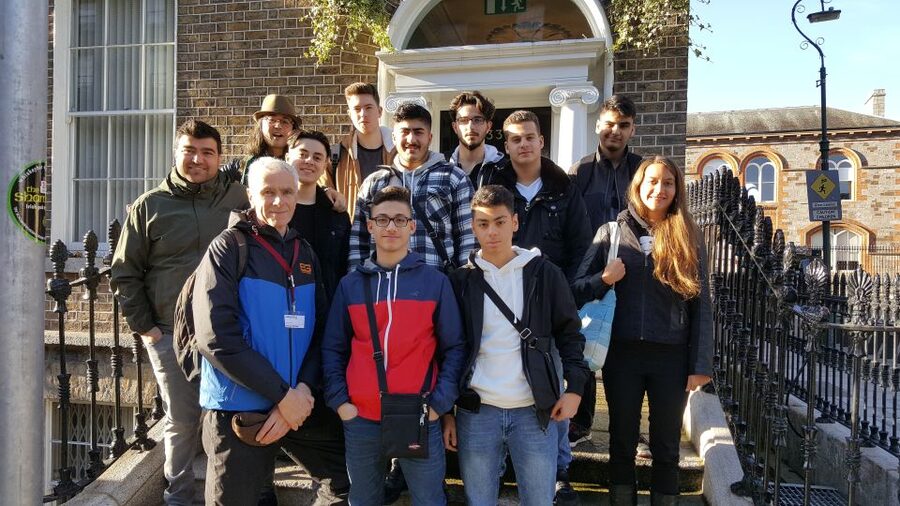
The strongest praise for this experience centers on the guides, and that makes sense. A city walk succeeds or fails on delivery.
Joe Brennan is praised for a well-judged walking pace, strong presentation, and a sense of humor. John O’Flynn is noted for making Dublin’s architectural and political past feel welcoming rather than heavy. Jacob brings clear factual detail, patience with questions, and helpful directions for the rest of your stay.
Katie is especially good for travelers who enjoy practical advice along with history. Her recommendations can help shape the rest of your time in Dublin. Dave is described as friendly, funny, and attentive to the group.
Guide assignments can change, so you cannot book a particular personality with certainty. What you can expect is a professional English-speaking guide who has been trained to combine facts, stories, and local observations.
Pace, group size, and walking comfort
A maximum of 16 people is a useful limit. You can hear the guide more easily than you might in a large group, and there is a better chance to ask a question without holding up a crowd.
The group is often smaller, and extra guides may be added when needed. That matters on narrow streets and at busy landmarks, where a large cluster can make it hard to see or listen.
The pace is described as easy-going, and several guides have been praised for keeping the walk comfortable. Still, one person wanted a slower pace. The route covers both sides of the river and includes many stops, so wear comfortable shoes and tell the guide early if you need more time between points.
At $31 per person, I consider the tour good value if you want a structured first look at central Dublin. You are paying for 2.5 hours of local explanation, route planning, and access to details you may miss alone. It is less compelling if you only want entry into major attractions, since admission is not included and all visits are external.
The price works best for first-time visitors, short stays, and anyone who wants the city’s landmarks tied together by stories instead of viewed as separate stops.
Who should book this Dublin walk?
I would choose this tour if you want:
- A first orientation to central Dublin
- A mix of famous sights and lesser-known details
- A small group rather than a large coach tour
- Stories about architecture, politics, street life, and local characters
- Time afterward to revisit Dublin Castle, Christ Church, the GPO, or Trinity College
- A friendly guide who can suggest ways to use the rest of your stay
I would think twice if you dislike walking, prefer long interior visits, or want a slow photography-focused outing. The route is broad in scope, so the tradeoff is that you see many places without spending a long time at any one of them.
Should you book it?
Book this walk if you want Dublin to make sense quickly. The route covers the city center from Dame Street to Trinity, crosses the Liffey, and mixes major landmarks with details such as the former cinema, the Lisbon tram café, the unusual post box, and the wobbly bridge.
It is particularly useful at the start of a trip. You get bearings, political context, local stories, and a short list of places worth returning to. Just remember that attraction entry is not included, confirm the finishing point, and ask for a slower pace if needed. For $31, it is a sensible introduction to Dublin rather than a substitute for visiting the interiors.
FAQ
How long is the Dublin Highlights and Hidden Corners Walking Tour?
The tour lasts 2.5 hours. Starting times vary, so check availability when booking.
How much does the tour cost?
The price is $31 per person.
Where does the tour begin?
It begins at the Tree of Gold statue, also called Crann an Óir, at Central Plaza on Dame Street, Dublin 2, near the corner of Dame Street and Fownes Street Upper.
Where does the tour finish?
The route description says it finishes outside Trinity College. The meeting information says the activity ends back at the meeting point, so confirm the exact end location when booking.
Is the tour conducted in English?
Yes. It includes a live English-speaking guide.
How large is the group?
The maximum group size is 16 people. Additional guides may be provided when needed.
Are attraction admissions included?
No. The listed visits are external. You may have opportunities to visit attractions afterward on your own.
Is the tour wheelchair accessible?
Yes, the activity is listed as wheelchair accessible.
Can I cancel the booking?
Yes. You can cancel up to 24 hours in advance for a full refund. A reserve now and pay later option is also available.
Just added around Dublin
- Dublin: North Quay Guided Ghost Walk★ 4.2 · 144 reviews
- Dublin: Traditional Pub Walking Tour★ 4.6 · 295 reviews
- Dublin: Macabre History Walking Tour★ 4.9 · 95 reviews
- Dublin: Mythology, Folklore and Legends Walking Tour★ 4.9 · 703 reviews
- Dublin: Traditional Pubs Walking Tour with Local Guide★ 4.9 · 112 reviews
- Dublin: Delicious Walking Food Tour★ 4.9 · 137 reviews
- Dublin: Irish Music Walking Tour with Live Performance★ 4.8 · 137 reviews
- Dublin: Sightseeing Walking Tour in German★ 4.7 · 231 reviews
City Highlights Walking Tours, compared.

Historic Charleston Guided Sightseeing Walking Tour
Read our review →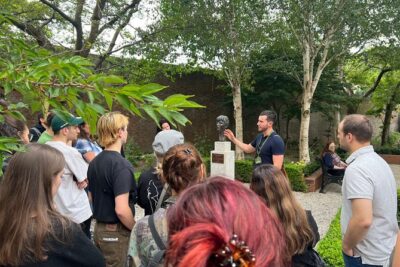
Dublin Highlights and Hidden Gems Guided Walking Tour
Read our review →
Guided Walking Tour of City Center Highlights
Read our review →

City Highlights Temple and Market Walking Tour
Read our review →
Montmartre Hidden Gems and Scenic Highlights Walking Tour
Read our review →
Browse the lists this tour appears in