
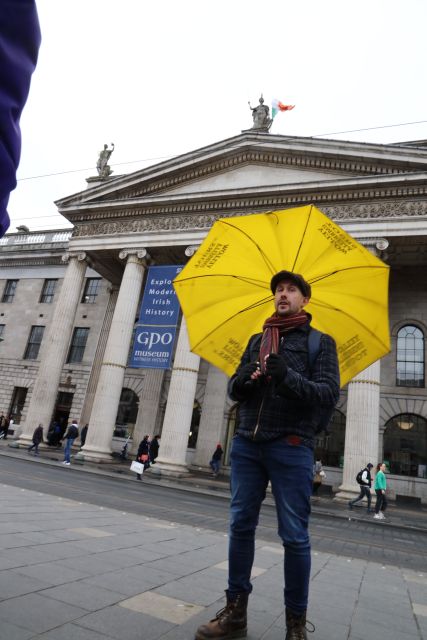
Review · HISTORY WALKING TOURS
Dublin: Macabre History Walking Tour
Dark stories make old streets memorable. Dublin’s Macabre History Walking Tour takes you through lesser-known corners of the city center, using tales of death, crime, disease, and folklore to show a side of Dublin that ordinary sightseeing can miss. I like the mix of grim history and lively storytelling, and I like that the route crosses both sides of the River Liffey instead of staying on the usual tourist path.
The tour costs $19 per person, a fair price for two hours with a live guide. Peter and Rob have both received especially warm praise for their humor, clarity, and dramatic delivery. My one caution is simple: the tour is macabre in theme, but not every story is relentlessly bloody. One person wanted it darker, so horror fans seeking nonstop shock may find the balance more historical than terrifying.
Key points at a glance
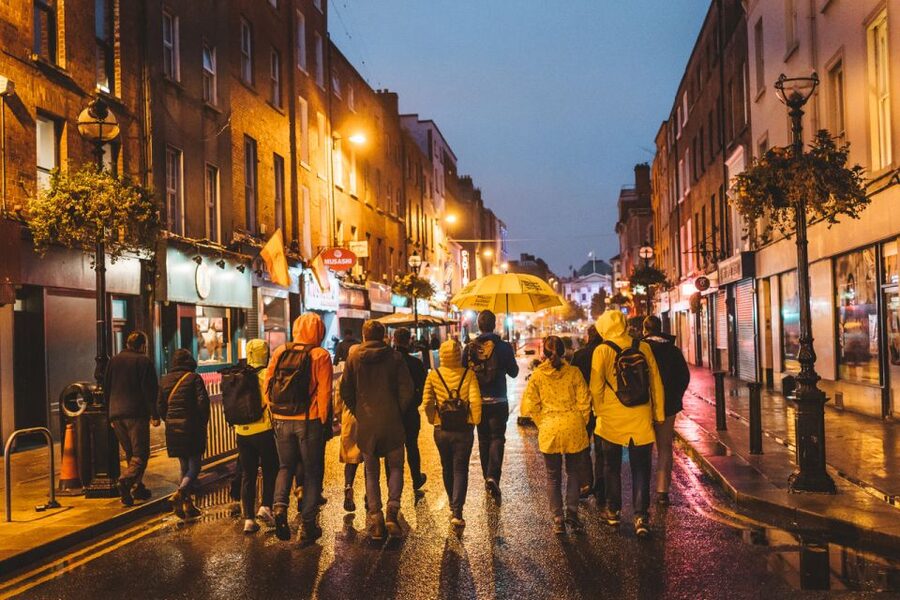
- Meet under the yellow umbrella: Find your guide beside the Spire, the tall needle in the middle of O’Connell Street.
- Cuchulainn’s final moments: Hear the grim tale of the mighty warrior and the raven on his shoulder.
- Dublin’s darker working life: Learn about grave robbing near the city mortuary and old practices linked to disease.
- Back lanes and old walls: The route points out details you could easily walk past without a guide.
- A theatrical guide makes the difference: Peter and Rob are praised for humor, clear explanations, and animated storytelling.
- Ages 18 and over: The subject matter is intended for adults, and the tour lasts about two hours.
Starting beside the Spire on O’Connell Street
The meeting point is easy to locate. You meet beside the Spire, the large needle in the center of O’Connell Street, and look for the yellow umbrella. That clear marker matters in a busy central area, though one person noted that there can be more than one yellow umbrella nearby, so check that you have the correct guide before setting off.
From there, the tour heads into older parts of Dublin. This is a walking experience rather than a stop-and-look photo circuit. You listen, move, pause, and look more closely at places that can seem ordinary until their past is explained.
I like this kind of beginning because O’Connell Street gives you a central starting point without wasting time on hotel pickups. You arrange your own way to the meeting point, then finish back there after the two-hour walk. That makes the tour easy to fit into a day of sightseeing, especially before dinner or another central Dublin activity.
The route is conducted in English with a live guide. The tour is listed as wheelchair accessible, but the supplied information does not give details about surfaces, slopes, or the exact access at every stop. If you use a wheelchair, it is sensible to confirm those practical points before booking.
More History Walking Tours in Dublin
- Dublin Historical Centre Food Tour with 8 Food Tastings & Drinks
★ 5.0 · 1,718 reviews - 2-Hour Historical Walking Tour from Dublin
★ 5.0 · 875 reviews - Historical 2-Hour Guided Walking Tour of Dublin
★ 4.7 · 865 reviews
Cuchulainn, the raven, and Dublin’s older legends
One of the opening highlights is the death of Cuchulainn, the mighty warrior from Irish legend. The story includes his eyes being pecked out by the raven on his shoulder, an image that sets the tone quickly: this is not a standard introduction to Dublin’s grand buildings.
The value here is not only the gruesome detail. You also get a glimpse of how Irish legend, public memory, and city landmarks overlap. A statue connected with Cuchulainn’s death becomes more than an object to photograph. With the story in mind, you can look at it as part of a larger tradition of heroic sacrifice and violent fate.
Peter is particularly good at this sort of material, according to the strong feedback attached to the tour. His delivery is described as passionate, dramatic, and easy to follow. He also takes time to slow down or explain a point when needed, which helps when the subject moves between legend and documented Dublin history.
The guide’s personality is important here. These tales could sound flat if read like a list of dates and names. A guide who acts out the scenes and adds humor gives the walk energy, though the dramatic style may not suit someone who prefers a quiet, academic lecture.
Grave robbing beside the city mortuary
The tour then turns toward one of Dublin’s most unsettling trades: grave robbing. You hear about the 19th-century business of stealing bodies near the city mortuary, a subject that connects crime with medicine, poverty, and the handling of the dead.
This is one of the more useful sections because it shows how macabre stories can explain social conditions. Grave robbing was not just a sensational crime story. It reflects a time when bodies had value, desperation could lead people into terrible work, and the city’s institutions existed alongside a less visible trade.
The stop near the mortuary also shows why a walking tour can add something that a bus ride cannot. You are not simply told that Dublin had a grim past. You are brought close to the places associated with it, then given time to connect the setting with the story.
I would expect this part to appeal to anyone who likes crime history, old medical practices, or the less polished side of urban history. If you want a tour focused on architecture, art, or famous literary figures, this subject will feel far removed from the usual Dublin highlights.
Medieval quarantine and mummified corpses
Near the old city walls, the stories turn to medieval quarantines and mummified corpses. These subjects give the walk a wider reach than murder tales alone. Disease, death, burial, and public fear shaped how Dublin functioned, and the tour uses those themes to bring the old city into view.
The quarantine material is especially relevant because it shows how communities responded when illness threatened daily life. You are not only hearing about individual victims. You are hearing about the rules, fears, and practical pressures that affected the whole city.
The mention of mummified corpses adds a strong visual element, though the provided details do not specify exactly how they are presented or whether you enter a building. You should expect stories connected to places around the old walls rather than a museum visit or an indoor exhibition.
This is also where the route can feel more atmospheric than a typical sightseeing walk. You may find yourself looking at walls, alleys, and church surroundings in a different way. The setting does much of the work, while the guide supplies the missing context.
More History Walking Tours in Ireland
- Dublin’s Haunted History Walking Tour
★ 4.3 · 345 reviews - Cork: Guided Historical Walking Tour
★ 4.7 · 310 reviews - Galway: Dark History Guided City Walking Tour
★ 4.8 · 236 reviews - Kilkenny: Historical and Hysterical Guided City Walking Tour
★ 5.0 · 126 reviews
The legless serial killer and man-eating rats
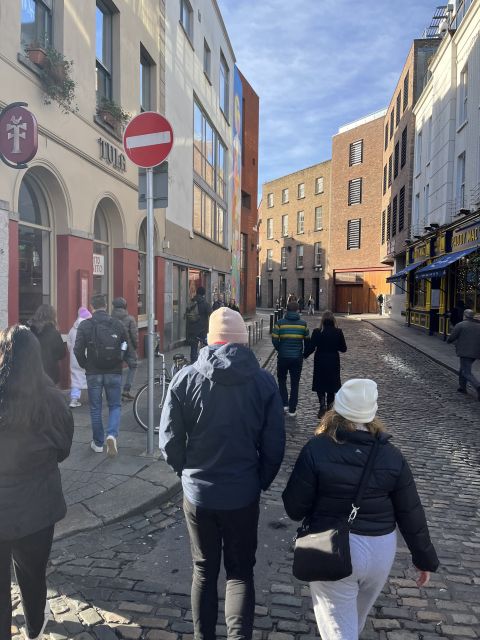
Close to the old city walls, you hear stories of a legless serial killer and man-eating rats. These are the tour’s most startling hooks, and they are likely to appeal to anyone who enjoys strange criminal cases and dark urban folklore.
The important thing is to keep your expectations measured. The information supplied does not explain every detail of these stories, and it does not promise graphic reenactments or special effects. The experience depends on spoken storytelling, location, and imagination.
That can be a strength. A good guide lets you picture the scene without turning the walk into a haunted-house attraction. Peter is praised for making the stories vivid and entertaining, while Rob is also described as funny and engaging. Their style seems to favor a blend of fact, local lore, and playful presentation.
One useful detail comes from the tour’s own balance: one person enjoyed it but felt it was not quite macabre or bloody enough. I would take that as a helpful warning. If you like unusual history with jokes and theatrical delivery, the tone should work well. If you want a full horror experience, you may want something more intense.
Public executions and Dublin’s brothel keeper
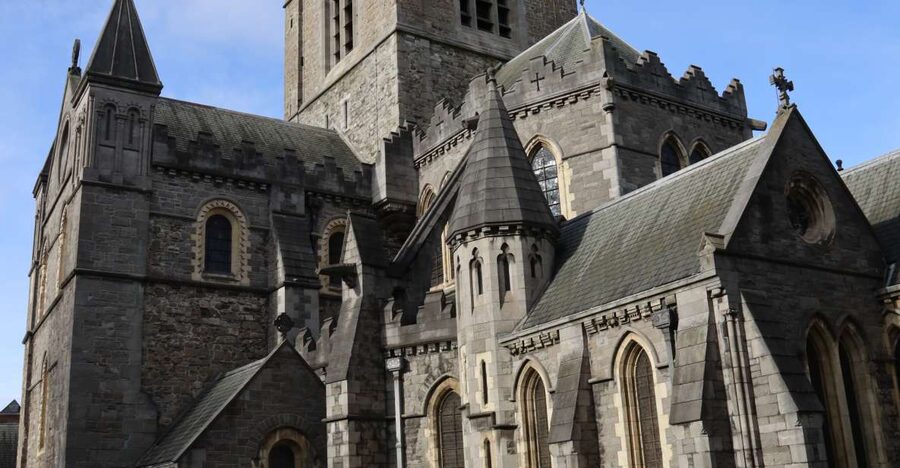
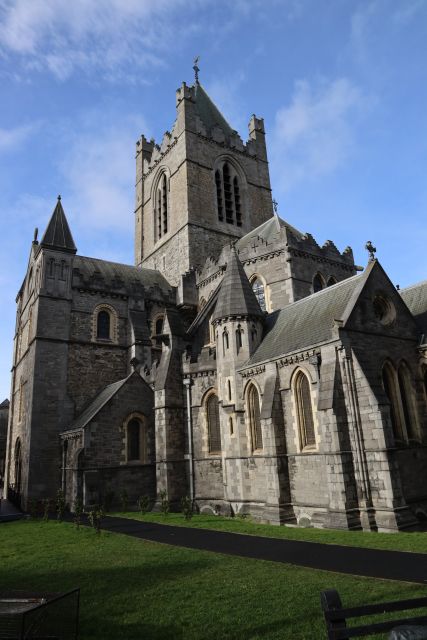
The final part of the walk takes you beside the cathedral, where you hear about Dublin’s most famous brothel keeper and her death by fire at the stake. Public executions are another major theme, adding a stark look at punishment and spectacle in the old city.
This closing section sounds designed to leave you with a memorable story rather than a tidy historical conclusion. A brothel keeper’s life and death bring together crime, sexuality, public judgment, and the harsh penalties of the period. The cathedral setting gives the tale an especially striking backdrop.
The tour’s treatment of public executions also broadens the idea of macabre history. The subject is not only murderers and corpses. It is also the way authorities displayed punishment and the way crowds consumed it as public entertainment.
I appreciate that the walk ends back at the starting point rather than leaving you on an unfamiliar street. You can continue into central Dublin, grab a meal, or head to another appointment without arranging transport back across the city.
Why the guide matters more than the route
The route includes strong material, but the guide is the main reason to book. Peter is repeatedly praised for his storytelling, humor, patience, and passion for Dublin. He answers questions, explains unfamiliar points clearly, and adjusts his pace when someone needs more time.
Rob also receives praise for his history knowledge, personable manner, and entertaining delivery. One small group even felt like a private experience, while another solo participant found the tour a good way to learn about Dublin without needing companions.
Group size can vary. Several people happened to be in groups of only three or even on their own with the guide, but that should not be treated as a guarantee. A smaller group can make it easier to ask questions and hear every detail. A larger group may feel less personal, especially on busy central streets.
The guide’s approach mixes serious material with humor. That makes two hours pass quickly, but it also means the tone is not solemn throughout. You should expect an animated walking performance with historical explanation, not a formal lecture.
What $19 buys you in practical terms
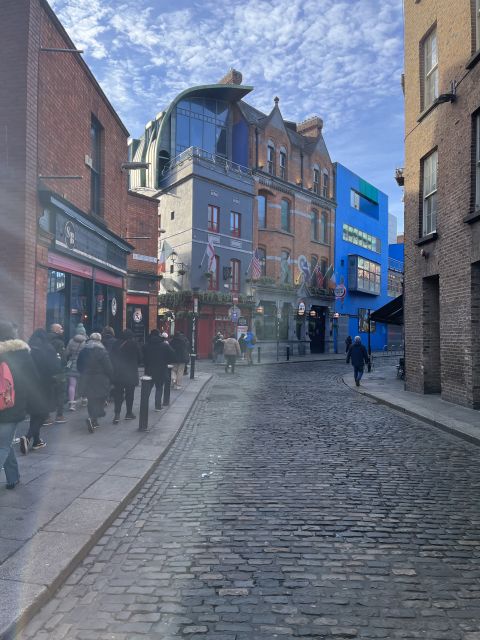
At $19 per person, this is a reasonably priced way to spend two hours in central Dublin. You receive the walking tour and a live English-speaking guide. Hotel pickup, drop-off, food, and drinks are not included, so you need to reach O’Connell Street yourself and plan anything you want afterward.
I see the value in the route’s use of ordinary streets. You are paying for interpretation, not admission to a major attraction. The guide helps you notice places you might otherwise pass without a second look, which can make the experience useful early in your Dublin visit.
It also works well for repeat visitors. The tour focuses on lesser-known stories and back streets rather than only the city’s most familiar sights. If you have already seen the main landmarks, this gives you a different way to read the center.
You can cancel up to 24 hours before the tour for a full refund, and you can reserve now while paying later. Starting times vary, so check availability for the date you want. The experience lasts two hours, which is long enough for several stories without taking over your entire day.
Who should book this Dublin walk?
I would choose this tour if you enjoy:
- Dark folklore, crime stories, and unusual local history
- Guides who perform stories with humor and drama
- Exploring central streets beyond the standard sightseeing route
- Asking questions and learning through conversation
- A compact activity that fits easily into a Dublin itinerary
- Adult-focused tours with a macabre theme
It is also a good choice for solo visitors. The central meeting point is simple, and the walking format gives you an easy way to learn about the city without planning a complicated day.
I would think twice if you are traveling with children under 18, since the tour is not suitable for them. I would also choose another activity if you want a gentle family walk, a detailed architectural tour, or a consistently frightening ghost experience.
The tone matters. The stories include murder, disease, executions, grave robbing, and corpses, but the delivery also includes jokes and lighter moments. You get dark Dublin with personality, not two straight hours of horror.
Should you book the Macabre History Walking Tour?
Book it if you want Dublin’s old center explained through its stranger, sadder, and more unsettling stories. At $19, the price is sensible, the central meeting point is convenient, and the two-hour length is easy to fit into a busy visit.
The strongest reason to go is the guide. Peter and Rob bring energy to material that could otherwise feel like a list of grisly facts. Just keep your expectations in check: this is historical storytelling with macabre themes, not a blood-soaked fright show. For most adults who like unusual city walks, that balance is exactly what makes it appealing.
FAQ
Where does the Dublin Macabre History Walking Tour start?
It starts beside the Spire, the large needle in the middle of O’Connell Street. Look for the yellow umbrella.
Where does the tour finish?
The tour ends back at the same meeting point beside the Spire.
How long does the walking tour last?
The tour lasts two hours. Starting times vary, so check availability for your preferred date.
What language is the tour conducted in?
The live tour guide speaks English, and English is the listed tour language.
What is included in the price?
The price includes the walking tour and a guide.
Is hotel pickup included?
No. Hotel pickup and drop-off are not included, so you must make your own way to O’Connell Street.
Is the tour suitable for children?
No. The activity is not suitable for children under 18.
Is the walking tour wheelchair accessible?
Yes, the activity is listed as wheelchair accessible. The available information does not provide detailed access notes for every part of the route.
Can I cancel for a refund?
Yes. You can cancel up to 24 hours in advance for a full refund. You can also reserve your place and pay later.
Just added around Dublin
- Dublin: North Quay Guided Ghost Walk★ 4.2 · 144 reviews
- Dublin: Traditional Pub Walking Tour★ 4.6 · 295 reviews
- Dublin: Mythology, Folklore and Legends Walking Tour★ 4.9 · 703 reviews
- Dublin: Traditional Pubs Walking Tour with Local Guide★ 4.9 · 112 reviews
- Dublin: Delicious Walking Food Tour★ 4.9 · 137 reviews
- Dublin: Irish Music Walking Tour with Live Performance★ 4.8 · 137 reviews
- Dublin: Highlights and Hidden Corners Walking Tour★ 4.8 · 79 reviews
- Dublin: Sightseeing Walking Tour in German★ 4.7 · 231 reviews
History Walking Tours, compared.
History and Hauntings of Salem Guided Walking Tour
Read our review →

Freedom Trail History Small Group Walking Tour
Read our review →
Historic Charleston Guided Sightseeing Walking Tour
Read our review →
Tapas Walking Tour with Food, Wine, and History
Read our review →
Savannah History and Haunts Candlelit Ghost Walking Tour
Read our review →
A History of Terror – Belfast City Centre Walking Tour
Read our review →Browse the lists this tour appears in