
Review · OLD TOWN WALKING TOURS
Cagliari: Walking Tour of the Old City
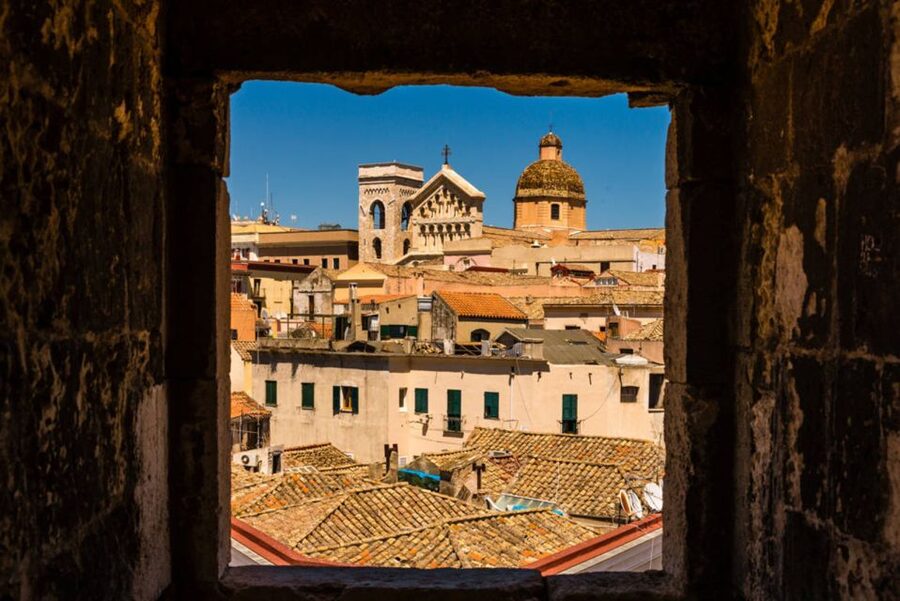
Cagliari’s oldest quarter rewards slow walking. This guided outing leads you through Castello’s narrow lanes, medieval towers, bastions, royal palace, and cathedral while placing the city’s long story in context. I like the mix of great viewpoints and local history, especially the broad views toward Molentargius Park, the sea, and the Devil’s Saddle. The main thing to consider is the terrain: steps, climbs, and uneven streets make this a poor choice for wheelchair users or anyone with limited mobility.
You can choose a two, two-and-a-half, three, or four-hour option, with an underground version available depending on the booking. The guides are a major part of the appeal. Valentina, Ilenia, Silvia, Maggie, and Roberto have all received praise for clear explanations, friendly personalities, strong English, and a relaxed pace. The tour runs in English and Italian, so some English-speaking visitors may prefer to confirm how the language will be handled before booking.
Key points at a glance
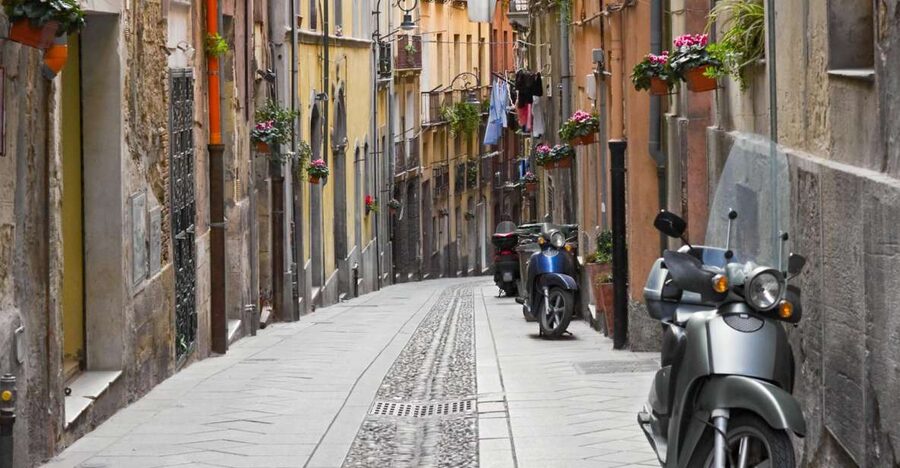
- Castello from the inside out: Walk the old district’s tight streets, fortified walls, towers, churches, and grand civic buildings.
- Views that explain the city: Look across Cagliari, the sea, Molentargius Park, and the Devil’s Saddle from elevated points in the old quarter.
- A history lesson with place attached: Connect the Phoenician settlement of Karalis, Roman rule, and later foreign dominations to buildings you can see today.
- Several tour lengths: Pick a shorter two-hour outing or allow up to four hours for a broader walk and possible underground visit.
- Strong guide-led experience: Guides such as Maggie, Silvia, Valentina, Ilenia, and Roberto are praised for warmth, humor, timing, and clear English.
- A few practical limits: Expect climbs and steps, cathedral dress rules, a two-person minimum, and a meeting point that changes with the option selected.
Why Cagliari’s Castello district works so well on foot
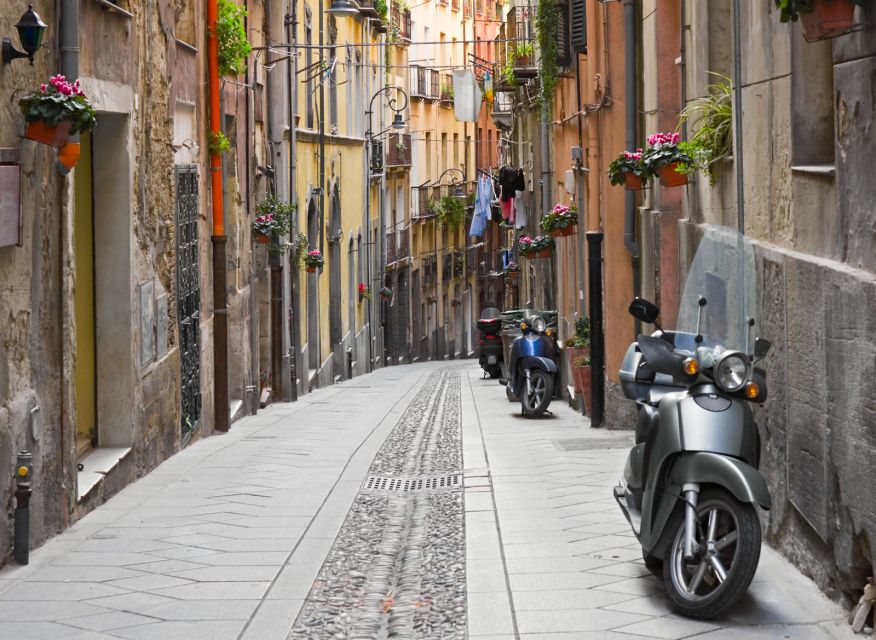
Cagliari is easiest to understand from Castello, the old fortified quarter above the lower parts of the city. Its narrow streets and high walls are not just pretty scenery. They show how the city was shaped by defense, trade, religion, and outside rule.
The settlement reaches back to the Phoenician Karalis, with roots linked to a site occupied as far back as the third millennium B.C. Under Roman rule, Cagliari became the capital of Sardinia. Later centuries brought different foreign powers, and Castello still carries signs of those changes in its buildings and defensive works.
I like tours here that connect the view in front of you with the story behind it. A tower is not just an old stone structure. A bastion is not merely a photo stop. With a good guide, you begin to see why the quarter sits where it does and how its position above the sea helped shape its past.
The walking route also gives you a feel for the old district’s scale. The streets can be tight and winding, with sudden openings toward the water or the lower city. You are not simply moving from one landmark to another. You are getting a sense of how daily life fits into an old fortress quarter.
More Old Town Walking Tours in Italy:
- Rome Food Tour in the Historic Centre with 8+ Food Tastings
★ 5.0 · 1,000 reviews - Genoa: 2-Hour Guided Walking Tour of the Historical Center
★ 4.2 · 605 reviews - Naples: Old Town Guided Walking Tour
★ 4.8 · 553 reviews
Entering the narrow lanes of Castello
The walk begins at a meeting point that depends on the option selected, so check the booking details carefully before setting out. Once you meet the guide, the route takes you into Castello’s old streets, where the city feels far removed from a standard modern grid.
The lanes are one of the tour’s best features. They give you the physical experience of the district rather than presenting it as a list of dates and names. You may find yourself moving through passages that feel intimate, then reaching a wider space with a sudden view across the city.
This is also where a guide can add useful context. The old quarter has been shaped by several outside dominations, and the buildings do not all belong to one period or one style. A local guide can point out those changes as you go, helping you read the district instead of simply photographing it.
The pace appears to be one of the tour’s strengths. Several guides have been praised for allowing time to look inside churches and for keeping the walk relaxed even when covering a great deal. That matters in Castello, where rushing through the lanes would miss much of the atmosphere.
Towers, bastions, and the fortress above the sea
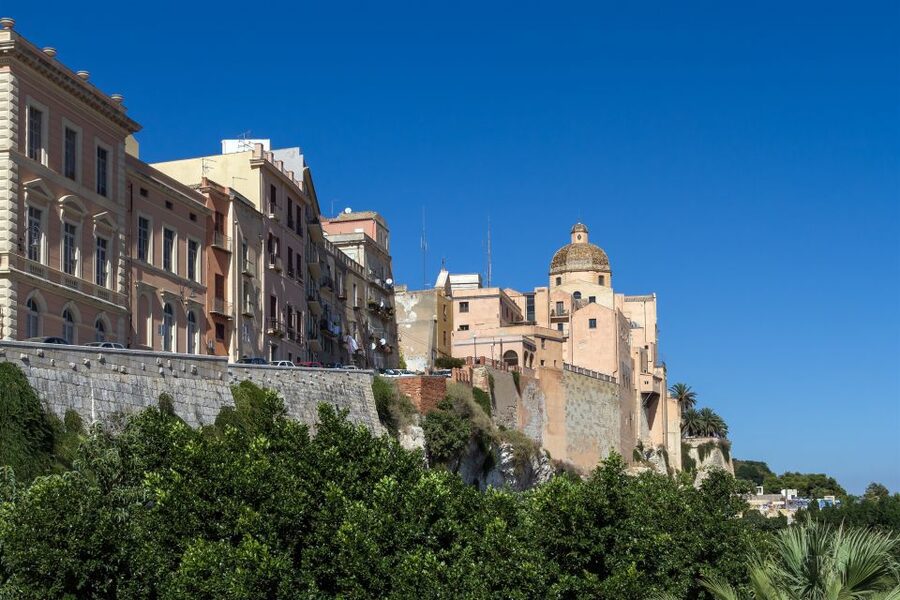
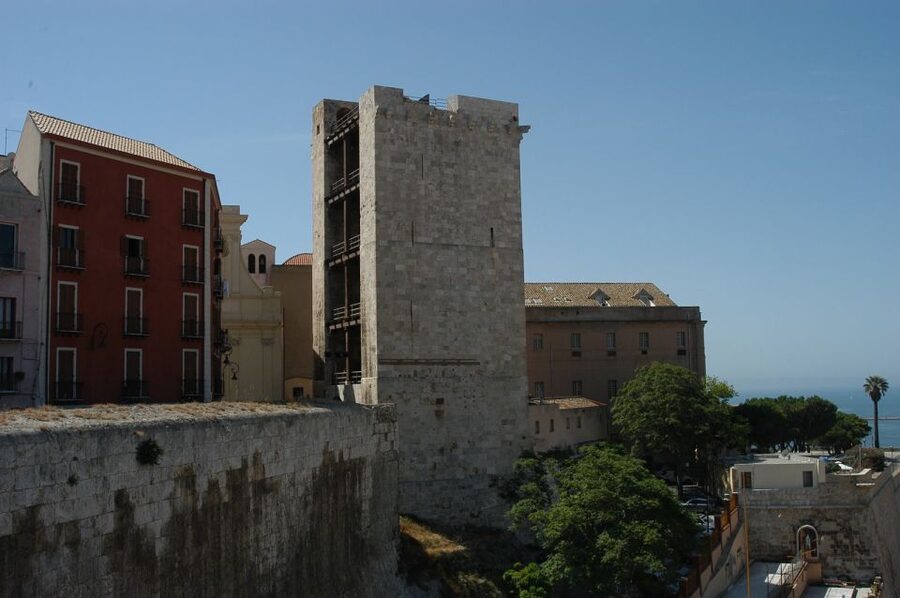
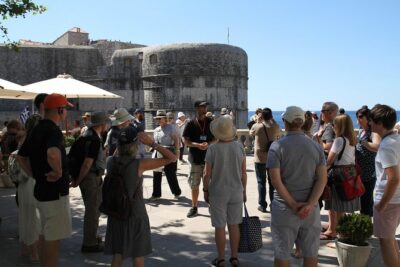
Medieval towers and bastions form the backbone of the route. These structures help explain why Castello was built as a fortified quarter facing the sea, and they give the walk a strong sense of place.
You will also pass the royal palace and the cathedral. The royal palace adds a political layer to the story, while the cathedral brings together religion, architecture, and the long changes that affected Cagliari. The route does not treat the quarter as a museum frozen in time. Instead, it shows how military, civic, and religious buildings sit close together in the same compact district.
The cathedral is an important stop, but you should plan your clothing with it in mind. Proper attire is required to enter. The guide may allow time to look inside churches, but the amount of interior time can depend on the pace, the selected tour length, and conditions on the day.
I appreciate that this is not presented as a walk made only for architecture specialists. The guides are praised for making the subject accessible, with Silvia noted for her background in Italian cultural history and a good sense of humor. That kind of delivery helps when a city’s past includes many names, rulers, and centuries.
Panoramas toward Molentargius Park and the Devil’s Saddle
Castello’s high position gives the tour its most memorable visual moments. From panoramic points, you can look across the city and out toward the sea. You can also see Molentargius Park and the Devil’s Saddle, two landmarks that help you understand the wider setting around Cagliari.
These viewpoints are valuable because they give the history a geographic frame. After walking through tight lanes and fortified passages, you suddenly see how the old quarter relates to the coast and the surrounding parts of the city.
A later departure can be worth considering. One visitor took an afternoon tour that ended with cooler temperatures and a sunset, while the narrow roads had less traffic at that time. The exact light and conditions will vary, but the point is useful: Cagliari can feel more comfortable later in the day, particularly during warm weather.
Morning tours may suit you if you want to use the rest of the day for other sights. Afternoon tours may be better if you prefer cooler air and softer views. The activity offers both morning and afternoon options, though starting times depend on availability.
A few more walks around Italy worth a look
- Venice: Doge’s Palace and St Mark’s Basilica Walking Tour
★ 4.4 · 6,291 reviews - Milan: Guided Walking Tour & Last Supper Visit with Ticket
★ 4.7 · 5,409 reviews - Naples: Street Food Walking Tour with Local Guide
★ 4.9 · 4,976 reviews - Florence: Highlights Walking Tour with Expert Guide
★ 4.6 · 4,662 reviews
Choosing between two and four hours
The shortest option lasts two hours. That should suit you if you want a focused introduction to Castello without committing most of a morning or afternoon. It is also a sensible choice if you have limited time in Cagliari and mainly want the old quarter, its story, and the principal views.
The two-and-a-half and three-hour options give the guide more room. You can expect a less hurried visit, with more time for explanations, church interiors, photographs, and questions. A longer walk is especially useful if this is your first visit and you want advice about other places to see in Cagliari or elsewhere in Sardinia.
The four-hour choice is for you if you prefer a fuller visit. One person reported walking with the guide for more than four hours and feeling that the time passed quickly. Another described the walking and underground portions with Maggie as very thorough and well paced.
The available choices also include an underground tour option. The supplied details do not specify exactly which underground sites are included in every version, so check the selected option before paying. Do not assume that a standard walking ticket automatically includes the underground portion.
Longer does not always mean better. If you dislike extended walks, have trouble with hills, or are visiting in strong heat, two hours may be enough. If you want the guide to explain the city rather than simply point out buildings, three or four hours offer better value.
How much value do you get for $25?
At $25 per person, this is a reasonably priced way to get oriented in one of Sardinia’s most historic cities. The value comes less from admission tickets and more from the guide’s interpretation, route planning, and ability to connect separate sights into one story.
You are paying for a local guide, not just a marked route through the old town. That distinction matters in Castello, where the history can otherwise feel scattered. The walk covers medieval defenses, the royal palace, the cathedral, churches, panoramic points, and the wider story of Phoenician, Roman, and later rule.
The price becomes stronger if you choose the longer option and make good use of the guide’s local advice. Clare appreciated receiving suggestions for other places to visit in Cagliari and across Sardinia. That sort of practical conversation can help you plan the rest of your stay.
A Sardinian snack is included only if you select the appropriate option. I would not choose the tour solely for the food, since the central value is the walk and the guide. But it can be a pleasant extra if you want a small taste of the island included.
The private group option may be worth considering if you want a more personal pace or have specific questions. The standard language arrangement is English and Italian, and the tour requires at least two people per booking. If you are alone, confirm that the chosen option works for your plans.
The guides make the difference
The clearest pattern in the feedback is the importance of the guide. Valentina is praised for bringing Cagliari’s layers of history to life. Ilenia is described as energetic, respectful, and able to keep a walk of more than four hours engaging.
Silvia is noted for her university background in Italian cultural history, excellent English, and subtle humor. Maggie receives repeated praise for a relaxed pace, flexibility, and strong coverage of the old town. Roberto’s presentation is described as informative, interesting, and fun.
That range of comments gives you a useful picture of the experience. The tour is not dependent on a single scripted performance. Different guides bring different personalities, but the qualities you want are consistent: clear explanations, friendliness, time for questions, and an ability to adjust the pace.
There is one minor warning. One person felt the tour started late. That may have been an isolated timing issue, but it is worth allowing a little flexibility around the start, especially if you have a train, cruise departure, restaurant booking, or another timed activity afterward.
Who should book this walk?
I would point this tour toward first-time visitors to Cagliari who want a clear introduction before exploring alone. It is also a good choice for anyone who enjoys old streets, city views, churches, defensive architecture, and stories tied to specific places.
History fans will get plenty to work with, from the Phoenician origins of Karalis through the Roman period and later foreign dominations. You do not need specialist knowledge. The route is designed to make the city understandable as you walk.
The activity suits couples, families with older children, and small groups who can manage steps and uphill streets. A private group option gives you more control over the feel of the outing.
It is not suitable for wheelchair users, people with mobility impairments, or people with visual impairments. The climbs, steps, and narrow streets are central to the route rather than minor obstacles. If you need an accessible visit, this is not the right format.
Practical timing, clothing, and cancellation advice
You can book a morning or afternoon departure, with total duration ranging from two to four hours. I would select the time based on the season and your energy. A later walk may bring cooler temperatures and sunset views, while a morning outing leaves more room for other plans.
Wear comfortable shoes and expect a route that includes climbs and steps. The old district’s character depends on its historic streets, so you should not expect a flat, smooth promenade.
Dress appropriately for the cathedral interior. Proper attire is required, and the guide may include time to enter churches during the walk.
The activity is offered in English and Italian, and the tour itself runs in both languages. A private group is available. You can cancel up to 24 hours before the start for a full refund, and the reserve-now, pay-later option lets you hold a place without paying immediately.
Should you book the Cagliari Old City walk?
Book it if you want more than a quick photo stop in Castello. The combination of narrow streets, medieval defenses, cathedral and palace views, broad city panoramas, and a guide who can explain the layers of Cagliari makes $25 a fair price.
Choose the longer option if history and questions matter to you, or if you want the underground portion and a slower pace. Choose two hours if you are short on time or prefer a lighter introduction.
Skip it if stairs and hills will make the outing uncomfortable, or if you need a strictly English-only tour and do not want to share the guide’s attention with Italian. For most mobile visitors who want to understand Cagliari before exploring on their own, this is a useful and personable start.
FAQ
How long does the Cagliari Old City walking tour last?
You can choose an option lasting two, two-and-a-half, three, or four hours. Check availability for the current starting times.
What language is the tour offered in?
The tour is offered in English and Italian, and the walk runs in both languages.
Is the tour private?
A private group option is available. The activity also requires a minimum of two people per booking.
Does the tour include the cathedral?
The route passes the cathedral, and the guide may allow time to look inside. Proper attire is required to enter the cathedral.
Is a Sardinian snack included?
A Sardinian snack is included only when you select the option that includes it.
Where does the tour meet?
The meeting point changes depending on the option you book. Check the details for your selected option before setting out.
Is the tour suitable for wheelchair users?
No. The tour is not suitable for wheelchair users, people with mobility impairments, or people with visual impairments.
Can I cancel for a refund?
Yes. You can cancel up to 24 hours in advance for a full refund.
Just added around Italy
- Bergamo: Digital guide made by a local for your walking tour★ 5.0 · 184 reviews
- Full Day Tour by Car and Walking among the Apulian Beauties★ 4.5 · 182 reviews
- The Original Street Food Walking Tour in Bari★ 4.5 · 226 reviews
- Bari Walking City Tour★ 4.5 · 511 reviews
- Bari: Street Food Walking Tour with a Local Guide★ 5.0 · 160 reviews
- Bari Walking Tour with Pasta Experience★ 4.5 · 270 reviews
- Assisi Private Walking Tour including St. Francis Basilica★ 5.0 · 124 reviews
- Private St. Francis Basilica of Assisi and City Walking Tour★ 5.0 · 114 reviews
Old Town Walking Tours, compared.
Underground Vaults Walking Tour in Edinburgh Old Town
Read our review →
3-Hour Walking Tour of Old Town & Prague Castle
Read our review →
Old Town and Jewish Quarter Guided Walking Tour
Read our review →
Cartagena: Historic Center and Getsemaní Shared Walking Tour
Read our review →Browse the lists this tour appears in