
Review · HISTORY WALKING TOURS
Florence: Fashion History Guided Walking Tour & Museum Visit
Fashion tells Florence’s story beautifully. This 90-minute walk links medieval wealth, elegant streets, famous Italian labels, and the Salvatore Ferragamo Museum in one compact outing. I like the way it connects clothing with the city’s rise as a major European trading power, and I also like that the tour uses Florence itself as part of the exhibit, with cobbled lanes, grand squares, and luxury boutiques along the route.
The strongest part is the guide. Ivan receives especially warm praise for his storytelling, local lore, and ability to answer questions about brands from Ferragamo and Gucci to Prada, Armani, Moschino, Valentino, and Versace. Francesca is also described as kind and clear. The main point to check before paying is the museum visit: the published details name the Ferragamo Museum, while some tour accounts describe a Gucci museum visit instead. Confirm the exact stop for your date.
Key points at a glance
- Florence’s cloth trade made the city wealthy: The tour explains how fine fabrics helped Florence grow from a small medieval settlement into a powerful city-state.
- The streets are part of the lesson: You walk through historic squares and lanes lined with fashion houses, boutiques, and palaces.
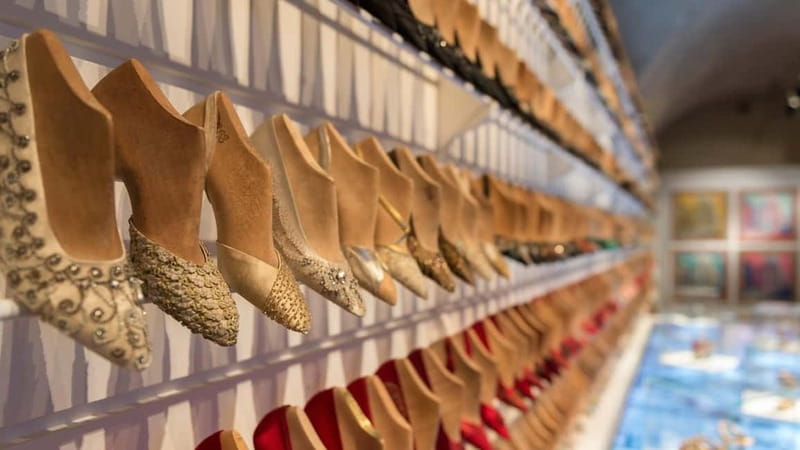
- Ferragamo gets a dedicated visit: The listed museum portion lasts about 40 minutes and takes place inside the Palazzo Spini Feroni.
- The guide makes or breaks the experience: Ivan is praised for fashion expertise, local history, humor, and storytelling. Francesca also receives strong praise.
- The tour covers more than one label: Expect discussion of Enrico Coveri, Roberto Cavalli, Patrizia Pepe, Ferragamo, Gucci, Fendi, Pucci, and many other Italian names.
- It suits curious beginners as well as fashion fans: You do not need a designer wardrobe or specialist background to follow the story.
Why Florence makes a fine fashion classroom
Florence is often introduced through Renaissance painting, sculpture, and churches. Those are good reasons to visit, but this tour adds a useful second layer: the city’s fortunes were built in part on business, trade, and beautiful cloth.
You hear how Florence moved from an unimportant medieval village to one of Europe’s wealthiest city-states through the production and sale of fine fabrics. That context gives the shopping streets more meaning. A polished storefront is no longer just a place to window-shop. It becomes part of a long story about Florentine craft, money, status, and international trade.
The tour also traces how Florentine fashion reached far beyond Tuscany, from Cairo to London and beyond. That wider view matters because Italian fashion did not grow in isolation. Florentine merchants and designers worked within international networks, and the guide uses those connections to explain why the city became a serious name in luxury goods.
I especially like this approach for first-time visitors. You may not remember every designer’s biography, but you will leave with a clearer sense of how commerce shaped the city you are walking through.
More History Walking Tours in Florence:
- History and Hauntings of Salem Guided Walking Tour
★ 5.0 · 14,564 reviews - Lisbon: History, Stories and Lifestyle Walking Tour
★ 4.8 · 10,902 reviews - Boston: Freedom Trail History Small Group Walking Tour
★ 5.0 · 6,450 reviews
Beginning at Via de’ Martelli, 33r
The meeting point is the My Green Tour head office at Via de’ Martelli, 33r, in the center of Florence. This is a practical starting place because the tour begins in the heart of the old city, close to major streets and historic squares.
You meet your guide here, then set off on foot. The walk uses cobbled streets, so wear comfortable shoes. That advice is simple but important. Fashionable footwear may fit the subject, but it will not help much on uneven paving.
The advertised duration is 1.5 hours. That makes this a manageable addition to a day built around museums, churches, or shopping. It is not a full-day fashion study, and you should not expect long stops at every brand or palace. Instead, the guide has to keep the story moving, connecting short street observations with larger historical points.
English and Spanish tours are available. A private group option is also offered, which may appeal to families, couples, or friends who want more room for questions.
Walking through Florence’s fashion streets
The walking section is more than a transfer between the meeting point and the museum. It is where you see how fashion fits into Florence’s physical setting.
As you move through the city, the guide discusses famous houses connected with Florence, including Enrico Coveri, Roberto Cavalli, Patrizia Pepe, and Salvatore Ferragamo. The conversation also reaches wider Italian fashion, with names such as Gucci, Fendi, Pucci, Prada, Armani, Moschino, Valentino, and Versace appearing in the guide’s broader story.
That range is one of the tour’s best features. You are not simply handed a biography of Ferragamo and sent home. You get a quick map of Italian fashion, with Florence as the center point.
The streets provide useful visual reminders. Grand buildings, elegant shopfronts, and old palaces help explain how luxury brands use place and heritage to create an image. Your guide may point out details that you would pass without a second look, then link them to the city’s commercial past.
This is also where a strong guide matters most. Ivan is repeatedly praised for his ability to explain fashion while also answering questions about Florence itself. That combination suits the tour well. You get designer stories, but you also learn about the city’s past and local character.
Francesca is praised for being warm and clear, and for helping visitors see Florence from a different angle. Those comments suggest that the tour works best when the guide treats fashion as a way into the city, not as a list of expensive labels.
Entering Palazzo Spini Feroni and the Ferragamo Museum
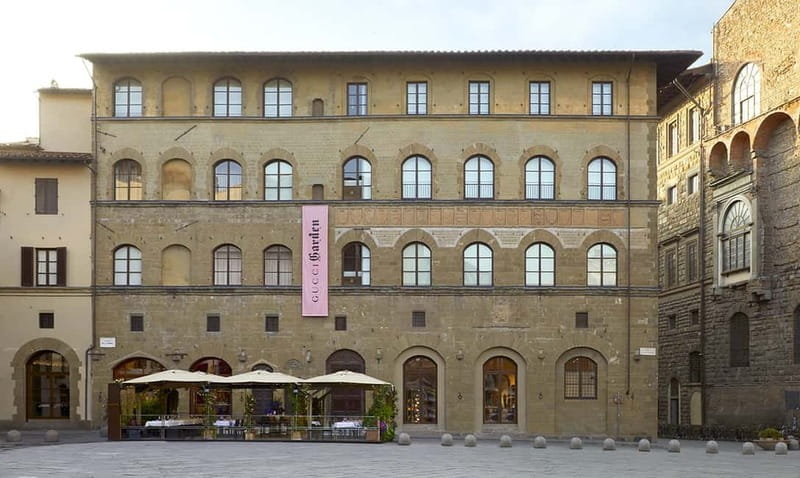
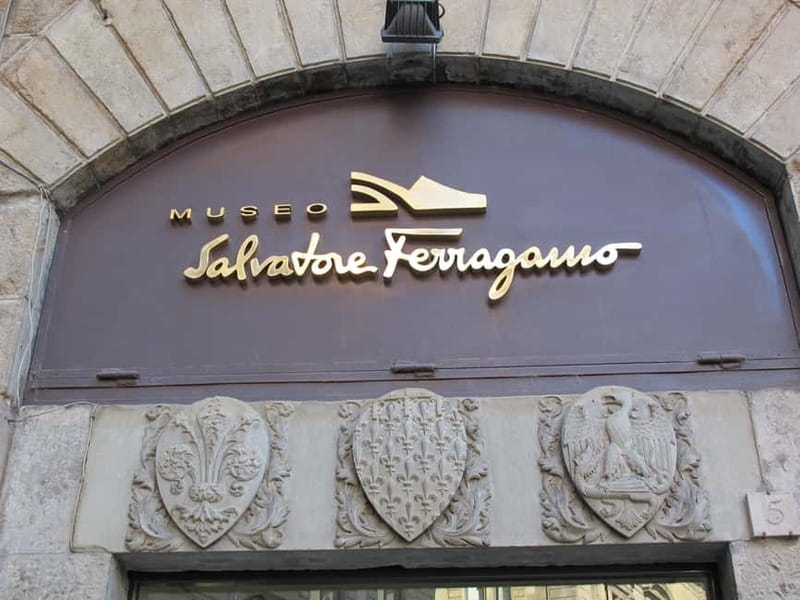
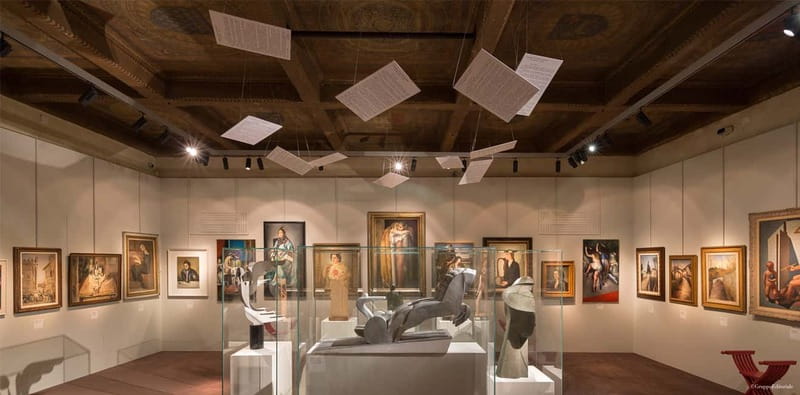
The listed museum stop is the Museo Salvatore Ferragamo, with about 40 minutes for a guided visit. The museum is located in Palazzo Spini Feroni, described as Florence’s oldest palace. That setting gives the final part of the tour a strong sense of place.
Salvatore Ferragamo’s story is a natural fit for Florence. His name brings together design, craftsmanship, international fame, and the practical art of making shoes. Inside the museum, you can expect the focus to shift from the city’s broad fashion story to one important designer and the world built around his work.
The museum portion is valuable because it gives the walking tour a clear destination. On the streets, you hear about Florence’s fashion culture. Inside the palace, you get a more focused look at one major house.
The atmosphere also seems to be part of the appeal. One account points to handwritten thank-you cards from Queen Elizabeth and Princess Diana. Details like these help show how Ferragamo’s work reached royal and international circles. They also add a human touch to an otherwise polished luxury story.
Allow around 40 minutes for the museum, but keep your expectations sensible. This is not advertised as a long, independent museum visit with hours to inspect every display. It is a guided stop within a short walking tour. If you already have a strong interest in Ferragamo, you may want extra time at the museum on another visit, if that is possible with your schedule.
More Museum Visits in Florence:
- Florence: Walking Tour with David, Duomo & Uffizi Gallery
★ 4.7 · 414 reviews - Florence: City Walking Tour and Uffizi Gallery Visit
★ 4.8 · 110 reviews - Acropolis monuments & Parthenon Walking Tour with Optional Acropolis Museum
★ 5.0 · 2,678 reviews - Frida Kahlo VIP [Museum Tickets Included] Walk, Markets & Churros
★ 5.0 · 982 reviews
An important museum detail to confirm
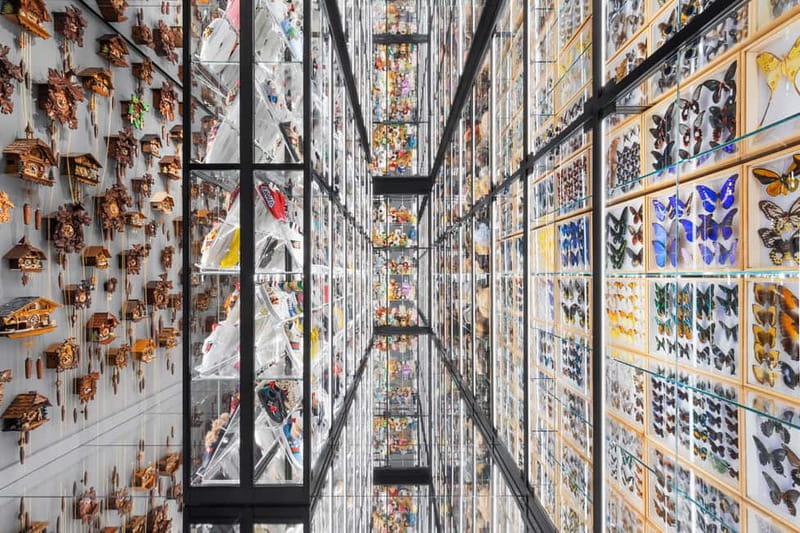
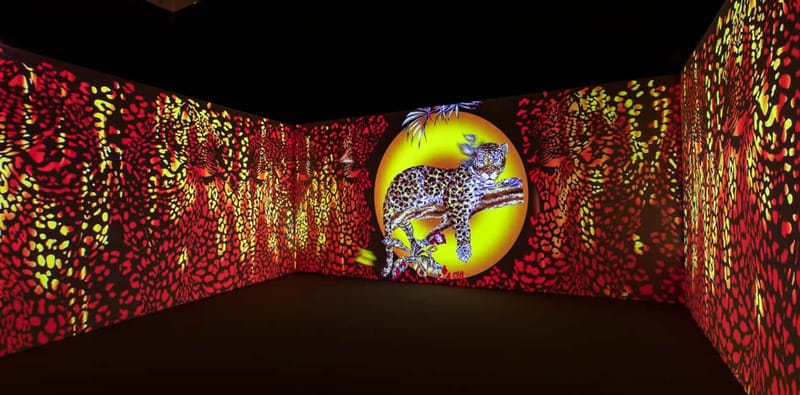
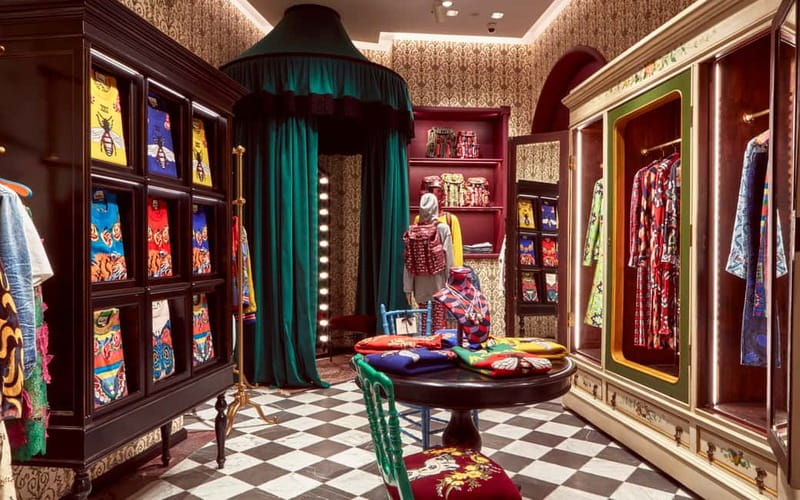
There is a point here that deserves attention before booking. The formal tour details identify the Museo Salvatore Ferragamo as the included museum, but several accounts connected with the experience describe a Gucci Museum, Gucci garden, or Palazzo Gucci instead.
That is not a small distinction. Ferragamo and Gucci tell different stories, and a fashion fan may choose this tour partly because of one particular house.
I would contact the operator, My Green Tour srl, before reserving and ask exactly which museum is included on your chosen date. Ask whether the visit is definitely the Ferragamo Museum and whether the route includes a Gucci site only as an exterior stop. This quick check can prevent disappointment.
The safest reading of the supplied tour details is that the included museum is Ferragamo, with the tour ending back at Via de’ Martelli, 33r. Still, the conflicting descriptions make confirmation wise.
What the guides add to the experience
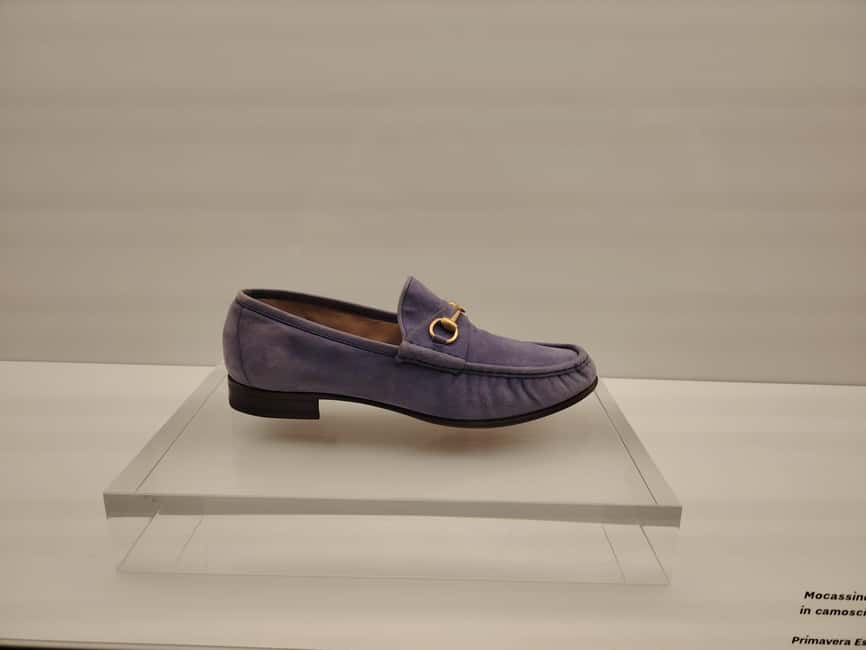
The guide is the tour’s most praised element. Ivan is described as an excellent storyteller with a wide command of Italian fashion and local history. His discussions apparently range well beyond the central museum, covering designers and brands that many people know by name but may not understand in context.
That is useful because fashion tours can easily become a parade of labels. A good guide gives those labels a reason to matter. Ivan’s strength seems to be making the subject social and historical rather than purely commercial. You hear about people, places, changing tastes, and the way luxury brands shape a city’s identity.
His humor and willingness to answer questions also matter. One account praises him for responding to questions about fashion and Florence alike. That flexibility is especially helpful if you are traveling with a teenager or a companion who is less interested in clothing than in the city itself.
A 14-year-old reportedly considered the tour a highlight of the trip. That is a useful clue for families. The subject can work for younger visitors when the guide tells stories instead of giving a formal lecture.
Francesca receives praise for being sweet, well-spoken, and clear. Her approach seems to help visitors understand Florence from a fresh angle. If you have a choice of guide when booking, the information does not suggest that one guide is always available, so treat names as examples rather than a guarantee.
Is $90.74 good value?
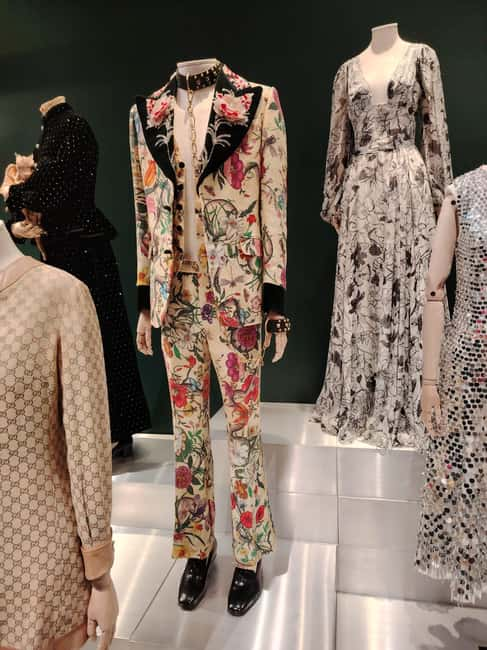
At $90.74 per person, this is not a bargain walking tour. The price needs to be judged against what is included: a guided city walk, a live expert guide, and admission to the Ferragamo Museum.
The value is strongest if you want all three elements in one short experience. Museum admission alone may not give you the city context, while a free walk around Florence will not provide the same focused fashion commentary. You are paying for the connection between the streets, the designers, and the museum.
The tour may feel less worthwhile if you only want to browse shops or if you already know Florence’s fashion story well. It is also a brief experience, so the per-hour cost is fairly high. You should book it for the guide’s interpretation and the museum visit, not simply for the number of streets covered.
A private group option can improve the value for a small party that wants to ask many questions or keep the pace personal. For a solo visitor or a couple on a tight budget, the price deserves more thought.
I would see it as a specialist tour rather than a general introduction to Florence. If fashion, design, luxury brands, or the city’s commercial past interest you, the cost is easier to justify. If your main goal is major art, religious sites, or Renaissance architecture, another Florence tour may give you more for your money.
Who will enjoy this walk most?
I would recommend the experience to:
- Fashion fans who want context behind Italian labels
- First-time visitors who have already seen Florence’s major sights
- Families with teenagers interested in design, brands, or celebrity culture
- Shoppers who want to understand the city behind the storefronts
- Repeat visitors looking for a different angle on Florence
- Anyone who prefers a compact guided experience rather than a long museum visit
It is less suitable if you dislike walking on cobbled streets, want a full day of fashion history, or expect an extensive independent museum visit.
You also need to be comfortable with a fast-moving format. In 90 minutes, the guide must cover medieval Florence, textile trade, major fashion houses, current boutiques, and the museum. That means some subjects will be introduced briefly rather than explored at length.
Practical advice before you go
Wear comfortable shoes. The route runs through old Florence, where paving can be uneven, and the activity is entirely centered on walking between the meeting point and the museum.
Check the starting time when you book because several start times may be available. The tour returns to Via de’ Martelli, 33r, so you can plan your next activity from the same central area.
English and Spanish are the available tour languages. If you need another language, this experience may not be suitable.
The operator allows cancellation up to 24 hours before the activity for a full refund, and you can reserve now while paying later. Those policies are useful if your Florence schedule is still changing, though they should not replace checking the exact museum arrangement.
Most of all, ask about Ferragamo versus Gucci before booking. That one question is more important than any packing tip.
Should you book the Florence fashion tour?
Book it if you want Florence explained through clothing, trade, design, and luxury brands rather than only through paintings and churches. The combination of a central walking route, a strong guide, and a museum visit gives the experience a clear purpose. Ivan’s storytelling receives especially high praise, and Francesca also appears to bring warmth and clarity.
I would not book it blindly at $90.74. Confirm that the included museum is the Ferragamo Museum, decide if the 90-minute format suits you, and make sure fashion is a real interest rather than a passing thought.
For the right visitor, this is a smart way to see Florence from a less familiar angle. You walk away with more than shopping suggestions. You gain a better sense of how cloth, commerce, craftsmanship, and famous names helped shape the city.
FAQ
Where does the Florence fashion tour begin?
The tour begins at the My Green Tour head office at Via de’ Martelli, 33r, in Florence.
Where does the tour end?
The activity ends back at the meeting point on Via de’ Martelli, 33r.
How long does the tour last?
The stated duration is 1.5 hours. The museum portion at the Museo Salvatore Ferragamo lasts about 40 minutes.
Which museum is included?
The formal activity details list the Museo Salvatore Ferragamo. Because some descriptions refer to a Gucci museum instead, confirm the exact museum with My Green Tour before booking.
What languages are available?
The live tour guide is available in English and Spanish.
Is the tour private?
A private group option is available. The activity can also be booked as a regular guided experience.
What should I bring?
Bring comfortable shoes because the tour involves walking through Florence on cobbled streets.
Just added around Florence
- Florence: Heart of Florence Guided Walking Tour★ 4.0 · 81 reviews
- Florence: The Medici Family Guided Walking Tour★ 4.7 · 129 reviews
- Florence: Tuscan Food and Wine Guided Walking Tour★ 4.8 · 72 reviews
- Florence Walking Tour & Skip-the-Line David at Accademia★ 4.7 · 159 reviews
- Florence: Walking Tour with David, Duomo & Uffizi Gallery★ 4.7 · 414 reviews
- Florence: Pitti Palace and Boboli Gardens Walking Tour★ 4.6 · 182 reviews
- Florence: Small Group Guided Walking Tour★ 4.7 · 176 reviews
- Florence Street Food Walking Tour with Wine in Duomo Area★ 4.9 · 76 reviews
History Walking Tours, compared.

History and Hauntings of Salem Guided Walking Tour
Read our review →
Freedom Trail History Small Group Walking Tour
Read our review →
Historic Charleston Guided Sightseeing Walking Tour
Read our review →
Tapas Walking Tour with Food, Wine, and History
Read our review →
Savannah History and Haunts Candlelit Ghost Walking Tour
Read our review →
A History of Terror – Belfast City Centre Walking Tour
Read our review →Browse the lists this tour appears in