
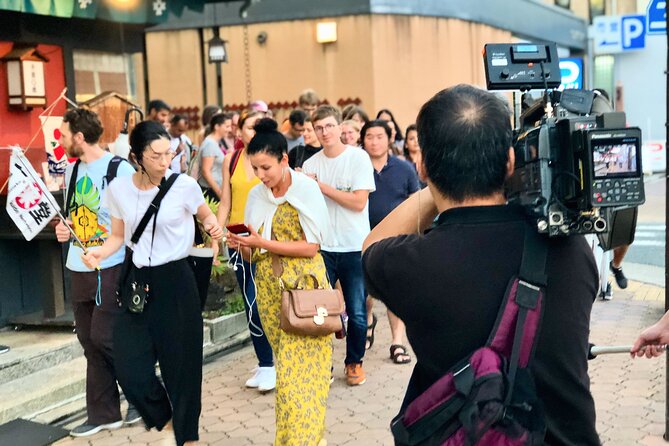
Review · NIGHT WALKING TOURS
Gion Walking Tour by Night
Gion reveals its secrets after sunset. This two-hour walk gives you local guidance through narrow lanes while explaining the difference between geiko, maiko, and the many customs surrounding Kyoto’s traditional entertainment district. I especially like the walk beside the Shirakawa River and the chance to learn about kimono, makeup, hairstyles, training, and tea-house life from an English-speaking guide.
The $19.82 price is fair for a focused introduction to Gion, particularly if this is your first evening in Kyoto. I also like that the route includes places connected with Memoirs of a Geisha. The main caution is group size: the standard tour can reach 20 people, and one booking reported an even larger group, so choose the small-group option if close conversation matters to you.
Key points to know before you book
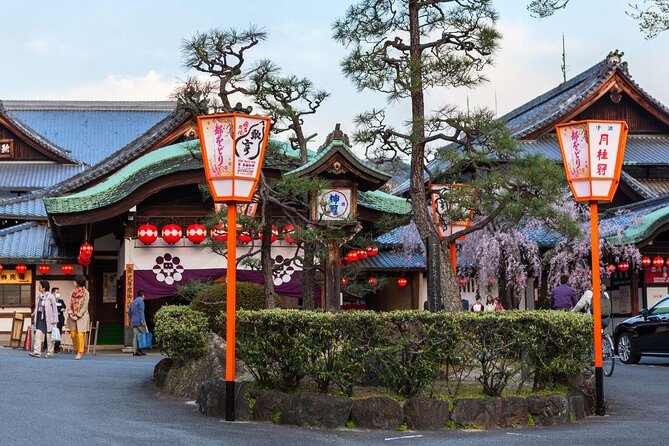
- The tour begins at 5:30 pm: Reception starts at 5:00 pm, and the group cannot wait for late arrivals.
- Shirakawa River is a highlight: Cobblestones, traditional streets, and water-side scenery give this section its classic Gion feel.
- The guide explains geiko and maiko culture: You learn about clothing, makeup, hairstyles, rules, training, and daily life.
- Sightings are possible but not promised: Some tours have seen geiko and maiko heading to evening appointments.
- Groups vary in size: The regular booking allows up to 15 people per booking, while the full activity may reach 20 or more; a small-group upgrade is available.
- The route returns to the start: Transportation, hotel pickup, and drop-off are not included.
Why Gion works best at night
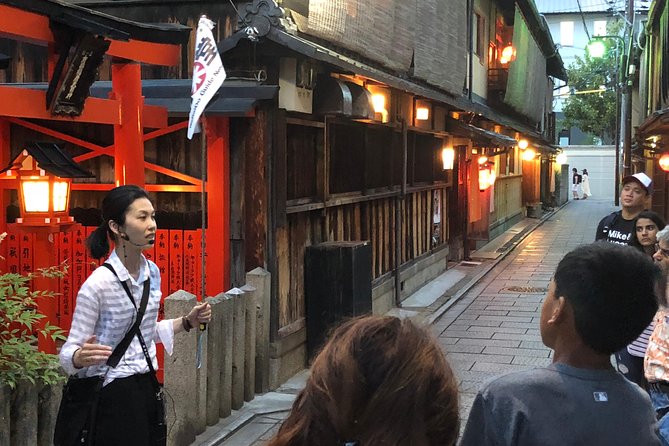
Gion is not a single attraction with a ticket gate. It is a district of lanes, old buildings, small shrines, restaurants, tea houses, and quiet waterways. At night, its narrow streets can be hard to read, especially when several lanes look much alike.
That is where a guide adds real value. You are not simply walking past wooden facades and taking pictures. The guide points out areas that are easy to miss and explains how the district functions. You also get help with Japanese terms, including the difference between geiko, Kyoto’s word for a professional entertainer commonly called a geisha elsewhere, and maiko, an apprentice geiko.
I like this kind of tour because Gion is better understood through small details than grand monuments. A building may look plain from the street, yet its role in the district can be tied to tea-house customs, performer training, or long-standing local rules. Without explanation, much of that passes unnoticed.
The evening departure also suits Kyoto’s sightseeing rhythm. You can spend the earlier part of the day at temples and gardens, then meet near Gion for a slower cultural walk. At roughly two hours, the tour is long enough to give the neighborhood shape without taking over your whole evening.
More Night Walking Tours in Kyoto
- Kyoto: Gion Magical Night Walking Tour with Geisha Trivia
★ 4.9 · 2,393 reviews - Night Walk in Gion: Kyoto’s Geisha District
★ 4.5 · 2,003 reviews - Kyoto Gion Night Walk & Geisha District Guided Tour
★ 5.0 · 786 reviews
Meeting at 178 Tokiwacho
The stated meeting point is 178 Tokiwacho, Higashiyama Ward, and the activity ends back there. It is near public transportation, but you should still allow extra time to find the exact meeting spot.
This tour has a strict start. Reception begins at 5:00 pm, and the walk starts at 5:30 pm. The booking information warns that the group cannot wait for late arrivals or respond to people who miss the departure. One booking problem involved a traveler arriving at an old 6:00 pm time, while the confirmed start was 5:30 pm, so check the current time carefully before setting out.
The practical lesson is simple: arrive during reception, not at the last minute. Gion’s streets can be confusing, and a few spare minutes give you time to locate the guide and group without rushing.
Wear comfortable shoes. The route is a walking tour over approximately two hours, and the district’s cobblestones are less forgiving than a smooth pavement path. A moderate level of physical fitness is expected. Children must be with an adult, and the activity is not recommended for people with serious medical conditions.
Following the Shirakawa River
One of the most attractive parts of the walk is the section beside the Shirakawa River. The stream, stone surfaces, and traditional buildings create the classic image many people associate with old Kyoto.
This is also the part connected with Memoirs of a Geisha. The guide points out areas used during filming and explains how the scenery fits the story’s image of Gion. That film connection may appeal to movie fans, but the setting is worthwhile even if you have never seen the film. The river walk gives you a calm introduction to the district before the route turns into smaller lanes.
Do not expect a movie set preserved for visitors. Gion is a working neighborhood, not a theme park. The appeal comes from seeing ordinary streets that still carry traditional uses and from learning how to look at them respectfully.
The route includes stops for explanations, but the pace can vary with the group and guide. Several strong experiences have been led by guides named Mia, Mai, Mae, and Cheko. Mia is praised for mixing humor with clear explanations, while Cheko is noted for making the history easy to follow. Guide assignments can change, so you should treat those names as examples rather than a promise.
Learning what geiko and maiko actually do
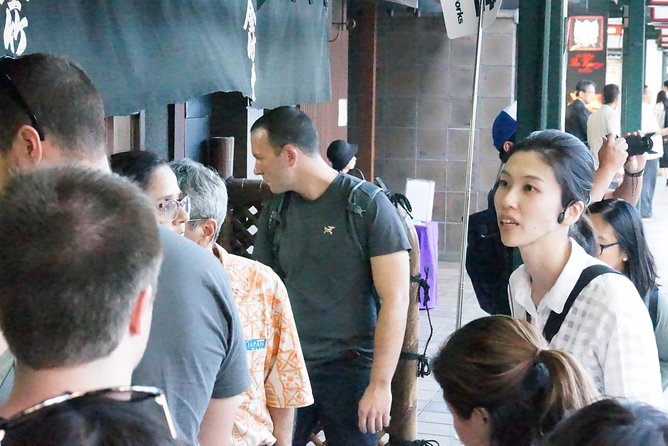
The central subject is not simply how to spot a woman in an elaborate kimono. The guide explains the structure of geiko and maiko life, including training, appearance, etiquette, and the role of the tea house.
You can expect discussion of:
- Traditional kimono and how the clothing differs by stage and role
- Hairstyles and makeup
- Daily life and professional rules
- The education of maiko
- The role of house mothers
- How a tea house operates
- The relationship between geiko, maiko, and their evening appointments
That background matters because the district is easy to misunderstand. A quick photograph tells you very little about the years of practice, discipline, and performance behind the clothing. The better guides also stress respectful behavior, which is important in a residential district where people are commuting to work rather than posing for tourists.
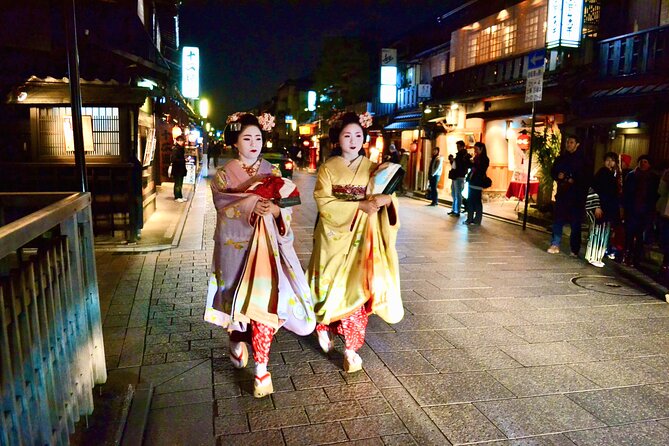
Some groups have seen geiko and maiko walking to evening parties. That can be a memorable moment, but it is never guaranteed. The tour is not sold as a meeting or performance, and you should not book it on the assumption that a sighting will happen.
If you do see someone, the guide’s explanation helps you understand what you are seeing without turning the person into a public attraction. That is one of the more useful features of this walk.
Same streets, a different way to see them:
- Kyoto Geisha Walking Tour: Gion District & Hidden Gems
★ 4.7 · 3,273 reviews - Kyoto: Gion Geisha District Walking Tour – Stories of Geisha
★ 4.7 · 2,187 reviews - Best of Kyoto: Gion, Geisha, Pagodas & Cobblestones
★ 4.9 · 2,058 reviews - Kyoto Gion Geisha District Walking Tour – The Stories of Geisha
★ 5.0 · 1,441 reviews
Narrow lanes and less obvious corners
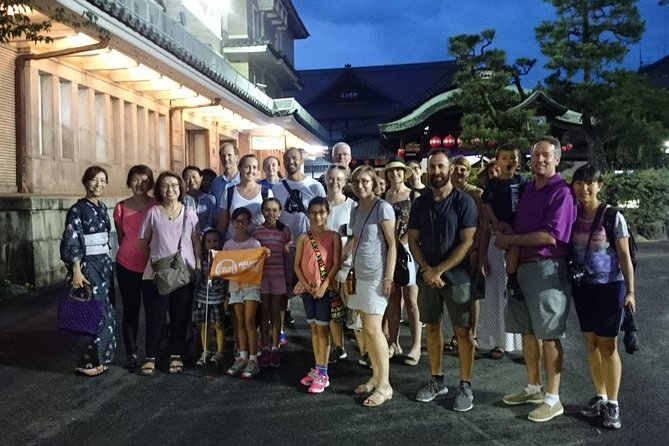
Gion’s main streets are easy enough to find on a map. The smaller lanes are where a guide helps most. The route leads into less obvious parts of the district and points out places that you might walk past without realizing their importance.
The benefit is partly practical. You do not have to spend the evening checking your phone or guessing which turn leads back toward the river. The larger benefit is interpretation. Your guide can connect a quiet lane with the customs, businesses, and social structure of Gion.
This is also where the tour’s limitations become visible. One three-star assessment found the walk too fast and too vague, suggesting that some people may feel they could explore the streets independently. That is a fair criticism. Gion is open to everyone, and you can certainly walk around on your own.
The question is what you want from the evening. If you mainly want photographs and a self-directed stroll, you may not need a guide. If you want context, translation help, and an explanation of geiko and maiko culture, the fee is easier to justify.
Group size, guide quality, and the private option
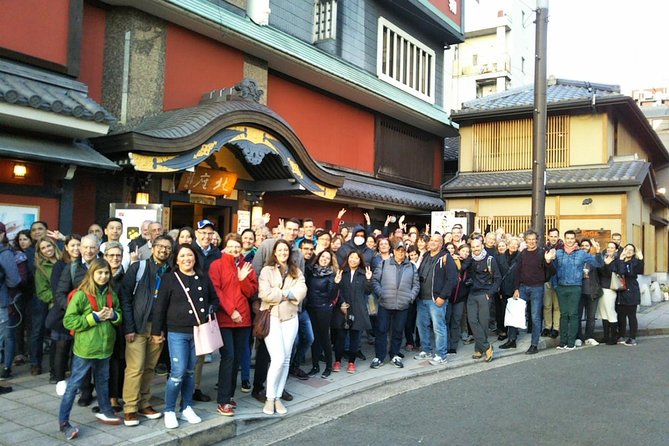
The regular tour is described as a group walk, with up to 15 people per booking and a total activity limit of 20 travelers. The wording around group size can be confusing, and one booking reported a group larger than 20. That is not ideal for a neighborhood where it is easy to lose sight of the guide.
In a large group, stay near the front and keep an ear open during street crossings and lane changes. The guide may need to stop often so everyone can hear. Several groups had a reasonable size and found the experience easier as a result, but you should not assume every departure will feel intimate.
A small-group option is available, with fewer than 12 people guaranteed at a different price. I would consider that upgrade if you care about asking questions, hearing every explanation, or keeping the walk less crowded.
There is also a longer private tour option. That makes sense for visitors with a strong interest in geiko culture, photographers who want more time for explanation, or families who prefer a flexible pace. The standard two-hour walk is better for a first look, while the private choice is aimed at a closer and more personalized experience.
The guides receive the warmest praise for this tour. They are described as friendly, funny, clear in English, and able to answer questions about both Gion and wider Japanese culture. Mia is repeatedly singled out for her humor and understanding of the area. Mai is praised for explaining geiko and maiko life, and Cheko for making the walk engaging and informative.
That consistency is a good sign, though guide quality can never be separated completely from the individual assigned on your date.
Is $19.82 good value?
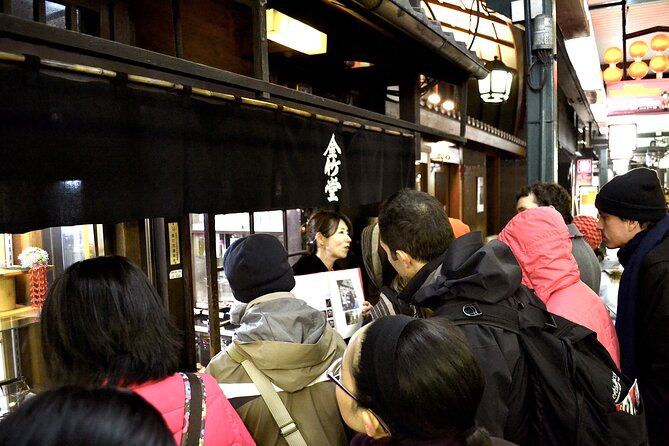
At $19.82 per person, this is an accessible way to add structure to an evening in Kyoto. The price covers the professional English-speaking guide, while transportation, hotel pickup, and drop-off are not included.
I see the value in three areas. First, you get help finding the quieter lanes without wasting time. Second, you receive cultural context that is difficult to gather from a casual walk. Third, you have a better chance of understanding what you see if a geiko or maiko passes by.
The price is less compelling if you already know Gion well, have read extensively about its history, or prefer to wander at your own pace. It is also less attractive if your main goal is a guaranteed geiko sighting, since no sighting is promised.
For most first-time visitors, I think the standard price is reasonable. The small-group upgrade costs more, but it may be the smarter purchase for anyone who dislikes crowded tours. A group discount may also be available, which is useful for families or friends booking together.
Timing, weather, and cancellation
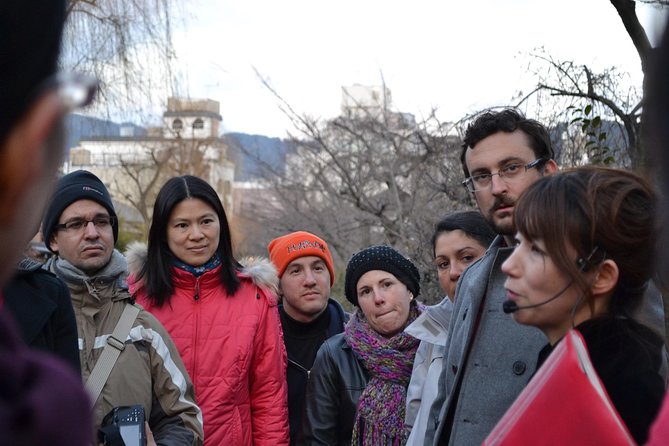
The walk starts at 5:30 pm and lasts about two hours. It requires good weather. If poor weather cancels the activity, you are offered another date or a full refund.
You can cancel for a full refund up to 24 hours before the local start time. Within 24 hours, cancellations and changes are not accepted for a refund. That policy is worth noting because evening plans in Kyoto can shift quickly, especially when rain affects outdoor sightseeing.
The tour ends where it begins, so plan your dinner afterward in Gion or nearby. Since the activity does not include transportation, you are responsible for getting to the meeting point and continuing on after the walk.
Who should book this Gion walk?
I would recommend it to first-time visitors who want an easy introduction to Gion without trying to decode the district alone. It also suits anyone curious about geiko and maiko culture but unsure which information is accurate.
It is a good fit for:
- Couples looking for a cultural evening activity
- Families with older children who can manage two hours of walking
- Film fans interested in Memoirs of a Geisha locations
- Visitors who want an English-speaking guide
- People who enjoy stories, local customs, and street-level history
- Anyone nervous about getting lost in Gion after dark
I would be more cautious if you dislike groups, need a slow pace, or want a private conversation with the guide. In those cases, choose the small-group or private upgrade rather than expecting the standard walk to feel personal.
Should you book the Gion Walking Tour by Night?
Yes, if you want affordable guidance and cultural explanation more than a guaranteed geiko sighting. The river-side scenery, quiet lanes, film locations, and clear discussion of geiko and maiko life make this a useful first evening in Kyoto.
Book the regular tour if $19.82 value and a broad introduction are your priorities. Choose the smaller group if you want to hear every detail and ask questions. Arrive early, confirm the 5:30 pm start, wear comfortable shoes, and treat any geiko or maiko sighting as a fortunate extra, not the product itself.
FAQ
How long is the Gion Walking Tour by Night?
The walking tour lasts approximately two hours.
What time does the tour start?
The tour starts at 5:30 pm. Reception begins at 5:00 pm.
Where does the tour meet?
The meeting point is 178 Tokiwacho, Higashiyama Ward, Kyoto, 605-0079, Japan.
Where does the tour end?
The activity ends back at the meeting point.
Is transportation included?
No. Transportation to and from attractions, along with hotel pickup and drop-off, is not included.
Is the tour conducted in English?
Yes. A professional, English-speaking guide leads the tour.
Are geiko or maiko sightings guaranteed?
No. The tour may pass areas where geiko and maiko are seen, but sightings are not guaranteed.
Can I cancel for a full refund?
Yes. You can receive a full refund if you cancel at least 24 hours before the experience start time. Cancellations within 24 hours are not refunded.
Just added around Kyoto
- Kyoto : Private Custom Walking Tour With A Local Guide★ 4.6 · 144 reviews
- Kyoto: Private 2.5 Hour Historical Walking Tour★ 4.9 · 121 reviews
- Kyoto: Private Walking Tour with a Local★ 4.6 · 118 reviews
- Kyoto: Gion Sunset Walking Tour with Local Guide★ 4.7 · 351 reviews
- Kyoto: Gion Walking Tour★ 5.0 · 195 reviews
- Kyoto: Izakaya Bars Guided Walking Tour★ 4.9 · 815 reviews
- Kyoto Gion Cultural Walk & Geisha Show with Dining Options★ 5.0 · 518 reviews
- Kyoto: Gion Hidden Gems & Geisha Culture Tour★ 4.9 · 126 reviews
Night Walking Tours, compared.

Private Street Food Evening Walking Tour in Ho Chi Minh City
Read our review →
Albaicín and Sacromonte Guided Sunset Walking Tour
Read our review →
Bremen: Walking Tour in German with Night Guard
Read our review →
Ghosts of Charleston Night-Time Walking Tour with Unitarian Church Graveyard
Read our review →
Savannah’s Ghost City “Dead of Night” Walking Night Tour
Read our review →
Gion Magical Night Walking Tour with Geisha Trivia
Read our review →
Browse the lists this tour appears in