
Review · HISTORY WALKING TOURS
Rome: Colosseum and Ancient Rome Guided Walking Tour
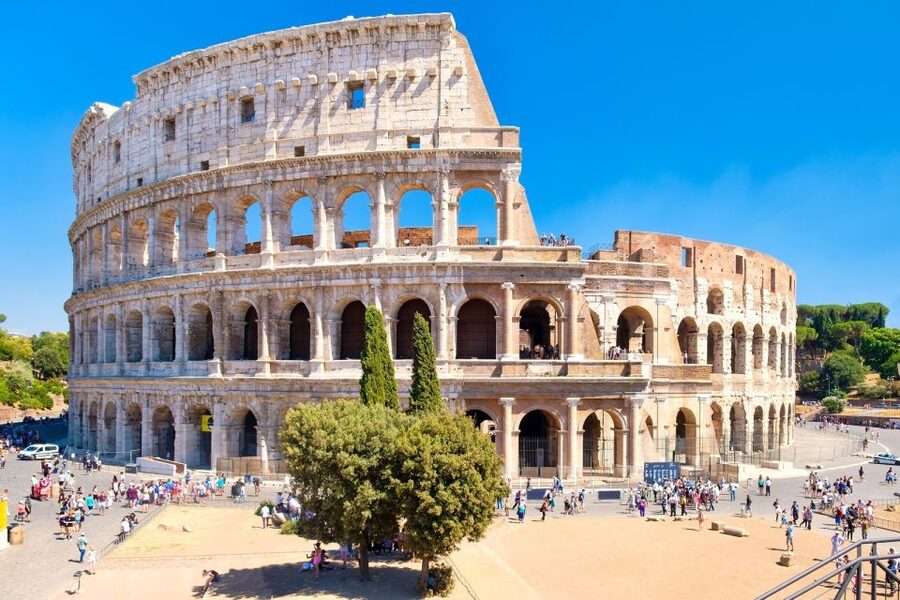
Ancient Rome rewards a good guide. This 2.5-hour walk links the Colosseum, Roman Forum, and Palatine Hill, giving you the major ancient sights in one organized visit. I especially like the live storytelling and the terrace views over Rome. The main drawback is that the advertised duration and listed stop times do not quite match, so confirm your schedule before booking.
At $58 per person, the tour includes admission to all three sites and a headset for the guide. That makes it a practical choice if you want context rather than a silent walk among broken stones. You should also expect plenty of walking, stairs, security screening, and a route that may change order.
Key points to know before you book

- Three major ancient sites in one walk: The Colosseum, Palatine Hill, and Roman Forum are covered together.
- Strong guide-led experience: Guides such as David, Radu, Alessandra, Adriano, and Frederica have been praised for clear explanations, humor, and patience.
- Panoramic Palatine Hill stop: The terrace offers broad views across Rome and the surrounding ruins.
- Skip the ticket line, not security: You still pass through a metal detector, and busy days can bring a wait.
- Bring sturdy shoes and identification: Large bags, luggage, selfie sticks, drones, and several other items are not allowed.
- Best for active visitors: The route is not suitable for wheelchair users or people with mobility impairments.
Why this three-site tour works well in Rome
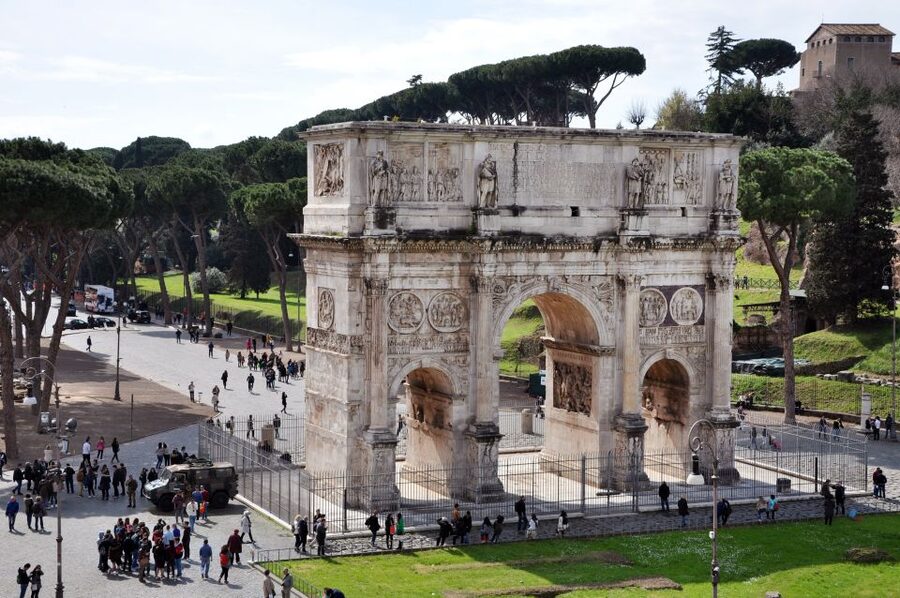
Rome’s ancient center can feel confusing at first. You see arches, foundations, columns, and fragments everywhere, but it is not always clear what each piece once did. This tour gives you a running explanation as you move from the arena to the political center and then to the hill where emperors lived.
I like that the route covers three places that belong together. The Colosseum supplies the drama. Palatine Hill gives you the setting of imperial power and the best high view. The Roman Forum shows where public, political, and religious life once unfolded.
A guide also helps separate fact from popular movie fiction. Radu, for example, was praised for correcting myths about gladiator contests while keeping the talk lively. That sort of explanation is useful here because the Colosseum is familiar as an image, but its real story is much broader than combat in an arena.
The experience is conducted in English, Spanish, German, or French. Headsets are provided, which matters in a busy archaeological area where you may need to spread out from the guide to see a monument or take photographs.
More History Walking Tours in Rome
- Rome Food Tour in the Historic Centre with 8+ Food Tastings
★ 5.0 · 1,000 reviews - Rome: Forbidden History Walking Tour & Pub Crawl with Drinks
★ 4.9 · 688 reviews - Ancient Rome Guided Walking Tour: Colosseum, Forum and Palatine
★ 4.5 · 455 reviews
Meeting near Largo Gaetana Agnesi
The listed meeting area is at Largo Gaetana Agnesi, but the exact meeting point can vary with the option you book. Follow the booking instructions closely, and arrive early. One person had trouble finding the meeting place, while another arrived late and was helped by the guide, but you should not count on either outcome.
The meeting time can shift slightly, and you should receive notice if that happens. Keep your phone available before the tour. Staff at the meeting area organize the group, provide directions, and explain any change to the order of the sites.
This is not a private walk. The information provided does not give a fixed group size, so you should expect a shared tour with other participants. The headset helps, but staying near the guide remains wise, especially when crossing open areas or moving through crowded entrances.
Entering the Colosseum for 75 minutes
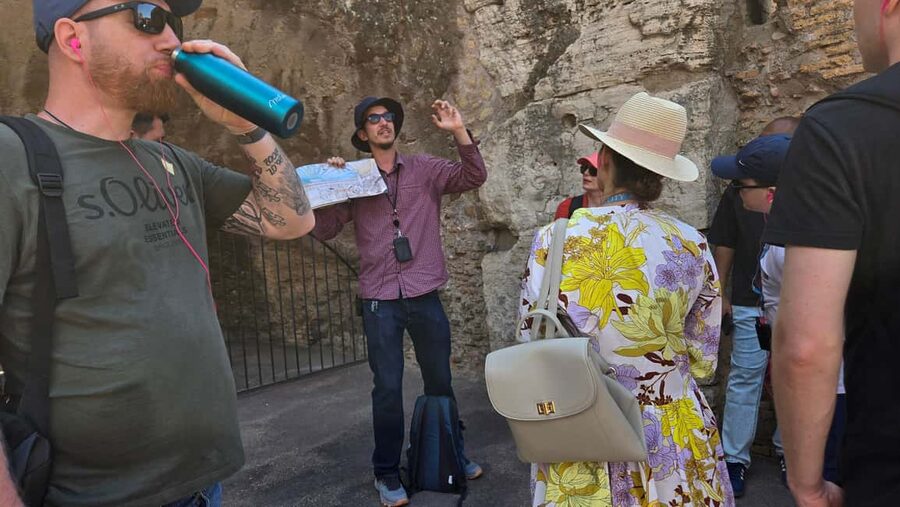
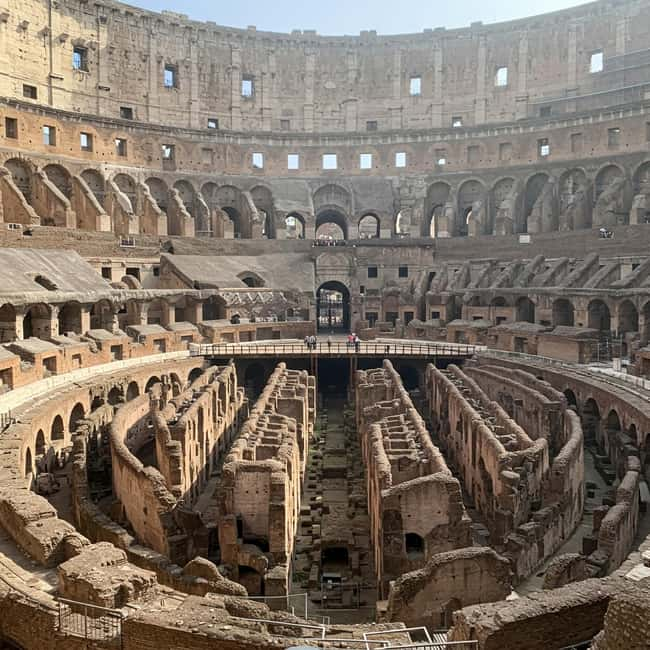
The Colosseum is the natural headline attraction, and the tour gives it the largest single block of time. Inside, the guide explains how the amphitheater worked and helps you read the structure beyond its famous outer walls.
The visit includes the first floor, where you can look into the arena space and imagine the scale of the original audience. The view is powerful, but the building can be hard to understand without help. Your guide can point out the relationship between the seating, arena, and supporting areas while you look at the surviving stonework.
This is where the live commentary earns its keep. Guides have been praised for making the arena feel less like a pile of ruins and more like a working public venue. One guide described the spectators so vividly that the visitor felt part of the ancient crowd. Others used dry humor and simple explanations to make complicated points easier to remember.
Expect some standing while the guide talks, followed by short periods to look around and take pictures. Several guides are praised for allowing time at important points instead of rushing everyone onward. Still, the Colosseum is only one part of the route, so this is not a slow, highly specialized architectural tour.
The phrase skip the ticket line needs a little explanation. It means you avoid the regular ticket-purchase queue, but you must still pass through metal detector security. On busy days, that screening can create a line. Large bags and luggage are not allowed, and selfie sticks, drones, sharp objects, glass items, sprays, alcohol, and drugs are also prohibited.
Palatine Hill and its wide Roman views
From the Colosseum, the group goes up Palatine Hill, though the order can change. The hill is tied to Roman emperors and elite residences, so this part shifts the story from public spectacle to imperial power.
The ruins can be difficult to picture on your own. Walls may look modest today, yet the guide can explain how they fit into larger palaces and ceremonial spaces. Arian received praise for using before-and-after images of the Palatine and Colosseum, an especially helpful method in a place where much of the original height and decoration has vanished.
The Palatine Hill Terrace is one of the tour’s best pauses. From above, you get a broad view of Rome’s ruins and a better sense of how the ancient center was arranged. I value this stop because it gives you a moment to step back from individual stones and understand the scale of the whole area.
You also get a short break at key points, depending on the guide. Sandra specifically appreciated having time to explore and take in each place while the guide kept the group safe and organized. That balance matters. A tour can become tiring when every minute is filled with speech, so brief pauses make the long walk easier.
The hill does require walking over uneven ground and changing levels. Comfortable shoes are essential. If you dislike stairs or have difficulty walking for several hours, this is not the right excursion.
Same streets, a different way to see them:
- Rome: Guided Food Walking Tour with Wine in Trastevere
★ 4.9 · 3,105 reviews - Rome: Trastevere & Campo de Fiori Street Food Walking Tour
★ 4.9 · 2,768 reviews - Rome: Paranormal Night Walking Tour & Secret Backstreets
★ 4.9 · 1,921 reviews - Rome: Colosseum Arena, Roman Forum & Palatine Hill Tour
★ 4.5 · 1,874 reviews
The Roman Forum, ancient Rome’s public center
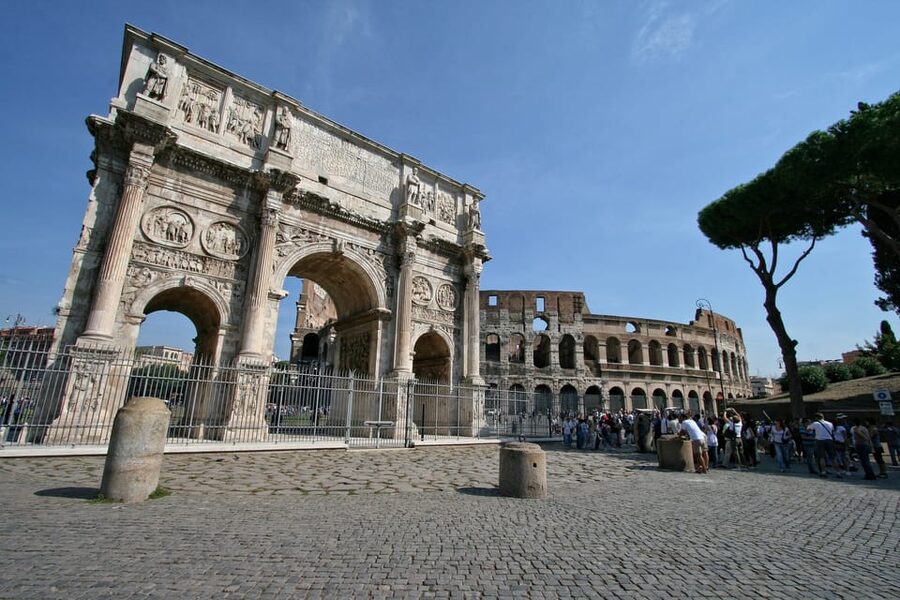
The route continues down to the Roman Forum, described as the heart of ancient Rome. Here you move among the remains of public buildings, temples, meeting places, and ceremonial spaces.
The Forum needs more explanation than the Colosseum. Its scattered ruins do not announce their purpose, and several structures can look alike at first glance. A good guide connects the remains to the people and events that shaped Roman public life.
This is also where the tour’s storytelling style matters most. Guides have explained political life, Roman customs, and everyday details in ways that help you picture the area when it was active. Their humor keeps the information from becoming a list of dates and names.
The walking route can be tiring by this point. The listed time for the Forum is 45 minutes, and the Palatine Hill stop is also listed as 45 minutes. The Colosseum is listed at 75 minutes, with an additional 20-minute guided portion at the start. Those segments total more than the stated 2.5-hour duration, so I would treat the published times as approximate and check the actual start and end time before arranging dinner or another reservation.
The final drop-off is listed at the Roman Forum on Via della Salara Vecchia. The exact finish may depend on the route order. You should not assume you will end at the same place where you began.
Guides who make the difference
The strongest part of this experience is the human one. Several guides have been singled out for combining clear facts with personality.
David is repeatedly praised for humor, direct explanations, and a lively style. He answered questions, offered tips for dinner and other activities, and kept people engaged through the ancient sites. Radu received similar praise for energy, wit, and his ability to explain the past without making the visit feel like a lecture.
Alessandra was appreciated for patience and careful explanations of art and monuments. Frederica kept people occupied during access queues by sharing extra information about Rome. Eni was praised for giving an overview, taking questions, and allowing short breaks. Adriano and Alec were also noted for holding attention with a mix of facts and humor.
These comments point to a useful truth about guided sightseeing: the same route can feel very different depending on the person leading it. The available guide languages are clear, but the individual assigned to your group cannot be selected from the information provided. You should book for the structure and content of the tour, while treating a particular guide as a pleasant bonus.
One practical point is accent and clarity. Almost all the feedback praises communication, but one visitor found an Italian accent difficult to understand at times. That is not unusual in Italy, and the headset should help, but you may want to stand close enough to hear clearly.
Is $58 a fair price?
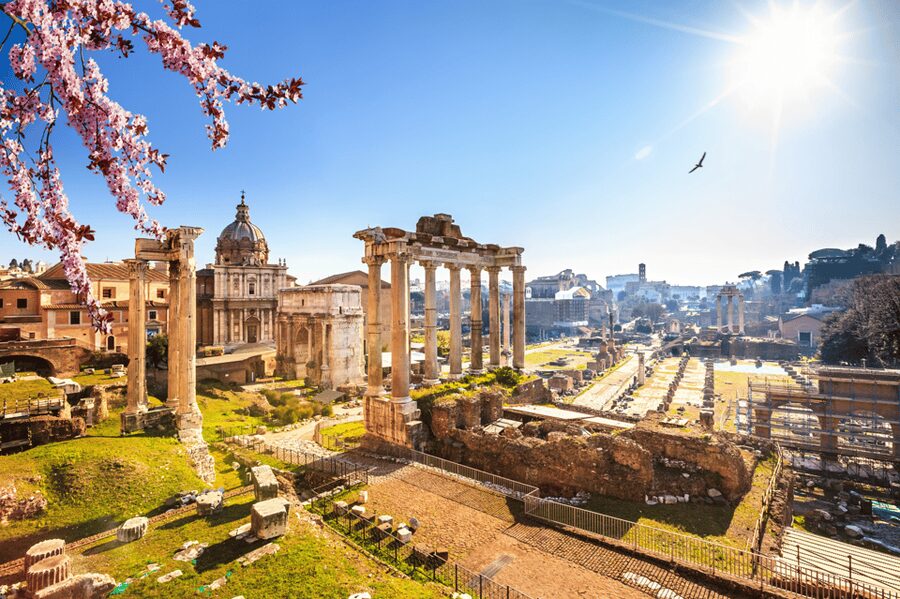
At $58, you are paying for more than entry. The fee includes access to the Colosseum, Roman Forum, and Palatine Hill, plus a guide and headset. You also gain a planned route through sites that can be confusing to connect on your own.
I see the price as fair if you want historical explanation and a smooth first visit. The strongest value comes from the guide’s ability to show relationships between the sites, answer questions, and keep the group moving through a large archaeological area.
The value is weaker if you prefer to move at your own pace, read signs quietly, or spend a long time photographing one monument. A guided walk follows a set structure, and the 2.5-hour format gives you an overview rather than unlimited time.
The admission advantage also has limits. Skip-the-ticket-line access does not remove the security check, and busy days can still involve waiting. A good guide can use that time well, but you should not expect instant entry.
What to bring and how to prepare
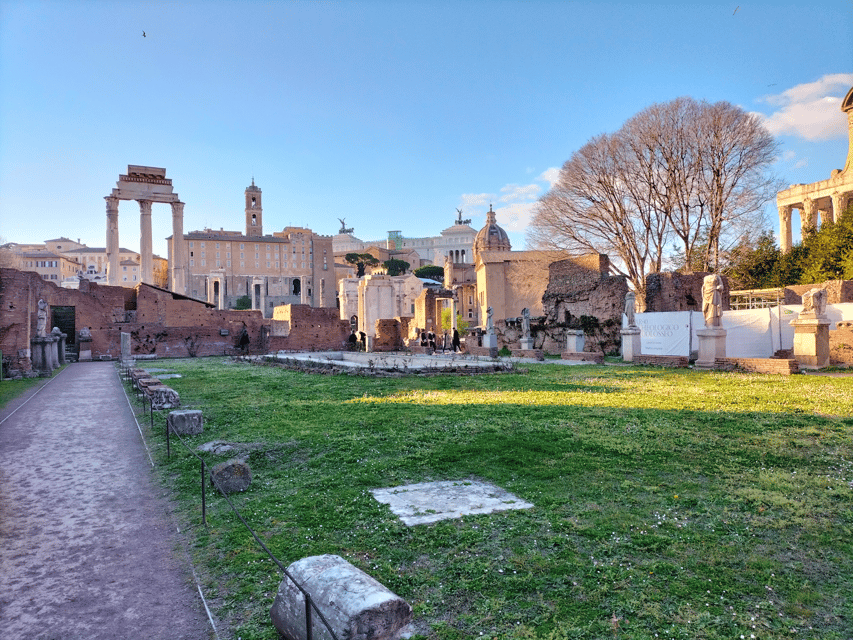
Wear comfortable shoes with good support. This is a walking tour over ancient ground, and the Palatine Hill portion adds climbs and uneven surfaces.
Bring a passport or identity card. The information provided specifically requires identification for entry. Pack lightly because large bags and luggage are not allowed.
You can bring a phone or camera for photographs, but leave selfie sticks and drones at your accommodation. Weapons, sharp objects, glass items, sprays, alcohol, and drugs are prohibited.
Allow extra time around the appointment. The meeting point may be difficult to spot, the start time can change slightly, and security queues can be unpredictable. I would avoid booking a meal or timed attraction immediately after the tour.
The experience is not suitable for wheelchair users or people with mobility impairments. Even visitors without a formal disability should consider the walking distance, stairs, uneven surfaces, and amount of time spent standing.
Who should book this ancient Rome walk?
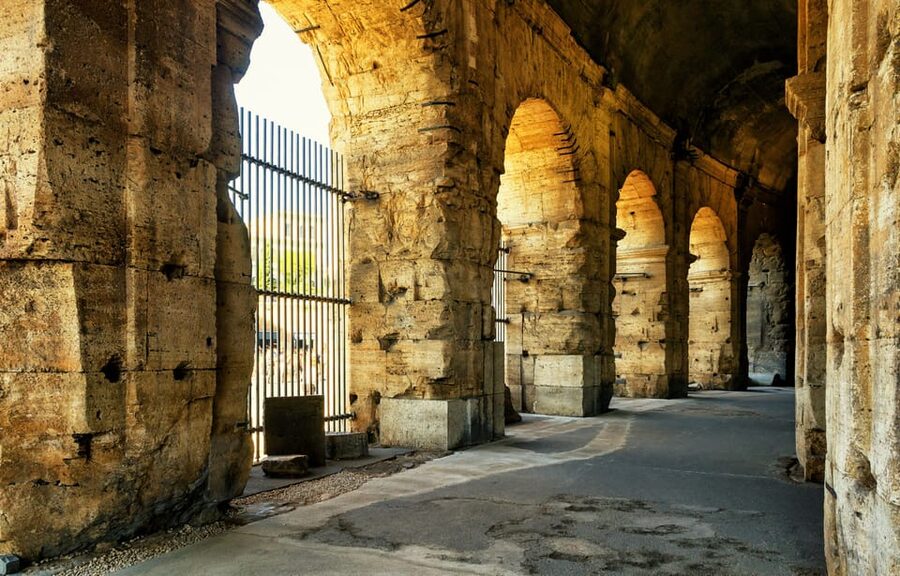
I would choose this tour for a first visit to Rome, especially if you have limited time and want the three main ancient sites in one session. It also suits families who benefit from stories, humor, and answers to questions rather than a self-guided audio track.
It is a good match for anyone who has seen photographs of the Colosseum but wants help understanding the wider setting. The Palatine Terrace and Forum add meaning to the arena visit, and the guides’ explanations help connect the remains to Roman government, power, and public life.
You may prefer another format if you want a private guide, an accessible route, extensive time for photography, or a very slow archaeological study. The route is active, and the exact order may change. You may visit the Forum and Palatine Hill before the Colosseum.
Should you book it?
Yes, if you want a well-organized introduction to Ancient Rome and value a guide who can make ruins readable. The Colosseum alone is impressive, but the Forum and Palatine Hill give it context, while the terrace provides the broad view that ties the visit together.
Book it with sensible expectations. You may wait at security, walk hard, and spend more or less time at each stop than the published breakdown suggests. Arrive early, wear sturdy shoes, bring identification, and confirm the meeting details.
For $58, I think the combination of admission, headsets, three major sites, and live interpretation makes good sense for a first-time visit. The guide is the key reason to choose it. If you want Rome’s ancient center to feel like a connected story rather than separate ruins, this is a strong pick.
FAQ
What does the $58 tour include?
The price includes entry tickets to the Colosseum, Roman Forum, and Palatine Hill, along with headsets so you can hear the live guide.
How long does the tour last?
The advertised duration is 2.5 hours. The listed time blocks for the stops add up to longer than that, so check the confirmed schedule before booking anything afterward.
Which languages are available?
Guided tours are available in English, Spanish, German, and French.
Where does the tour meet?
The meeting area is listed at Largo Gaetana Agnesi, but the exact meeting point may vary according to the option booked. The meeting time may also change slightly, with advance notice.
Do I skip all lines at the Colosseum?
You skip the regular ticket line, but you still need to pass through a metal detector. On busy days, security can involve a wait.
Is the tour suitable for wheelchair users?
No. The experience is not suitable for wheelchair users or people with mobility impairments. Comfortable shoes are recommended because the tour involves substantial walking.
Just added around Rome
- Rome: Colosseum and Ancient Rome Guided Walking Tour★ 4.5 · 95 reviews
- Rome: Guided Walking Tour and Pantheon Priority Entry Ticket★ 4.3 · 317 reviews
- Rome Walking Tour: Pantheon, Trevi, Navona & Hidden Gems★ 4.8 · 501 reviews
- Rome: Trevi Fountain, Spanish Steps & Pantheon Walking Tour★ 4.6 · 336 reviews
- Rome: Trastevere Food Walking Tour with Beer and Wine★ 4.9 · 71 reviews
- Rome Trastevere Walking Food Tour★ 4.8 · 97 reviews
- Rome: Underground Trastevere Guided Walking Tour★ 4.8 · 87 reviews
- Rome: Relics from the Passion of the Christ Walking Tour★ 4.9 · 84 reviews
History Walking Tours, compared.

History and Hauntings of Salem Guided Walking Tour
Read our review →
Freedom Trail History Small Group Walking Tour
Read our review →
Historic Charleston Guided Sightseeing Walking Tour
Read our review →
Tapas Walking Tour with Food, Wine, and History
Read our review →
Savannah History and Haunts Candlelit Ghost Walking Tour
Read our review →
A History of Terror – Belfast City Centre Walking Tour
Read our review →Browse the lists this tour appears in