
Review · PRIVATE WALKING TOURS
Kanazawa: Private Walking Tour with a Local
Kanazawa rewards curious walkers. This private tour is appealing because a local guide shapes the day around your interests, rather than marching you through a fixed route. I especially like the one-to-one format and the useful food, shopping, and neighborhood advice that guides such as Emi, Hanayo, Cynthia, and Yukari have shared with guests. The main catch is that the $82 price covers your guide and customized walk, not meals, admission tickets, or local transport.
You can book three to six hours, which gives you room to choose between a short orientation and a fuller day around Kanazawa’s historic districts, markets, gardens, and cultural sights. I also like that the guide can meet you at a hotel, landmark, or café near the city center. Still, the experience depends heavily on the guide you receive, and a walking tour requires comfortable shoes and enough energy for several hours on foot.
Key points to know before booking
- Your route is built around you: Bring a list of interests, or arrive with no plan and let your local guide suggest a useful path.
- Kanazawa’s major areas can fit into one day: Past walks have included Omicho Market, Kanazawa Castle, Kenroku-en Garden, Higashi Chaya, the samurai district, and the Gold Leaf Museum.
- Food advice is one of the strongest benefits: Guides have introduced guests to department-store food halls, gold-leaf treats, bean-paste sweets, matcha sweets, and places to eat later.
- It is a private group experience: You do not share the guide with strangers, so you can stop, ask questions, or change direction without holding up a large group.
- The tour works well at the start of your stay: A guide can help you understand the city and point you toward restaurants, museums, shopping areas, and quiet corners for the rest of your visit.
- Budget for extras: Admission fees, food, drinks, optional activities, and transport are separate from the tour price.
Why a local-led walk works well in Kanazawa
Kanazawa is compact enough to explore on foot, yet its sights are spread across several districts. A map can show you where Omicho Market, the castle, Kenroku-en, the tea districts, and museums are located. It cannot tell you which areas fit together naturally, where to pause for a snack, or how to adjust the route when rain or tired feet enter the picture.
That is where this tour makes sense. Your Lokafyer, the company’s term for its local guide, contacts you before the meeting when possible and asks what you want from the outing. Akari, for example, confirmed interests in advance and built the walk around them. Hanna contacted guests before meeting, offered restaurant suggestions, and later helped with directions to a dinner reservation.
The best part is the conversation. Guides explain Kanazawa’s past, present-day customs, food, and daily life in a way that can feel more personal than a standard sightseeing script. Christopher was praised for combining city walks with discussions about Japanese culture and society, while Raphaël explained appropriate behavior along with the historic sights.
This does not mean you should expect a formal lecture at every stop. The experience is closer to walking around with a well-prepared local friend. If you want dates, names, and detailed architectural analysis at every building, ask for that in advance. If you prefer questions, stories, and practical advice, the format is a strong match.
More Private Walking Tours in Japan
- Osaka: Hotspots & Hidden Gems Walking Tour Private or Group
★ 4.9 · 1,300 reviews - Nara Half Day Trip Walking Tour (Private Option Available)
★ 5.0 · 937 reviews - Tokyo: Private Custom Walking Tour with Local Guide
★ 4.8 · 533 reviews
Meeting your guide near the city center
The listed pickup point is the Kanazawa City Textile Artists Association, written in Japanese as 金沢市染織作家協会. That is a starting point, not necessarily the only meeting place. Pickup is included, and you can request a hotel, well-known landmark, or quiet café as long as it is in or near the city center.
This flexibility matters. Meeting at your accommodation saves time and avoids the mild confusion of finding an unfamiliar office or street corner. If you are staying outside the center, confirm the meeting point carefully before the day of the tour.
You can also request a specific start time. Check availability when booking, since the tour lasts between three and six hours and available times may vary.
The guides speak English, Spanish, or French. The individual guide matters more than the language label, so it is sensible to state your preferred language and interests clearly before meeting. Several people specifically praised clear English, including Nicola, Emi, Hanayo, Yukari, and Sachi.
What you can cover in three hours
Three hours is enough for a useful introduction, but you will need to keep the route focused. This shorter version suits a first morning in Kanazawa, especially if you want help planning the rest of your visit.
A guide might link several central areas, depending on your priorities. A past three-hour walk covered historic streets, gardens, local stories, and food explanations. Another short outing focused on the geisha district and notable temples.
The advantage is orientation. You can learn how the main areas relate to each other, then return later on your own for museums, shopping, or a slower meal. A guide can also point out shortcuts that are easy to miss on a map. One earlier walk covered roughly eight kilometers while using small connecting paths that allowed the group to see more of the city.
The drawback is that three hours passes quickly. If you want to enter several attractions, stop for food, and take your time in each district, choose closer to six hours or accept that some stops will be exterior visits.
What changes with a six-hour walk
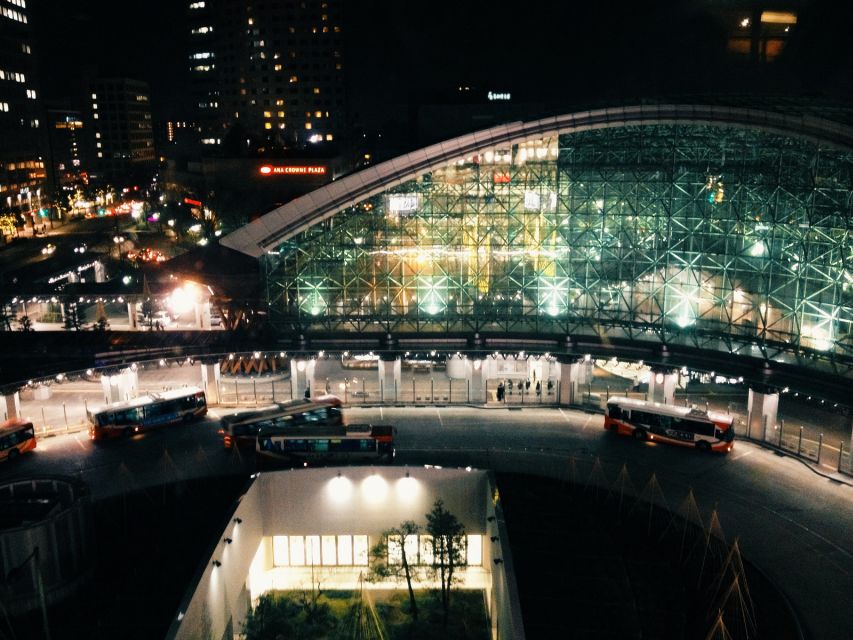
A six-hour booking gives you room to connect more of Kanazawa’s main sights. The exact route is not fixed, but past outings have included:
- Omicho Market
- Kanazawa Castle
- Kenroku-en Garden
- Higashi Chaya district
- The samurai area
- The Gold Leaf Museum
- The 21st Century Museum area
- Historic streets and temples
You should not assume every attraction is included in every tour. The route is personalized, and some places may require an entrance ticket or more time than the schedule allows. If you want to visit a particular museum or garden, name it before the tour.
The longer duration also gives you time to pause. Omicho Market can be approached as more than a quick photo stop. A guide may explain local foods, suggest specialties, and help you understand what you are seeing. Hanayo took one group through the Daiwa food hall and explained items to try, while another guide introduced guests to gold-leaf ice cream, bean-paste sweets, and matcha-based treats.
Kenroku-en and Kanazawa Castle add a different pace. Gardens and castle grounds are best appreciated without rushing, but admission costs are extra. One walk continued to Kenroku-en after the main city sights, giving the group a natural final stop.
Higashi Chaya offers a look at Kanazawa’s traditional entertainment districts. The samurai area gives the walk another angle, shifting attention from tea-house culture to the city’s warrior past. A local guide can connect those districts to the people who lived and worked there, rather than leaving you with only attractive streets and photo opportunities.
Same streets, a different way to see them:
- Kyoto Geisha Walking Tour: Gion District & Hidden Gems
★ 4.7 · 3,273 reviews - Tokyo Tsukiji Fish Market Food and Culture Walking Tour
★ 5.0 · 3,184 reviews - Kyoto: Gion Magical Night Walking Tour with Geisha Trivia
★ 4.9 · 2,393 reviews - Tokyo: Imperial Palace and Shogun Historical Walking Tour
★ 5.0 · 2,251 reviews
Food, markets, and the advice you cannot get from a map
Food guidance is one of the clearest reasons to take this tour early in your stay. The guide can explain what you are looking at, suggest places for later, and help you avoid spending your only evening in Kanazawa guessing from menus.
Omicho Market is an obvious stop for many routes. It can be crowded at certain times, and its displays may be unfamiliar if you are not used to Japanese market food. A guide can make the visit less intimidating by explaining ingredients and pointing out specialties.
The Daiwa food hall is another useful stop, especially if you like sweets, prepared foods, or small gifts. You may also hear about gold-leaf products, a specialty associated with Kanazawa. Gold-leaf ice cream appears in the past walks, along with sweets made with bean paste and matcha.
Do not expect food and drinks to be included in the $82 fee. You pay for anything you choose to eat, as well as for optional activities. The value comes from the explanation and recommendations, not from a meal package.
If restaurants matter to you, say so before the tour. Hanna provided restaurant suggestions before meeting, and one guide even walked a group to its dinner reservation at the end. That kind of practical help can be more useful than another hour of general sightseeing.
How personal is the route?
The route can be very personal, but you need to speak up. Tell the guide if you care most about food, traditional neighborhoods, gardens, art, shopping, photography, local customs, or daily life. You can also arrive without a plan and ask the guide to make the choices.
Past guides have adjusted their style well. Emi adapted her conversation for a child, while Cynthia allowed a group to explore at its own pace. Sachi tried to show as much as the schedule allowed and gave extra suggestions for the rest of the day.
This flexibility is especially useful for repeat visitors. On a first visit, you may want the major sights and basic orientation. On a later visit, you might prefer street art, less obvious courtyards, neighborhood cafés, or a closer look at local culture.
The phrase private group is important. You are not waiting for a bus or matching the pace of a large party. You can ask why a custom matters, linger over a shop window, or move along when a sight does not interest you. The tradeoff is that the quality and pace depend on the connection between you and your guide.
Guide quality and communication
The strongest pattern across the feedback is not one particular sightseeing route. It is the guides’ warmth, preparation, and ability to explain Kanazawa clearly.
Emi received praise for superb English, local insight, and thoughtful communication with a child. Hanayo was described as lively, funny, and especially good at balancing facts with stories. Yukari was remembered as patient, flexible, well prepared, and enjoyable company. Cynthia was repeatedly appreciated for being friendly, punctual, and informative.
Nicola led a four-hour walk through the main areas and added a tea experience as an optional extra. Raphaël combined sightseeing with advice about Japanese manners and culture. Christopher brought an anthropology and cultural perspective to the city.
These details give you a realistic picture of the experience. You are likely to get more than directions and dates, but the tone can vary from one guide to another. If you prefer a quiet, academic walk, say that. If you want jokes, food stops, and easy conversation, say that too.
Is $82 per person good value?
At $82 per person, this is not the cheapest way to see Kanazawa. It is also not simply a ticketed attraction. You are paying for a private guide, route planning, local conversation, and the chance to make better use of your limited time.
The value is strongest for couples, families, and small groups who would otherwise book several separate activities or lose time navigating between districts. A private guide can also make the first day easier, then provide advice for the rest of your stay.
The value is weaker if you enjoy researching routes, walking alone, and reading about each sight in advance. You will still need to pay for admission, meals, drinks, optional activities, and local transport. A six-hour tour can also involve a long distance on foot, so the physical cost matters.
For families, children under three are free, and children from three through twelve receive a 50 percent discount. The wheelchair-accessible format is a useful advantage, though you should discuss the exact route and any attractions before the tour if accessibility is important to your group.
The main drawbacks to consider
The flexible format is both the strength and the uncertainty. There is no fixed promise that every major sight will appear, so you should communicate your priorities clearly. A vague request may produce a pleasant walk, but it may not cover the places you hoped to see.
The tour is also not an all-inclusive day. Entrance fees for you are extra, and if you want your guide to enter an attraction with you, you must cover the guide’s admission as well. Meals, drinks, personal spending, optional activities, and city transport are not included.
Finally, three to six hours of walking can be tiring. Comfortable shoes are essential. If rain arrives, the tour can still go ahead, as one outing did, but your comfort will depend on clothing, footwear, and the route chosen.
You can cancel up to 24 hours before the tour for a full refund. That gives you some useful flexibility when arranging a Japan itinerary with several moving parts.
Who should book this Kanazawa walk?
I would choose this tour if you are visiting Kanazawa for the first time and want a clear sense of how the city fits together. It is also a good choice for anyone who values conversation, local food advice, and small adjustments during the day.
Families may appreciate the private setting and the guide’s ability to adapt explanations. Food-focused visitors should request Omicho Market and a food hall. Culture-minded visitors can ask for the tea districts, samurai area, gardens, museums, and discussions about customs.
I would be more cautious if you want a strict historical lecture, a guaranteed attraction list, or a fully packaged excursion with tickets and meals included. In that case, ask detailed questions before booking or choose a more structured tour.
FAQ
How long does the Kanazawa private walking tour last?
You can book a tour lasting three to six hours. Available starting times depend on the date you choose.
How much does the tour cost?
The price is $82 per person. Children under three are free, and children aged three through twelve receive a 50 percent discount.
Is this a group tour?
No. It is a private group experience, so the route and pace are arranged for your party rather than shared with other groups.
Where does the tour start?
The listed pickup location is the Kanazawa City Textile Artists Association, written as 金沢市染織作家協会. The guide can also meet you at a preferred hotel, landmark, or café in or near the city center.
Which languages are available?
Live guiding is available in English, Spanish, and French.
What does the price include?
The price includes a local guide, called a Lokafyer, and a customized private walking tour.
Are attraction tickets included?
No. Entrance fees are separate. If you ask the guide to enter an attraction with you, you must also cover the guide’s admission cost.
Are food, drinks, and transport included?
No. Meals, drinks, personal expenses, optional activities, and local transportation around the city are not included.
Can I cancel the tour?
Yes. You can cancel up to 24 hours in advance for a full refund.
Should you book it?
Book this walk if you want a flexible first look at Kanazawa, practical food advice, and a local person to answer the questions that guidebooks miss. The 4.8 rating from 141 bookings reflects a very strong pattern of praise for guide preparation, clear English, personal attention, and useful recommendations.
Choose three hours for orientation and six hours if you want to connect several districts and allow time for food or attraction stops. Send your interests before the meeting, wear comfortable shoes, and budget separately for tickets and meals. With those expectations in place, the $82 fee can be a fair price for turning Kanazawa from a set of scattered sights into a city you can navigate with confidence.
Just added around Japan
- Tokyo: Asakusa & Sensoji ー Oldest Temple Walking Tour (2hrs)★ 5.0 · 213 reviews
- Asakusa Senso-ji Temple and Old Tokyo Walking Tour★ 5.0 · 560 reviews
- Asakusa Cultural Walk & Matcha Making Tour★ 5.0 · 245 reviews
- Tokyo: Tsukiji Market Walking Tour & Sushi Cooking Class★ 4.6 · 122 reviews
- Tokyo: Dark Side of Tokyo Shinjuku Red Light Walking Tour★ 4.7 · 862 reviews
- Tokyo: Shinjuku Nightlife & Secret Backstreets Walking Tour★ 4.8 · 229 reviews
- Tokyo: Shibuya Highlights Walking Tour★ 4.8 · 601 reviews
- Tokyo: Shibuya Highlights Walking Tour & Secret View Spot★ 4.9 · 196 reviews
Private Walking Tours, compared.

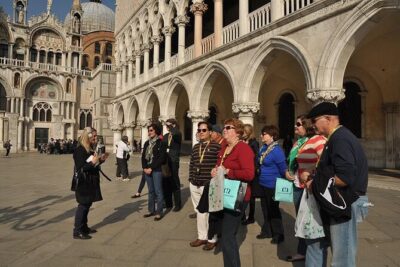
Private 3 hrs Venice Tour: St Mark’s, Walking tour & Boat tour
Read our review →
Private Street Food Evening Walking Tour in Ho Chi Minh City
Read our review →
Old Quebec City: Grand Walking Tour with Private Option
Read our review →
Barcelona Helicopter, Sailboat & Old Town Private Walking Tour
Read our review →
Browse the lists this tour appears in