

Review · PRIVATE WALKING TOURS
Kanazawa Private/Group Walking Tour: Local & Major Highlight
Kanazawa rewards curious walkers. This private or small-group tour links the city’s best-known sights with stories about samurai life, religion, food, and modern Japan. I like the clear route from Nagamachi to Higashi Chaya District, and I like the personal help from guides such as Emi and Yu Noda, who offer restaurant tips and tailor the walk to your plans. The main caution is time: the 3-hour version covers a lot, so some stops receive only a quick look.
You will walk for most of the experience, with a short bus ride at the beginning and a café break along the way. The tour costs about $48 per person, a fair price if you want local context rather than simply taking photographs at the major sights. Still, food, drinks, and most transportation cost extra.
Key points at a glance
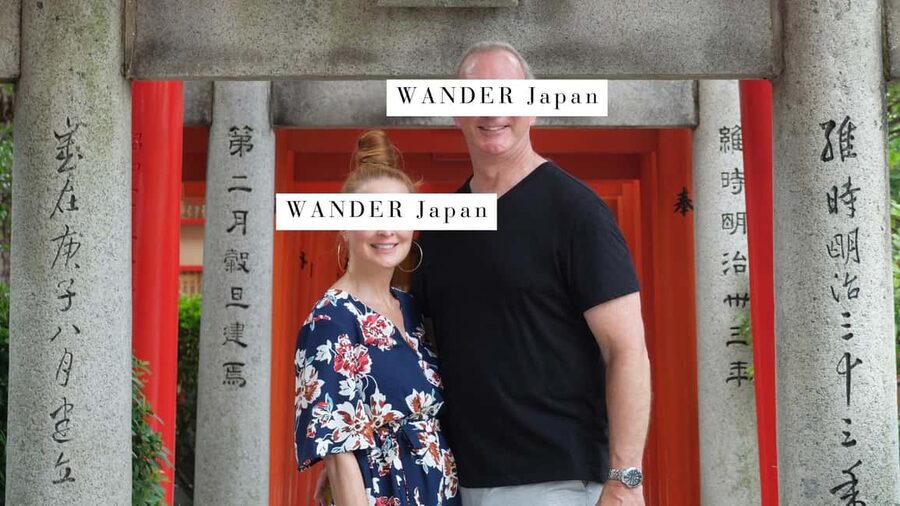
- A smart first-day route: Connect Nagamachi, Omicho Market, Oyama Shrine, Kanazawa Castle, Kenrokuen, and Higashi Chaya in one outing.
- Local guides make the difference: Emi, Yu Noda, Hirofumi, Aiko, and other guides bring personal stories, restaurant advice, and practical help.
- Strong history and culture focus: Learn about samurai families, castle life, Shinto and Buddhism, geisha districts, and everyday Japan.
- A real walking tour: Expect several hours on foot, with short sightseeing stops and a 20-minute café rest.
- Good for mixed needs: The route can be adjusted for interests, hotel location, and wheelchair users, though you should request arrangements in advance.
- Useful after the tour: The experience finishes in central Kanazawa, leaving you free to eat, shop, or revisit a favorite area.
Why this Kanazawa route works so well
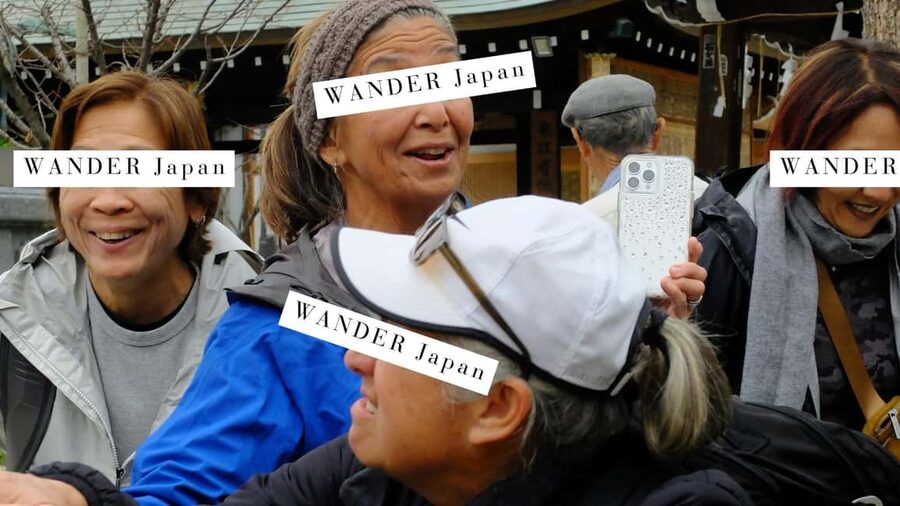
Kanazawa is compact enough to explore on foot, but its main sights do not all feel connected when you visit them alone. This tour solves that problem. You move from the old samurai quarter to the market, castle, garden, shrine, and geisha district while your guide explains how the pieces fit together.
I especially like the mix of grand sights and ordinary local details. Kanazawa Castle and Kenrokuen are the headliners, but the market, café stop, and conversations about daily life give the walk a human scale. The guides also connect old customs with present-day Japan, which is often more useful than memorizing dates.
The experience is offered as a private tour or for a small group. That matters because the pace can change. A family may need more time for questions, while a couple may prefer to move quickly through the photo stops. The guides have adapted tours around hotel locations, restaurant plans, national holidays, and mobility needs.
The tour carries a 4.8 rating from 113 bookings, with especially strong praise for the guides’ warmth, preparation, English, and ability to answer questions. One caution is worth noting: one visitor found a guide’s English difficult to understand, so communication may vary by guide. Most of the feedback, however, describes clear English and easy conversation.
More Private Walking Tours in Japan
- Osaka: Hotspots & Hidden Gems Walking Tour Private or Group
★ 4.9 · 1,300 reviews - Nara Half Day Trip Walking Tour (Private Option Available)
★ 5.0 · 937 reviews - Tokyo: Private Custom Walking Tour with Local Guide
★ 4.8 · 533 reviews
Nagamachi Samurai District: earthen walls and family stories
The route commonly begins in the Nagamachi Samurai District. This is one of the best places in Kanazawa to picture the city during the Edo period, when samurai families lived behind high earthen walls and carefully guarded entrances.
You can expect about 20 minutes here, including a guided walk, photographs, and views of preserved residences. The stop is short, so do not expect to tour every house in detail. Its value comes from the setting and from your guide explaining how the district functioned.
I would pay attention to the walls and narrow lanes rather than rushing straight to the grandest building. They help you picture status, security, and family life. A good guide can also explain what separated a high-ranking samurai household from a more modest one.
This is an excellent opening stop because it gives the rest of the walk a historical frame. Kanazawa is not just a collection of attractive streets. Its castle, garden, market, and religious buildings developed around a powerful ruling family and the people who served it.
Omicho Market: Kanazawa on a plate

Omicho Market brings the route down from samurai walls to food stalls and local trade. The market is known for fresh seafood and other local products, and your guide can help you understand how food fits into Kanazawa life.
The planned visit lasts around 20 minutes. That is enough for an introduction and a look at the stalls, but it is not a full food tour. Food and drinks are not included, so bring cash or a credit card if you want to buy something.
I like having a guide here because markets can be confusing when you cannot read the signs or identify unfamiliar foods. The walk may also help you decide where to return for lunch after the tour. Several guides have offered restaurant suggestions, and one guide’s recommendation was good enough for a visitor to return the next day.
Do not treat Omicho as a quick corridor between other sights. The market shows a working side of Kanazawa that polished monuments cannot provide. If seafood interests you, ask your guide what to try and how much time you should leave for a later meal.
Oyama Shrine: where religion and local power meet

Oyama Shrine is a short but meaningful stop. The tour uses it to explain the samurai leader associated with Kanazawa Castle and his wife, while also opening a conversation about Japanese religious practice.
The visit lasts about 20 minutes. You will have time for photographs, a guided explanation, and a look at the shrine grounds. The important point is not just the building itself. Your guide explains how Shinto and Buddhism have influenced one another in Japan, a subject that can be difficult to understand from signs alone.
The shrine also helps connect personal stories with political history. Instead of hearing only about rulers and dates, you learn about the people behind Kanazawa’s development. Expect a quiet pause here after the food stalls of Omicho Market.
If religious sites interest you, this may be one of the more rewarding parts of the tour. If you prefer architecture alone, the explanation may feel more important than the amount of time spent inside the grounds.
Same streets, a different way to see them:
- Kyoto Geisha Walking Tour: Gion District & Hidden Gems
★ 4.7 · 3,273 reviews - Tokyo Tsukiji Fish Market Food and Culture Walking Tour
★ 5.0 · 3,184 reviews - Kyoto: Gion Magical Night Walking Tour with Geisha Trivia
★ 4.9 · 2,393 reviews - Tokyo: Imperial Palace and Shogun Historical Walking Tour
★ 5.0 · 2,251 reviews
Kanazawa Castle: thirty minutes of Edo-era atmosphere
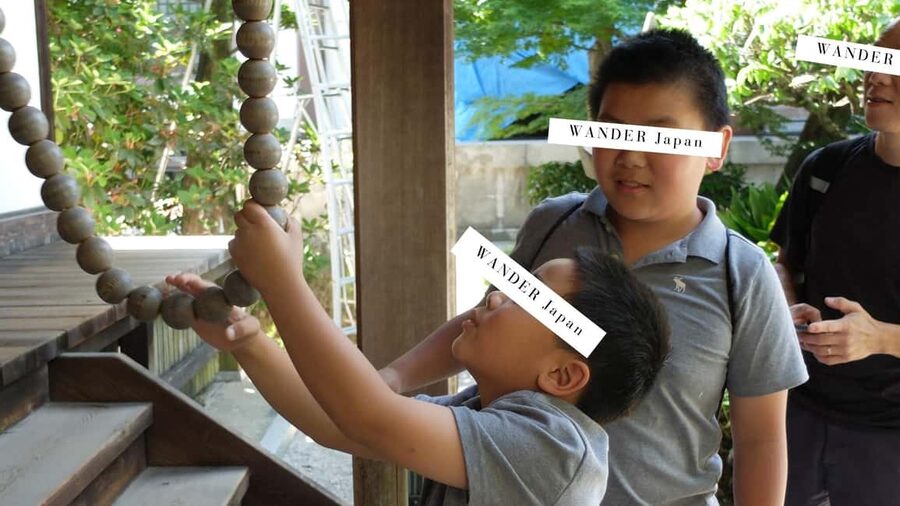
From Oyama Shrine, the route continues to Kanazawa Castle Park. The walk is short, and the castle visit usually lasts about 30 minutes.
The castle grounds give you a sense of scale and power. Your guide can explain the role of the castle in Kanazawa’s political story and point out architectural details that might otherwise blend together. The tour description includes time to visit inside the castle, although the exact buildings or rooms available can depend on the day.
Thirty minutes is enough for an introduction and photographs. It is not enough for every corner of the park. If you are passionate about castles, you may want to return later with extra time. The tour is designed to show you the main idea, not replace a full independent visit.
This stop works well after Nagamachi because you have already heard about samurai households. Here, you see the larger center of authority that shaped the city. The sequence makes the history easier to follow.
The café stop: a useful pause, not just a coffee break
The 20-minute café visit is one of the small details that improves the route. After several walking stops, you get time to sit, drink tea or coffee, and look toward the castle scenery.
The guide chooses a favorite local café, and the experience may include a special tea or dessert stop. One booking included a private upstairs session for a Sakura latte, while another ended with an especially good dessert. These details can vary, but they show how the tour can become personal rather than mechanical.
Food and drinks are extra, so plan to pay for your own order. I consider this a worthwhile cost because a short seat and conversation can make the second half of the tour more enjoyable. It also gives you a chance to ask about restaurants, customs, or places to visit later.
Kenrokuen Garden: the tour’s most graceful stop

Kenrokuen is one of Japan’s three most beautiful gardens, and it usually receives about 30 minutes on the tour. Traditional Japanese gardening changes with the season, so the experience depends on when you visit. Plum blossoms, seasonal planting, water, paths, and carefully framed views all contribute to the garden’s appeal.
Your guide helps you read the garden rather than simply walk through it. Japanese gardens often reward attention to small changes in height, water, trees, and borrowed views. A local explanation can make these choices easier to notice.
Again, 30 minutes is a sampler. You can see important sections and take photographs, but you will not cover every path at a relaxed pace. If gardens are your main reason for visiting Kanazawa, return independently after the tour.
The garden also offers a pleasant change in mood. Nagamachi feels enclosed, Omicho is active, and the castle suggests authority. Kenrokuen slows everything down. It is a good place to absorb the city’s taste for careful design and seasonal beauty.
Higashi Chaya District: wooden teahouses and a strong finish

The final major stop is Higashi Chaya District, a traditional geisha quarter known for its preserved wooden teahouses. The route allows about 20 minutes for a guided visit, free time, photographs, and some self-guided wandering.
This is a scenic place to finish, but it can feel brief. The old wooden façades are the main draw, and your guide can explain the role of geisha entertainment districts in Kanazawa. You may want to stay longer after the official tour to explore at your own pace.
Ending here is practical. The tour leaves you near central Kanazawa, with time to find lunch, continue sightseeing, or return to a street that caught your eye. The listed drop-off options include Kanazawa and two named central locations, though the exact meeting and ending point depends on the option you book.
What the guides add to the experience
The guides receive the strongest praise. Emi is described as warm, funny, well prepared, and deeply proud of Kanazawa. Yu Noda is repeatedly praised for excellent English, easy conversation, historical stories, and helpful advice before and after the walk.
Hirofumi contacted one booking through WhatsApp the day before and adjusted the route around the hotel and plans for later. Another guide researched a question after the tour and followed up with an answer. These are modest touches, but they can save you time and make the visit feel less generic.
The best guides do more than recite facts. They explain the Edo period, traditional life, modern Japan, religious customs, and local food in a conversational way. Families may appreciate the patience shown toward children’s questions, while independent visitors may value restaurant bookings and neighborhood tips.
Guide quality can vary, and one person found the English harder to follow. If clear English is especially important to you, mention that when booking or communicating before the tour.
Time, transport, and walking effort
The experience lasts from 2 to 4 hours, depending on the option selected. The described route is closer to 3 or 4 hours, with a 10-minute bus ride and most of the remaining time on foot.
The schedule gives around 20 minutes to the smaller stops and 30 minutes to the castle and garden. That keeps the route moving, but it also means you should not expect a slow museum-style visit. Comfortable shoes are sensible, and you should bring a credit card and some cash.
Hotel meet-up is available on request for a central location. The meeting point varies by booking, and transportation is not generally included beyond the walking route. If you have limited mobility, tell the provider in advance. A guide named Yu adapted the route for a wheelchair user, and another booking involved help from a cruise terminal into town, but those arrangements require planning.
Is $48 a fair price?
At about $48 per person, this is good value if you want six major areas connected by a local explanation. Entrance fees, meals, drinks, and most transportation are not included, so the price pays mainly for the guide’s time and planning.
That can be worth it in Kanazawa, especially if you have only one day. You get orientation at the start of your visit, practical food advice, historical context, and a route that would take more effort to organize alone. The value is strongest for first-time visitors, families, and anyone who wants to ask questions as they walk.
If you prefer slow photography, long garden visits, or detailed castle exploration, you may find the pace too brisk. In that case, use the tour as an introduction and return to your favorite sites afterward.
Free cancellation is available up to 24 hours before the start time, and you can reserve while paying later. Check the available start times because the duration and meeting point depend on the selected option.
Who should book this Kanazawa walking tour?
I would choose this tour if you are arriving in Kanazawa for the first time and want a quick sense of how the city fits together. It is also a strong choice for couples, families, small groups, and visitors who prefer conversation over a recorded audio guide.
It suits you particularly well if you care about:
- Samurai and castle history
- Shinto and Buddhist traditions
- Local food and restaurant advice
- Traditional gardens and architecture
- Geisha districts and old wooden streets
- Flexible pacing and personal questions
You may want another type of visit if you dislike walking, want extensive time inside each attraction, or prefer a fixed large-group schedule. The tour is accessible with advance coordination, but it remains a walking experience with several stops.
Final verdict: book it for context, not just sightseeing
This is a smart introduction to Kanazawa. The route covers the city’s essential sights, but the real value comes from the guides’ stories, local recommendations, and ability to connect samurai history with daily life today.
Book it early in your stay if you can. You will leave with a better sense of where to eat, which places deserve a second visit, and how Kanazawa’s castle, market, shrines, garden, and old districts relate to one another. Just keep your expectations realistic: the tour gives you a well-guided overview, not hours inside every site.
FAQ
How long does the Kanazawa walking tour last?
The tour lasts between 2 and 4 hours, depending on the option you select. The example route includes a 10-minute bus ride, several walking stops, and a 20-minute café break.
What sights are included?
The route can include Nagamachi Samurai District, Omicho Market, Oyama Shrine, Kanazawa Castle Park, a local café, Kenrokuen Garden, and Higashi Chaya District.
Is transportation included?
The experience is mainly on foot. A short bus ride may be used at the beginning, but transportation is generally not included, so check the option you book.
Are food and drinks included?
No. Food and drinks are not included. You may have time to buy something at Omicho Market or order tea, coffee, or dessert at the café.
Can I request a hotel meeting point?
Yes. Hotel meet-up is available on request for a central location. The exact meeting point depends on the option booked.
Is the tour wheelchair accessible?
The activity is listed as wheelchair accessible. Advance communication is important because guides have adjusted routes and arrangements for wheelchair users.
Which languages are available?
Live guiding is available in English and Japanese. Guide communication styles may vary, so you can state your language needs when booking.
Just added around Japan
- Tokyo: Asakusa & Sensoji ー Oldest Temple Walking Tour (2hrs)★ 5.0 · 213 reviews
- Asakusa Senso-ji Temple and Old Tokyo Walking Tour★ 5.0 · 560 reviews
- Asakusa Cultural Walk & Matcha Making Tour★ 5.0 · 245 reviews
- Tokyo: Tsukiji Market Walking Tour & Sushi Cooking Class★ 4.6 · 122 reviews
- Tokyo: Dark Side of Tokyo Shinjuku Red Light Walking Tour★ 4.7 · 862 reviews
- Tokyo: Shinjuku Nightlife & Secret Backstreets Walking Tour★ 4.8 · 229 reviews
- Tokyo: Shibuya Highlights Walking Tour★ 4.8 · 601 reviews
- Tokyo: Shibuya Highlights Walking Tour & Secret View Spot★ 4.9 · 196 reviews
Private Walking Tours, compared.

Private 3 hrs Venice Tour: St Mark’s, Walking tour & Boat tour
Read our review →
Private Street Food Evening Walking Tour in Ho Chi Minh City
Read our review →
Old Quebec City: Grand Walking Tour with Private Option
Read our review →
Barcelona Helicopter, Sailboat & Old Town Private Walking Tour
Read our review →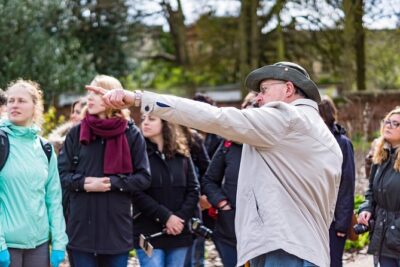
Browse the lists this tour appears in