
Review · HISTORY WALKING TOURS
Málaga: 2h Walking Historical Tour–Art, Culture and Legends
Málaga reveals itself one story at a time. This compact walking tour with art historian and guide Igor Francisco Martínez brings together Roman ruins, Picasso, churches, food, and local legends in a lively introduction to the city. I especially like the way it mixes major sights with small details, and I like that Igor adds practical restaurant and bar suggestions along the route. The main consideration is timing: it is advertised as 1.5 hours, but the route may run much longer when tastings, questions, and the final surprise are included.
The $26 price is strong value if you are new to Málaga and want quick bearings before exploring on your own. You will walk through the historic center at an easy pace, but this is still a sightseeing walk on city streets, so comfortable shoes, water, sunscreen, and a hat matter.
Key points at a glance
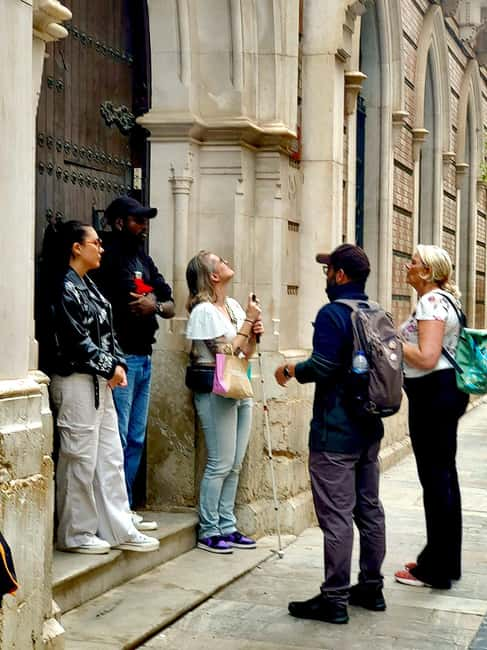
- Igor Martínez brings history to life: His humor, local insight, and art-history background are the tour’s most praised features.
- The route covers Málaga’s essential center: You see the Roman Theatre, Picasso Museum area, cathedral, Plaza de la Constitución, and Atarazanas Market.
- Food is part of the experience: Traditional sweets, candied almonds, artisanal nougat, and a final local food and drink stop add a useful taste of Málaga.
- Expect more than the stated 1.5 hours: The walk can stretch to two or three hours, which is good for value but important when planning your day.
- It is a good first-day activity: The route helps you understand the city center and leaves you with recommendations for later meals and visits.
- Small groups may be possible: Some departures have been very small, occasionally creating an almost private experience.
Starting beside the Alcazaba at Plaza de la Aduana
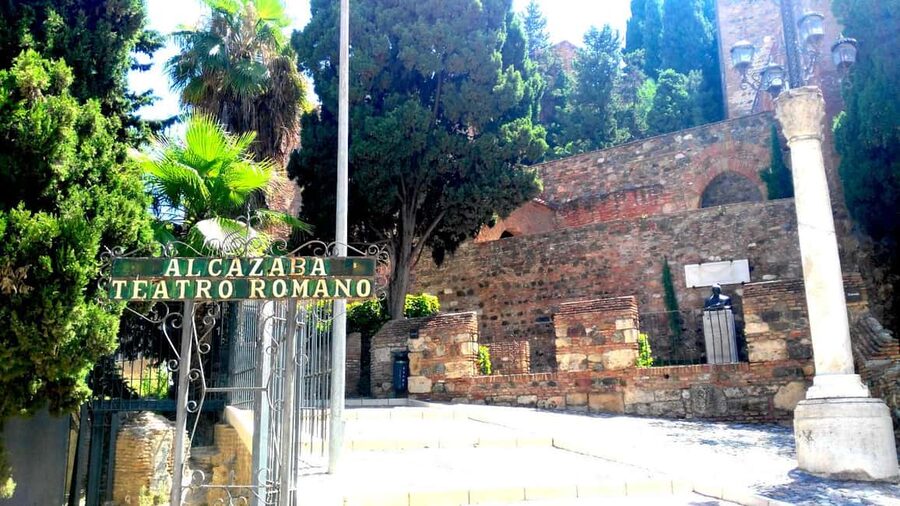
The meeting point is beside the white tourist information kiosk in Plaza de la Aduana, next to the Alcazaba. This is a sensible place to begin because you are already at the edge of Málaga’s oldest central sights. It is also reachable on foot from Málaga Centro-Alameda train station and the Muelle Heredia bus station.
Igor is due to contact you shortly before the start by WhatsApp or phone. He wears an identification card, which helps in a crowded square. The exact start time is confirmed with you by email or WhatsApp, so check your messages before setting out.
The tour description begins with Puerta Oscura Garden, where the Phoenicians founded ancient Malaka in the sixth century BC. The formal route lists Plaza de la Aduana as the starting point, so the exact order may vary. Either way, this opening area gives you a useful sense of why Málaga grew where it did, between the sea, trade routes, and the historic center.
I like this beginning because it frames Málaga as a city shaped by successive cultures rather than as a collection of pretty streets. You start with the city’s earliest foundations, then move through Roman, Christian, modern, and culinary Málaga.
More Crime and Mystery Walks in Spain:
- Barcelona: Gothic Quarter Ghosts and Legends Walking Tour
★ 4.7 · 1,443 reviews - Madrid: Spanish Inquisition and Legends Evening Walking Tour
★ 4.7 · 1,396 reviews - Seville: Paranormal and Legends Guided Walking Tour
★ 4.7 · 336 reviews
Roman Theatre and the city beneath your feet
The Roman Theatre is one of the clearest historical stops on the walk. It dates from the first century and is described as the oldest visible structure in Málaga. Igor explains how Roman performances worked, what audiences came to see, and why the theatre disappeared from view for centuries.
The site is especially useful for first-time visitors because the remains are easy to understand from street level. You can look at the surviving seating and stage area while hearing how the building once fitted into Roman Málaga. The tour does not simply point at stones and name dates. It connects the ruins with daily life and public entertainment.
The included experience also refers to exploration of the Alcazaba fortress, although the listed stop-by-stop route does not give it a separate timed visit. I would clarify the exact arrangement if seeing the interior of the Alcazaba is important to you. The meeting point is right beside it, and the tour clearly treats the fortress and surrounding area as part of Málaga’s historic core.
This is one place where you should manage expectations. A 15-minute Roman Theatre stop gives you a well-shaped introduction, not an exhaustive archaeological visit. If you want to study every surviving detail, return later on your own.
Picasso, Plaza de la Merced, and Málaga’s artistic identity
The route continues toward Plaza de la Merced, one of Málaga’s best-known public squares. Here, Igor explains the obelisk dedicated to General Torrijos and points out the birthplace of Pablo Picasso.
Picasso’s connection to Málaga gives the city a strong artistic thread, and the tour follows it through the Picasso Museum area. The listed schedule allows about 15 minutes for the museum stop. Since the description does not promise a full museum visit, you should treat this as an introduction to the museum and Picasso’s local story unless Igor confirms otherwise.
That distinction matters. The Picasso Museum deserves more time than a brief walking-tour stop if you want to see its collection properly. The advantage of seeing it with Igor is that you gain context first. You can then decide if you want to return for a longer visit.
The route also includes the Church of Santiago, one of Málaga’s oldest churches and the place where Picasso was baptized. This is a nice example of how the tour links famous names with ordinary city streets. Picasso is not treated as an isolated museum subject. His birthplace, baptismal church, and the surrounding old town become part of one connected story.
Calle Granada, El Pimpi, and the pleasures of the old center
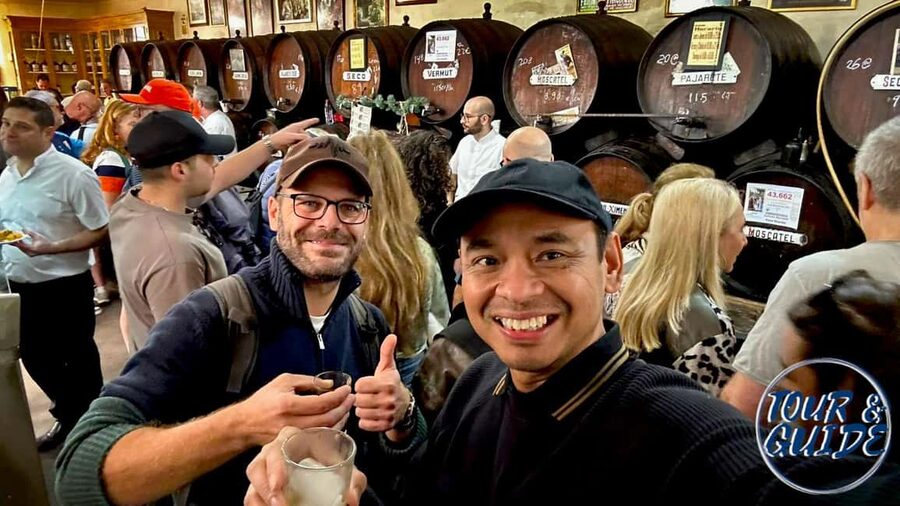
Calle Granada is one of the most atmospheric stretches of the walk. It follows the route taken by the Catholic Monarchs after the Christian conquest of Málaga in 1487, and it now leads through a lively mix of historic buildings, shops, restaurants, and bars.
Igor points out El Pimpi Winery, a famous Málaga institution, along with the Picasso Museum and smaller corners that are easy to miss when you walk without a guide. I find this sort of commentary more useful than a long list of dates. You learn where the city’s history happened, then see how the same streets function today.
The tour is also designed to help you eat well after it ends. Igor has offered restaurant and bar recommendations, and several stops may introduce you to local shops or traditional products. Names such as El Gallo Ronco and Las Chinitas have been recommended as later options, according to the supplied tour feedback. Those recommendations are a practical bonus, especially if you have only a few days in Málaga.
The route is not a food tour in the strict sense. Food appears as a complement to the history, not as a series of full meals. That keeps the price low, but you should not arrive expecting lunch to be included.
More History Walking Tours in Spain:
- Barcelona: Tapas Walking Tour with Food, Wine, and History
★ 4.8 · 4,261 reviews - Barcelona Tapas Walking Tour: Food, Wine & History
★ 4.5 · 1,928 reviews - Madrid Historic Centre Food Tour with Authentic Tapas & Wines
★ 5.0 · 814 reviews - Seville: Tapas, Taverns, and History Walking Tour
★ 4.9 · 676 reviews
La Manquita and the cathedral’s unfinished story
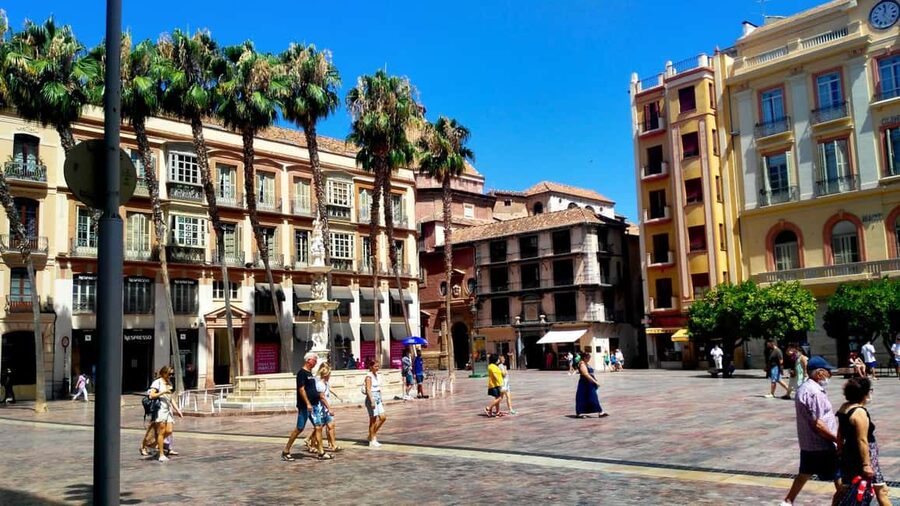
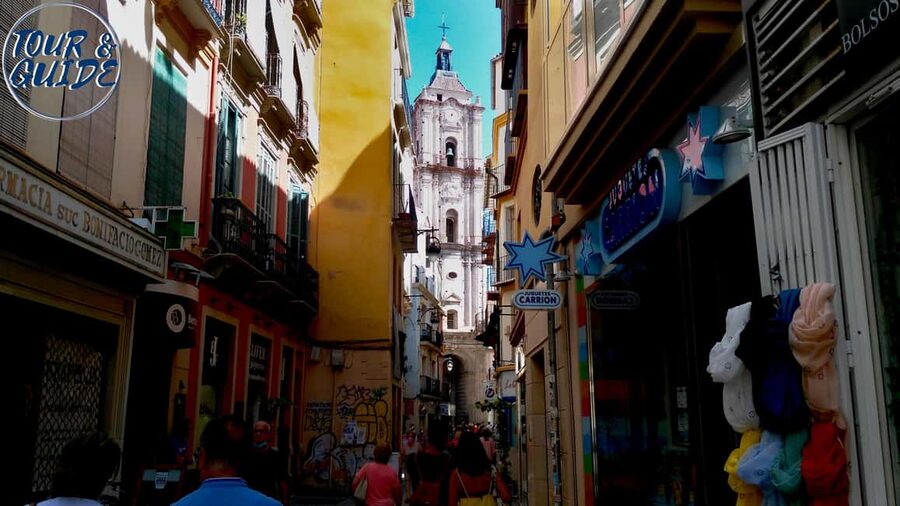
Málaga Cathedral, officially the Catedral de la Encarnación, is the grandest architectural stop. Its Renaissance design and scale give the walking route a strong visual center.
Locals call it La Manquita, or the one-armed lady, because one tower was never completed. Igor explains why construction stopped and shares the legends attached to the unfinished design. He also draws attention to details that can be overlooked if you only photograph the facade.
The scheduled visit is about 15 minutes. That is enough for an explanation of the building’s place in Málaga, but not enough for a slow interior tour. If you care deeply about church art or architecture, plan a separate visit. The walking tour’s job is to make the cathedral meaningful and memorable, not to replace a full admission visit.
This stop also shows the tour’s main strength. Igor’s background in art history gives him a natural way to explain architecture without making the presentation feel like a lecture. The best parts of the walk appear to come from this balance: clear facts, local stories, and humor.
Plaza de la Constitución and the old-town rhythm
From the cathedral, you continue through the central streets toward Plaza de la Constitución. This is the social heart of Málaga, and it provides a good pause between major monuments.
The tour then moves through Plaza de las Flores and to the Church of San Juan, a place connected with local tradition and popular devotion. These stops give you a different view of the city. You are no longer looking only at famous buildings. You are seeing the squares and churches that shape everyday movement through the center.
I like this part for orientation. Málaga’s historic district is compact but can feel confusing when its lanes twist around churches, shops, and plazas. After this walk, you should have a clearer sense of how the cathedral, Picasso Museum, main squares, and market fit together.
The walking pace is generally described as manageable, including during hot weather. Igor has been praised for finding shady places when stopping to explain buildings. Still, Málaga can be very sunny, and you should bring water, sunscreen, and a hat. Wheelchair access is listed, but historic streets and buildings can have their own practical limits, so it is sensible to confirm the exact route if you need specific assistance.
Atarazanas Market and Málaga on a plate
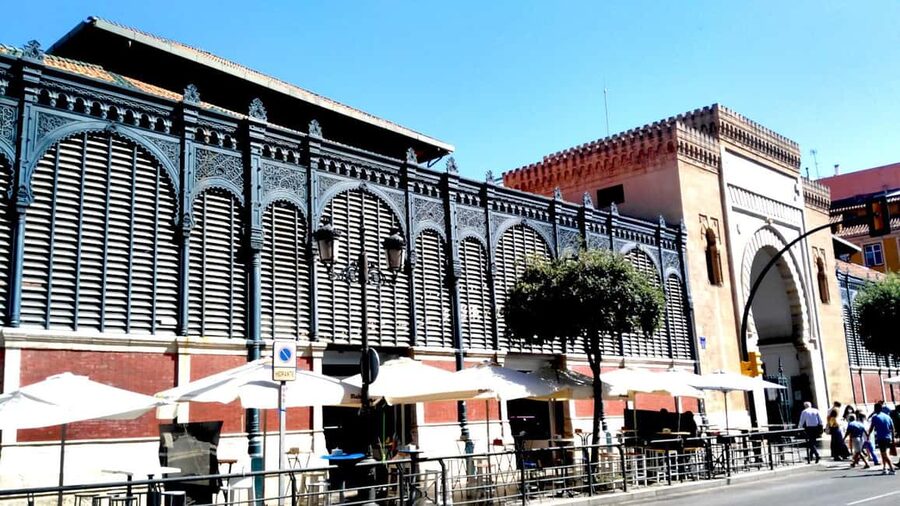
The final major sightseeing stop is Mercado Central de Atarazanas. The market occupies a former shipyard, giving it a useful link between Málaga’s maritime past and present-day food culture.
Here, you get the city through aromas, colors, and displays of local produce. The stop is guided rather than rushed, so Igor can explain why the market matters and point out the food traditions that shape Málaga life.
The included tasting may feature candied almonds and artisanal nougat. Some experiences also include a wine and tapas tasting or visits to traditional shops. The exact tasting can vary, and additional drinks and food are not included in the base price.
This is an important value point. For $26, even a small taste adds something that a standard monument tour lacks. It also gives you a low-pressure introduction to local flavors before you choose a restaurant. If you have food allergies or dietary restrictions, ask Igor in advance about the available samples.
The surprise ending and the tour’s real value

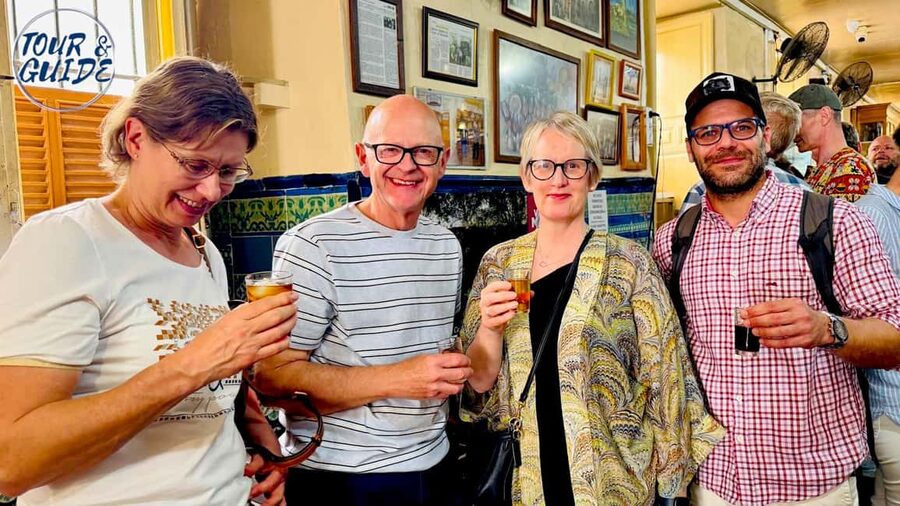
The walk ends with a surprise stop at an emblematic local place where you can sample food and drinks. The exact location is intentionally not given, so I will not spoil it. Treat it as a light final bonus rather than a guaranteed full meal.
Several accounts describe the ending as a special treat, and some walks have included a wine bar, snack shop, or traditional café. This final stop helps the tour feel personal rather than mechanical. It also gives you a relaxed chance to ask questions and gather last-minute recommendations.
The biggest practical issue is duration. The formal length is 1.5 hours, with roughly 15 minutes listed at each main stop and five-minute walks between them. In practice, the experience can last two hours or more, and one account describes nearly three hours. Igor may linger when the group is small, when questions arise, or when tastings are added.
That is good news if you want generous commentary and local tips. It is less convenient if you have a timed museum entry, a train to catch, or a restaurant reservation soon after. I would leave a clear buffer after the scheduled finish.
What the $26 price gets you
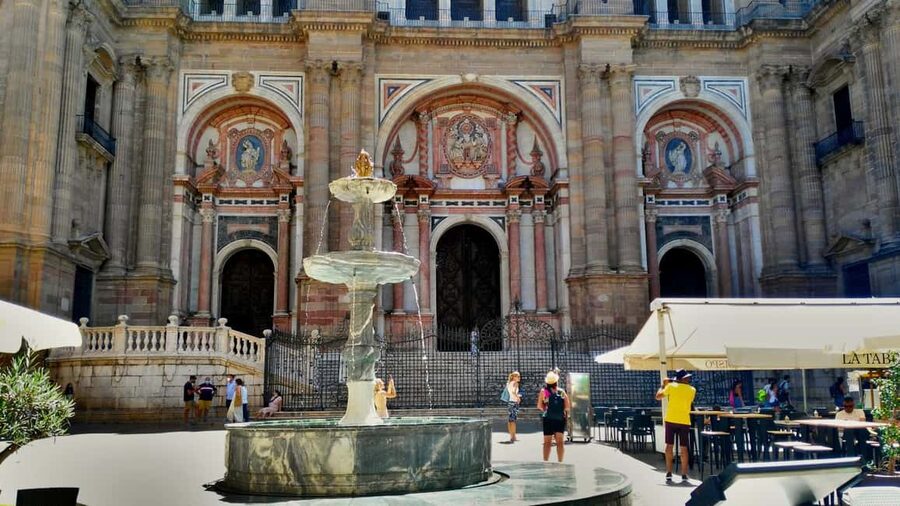
At $26 per person, this tour offers solid value for a first visit. You receive a guided walk through the historic center, commentary at several major sights, local history, architectural context, traditional samples, and a final surprise.
The value is strongest if you use it as a city orientation. Igor’s recommendations can save you from spending your next meals in the most obvious tourist spots. You also get a useful sense of which attractions deserve a longer return visit, especially the cathedral, Picasso Museum, Alcazaba, and Atarazanas Market.
The price is less compelling if you only want entry into major monuments. The tour does not promise long interior visits to every attraction, and food is limited to tastings rather than a meal. You are paying mainly for interpretation, access to local context, and a well-planned route.
The tour is offered in English, Spanish, and French. Group size is not fixed in the supplied information, but some departures have had only two people or around six. That can make a big difference, since a small group gives you more chances to ask about food, history, and places to visit later.
Who should book this Málaga walk
I would choose this tour for a first or second day in Málaga. It gives you a map in your head, introduces the city’s major stories, and leaves you with ideas for the rest of your stay.
It suits you best if you enjoy:
- Roman and medieval history explained in plain language
- Art and architecture without a formal classroom tone
- Small tastings and local food suggestions
- A relaxed walking pace
- Humor and personal recommendations from a local guide
- A route that combines famous sights with less obvious details
Families with older children may appreciate the stories and short walking sections. The tour can also work well for couples or solo visitors who want company without committing to a full-day excursion.
You may want a different experience if you need a strict finish time, want a full guided visit inside the Picasso Museum or cathedral, or prefer a dedicated food tour. In those cases, use this walk as an introduction and schedule separate visits afterward.
Should you book it?
Yes, if you want an entertaining first look at Málaga rather than a simple checklist of monuments. Igor Martínez receives especially strong praise for his humor, clear explanations, local recommendations, and ability to connect ancient history with modern city life.
Book it early in your stay so you can use the restaurant and sightseeing advice. Keep your afternoon or evening flexible, since the walk may run well beyond 1.5 hours. At $26, the combination of history, orientation, tastings, and a local guide makes this one of the better-value ways to get acquainted with central Málaga.
FAQ
Where does the Málaga walking tour meet?
Meet beside the white tourist information kiosk in Plaza de la Aduana, next to the Alcazaba. The guide will contact you shortly beforehand by WhatsApp or phone and will wear an identification card.
How long does the tour last?
The advertised duration is 1.5 hours. The walk may last longer, sometimes two hours or more, especially when questions, tastings, and the final surprise are included.
What sights are included?
The route includes the Roman Theatre, Picasso Museum area, Málaga Cathedral, Plaza de la Constitución, and Mercado Central de Atarazanas. It also covers Plaza de la Merced, Picasso’s birthplace, the Church of Santiago, Calle Granada, El Pimpi, Plaza de las Flores, and the Church of San Juan.
Is the Alcazaba included?
The tour information includes exploration of the Roman Theatre and Alcazaba fortress. The timed route does not list a separate Alcazaba stop, so confirm whether the interior is part of your specific departure.
Is food included?
Traditional tastings are included, such as candied almonds and artisanal nougat. The tour may also include a final local food and drink stop, but additional drinks, meals, and other food purchases are not included.
Which languages are available?
The live guide is available in English, Spanish, and French.
Is the tour wheelchair accessible?
The activity is listed as wheelchair accessible. Because the route passes through historic streets and buildings, contact the guide in advance if you need details about the specific route.
Can I cancel or pay later?
You can cancel up to 24 hours before the activity for a full refund. A reserve-now, pay-later option is also available.
More 2-Hour Experiences in Spain
- Barcelona: Jewish Quarter 2-Hour Walking Tour
★ 4.8 · 333 reviews - Barcelona 2-Hour Gothic Walking Tour
★ 4.7 · 317 reviews - Jewish Walking Tour Barcelona by Expert Jewish Guide 2h
★ 5.0 · 297 reviews - Barcelona in 2 Hours: Guided Walk Through History and Sights
★ 5.0 · 203 reviews
More Cultural Walking Tours in Spain
- Cultural Walking Tour of Seville Monumental
★ 5.0 · 861 reviews - Savannah First Squares Culinary & Cultural Walking Food Tour
★ 5.0 · 3,229 reviews - Tokyo Tsukiji Fish Market Food and Culture Walking Tour
★ 5.0 · 3,184 reviews - New Orleans French Quarter, Voodoo and Culture Walking Tour
★ 4.5 · 2,961 reviews
Just added around Spain
- Bilbao Food Tour – Basque Gastronomy Experience★ 5.0 · 79 reviews
- Bilbao´s Old Town Responsible Free Walking Tour★ 4.5 · 98 reviews
- Bilbao Walking Small Group Tour★ 5.0 · 203 reviews
- Barcelona Private Food Tour: Tapas, Paella & 8+ Food Tastings★ 5.0 · 164 reviews
- Barcelona Gothic Quarter Walking Tour with Tapas★ 5.0 · 248 reviews
- Private Barcelona Old Town and Gothic Quarter Walking Tour★ 5.0 · 134 reviews
- Barcelona Architecture Walking Tour With Casa Batlló Upgrade★ 5.0 · 137 reviews
- Picasso Museum and Walking Tour Plus Optional Wine & Food Tasting★ 5.0 · 596 reviews
History Walking Tours, compared.
History and Hauntings of Salem Guided Walking Tour
Read our review →

Freedom Trail History Small Group Walking Tour
Read our review →
Historic Charleston Guided Sightseeing Walking Tour
Read our review →
Tapas Walking Tour with Food, Wine, and History
Read our review →
Savannah History and Haunts Candlelit Ghost Walking Tour
Read our review →
A History of Terror – Belfast City Centre Walking Tour
Read our review →Browse the lists this tour appears in