
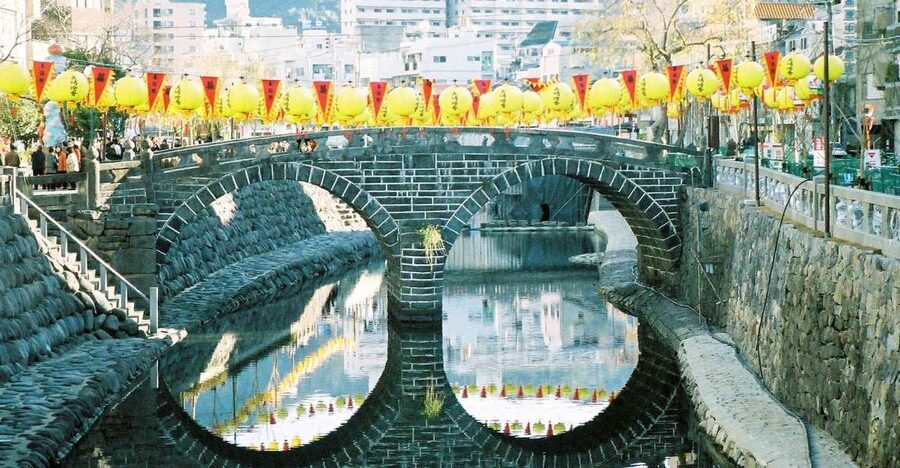
Review · PRIVATE WALKING TOURS
Nagasaki: Private Walking Tour with a Local
Nagasaki rewards curious walkers. This private tour gives you a local guide, no fixed route, and three to six hours to shape the city around your interests. I especially like the freedom to choose between major places such as the Atomic Bomb Museum and Peace Park, or to ask for smaller local stops, food advice, and neighborhood stories. I also like that guides can help you use trams, taxis, or walking routes when the day calls for more ground than your feet can cover.
The main drawback is also the tour’s defining feature: you need to help shape it. If you want a polished, prewritten route with a full set of historical explanations, this may feel too open-ended. One earlier guest felt the company should offer more suggested itineraries and background material for guides. Still, guides such as Yuki, Suniff, Masaaki, Senyo, and Muhammad have earned strong praise for preparation, flexibility, and personal attention.
Key points to know before booking
- Private from start to finish: You have the guide to yourself, with no strangers and no set group route.
- The meeting point can fit your day: Choose a hotel, a central landmark, a quiet café, the Statue of Dr. Sun Yat-sen, or the Nagasaki Atomic Bomb Museum, as long as it is in or near the city center.
- Major sights can be combined with local stops: Depending on your interests, the route may include Peace Park, the Atomic Bomb Museum, Dejima, the Nagasaki Ropeway, shopping streets, cafés, or places to eat.
- Your guide can help beyond sightseeing: Ask for tram advice, restaurant suggestions, shopping tips, or help planning the rest of your day.
- Three hours is useful, six hours is much better for a broad plan: A shorter tour suits one area, while a longer booking allows more time for major sights and local neighborhoods.
- You pay extra for admissions, food, drinks, and transport: If you want your guide inside a paid attraction, you also cover the guide’s admission.
Why a private local walk works well in Nagasaki
Nagasaki is not a city you understand by ticking off one attraction at a time. Its story reaches from international trade and Christian heritage to wartime memory, hillside views, food, and everyday neighborhoods. A local guide can help connect those pieces in a way that a standard route may not.
The private format matters here. You can spend longer at the places that matter to you and move on quickly when a stop does not hold your attention. A family with children might focus on views, food, and a few key sites. A history-minded visitor might devote most of the walk to the Atomic Bomb Museum and Peace Park. Someone visiting by cruise ship can ask for a tight route that gets back to the ship on time.
I also like the conversation-based approach. Several guides have been praised for sharing personal stories about Nagasaki rather than reciting only dates and facts. Yuki, in particular, has been praised for bringing the city’s story to life while adding her own perspective. That personal layer is one of the best reasons to book a private walk instead of simply following a map.
More Private Walking Tours in Japan
- Osaka: Hotspots & Hidden Gems Walking Tour Private or Group
★ 4.9 · 1,300 reviews - Nara Half Day Trip Walking Tour (Private Option Available)
★ 5.0 · 937 reviews - Tokyo: Private Custom Walking Tour with Local Guide
★ 4.8 · 533 reviews
Choosing a starting point in central Nagasaki
You can request a specific meeting time and ask the Lokafyer to meet you at a preferred place in or near central Nagasaki. A hotel or café is easiest if you are already in town. The Statue of Dr. Sun Yat-sen, Umeya Shōkichi and Toku is another listed option, as is the Nagasaki Atomic Bomb Museum.
The meeting point can make a real difference to a short tour. If you have only three hours, avoid spending too much of that time crossing the city to meet your guide. If the Atomic Bomb Museum is your main goal, meeting there can put you straight into the most important part of your visit.
Cruise passengers should give the guide clear information about their arrival point and available time. Muhammad was praised for meeting a cruise passenger at the terminal, while Jun helped a guest get back to the ship after the tour. Those examples show why you should state your transport schedule before the day begins.
The booking includes pickup, but local transportation around the city does not come with the price. Guides have adapted routes with public transport and taxis, yet you should expect to pay those fares yourself.
The Atomic Bomb Museum and Peace Park
For many people, the Atomic Bomb Museum and Peace Park will be the emotional center of the day. These are not casual sightseeing stops, and the pace should allow room for quiet attention. Senyo was praised for handling Nagasaki’s wartime story with care, while Masaaki helped explain details that can be hard to grasp when navigating the sites alone.
A guide can add useful context as you move between the museum and the park. You can ask questions at the moment they arise, rather than trying to sort out the meaning of displays later. That is especially valuable if you are visiting with children or with family members who want a clear but measured explanation.
The museum itself requires an admission fee, and you should also pay the guide’s admission if you want the guide to enter with you. The tour price does not include either cost. Clarify this point when planning the route, since a museum visit can take a substantial part of a three-hour booking.
Some visitors may prefer not to spend the entire walk on wartime sites. That is easy to adjust in a private tour. You can combine the museum and Peace Park with a tram ride, a café, a shopping area, or another part of the city.
Dejima, Ropeway views, and other major stops
The route can include well-known Nagasaki sights, but no fixed list is promised. One three-hour outing included the Atomic Bomb Museum, Peace Park, and the Nagasaki Ropeway. Another combined the museum and Peace Park with a tram ride to Dejima.
Dejima offers a different side of Nagasaki from the solemnity of the Peace Park. Its importance comes from the city’s long connection with overseas trade and contact with the outside world. If you want a broader picture of Nagasaki, asking to include Dejima makes sense.
The Nagasaki Ropeway adds a scenic break and a chance to see the city from above. It is an optional activity, so check the cost before adding it. A private guide can help fit it into the day, but the timing will depend on your route and the time available.
Do not assume every major sight fits comfortably into three hours. The city’s hills and changing transport needs can eat into your schedule. A longer booking gives you a better chance of combining the main sights with less obvious places without rushing.
Same streets, a different way to see them:
- Kyoto Geisha Walking Tour: Gion District & Hidden Gems
★ 4.7 · 3,273 reviews - Tokyo Tsukiji Fish Market Food and Culture Walking Tour
★ 5.0 · 3,184 reviews - Kyoto: Gion Magical Night Walking Tour with Geisha Trivia
★ 4.9 · 2,393 reviews - Tokyo: Imperial Palace and Shogun Historical Walking Tour
★ 5.0 · 2,251 reviews
Local cafés, food stops, and everyday Nagasaki
The most memorable part of this experience may be a stop you would never have found on your own. The tour description points to local cafés, street art, and neighborhood spots, and the guides have also helped guests choose restaurants and lunch stops.
One guest singled out the lunch stop as a highlight. Another guide took a visitor to an authentic Japanese seafood restaurant during a changed itinerary in Sasebo. These examples do not guarantee a particular restaurant, but they show the value of telling your guide what you like to eat and how adventurous you want to be.
Ask for practical advice, not just a list of famous dishes. You can ask where to eat after the tour, where locals shop, or which area suits a quiet coffee break. A guide who knows your budget, dietary needs, and preferred pace can offer more useful suggestions than a general city guide.
Food and drinks are not included. If you stop for lunch or coffee, you pay your own bill. That keeps the tour flexible, but it also means you should allow extra money and time for the choices you make along the way.
How much can you cover in three to six hours?
The three-hour option is best for a focused plan. You might choose the Atomic Bomb Museum and Peace Park, Dejima and a nearby area, or a short introduction to central Nagasaki with practical advice for the rest of your day.
A longer booking is a better choice if you want both major sights and local life. Six hours can give you breathing room for a museum, a scenic stop, food, shopping, and some transport between districts. It also allows your guide to adjust the pace if you find an area worth lingering in.
The walking itself should not be underestimated. Comfortable shoes are recommended, and Nagasaki’s hills can make a route more demanding than its map suggests. If you prefer less walking, say so before the tour. Guides have balanced walking with public transportation and taxis, although those extra fares are not included.
This flexibility works particularly well for families and mixed-ability groups. The tour is wheelchair accessible, but the exact route should be discussed in advance so the guide can plan around your needs.
What the guides add to the experience
The strongest pattern is personal attention. Yuki has been praised for communicating before the tour, planning carefully, and adjusting the day to match specific interests. Suniff was praised for enthusiastic stories about his hometown, while Ren and Rem were noted for preparation and clear English.
Several guides have taken people to places they would not have found alone. That may mean a side street, a favorite café, a local shopping area, or a viewpoint. The exact stops depend on the guide and your conversation, so you should treat the experience as a partnership rather than a standard sightseeing product.
Language is another practical strength. The tour is offered in English, and the feedback repeatedly highlights clear communication. You should still send your priorities in advance. A short note about your interests gives the guide something useful to work with instead of leaving every decision until the first meeting.
The one fair caution is consistency of content. Because different local guides lead the tours, the historical depth and route style may vary. One earlier guest enjoyed the guide’s personality and practical help but wanted more prepared information about Nagasaki’s sights. If detailed historical instruction is your main goal, say that clearly when booking.
Is $82 per person good value?
At $82 per person, this is not the cheapest way to walk around Nagasaki. You are paying for a private guide, a tailored route, and the ability to ask for help with the rest of your visit. For a couple or small family, the cost can be reasonable if you use the guide well.
The value is strongest on a first visit, during a short port call, or when you have several competing interests. A guide can save time, explain how to move between areas, and help you avoid spending half the day working out what to do next.
The value is weaker if you already know Nagasaki well or only want a fixed historical lecture. Entrance fees, transport, food, drinks, and optional activities are extra, so budget for those separately.
Children under three join free, and children from three to twelve receive a 50 percent discount. That makes the private format more appealing for families than the headline adult price might suggest.
Who should book this Nagasaki walking tour?
I would recommend it most strongly to first-time visitors who want orientation without being pushed through a rigid route. It also suits curious repeat visitors, cruise passengers, food-focused visitors, and anyone who prefers conversation over a formal script.
It is a good choice if you have a clear wish list but want local help joining the pieces together. It is also useful if you have no plan at all, provided you are willing to discuss your interests and let the guide suggest a direction.
I would be more cautious if you expect a guaranteed list of sights, a professional historian, or a fully planned itinerary delivered without input from you. Before booking, send three priorities and one thing you do not want to do. That simple step should make the flexible format work much better.
The tour offers free cancellation up to 24 hours before the start, and you can request a specific time. That helps when you are working around a cruise schedule or a packed day in Nagasaki.
FAQ
How long does the Nagasaki private walking tour last?
The tour lasts between three and six hours. You can check available starting times and request a specific time.
Is the tour private?
Yes. It is a private group experience with a local guide, called a Lokafyer.
Where can the guide meet me?
Pickup is available at your hotel, an iconic landmark, or a quiet café in or near the city center. Listed meeting options include the Statue of Dr. Sun Yat-sen, Umeya Shōkichi and Toku, and the Nagasaki Atomic Bomb Museum.
Can I choose what to see?
Yes. The route is personalized, with no fixed itinerary. You can bring specific interests, questions, or no plan and shape the walk with your guide.
Can the tour include the Atomic Bomb Museum and Peace Park?
Yes, these sites have been included in previous customized routes. Admission fees are not included, and you must also cover the guide’s admission if you want the guide to enter a paid attraction with you.
Are food and drinks included?
No. Meals, drinks, personal expenses, and optional activity costs are not included.
Is local transportation included?
No. The tour is primarily a walking experience. If you use trams, taxis, or other local transport, you pay those costs separately.
Is the tour wheelchair accessible?
Yes, the activity is listed as wheelchair accessible. It is wise to discuss your preferred route with the guide in advance.
What is the cancellation policy?
You can cancel up to 24 hours before the tour for a full refund.
Should you book it?
Book this tour if you want Nagasaki to feel personal rather than prepackaged. The best use of your time is to combine one or two major sights with a local food stop, a neighborhood walk, and practical advice for the rest of your stay.
Before the tour, send your guide a short wish list, your walking limits, and any transport deadline. If you do that, the private format becomes a real advantage. If you want a fixed route with guaranteed commentary at every major sight, choose a more structured tour instead.
Just added around Japan
- Tokyo: Asakusa & Sensoji ー Oldest Temple Walking Tour (2hrs)★ 5.0 · 213 reviews
- Asakusa Senso-ji Temple and Old Tokyo Walking Tour★ 5.0 · 560 reviews
- Asakusa Cultural Walk & Matcha Making Tour★ 5.0 · 245 reviews
- Tokyo: Tsukiji Market Walking Tour & Sushi Cooking Class★ 4.6 · 122 reviews
- Tokyo: Dark Side of Tokyo Shinjuku Red Light Walking Tour★ 4.7 · 862 reviews
- Tokyo: Shinjuku Nightlife & Secret Backstreets Walking Tour★ 4.8 · 229 reviews
- Tokyo: Shibuya Highlights Walking Tour & Secret View Spot★ 4.9 · 196 reviews
- Tokyo: Shinjuku Bar Hopping & Night Walking Tour★ 4.6 · 137 reviews
Private Walking Tours, compared.
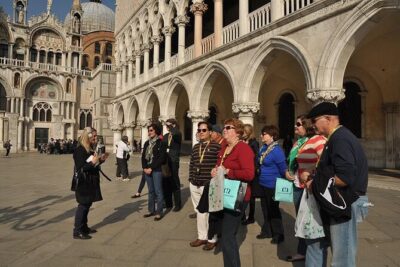
Private 3 hrs Venice Tour: St Mark’s, Walking tour & Boat tour
Read our review →
Private Street Food Evening Walking Tour in Ho Chi Minh City
Read our review →
Old Quebec City: Grand Walking Tour with Private Option
Read our review →
Barcelona Helicopter, Sailboat & Old Town Private Walking Tour
Read our review →
Browse the lists this tour appears in