
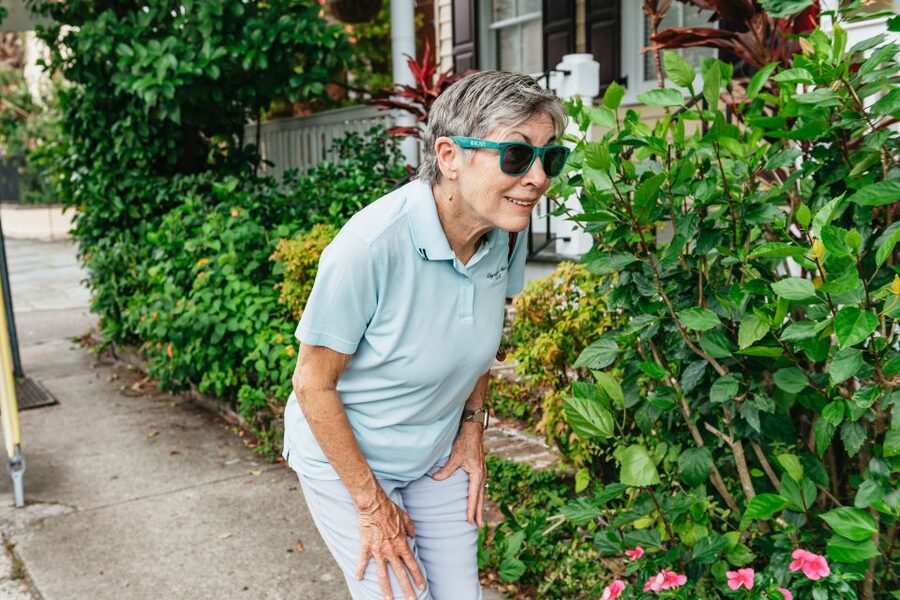
Review · HISTORY WALKING TOURS
Charleston: Old Walled City Historical Walking Tour
Charleston’s stones tell stories. This two-hour walk brings the city’s colonial past, fires, hurricanes, epidemics, sieges, and earthquake into focus without turning the experience into a dry lecture. I like the route’s mix of churches, homes, waterfront views, and old public buildings. I also like the chance to hear local perspective from guides such as Al, Bruce, Eric, and Alfie, including a 7th-generation Charlestonian guide.
The main drawback is simple: you cover a fair amount of ground in two hours. Charleston’s heat, sun, cobblestones, and uneven sidewalks can make the walk tiring, and some guides speak quickly when they get excited. Still, the tour earns strong marks for its humor, detail, and willingness to discuss difficult parts of the city’s past.
Key reasons to consider this Charleston walk
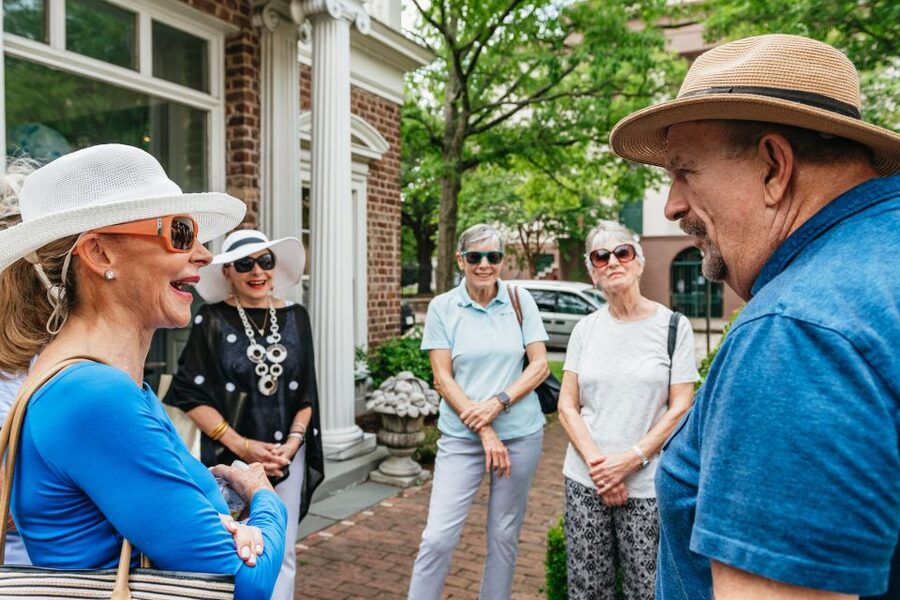
- A local view of the city: Some guides have deep family ties to Charleston, including a 7th-generation Charlestonian.
- History beyond pretty houses: The talk covers piracy, rice planters, colonial growth, slavery-era Charleston, fires, storms, disease, sieges, bombardments, and the great earthquake.
- A well-rounded downtown route: You see the French Quarter, Dock Street Theatre, Old Exchange, Waterfront Park, Rainbow Row, historic houses, and St. Michael’s Episcopal Church.
- Strong guide-led storytelling: Al, Bruce, Eric Wright, and Alfie are repeatedly praised for humor, clear explanations, and personal stories.
- Good first-day orientation: The route gives you a useful sense of Charleston’s historic core, with ideas for where to return later.
- A modest price for two hours: At $30 per person, the tour offers solid value if you want context rather than a quick photo walk.
Starting on Chalmers Street in the old walled city

Meet your guide on the sidewalk at Meeting Street and Chalmers Street, near Shop Historic Charleston. Chalmers is the cobblestone street, so wear shoes with a firm sole and enough support for walking over uneven ground.
The setting gives you a quick sense of Charleston’s character. The city is known for colorful pre-colonial and post-colonial homes, storefronts, churches, and public buildings packed into a walkable historic core. This is not a bus tour where the city passes outside a window. You move at street level, stop often, and hear how buildings and public spaces fit into larger events.
The meeting point is central to the route, and the tour returns there at the end. That makes it easy to continue sightseeing, find lunch, or revisit one of the stops that caught your attention.
The tour is offered in English with a live guide. Since the route involves substantial walking, I would schedule it when you have enough energy to listen and keep pace. Bring water, sunscreen, comfortable shoes, and clothing suited to the weather.
More History Walking Tours in the USA
- Historic Charleston Guided Sightseeing Walking Tour
★ 5.0 · 6,216 reviews - Hidden Alleyways and Historic Sites Small-Group Walking Tour
★ 5.0 · 2,335 reviews - Charleston historical walking tour with a Professor of History at The Citadel
★ 5.0 · 1,284 reviews
The French Quarter sets the historical tone
The longest portion of the walk takes place around the French Quarter, with roughly 50 minutes of walking, sightseeing, and photo stops. This is where the tour begins to connect Charleston’s attractive streets with the events that shaped them.
Your guide discusses the city’s colonial roots and rapid growth, then moves through later chapters such as piracy and the rise of rice planters. The value here is the connection between architecture and power. A fine house is not just a pretty facade. It can point to wealth, trade, labor, politics, and the people whose work supported Charleston’s growth.
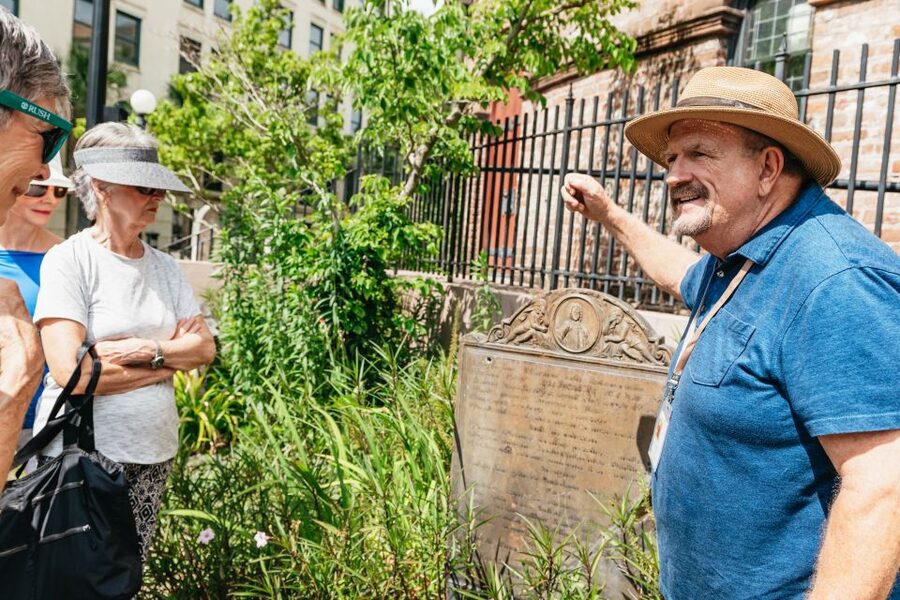
You may also hear about symbols found on old tombstones. That detail gives the walk a more observant quality. Instead of simply passing a cemetery or churchyard, you learn to look at carved signs and ask what they reveal about the person, family, or era.
The history is not presented as a straight parade of famous names. Natural disasters and public crises also receive attention. Seven major fires, hurricanes, epidemics, sieges, bombardments, and a devastating earthquake all left marks on Charleston. That wider view helps explain why the city has changed, rebuilt, and adapted so many times.
Churches, public buildings, and difficult chapters
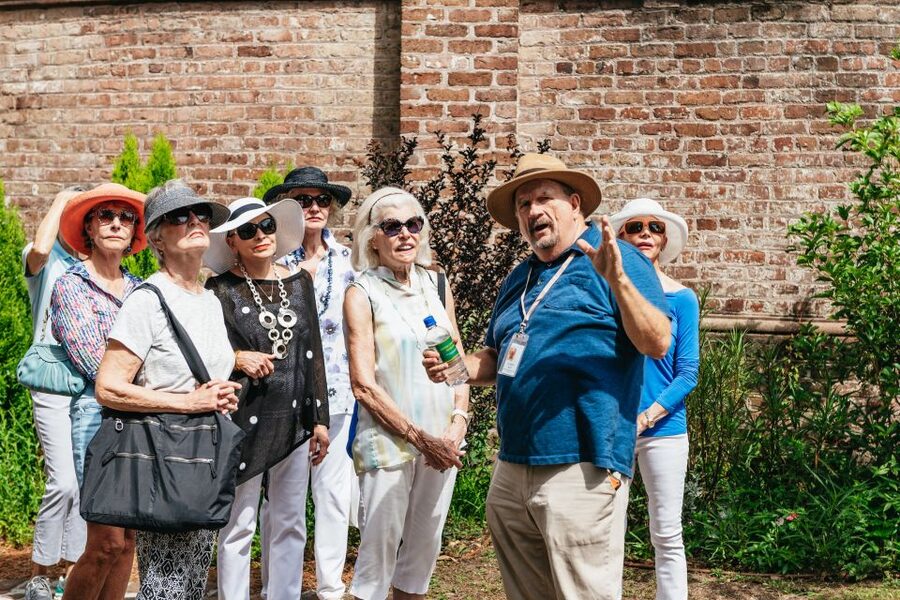
The route moves through Charleston County and toward several major historic sites. Some stops are brief photo opportunities, while others receive a fuller explanation. The pacing gives you many snapshots rather than long interior visits.
That distinction matters. This is primarily an outdoor walking tour, not a ticketed house museum program. You should expect to look at historic places from the street and hear their stories rather than spend long periods inside them.
The guides are praised for making the past easy to follow. Al is repeatedly described as enthusiastic, humorous, and deeply familiar with Charleston. Bruce is praised for his broad understanding of the city, while Eric Wright is noted for linking history, architecture, and personal questions from the group. Alfie, who has guided since 1982 according to one account, is another guide singled out for both information and entertainment.
Guide assignments can vary, so you should not book on the assumption that one particular person will lead your walk. Still, the pattern is clear: the experience depends heavily on the guide’s delivery, and the available accounts point to a strong team.
The tone also seems willing to address hard subjects. One detailed account praised a guide for discussing difficult topics with honesty and care. That is important in Charleston, where attractive streets sit alongside a past shaped by forced labor, conflict, wealth, disease, and unequal power. You get more from the city when the tour does not smooth away those contradictions.
Dock Street Theatre and the Old Exchange
The Dock Street Theatre receives about 15 minutes. It is a useful stop for seeing how Charleston’s cultural life developed alongside its political and commercial life.
Here, your guide can help you read the building as part of the city rather than as an isolated attraction. The talk moves beyond dates and names, using stories and local connections to make the setting memorable. If you enjoy architecture, this part of the walk should appeal to you. Several guides are praised for explaining how buildings reflect Charleston’s changing periods.
Next comes the Old Exchange and Provost Dungeon, with about 12 minutes of sightseeing and photography. This stop brings the city’s colonial and wartime chapters into sharper focus. The name alone points to both commerce and confinement, two forces that shaped Charleston’s public life.
Do not expect a full dungeon tour or a long indoor visit as part of this walking experience. The stop is short, and the guide provides the context while you explore from the route. For a first look at the historic core, that balance works well, though anyone wanting extensive interior access should plan a separate visit.
More History Walking Tours in Charleston:
- Charleston: History and Architecture Guided Walking Tour
★ 4.8 · 349 reviews - Charleston walking tour with a Citadel history professor
★ 5.0 · 105 reviews - History and Hauntings of Salem Guided Walking Tour
★ 5.0 · 14,564 reviews - Lisbon: History, Stories and Lifestyle Walking Tour
★ 4.8 · 10,902 reviews
Waterfront Park and Rainbow Row
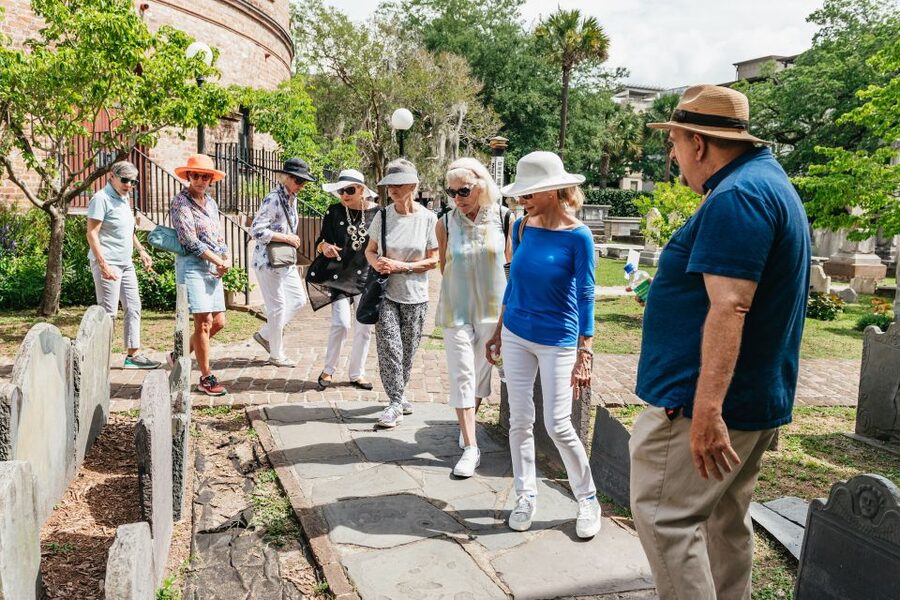
Waterfront Park offers around 15 minutes, including scenic views along the way. It is a welcome change of pace after the denser streets and older buildings.
The park gives you room to take in the water and think about Charleston’s position as a port city. The tour’s wider story of trade, storms, fires, and rebuilding gains meaning here. You are not only looking at a pleasant public space. You are standing near the setting where the city’s relationship with commerce and the sea becomes easier to picture.
Rainbow Row follows with about seven minutes. This is a short stop, but it delivers one of the route’s most recognizable views. The colorful row houses are made for photos, and the guide can add meaning to what might otherwise be a quick camera stop.
The drawback is that the short timing means you will not linger everywhere. If you want uninterrupted time for detailed photographs, you may need to return after the tour. That is not a flaw in the route so much as a reminder that this is a broad introduction, not a slow photography session.
Heyward-Washington House and St. Michael’s Church
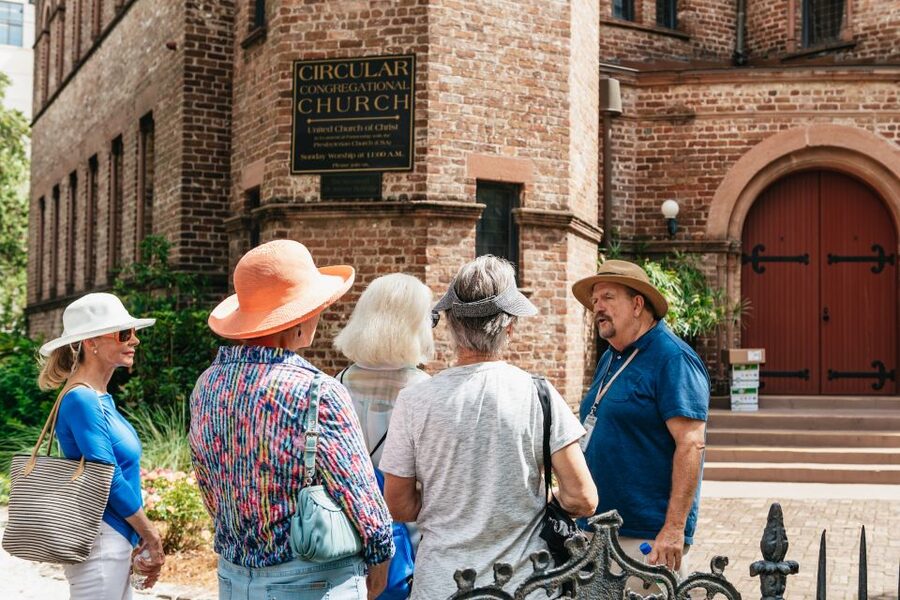
The walk continues to the Heyward-Washington House, with about five minutes for a photo stop and sightseeing. The brief timing suggests that you will hear a concise explanation and keep moving rather than take an extended house visit.
This kind of stop works best if you enjoy building a mental map of Charleston’s historic homes. The guide adds the human stories and local connections that you cannot get from a quick glance at the exterior. One guide was praised for knowing the history of individual houses and adding entertaining details about people associated with them.
St. Michael’s Episcopal Church receives about 12 minutes. Its presence helps show how churches shaped Charleston’s civic and visual identity. As with the other major sites, the emphasis is on seeing, listening, and discussing rather than a long formal interior tour.
The tour then returns to Shop Historic Charleston. By that point, you have crossed several parts of the old city and seen how homes, churches, public buildings, waterfront spaces, and commercial streets fit together.
How the guides shape the experience
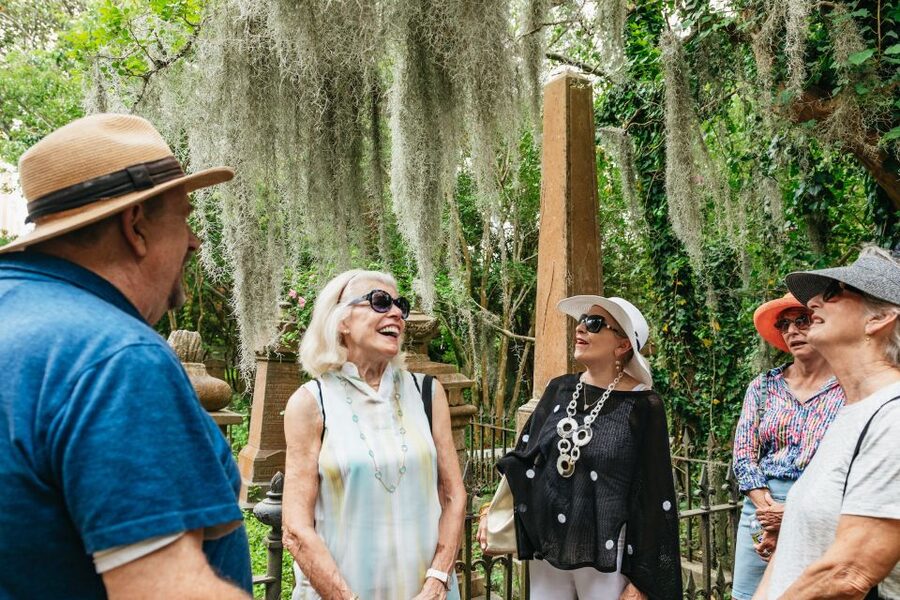
This tour is strongest when you want a person to interpret Charleston for you. The guide is not simply pointing out facades. The better moments come from connections: a building linked to a local family, a disaster that altered a street, a tombstone symbol explained in context, or a personal story about growing up in the city.
Al receives especially warm praise for his energy and command of Charleston’s past. Bruce is described as an excellent guide with wide-ranging insight. Eric Wright is repeatedly credited with making the walk conversational and adapting to the group. Some accounts also describe very small groups, including one walk with only two people, though group size can vary.
That flexibility can make the experience feel personal. One guide tailored the discussion to the group’s interests, while another adjusted the route for a person using a wheelchair. You should still discuss mobility needs in advance, since cobblestones and historic sidewalks can be challenging, and the tour description clearly warns that substantial walking is involved.
Listening conditions deserve attention. One person with hearing difficulty found that a guide’s voice sometimes faded or dropped in volume. If you have trouble hearing, position yourself close to the guide and ask for clear projection at the start. A smaller group can help, but it is not guaranteed.
A few guides may also speak quickly when excited. Mary from Thailand appreciated the enthusiasm but wished her guide had slowed down. You can ask for a slower pace, especially when the group is small.
Is $30 a fair price?
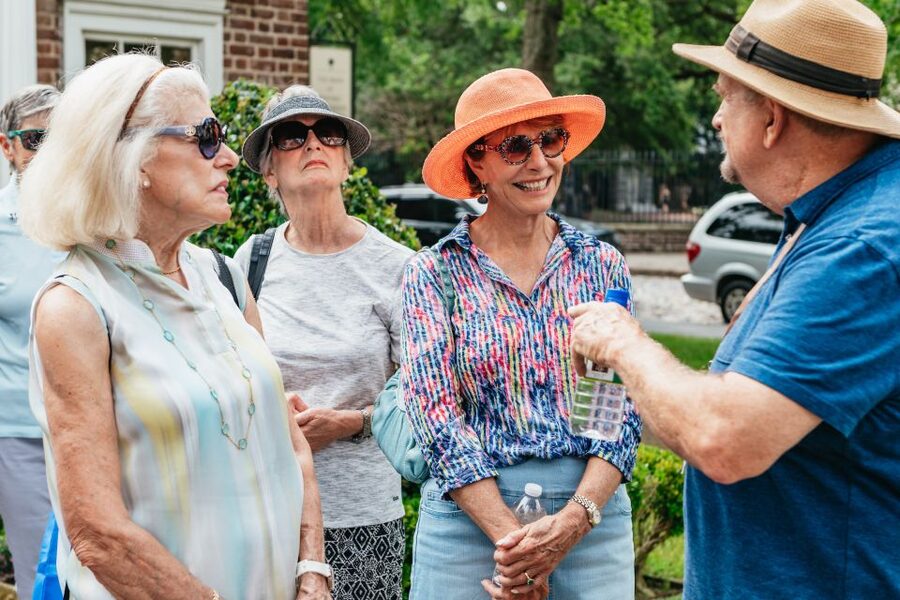
At $30 per person, the value is good if you want a structured introduction to Charleston’s historic center. You receive two hours with a professional guide, a substantial route, and explanations that tie many separate sites into one story.
The tour is particularly useful at the beginning of a Charleston stay. You get the lay of the land, learn which streets and buildings deserve a second look, and pick up background that can sharpen later visits to museums or historic houses.
The price is less compelling if you mainly want photographs or prefer to explore quietly at your own pace. You can walk through the same general area without a guide. What you are paying for is interpretation, local memory, and the ability to ask questions as the city unfolds around you.
The reserve-now-and-pay-later option also gives you some planning flexibility, and cancellation is allowed up to 24 hours before the tour for a full refund. Check the available starting times when booking, since the walk lasts two hours and weather can affect your comfort.
Who should book this walk?
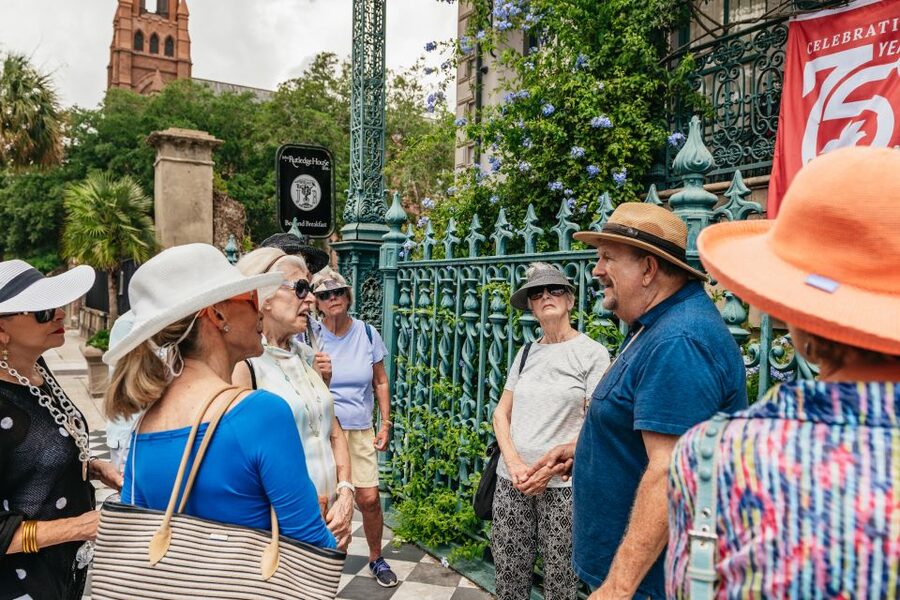
I would choose this tour for a first visit, especially if you enjoy history, architecture, local stories, and steady walking. It also suits repeat visitors who want to see familiar streets through a more informed local lens. One long-time Charleston resident found that the guide still revealed new places and details, which says something about the route’s potential beyond a basic first-timer overview.
Families can fit in well, provided children can manage the distance and listen for stretches of time. A guide has been praised for being patient and kind with children, but this remains a walking lesson rather than a child-focused activity.
You should think twice if heat, uneven ground, or long periods on your feet are serious concerns. The route is not described as strenuous, and one account called the walk easy, but the official guidance still warns of substantial walking. Water, sunscreen, weather-ready clothing, and solid shoes are not optional extras here.
Final verdict: a smart first morning in Charleston
I recommend the Old Walled City Historical Walking Tour if you want Charleston explained by someone who cares about the place. The best parts are the local voices, the broad range of subjects, and the way the route joins famous views with less polished chapters of the past.
Book it early in your visit so you can use the orientation for the rest of your stay. Choose another activity if you want extensive interior access, a slow photo walk, or a short route with little physical effort. At $30, this is a sensible buy for an English-speaking visitor who wants two useful hours of history, architecture, and local storytelling.
FAQ
How long does the Charleston Old Walled City Historical Walking Tour last?
The tour lasts two hours.
How much does the tour cost?
The price is $30 per person.
Where does the tour meet?
Meet on the sidewalk at the corner of Meeting Street and Chalmers Street, near Shop Historic Charleston.
What language is the tour offered in?
The tour is conducted in English with a live guide.
What sights are included?
The route includes the French Quarter, Dock Street Theatre, the Old Exchange and Provost Dungeon, Waterfront Park, Rainbow Row, the Heyward-Washington House, St. Michael’s Episcopal Church, and other historic streets and buildings.
What should I bring?
Bring comfortable shoes, sunscreen, water, and clothing suitable for the weather.
Can I cancel for a refund?
Yes. You can cancel up to 24 hours in advance for a full refund. You can also reserve now and pay later.
Just added around Charleston
- Charleston walking tour with a Citadel history professor★ 5.0 · 105 reviews
- Charleston: 90-Minute Ghost & Graveyard Walking Tour★ 4.5 · 75 reviews
- Charleston: History and Architecture Guided Walking Tour★ 4.8 · 349 reviews
- Charleston: 90-Minute Ghost and Dungeon Walking Tour★ 4.2 · 266 reviews
- Charleston Ghost & Graveyard Night-Time Guided Walking Tour★ 4.5 · 1,100 reviews
- Charleston historical walking tour with a Professor of History at The Citadel★ 5.0 · 1,284 reviews
- Charleston’s Pleasing Terrors Night-Time Walking Ghost Tour★ 5.0 · 1,345 reviews
- Charleston Haunted Booze and Boos Ghost Walking Tour★ 5.0 · 1,569 reviews
History Walking Tours, compared.
History and Hauntings of Salem Guided Walking Tour
Read our review →
Freedom Trail History Small Group Walking Tour
Read our review →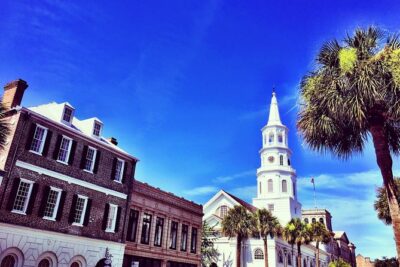
Historic Charleston Guided Sightseeing Walking Tour
Read our review →
Tapas Walking Tour with Food, Wine, and History
Read our review →
Savannah History and Haunts Candlelit Ghost Walking Tour
Read our review →
A History of Terror – Belfast City Centre Walking Tour
Read our review →Browse the lists this tour appears in