
Review · HISTORY WALKING TOURS
Strasbourg: Guided Historical Neighborhoods Walking Tour
Strasbourg reveals itself on foot. This 2.5-hour walk links grand squares, half-timbered lanes, and the cathedral while a local guide explains how the city changed from its earliest settlement through modern European conflicts. I especially like the small group of up to 10 and the way the tour mixes major sights with useful food and coffee advice. The main thing to consider is the weather: you will spend the entire experience outdoors, and one cold-weather outing felt too stationary for one participant.
I also like the clear route from Place de la République to Petite France and Notre Dame Cathedral. Guides such as Davide, also called David in several bookings, are praised for humor, energy, and easy-to-follow storytelling. The tour does not include cathedral entry, so you will need separate time and an entrance ticket if you want to see the interior.
Key points at a glance
- A compact route through Strasbourg’s major districts: Walk from Neustadt and Place de la République through Place Broglie, Place Kléber, Grand’Rue, Petite France, and the cathedral square.
- Small groups make the history easier to follow: With no more than 10 people, it is simpler to hear the guide and ask questions.
- Davide’s style is lively and practical: Expect historical facts mixed with humor, local anecdotes, and suggestions for restaurants, bars, coffee, and further sightseeing.
- Petite France provides the most atmospheric walking: Original half-timbered houses and canals give this part of the route its visual appeal.
- The cathedral is the grand finale, not an interior visit: You finish at Place de la Cathédrale after hearing stories about Notre Dame’s Rayonnant Gothic design.
- The tour is a good first-day orientation: It gives you a useful map of central Strasbourg before you explore on your own.
Why this Strasbourg walking tour is useful
Strasbourg can feel like several cities joined together. The imperial Neustadt has broad avenues and formal buildings, while the old center compresses into narrow lanes, squares, bridges, and timber-framed homes. The tour works because it connects these areas instead of treating the historic center as one postcard scene.
You get a broad introduction to the city in 150 minutes. That is long enough to understand the main story, but short enough to leave time for a museum, a meal, or a second look at the places you liked best.
The historical scope is unusually wide for a short walk. The guide covers Strasbourg from its founding and early settlement through its changing political identity and contemporary wars. This matters because the city’s past is not simple. Strasbourg and Alsace have repeatedly shifted between French and German influence, and the buildings make more sense once you understand that background.
The strongest part is the presentation. Davide is repeatedly praised for telling difficult or complicated subjects with humor and warmth. He keeps the group moving and explains history in a logical order, rather than throwing dates at you. If you like a tour that feels conversational rather than academic, this is a good match.
More History Walking Tours in France
- Paris: Dark History and Ghostly Guided Walking Tour
★ 4.7 · 1,000 reviews - Vieux Lyon Cultural & Historical Walking Guided Tour (English)
★ 5.0 · 942 reviews - Paris City of Fashion History Private Guided Walking Tour
★ 5.0 · 221 reviews
Starting at Place de la République and entering Neustadt
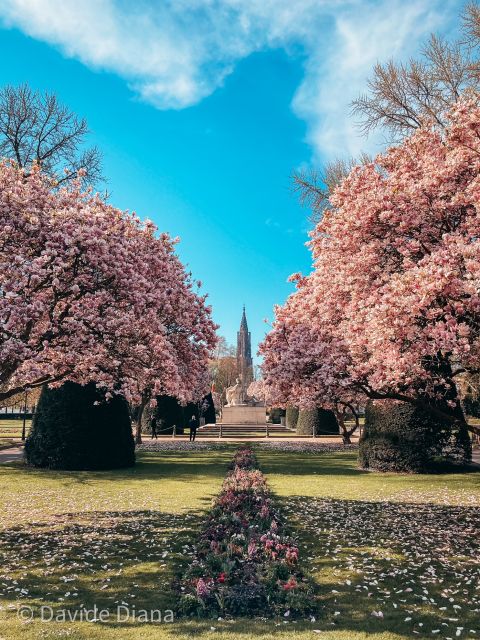
The meeting point is in the center of Place de la République, in front of the war memorial. That detail matters because the square is large, and arriving early gives you time to locate the correct spot without rushing.
The first section covers Neustadt and lasts about 30 minutes. You can expect the guide to use the square and its surrounding buildings to explain Strasbourg’s later development, political changes, and the impact of war. This opening gives you context before the walk turns toward the older center.
Place de la République is a formal urban space, not the cozy Alsatian scene many people expect from Strasbourg. That contrast is useful. It shows you another side of the city and helps explain why Strasbourg’s architecture changes so sharply as you walk from the imperial quarter toward the medieval core.
You should listen closely here. The opening history provides the framework for the rest of the walk, especially when the guide later discusses the city’s relationship with France and Germany. The only drawback is that this part involves outdoor standing and listening, so cold or wet weather can make it less comfortable.
Place Broglie, a short stop with a formal setting
The group continues to Place Broglie for about 10 minutes. This is a brief visit, but it breaks up the opening section and lets you see another of Strasbourg’s important public spaces.
Do not expect a long stop with extensive free time. The value here is in the connection between the square, the surrounding historic center, and the larger story of Strasbourg’s public life. Your guide may also point out details you would likely pass without noticing on your own.
This is one reason the small group helps. A guide can position 10 people more easily than a large crowd, and you have a better chance of asking a quick question before moving on.
Place Kléber and Strasbourg’s Christmas tradition
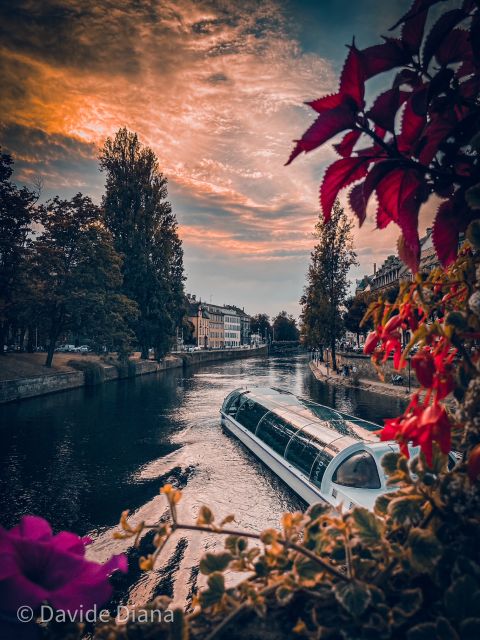
Place Kléber is the city’s central square and receives about 20 minutes of guided attention. It is a natural midpoint for the tour because it is spacious, prominent, and tied to one of Strasbourg’s best-known seasonal traditions.
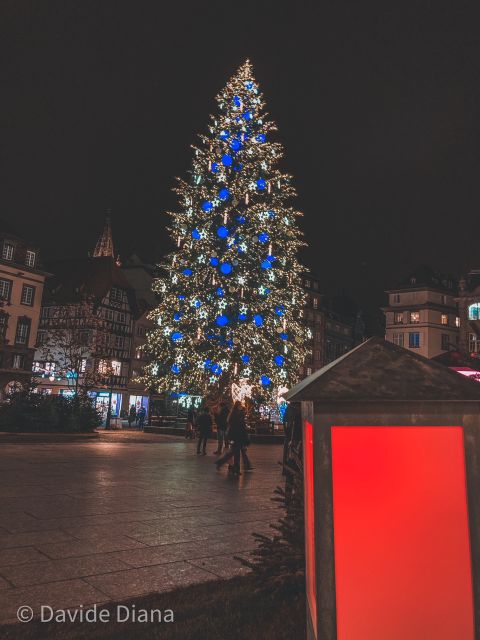
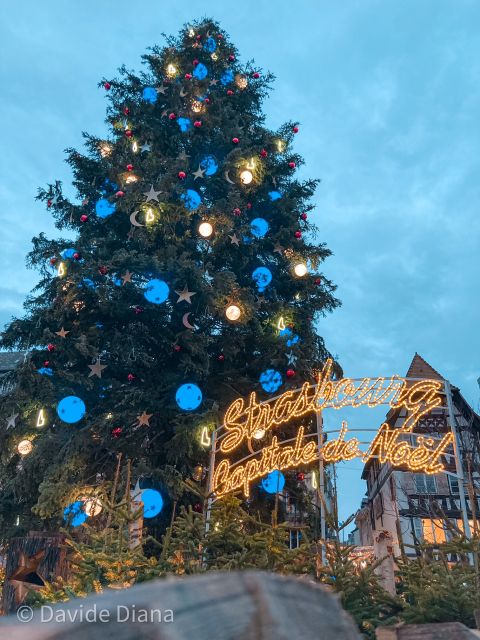
Your guide explains the tradition of the Christmas tree in Place Kléber and discusses the city’s winter market. Strasbourg’s Christmas season is a major part of its identity, but this stop is useful even if you visit outside December. It explains why the square becomes such an important gathering place during winter.
If you are visiting during the Christmas period, expect this area to feel busier than it does at other times. The tour still gives you helpful background, but crowded conditions may make it harder to hear or photograph every detail. At other times of year, you can focus more easily on the square itself and on your guide’s stories.
This is also a good moment to ask for practical advice. Several guide-led walks with Davide include recommendations for coffee, restaurants, bars, and places to visit later. A useful tip is to write down suggestions as you go, since the route moves through several areas quickly.
Same streets, a different way to see them:
- Authentic Parisian Gourmet Food Tour with 10 Local Dishes & Wines
★ 5.0 · 4,754 reviews - Paris Top Sights Half Day Walking Tour with a Fun Guide
★ 5.0 · 2,893 reviews - Montmartre Hidden Gems and Scenic Highlights Walking Tour
★ 5.0 · 2,684 reviews - Montmartre Hill French Gourmet Food and Wine Tasting Walking Tour
★ 5.0 · 2,588 reviews
Grand’Rue and the turn toward old Strasbourg
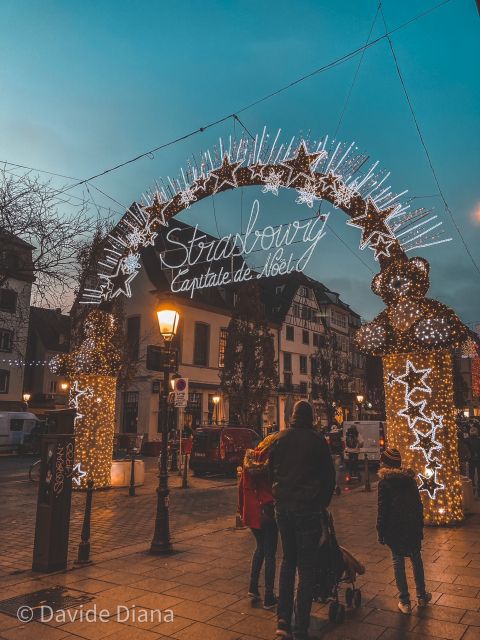
The walk then follows Grand’Rue for roughly 10 minutes. This section acts as a bridge between the city’s major squares and Petite France.
Grand’Rue is a busy historic street with shops, older buildings, and links into the central quarter. You will not spend a long time here, but the guided walk helps you read the street as part of Strasbourg’s older street plan instead of treating it as just a route between attractions.
This is also where comfortable shoes become important. The tour covers a substantial distance on foot, with repeated stops and starts. Bring shoes that can handle two and a half hours of walking, and dress for the forecast. The organizers specifically advise weather-appropriate clothing, and past experiences show why.
Petite France and the half-timbered side of the city
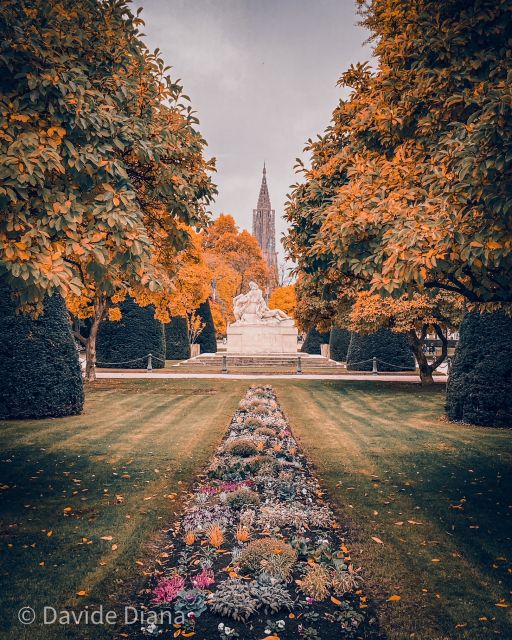
Petite France receives about 30 minutes, including a photo stop and guided sightseeing. For many people, this will be the visual high point of the tour.
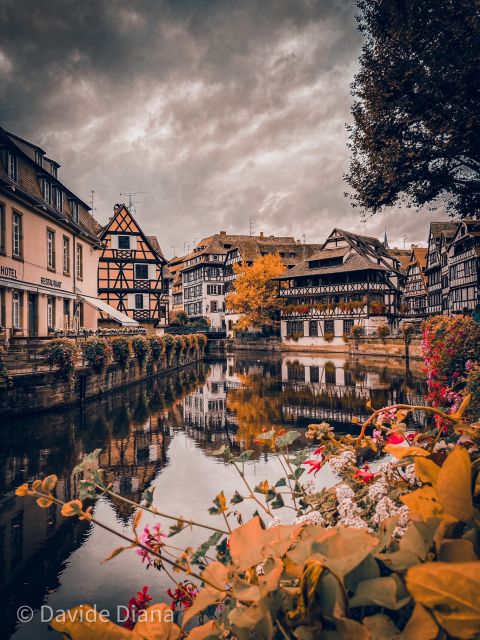
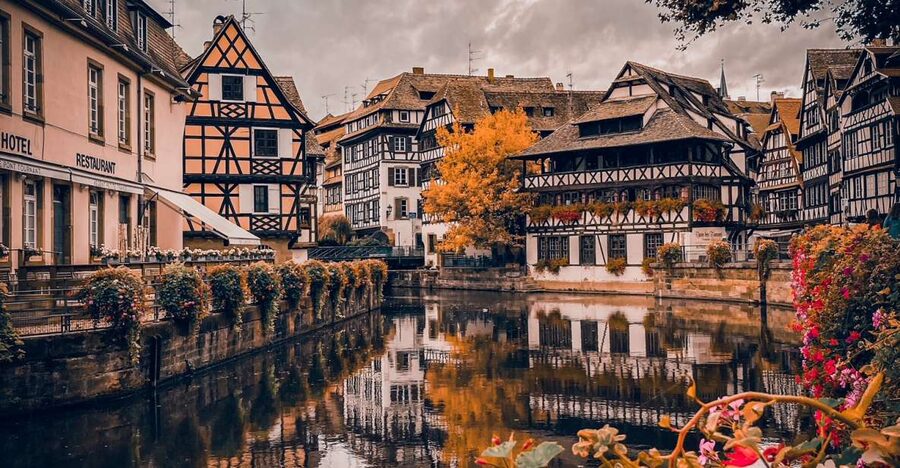
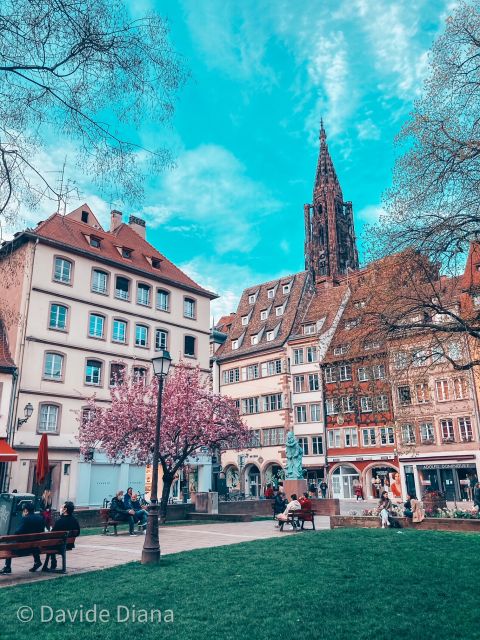
The quarter is known for its original half-timbered homes and picturesque streets. You get time to see the architecture, take photographs, and hear how the name Petite France came about. The guide also explains how the area changed over the centuries, which keeps the visit from becoming a simple photo stop.
I like this part because it gives you the Strasbourg many people picture before arriving: old houses, narrow streets, and an intimate sense of place. The guide’s historical context adds value, since the buildings are more interesting when you know how the neighborhood developed and changed.
The stop is long enough to enjoy, but not long enough for a full exploration. If Petite France becomes your favorite area, plan to return later without the group. The guided portion shows you where to look and gives you a starting point for a slower walk.
A few practical details matter here. The route is wheelchair accessible, according to the activity information, but a walking tour through old streets can still feel tiring. If mobility is a concern, ask the provider for current route details before booking. The activity is also marked as unsuitable for pregnant women, so this is not the best choice if you need a gentler pace or frequent seating.
Notre Dame Cathedral and the final view
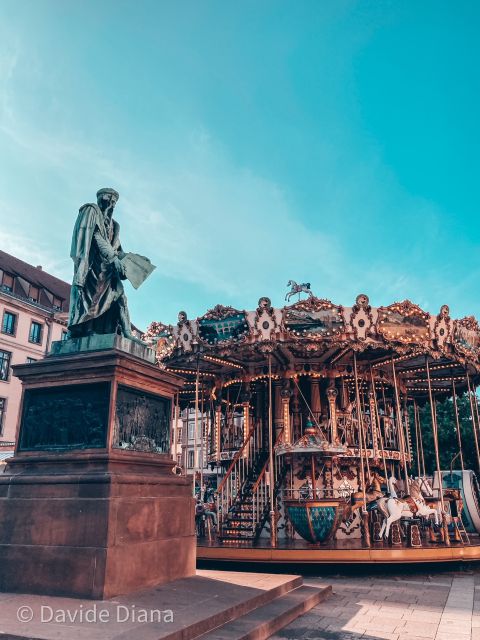
The final stop is Notre Dame Cathedral, where the tour ends at Place de la Cathédrale. The cathedral receives about 20 minutes of guided explanation and a photo stop.
The guide focuses on the building’s Rayonnant Gothic architecture and the stories attached to Strasbourg’s best-known landmark. This is a fitting end because the cathedral gives you a strong visual finish after the smaller streets and squares earlier in the walk.
Keep one point clear: entry is not included. You see the exterior and hear the guide’s explanation, but you do not tour the inside as part of this experience. If you want to enter, set aside separate time and check the current admission arrangements.
Ending here is convenient. You are already in the central cathedral square, surrounded by places to continue exploring. You can stop for a meal, return to Petite France, visit the cathedral separately, or use the guide’s recommendations for the rest of your stay.
The guide’s style makes the difference
The most praised part of this experience is not simply the route. It is the guide’s delivery.
Davide is described as funny, animated, enthusiastic, and easy to listen to. He presents Strasbourg’s past in a way that keeps the group involved, even when the subject turns to war, political change, or difficult periods. Several experiences also note that the tour passed quickly because the stories held everyone’s attention.
That is important on a walking tour. A list of dates can make even beautiful streets feel flat. A guide who adds anecdotes and connects buildings to real events gives you reasons to look up from the pavement.
The guide also adds practical value. You may receive recommendations for restaurants away from the busiest tourist areas, coffee stops, bars, and other places to visit. Some groups also appreciated a brief café or bathroom break during the walk. These stops are not presented as a formal part of the published route, so do not count on a scheduled café visit, but the guide may respond to the group’s needs.
English and Italian are the stated languages. The tour appears particularly well suited to English speakers, though Italian is available as well. If you want a highly specialized architectural lecture, this may feel too light and entertaining. If you want clear history with jokes and useful local advice, it fits well.
Group size, pace, and comfort
A limit of 10 participants is a real benefit. You can usually hear the guide better, move through the streets with less fuss, and ask questions without competing with a large crowd.
The pace is described as steady and well managed. You will walk between stops, listen for several minutes, and continue through the center. One guide kept the group moving at a good pace, while another account noted that cold weather made extended standing uncomfortable. That gives you a fair picture: the route is manageable, but it is still an outdoor walking tour.
Wear comfortable shoes and prepare for changing conditions. Strasbourg can be cold in winter and hot in summer. In warm weather, the guide has used breaks to make the walk easier. In cold weather, gloves and a warm coat may matter as much as your interest in Gothic architecture.
The activity is wheelchair accessible, but the information does not give detailed notes about every surface or restroom. If you use a wheelchair, contact the provider before booking so you can confirm the current route.
Is $35 a fair price?
At $35 per person, this is reasonably priced for a 150-minute guided tour with a maximum of 10 people. You are paying for a structured introduction, a local guide, and a route that covers several important areas without requiring you to plan the connections yourself.
The value is strongest if this is your first time in Strasbourg. In one outing, you get the main squares, the imperial quarter, Grand’Rue, Petite France, and the cathedral exterior. You also finish with a list of ideas for meals and later sightseeing.
The price is less compelling if you only want photographs. You can visit the squares and Petite France independently, and cathedral entry is not included. The fee makes sense when you want the stories, historical links, and orientation that turn separate sights into one understandable city.
Flexible booking also helps. You can cancel up to 24 hours before the start for a full refund, and you can reserve now and pay later. Check the available starting times before committing, since the schedule can vary.
Who should book this walk?
I would choose this tour early in a Strasbourg visit, especially if you want to understand the city before exploring it alone. It suits couples, families, and solo visitors who enjoy history delivered in a relaxed, human way.
It is also a good fit if you want restaurant and coffee suggestions from someone who knows the city beyond its main postcard views. The small group keeps the experience personal without making it feel private or expensive.
You might skip it if you dislike walking, need long indoor breaks, or want substantial time inside the cathedral. You should also think twice if you are pregnant, since the activity is specifically marked as unsuitable. For everyone else, the main risk is simple: bad weather can affect your comfort.
Final verdict: a strong first look at Strasbourg
Book this tour if you want the city’s major sights tied together by a clear story. The route is well chosen, the group is small, and the guide’s humor keeps the history from becoming a lecture.
The best reason to go is the combination of orientation and personality. You see Place Kléber, Petite France, and Notre Dame Cathedral, but you also learn where to eat, where to get coffee, and what deserves a second visit. Just bring good shoes, dress for the weather, and remember that the cathedral interior costs extra.
FAQ
How long does the Strasbourg walking tour last?
The tour lasts 150 minutes, or two and a half hours.
Where does the tour begin?
It begins at Place de la République. Your guide waits in the center of the square, in front of the war memorial.
Where does the tour finish?
The tour ends at Place de la Cathédrale, beside Notre Dame Cathedral.
Is cathedral admission included?
No. The tour includes guided information and a photo stop outside the cathedral, but entrance fees are not included.
Which languages are available?
The tour is offered in English and Italian.
Is the tour wheelchair accessible?
Yes, the activity is listed as wheelchair accessible. It is marked as unsuitable for pregnant women.
Just added around France
- Bordeaux Walking Tour with a Local Private Guide★ 5.0 · 97 reviews
- Free Walking Bordeaux Tour ENG + 1 glass of wine (Tip based)★ 5.0 · 90 reviews
- Bordeaux Historic and Gourmet Food Walking Tour★ 4.5 · 82 reviews
- Traditional Gourmet Food & Wine Tour in Bordeaux★ 5.0 · 81 reviews
- 2-Hour Walking Tour of the City’s Iconic Sights and History★ 4.0 · 207 reviews
- Bordeaux City – Private Guided Walking Tour with Local Sophia★ 5.0 · 164 reviews
- Avignon Walking Tour including Pope’s Palace★ 4.5 · 158 reviews
- The Official Emily in Paris Locations Walking Tour★ 4.9 · 383 reviews
History Walking Tours, compared.
History and Hauntings of Salem Guided Walking Tour
Read our review →
Freedom Trail History Small Group Walking Tour
Read our review →
Historic Charleston Guided Sightseeing Walking Tour
Read our review →
Tapas Walking Tour with Food, Wine, and History
Read our review →
Savannah History and Haunts Candlelit Ghost Walking Tour
Read our review →
A History of Terror – Belfast City Centre Walking Tour
Read our review →Browse the lists this tour appears in