
Review · HISTORY WALKING TOURS
Zagreb: City & History Walking Tour & WW2 Tunnels
Zagreb reveals itself one story at a time. This $11 walking tour links the city’s grand squares, market lanes, medieval Upper Town, and the wartime Grič Tunnel in a sensible 150-minute route. I like the small-group approach, which makes it easier to hear the guide and ask questions, and I like the mix of famous sights and local details, from café habits to the chapel inside Stone Gate. The main drawback is that the tour covers a lot of ground, so it may feel brisk if you prefer long stops at each landmark.
The guides, including Petra, Tomislav, Maja, and Tomas, have earned repeated praise for clear English, humor, useful restaurant advice, and personal stories about Zagreb. I would book this early in a stay, since it gives you a useful map of the center. Just note that the funicular is closed for renovation until March 2026, and the Grič Tunnel can occasionally be unavailable for an event.
The Zagreb details that make this tour worthwhile
- The route begins in Zrinjevac Park, beside the small meteorological station, an easy central meeting point.
- The Grič Tunnel adds a wartime chapter to a walk otherwise focused on squares, churches, markets, and medieval streets.
- Dolac Market is best in the morning, since it closes in the afternoon and on public holidays.
- The small groups make a real difference, especially at busy squares where a large crowd can lose the guide’s voice.
- Stone Gate contains a working chapel, centered on an image of Our Lady that Zagreb locals regard as miraculous.
- The tour ends at Ban Jelačić Square, where the guide can suggest food, museums, and further places to see.
Starting among the trees at Zrinjevac Park
Your meeting point is Trg Nikola Šubić Zrinski 2, usually called Zrinjevac Park. Look for the small display showing the temperature and barometric pressure on the north side of the park. That specific landmark matters because the park has several paths and statues, and a vague meeting instruction could leave you circling the flowerbeds.
Zrinjevac is a graceful opening to Zagreb. Its formal paths and central position introduce the lower city before the walk turns toward the older districts. During the first 15 minutes, your guide sets out the basic story of Zagreb and points out details you might otherwise pass without noticing.
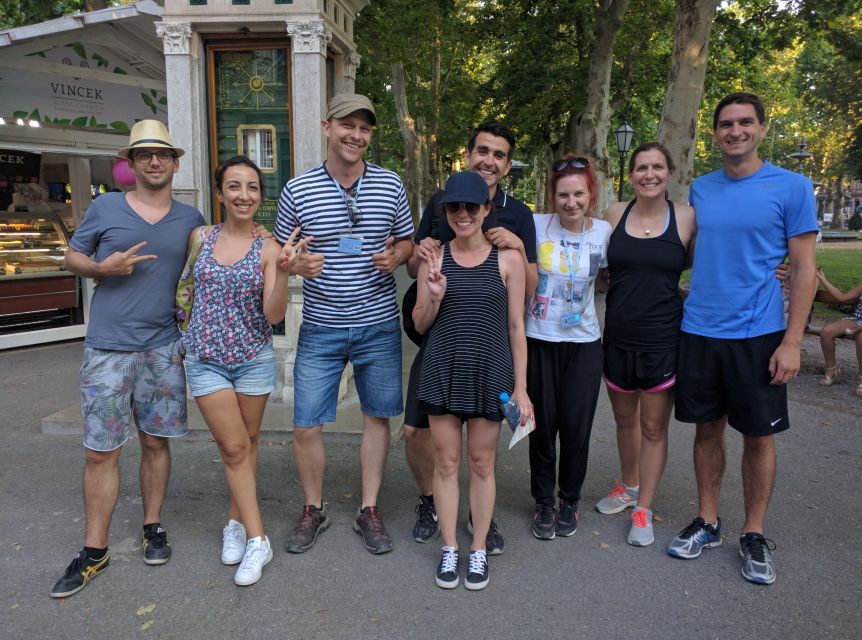
A small group works well here. You can stay close without feeling herded, and the guide can adjust the pace when someone has a question. The strongest guide names in the feedback are Petra, Tomislav, Tomas, and Maja. The exact guide depends on the departure, but the pattern is clear: expect a friendly, story-led presentation rather than a silent march from one photo stop to the next.
More History Walking Tours in Croatia
- Dubrovnik Old Town History Walking Tour
★ 5.0 · 1,684 reviews - Dubrovnik: Ancient City Walls & Wars Walking Tour
★ 5.0 · 1,270 reviews - Walking Tour of Split with a ‘Magister’ of History
★ 5.0 · 1,122 reviews
Ban Jelačić Square and Zagreb’s origin story
The walk continues to Ban Josip Jelačić Square, the city’s central meeting place. This is where the modern lower city and the older Upper Town begin to make sense as parts of one urban story.
The guide explains how Zagreb got its name and shares legends connected with the city’s founding. That sort of introduction is more useful than a list of dates. It gives you a framework for the rest of the walk, especially when the route later reaches Gradec and the old fortifications.
The square is also a practical orientation point. Trams, shops, cafés, and major pedestrian routes converge here, so you will likely return after the tour. The stop lasts about 15 minutes, enough for an explanation and photographs, but not for a detailed architectural study of every building around the square.
If you like taking photographs without stopping the whole group, this is a good place to do it. If you prefer quiet corners, the square can feel exposed and busy, particularly at popular times.
Zagreb Cathedral and centuries of repairs
From the main square, you walk toward the Cathedral of the Assumption of the Blessed Virgin Mary. The cathedral is one of Zagreb’s defining landmarks, and the guide explains its origins, difficult periods, and repeated restoration work.
This stop helps you see the cathedral as more than a handsome church façade. Zagreb has had to repair and restore important buildings through the centuries, and the cathedral’s changes reflect that unsettled past. The guide’s role here is especially useful because architectural details can be easy to miss when you are standing outside with only a few minutes to look.
The planned stop is about 15 minutes. That is enough for context and photographs, but not a full visit to the interior. You should treat this as an introduction rather than a cathedral tour.
The pace also depends on the group and the guide. Petra has been praised for answering questions and adding stories from both the past and present. Tomislav is often described as clear and patient, with a knack for explaining a lot without making the walk feel like a lecture.
Dolac Market, Zagreb’s everyday meeting place
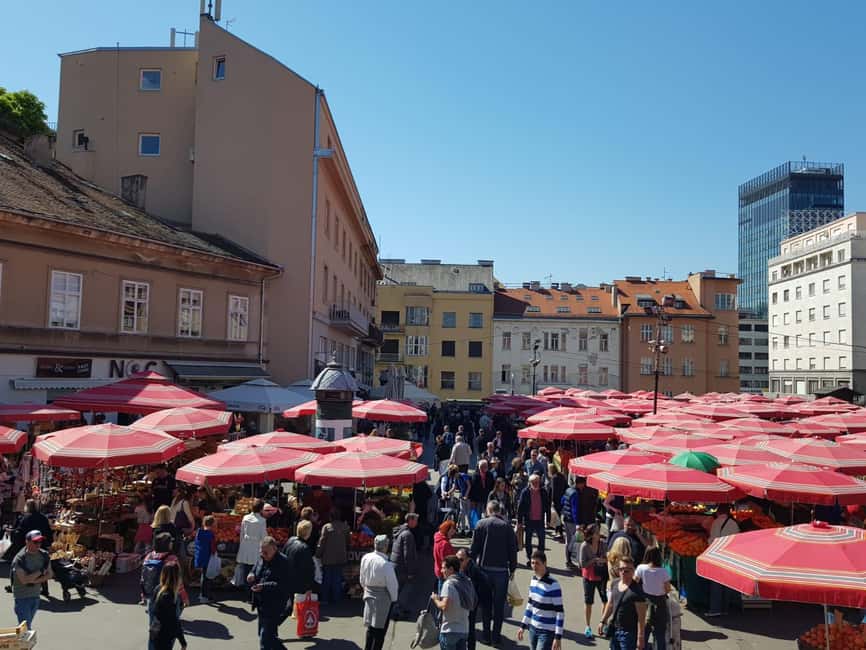
Next comes Dolac Market, known locally as the belly of Zagreb. This is one of the more useful stops because it brings you into daily city life rather than keeping you among monuments.
The market is where local people gather for fresh produce and ordinary errands. Your guide explains how the market fits into Zagreb’s culture, then points out details in the surrounding streets. You get a glimpse of the city as a place where people shop, meet, and pause, not simply a collection of historic buildings.
Timing matters here. Dolac closes in the afternoon and on public holidays, so a morning departure gives you the best chance of seeing it operating. If the market is closed, you can still hear about the site, but the atmosphere will not be the same.
Do not expect a long food tasting session. Food and drinks are not included, and the tour moves on after roughly 15 minutes. Still, the stop can help you decide where to return for a closer look or a snack later.
Same streets, a different way to see them:
- Dubrovnik: Old Town Walking Tour
★ 4.8 · 5,174 reviews - Dubrovnik: The Original Game of Thrones Tour & Lokrum Option
★ 4.8 · 5,064 reviews - Split: Old Town and Diocletian Palace Walking Tour
★ 4.9 · 4,727 reviews - Dubrovnik Discovery Old Town Walking Tour
★ 5.0 · 4,458 reviews
Tkalčićeva Street and Zagreb’s café habit
The route then follows lively Tkalčićeva Street, famous for its cafés and relaxed social life. The point here is not simply to admire a row of places to eat and drink. Your guide explains how sitting, chatting, and taking time over coffee fit into local life.
This is one of the tour’s more personal touches. A guide such as Petra or Tomislav can explain social habits in a way a map cannot. Several guides have also offered restaurant recommendations at the end, which is useful if you have only a short stay and want practical advice rather than a generic list.
The street is a good place to note restaurants for later, but you will not stop for a meal during the tour. Since the experience lasts two and a half hours, eat beforehand or plan a meal afterward.
Inside the Grič Tunnel’s wartime passage
The Grič Tunnel changes the mood. Beneath Zagreb’s Upper Town, this WWII-era passage once served as a wartime shelter. Today, it offers a look at the city’s more recent past and provides a cool, enclosed break from the streets above.
This is the feature that gives the walk a little more substance than a standard central-city orientation tour. Zagreb’s story is not limited to medieval gates and attractive squares. The tunnel connects the city’s architecture with the pressures of the twentieth century.
The stop is scheduled for about 20 minutes. That is enough time to walk through part of the passage and hear its purpose explained. The tunnel is sometimes used for exhibitions, theatre performances, or other events. If one is taking place, access may not be possible, so you should not book this tour solely for the underground visit.
The route through the city still has value if the tunnel is closed. You will have already seen the market and main squares, and the Upper Town portion remains ahead. Still, the tunnel is the tour’s most distinctive stop, so it is worth checking current conditions if it is your top reason for booking.
The closed funicular and the climb to Gradec
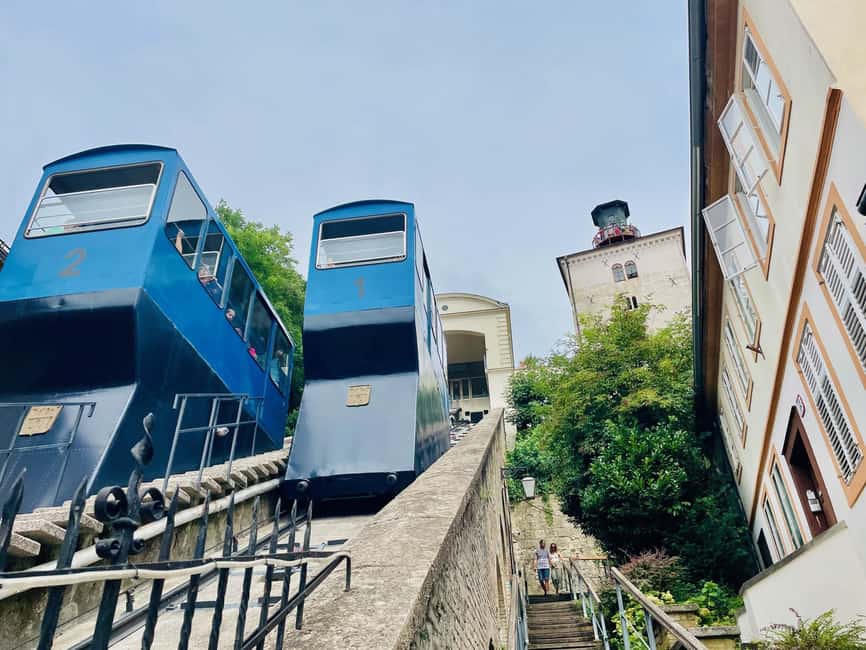
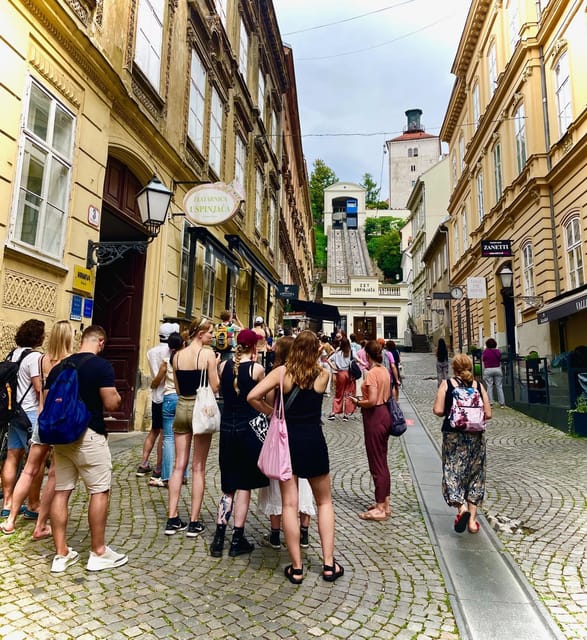
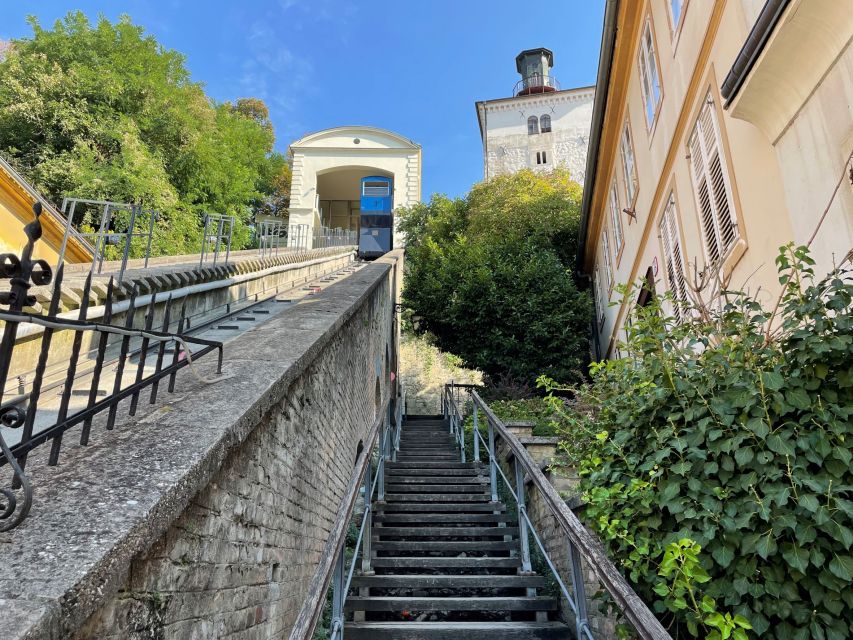
The route passes Zagreb’s beloved funicular, described as the oldest public transport in the city. Under normal conditions, it offers a short ride and rooftop views. According to the provided information, it is closed for renovation until March 2026, so you should not expect to ride it during this experience.
That closure changes the physical feel of the tour. You continue on foot toward Gradec, one of Zagreb’s original medieval settlements. The climb is part of the experience, but it also means this is not a fully level stroll.
The tour is not suitable for wheelchair users. If you have difficulty with slopes, stairs, or uneven historic streets, ask for specific current route details before booking. The information provided does not promise step-free access.
Once you reach the Upper Town, the mood becomes quieter. The streets feel removed from the traffic and activity of the lower center, even though the two districts are close together.
Strossmayer Promenade and Lotrščak Tower
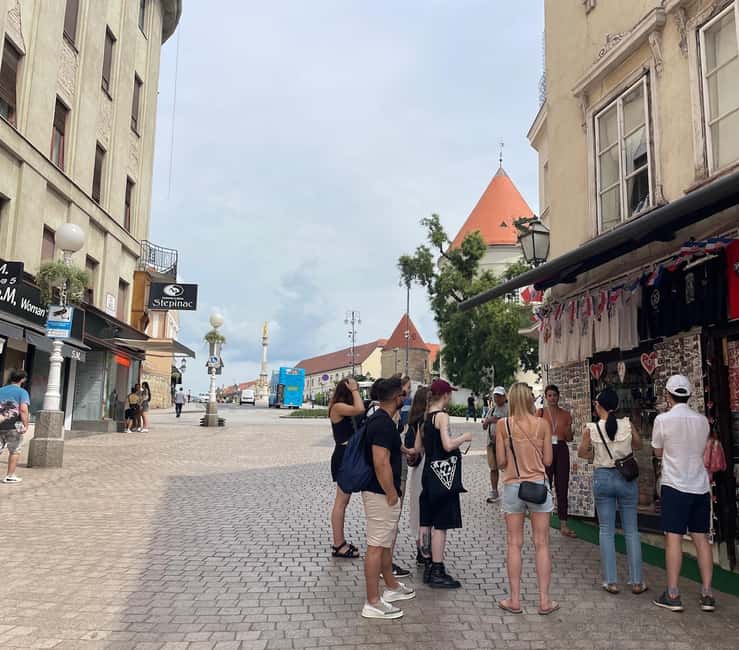
The Upper Town section includes Strossmayer Promenade, a leafy terrace with broad views across Zagreb. This is a good point to pause, look back over the lower city, and connect the places you have already visited.
The guide explains how Gradec developed and points out the views along the way. I like this part because it lets you step back from individual buildings and understand the shape of Zagreb as a whole.
The route then reaches Lotrščak Tower, one of the Upper Town’s best-known landmarks. The stop lasts about 20 minutes, giving the guide time to explain its role and the surrounding area. You can also take photographs from this elevated part of the city.
Some departures are timed to reach the cannon at noon. Several people have singled out the surprise of hearing or seeing the cannon event, so ask your guide about timing if that is important to you. It cannot be guaranteed from the details provided, but guides such as Petra and Tomislav have made an effort to include it when possible.
The view and tower are highlights, but the walk is not an in-depth tower visit. The value comes from the setting and explanation rather than a long interior tour.
A pause outside the Museum of Broken Relationships
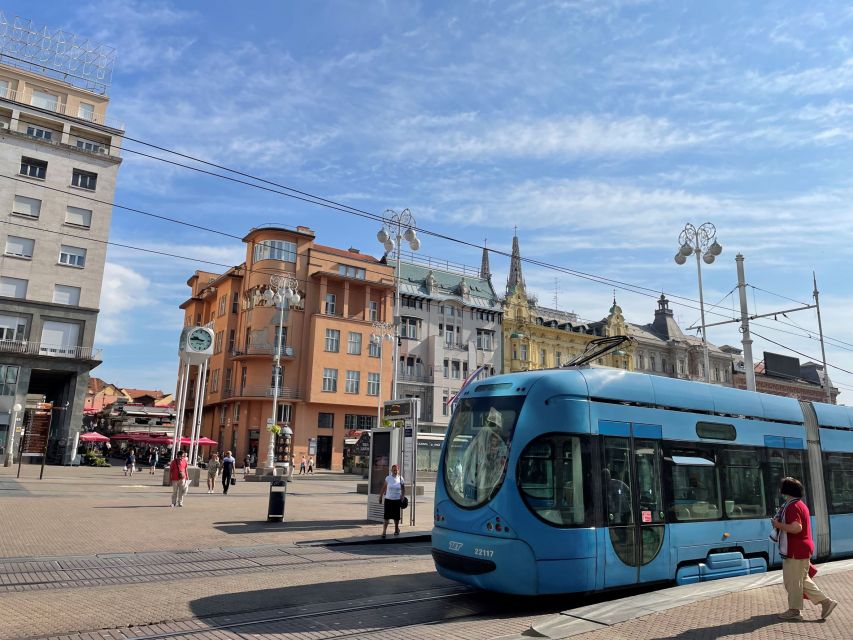
The route passes the Museum of Broken Relationships for about 10 minutes. You see the building and hear where it fits into Zagreb’s collection of unusual cultural attractions, but the museum itself is not listed as an included visit.
This is a useful distinction. If the museum interests you, note its location and return independently with more time. The walking tour gives you a city overview, not full entry to every landmark along the way.
The stop also adds variety. After churches, towers, and fortifications, a modern museum devoted to personal stories gives you a different view of Zagreb’s cultural life. You get a pointer for later rather than a rushed museum visit.
St. Mark’s Church and the old city center
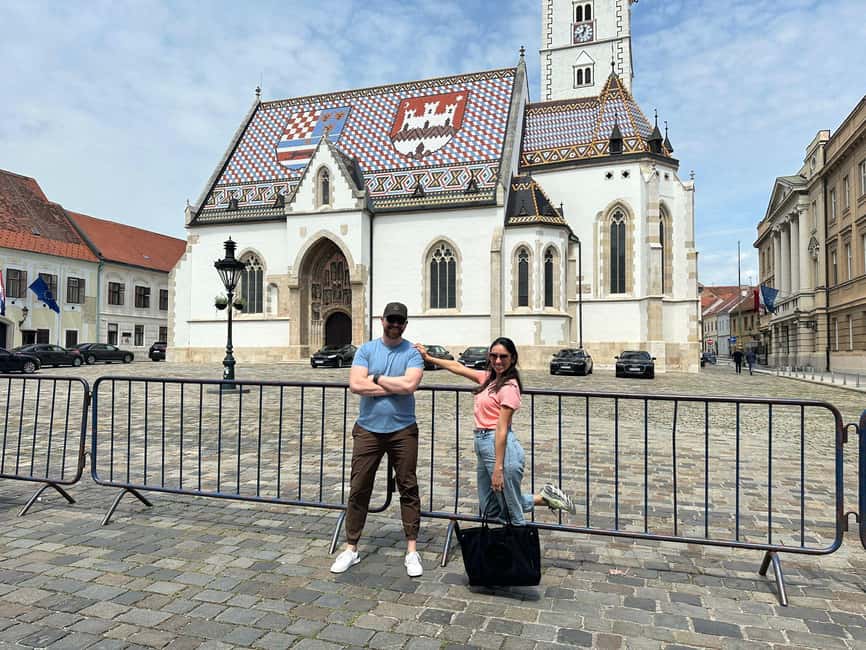
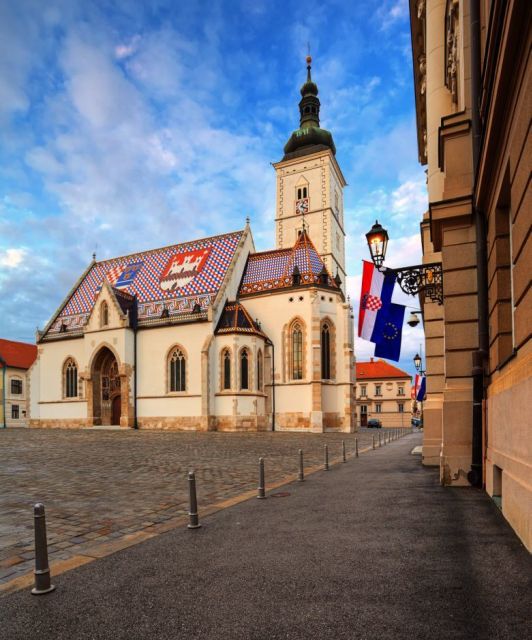
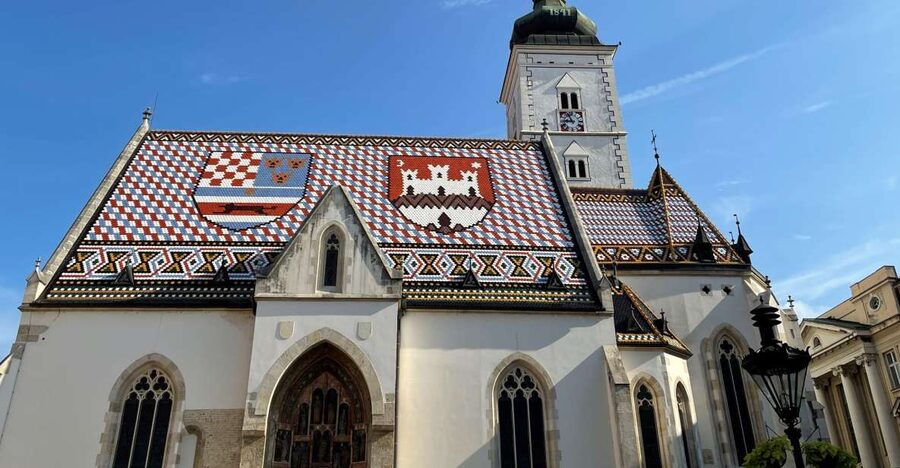
St. Mark’s Square is one of Zagreb’s most recognizable places. St. Mark’s Church is easy to identify by its colorful tiled roof, and the surrounding square carries the formal atmosphere of the Upper Town.
The guide spends about 15 minutes here, explaining the church and the square. This is a place where a clear guide makes a major difference because the visual details are easy to photograph but harder to understand without context.
The stop is likely to appeal to anyone interested in architecture, government, and old city planning. At the same time, you should not expect to wander freely inside the church. The tour focuses on the exterior and the surrounding story.
Stone Gate and a chapel in the old fortifications
Stone Gate is one of the most meaningful stops on the route. It is the only surviving gate from Zagreb’s old fortifications, and inside it is a small chapel with a painting of Our Lady.
Locals regard the image as miraculous, and the chapel remains an active place of devotion. You should enter quietly and follow the guide’s lead. This is not a grand cathedral interior. Its power comes from its small scale and the way an old defensive passage became a place of prayer.
The stop lasts about 10 minutes. That is enough to hear the story, take in the atmosphere, and understand why this site matters to people who live in Zagreb. It is also a reminder that the city’s past is still part of ordinary life, not just something displayed behind glass.
The guide then passes a historic pharmacy and takes you toward a few less obvious corners before returning to the main square. The exact secret stop is not specified, so do not expect a named attraction in advance. Its purpose is to add a little surprise to a route that otherwise follows Zagreb’s main sights.
What $11 gets you, and what it does not
At $11 per person, this is strong value for a 150-minute guided introduction. You are paying for a licensed local guide and a route that combines landmarks, local customs, wartime history, and practical advice. The cost is low enough to leave room in your budget for a later museum visit or meal.
The price does not include food, drinks, museum admission, or a funicular ride. Since the tour passes the Museum of Broken Relationships without entering, budget separately if you want to visit it.
The biggest value is the guide. The best moments come from the explanations, humor, and personal recommendations. Petra has been praised for mixing historical facts with funny stories, while Tomislav has been described as thorough, patient, and good at answering questions. Maja has also been praised for keeping the group together and seeking shade on hot days.
Group size is described as small, though no fixed maximum is provided. The feedback includes a group of eight, which is a useful example of the format. A small group means you can hear the guide more easily than you might in a crowd of 20 or more, and questions can shape the conversation.
Who should book this Zagreb walk?
I would choose this tour for a first morning or first afternoon in Zagreb. It gives you a working map of the center, introduces the Upper Town, and leaves you with ideas for food and museums afterward.
It suits you if you enjoy history explained through stories, want a local guide, and prefer walking to moving between sights by vehicle. It is also a good fit for a short Zagreb stop, since the route covers the main central sights in two and a half hours.
You should think twice if you want long interior visits, a slow photography walk, or a completely flat route. The funicular is currently closed, the path to Gradec involves walking uphill, and the tunnel may be unavailable during an event.
Book it if you want a friendly, affordable overview with real local color. Skip it only if you already know central Zagreb well or prefer exploring every sight at your own pace. For most first-time visitors, the mix of cathedral, market, tunnel, tower, church, gate, and practical advice makes this a smart use of $11.
FAQ
Where does the Zagreb walking tour start?
It starts at Trg Nikola Šubić Zrinski 2 in Zrinjevac Park, next to the meteorological station on the north side of the park.
Where does the tour finish?
The tour finishes at Ban Josip Jelačić Square in central Zagreb.
How long does the walking tour last?
The tour lasts 150 minutes, or two and a half hours.
What language is the tour offered in?
The live guided tour is offered in English.
Is the Grič Tunnel always included?
The tour is planned to include the Grič Tunnel, but it may be closed if an exhibition, theatre show, or similar event is taking place there.
Can I ride the Zagreb funicular during the tour?
No. The funicular is closed for renovation until March 2026, according to the provided information.
Is Dolac Market open for every tour?
No. Dolac Market is closed in the afternoon and on public holidays.
Is the tour suitable for wheelchair users?
No. The activity is not suitable for wheelchair users.
Just added around Croatia
- Split: Food Tasting Walking Tour★ 4.9 · 102 reviews
- Split: Local History and Culture 90-Minute Walking Tour★ 5.0 · 194 reviews
- Split: 1.5-Hour Walking Tour and Diocletian’s Palace★ 4.7 · 256 reviews
- Split: Diocletian Palace & Old Town Guided Walking Tour★ 4.7 · 882 reviews
- Split: Walking tour of Split with a ‘Magister’ of History★ 5.0 · 110 reviews
- Shipwreck – Blue Lagoon All Inclusive + Trogir Walking Tour★ 4.4 · 110 reviews
- Rovinj: Guided Walking Tour★ 4.8 · 113 reviews
- Pula: Historic Walking Tour with Local Guide & City Views★ 4.8 · 214 reviews
History Walking Tours, compared.
History and Hauntings of Salem Guided Walking Tour
Read our review →
Freedom Trail History Small Group Walking Tour
Read our review →
Historic Charleston Guided Sightseeing Walking Tour
Read our review →
Tapas Walking Tour with Food, Wine, and History
Read our review →
Savannah History and Haunts Candlelit Ghost Walking Tour
Read our review →
A History of Terror – Belfast City Centre Walking Tour
Read our review →Browse the lists this tour appears in