
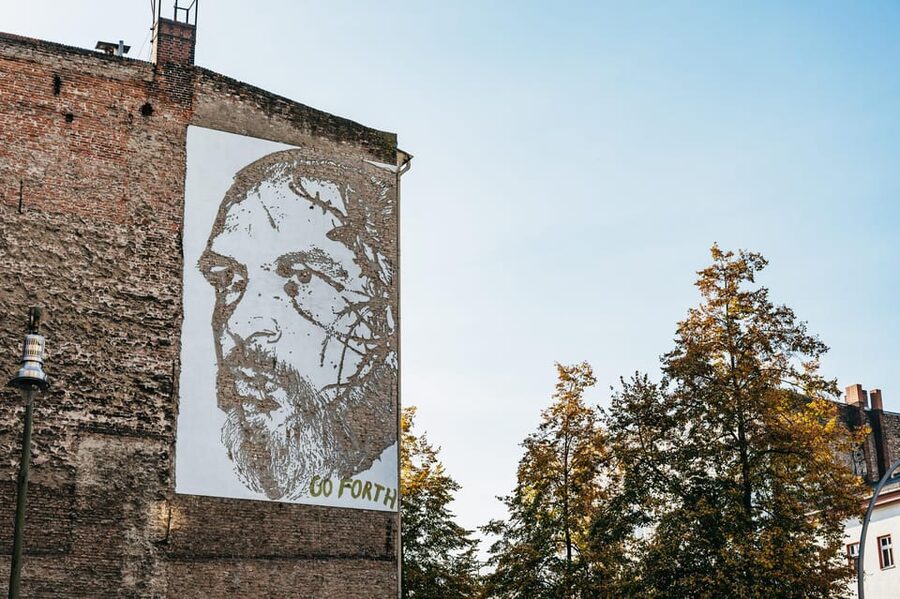
Review · BERLIN WALKING TOURS
Berlin: Gay Berlin Out in Schöneberg Walking Tour
Berlin’s queer past is hiding in plain sight. This 2.5-hour walk around Nollendorfplatz and Schöneberg connects old clubs, political meeting places, writers, and today’s LGBTQIA+ district in a way that makes the streets feel newly legible. I especially like the focus on the Nationalhof and El Dorado, two key sites from Berlin’s early gay scene, and the way guide Tobias brings in lesser-known figures, lesbian history, and personal stories.
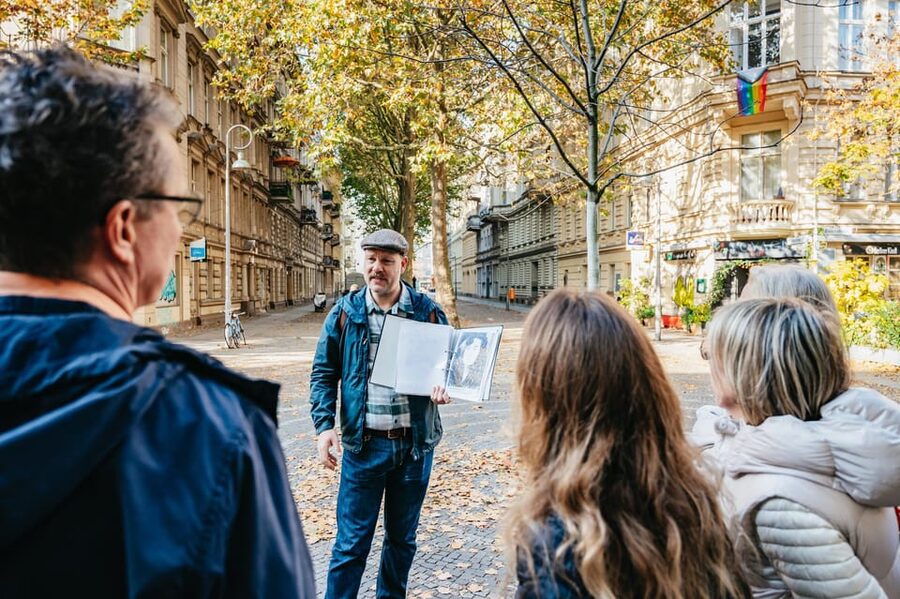
The tour also makes good use of archive photographs and text, which help you picture places that no longer exist. The main drawback is simple: you spend two and a half hours outdoors, and Schöneberg’s history includes persecution, loss, and the Nazi destruction of an earlier community. In cold or wet weather, you will need proper clothing, though Tobias has adjusted the pace and included comfort stops for past groups.
Key points to know before you book
- 1920s Berlin takes center stage: Learn how Schöneberg became a major center of queer life between the end of World War I and the early 1930s.
- Historic sites replace vanished clubs: Visit the former locations of the Nationalhof, Hollandais, Kleist Casino, and El Dorado.
- Christopher Isherwood adds a literary thread: Stop outside the former home of the novelist on Nollendorfstraße.
- The story includes more than gay men: The route covers lesbian life, trans people, intersex people, and gender-nonconforming figures.
- Tobias is the main strength: His humor, personal connection, archive images, and careful preparation give the walk its character.
- At $23, it is strong value: You receive a live, two-and-a-half-hour history tour in English or German, with no extra admission fees.
Why Schöneberg is the right place to learn Berlin’s queer story
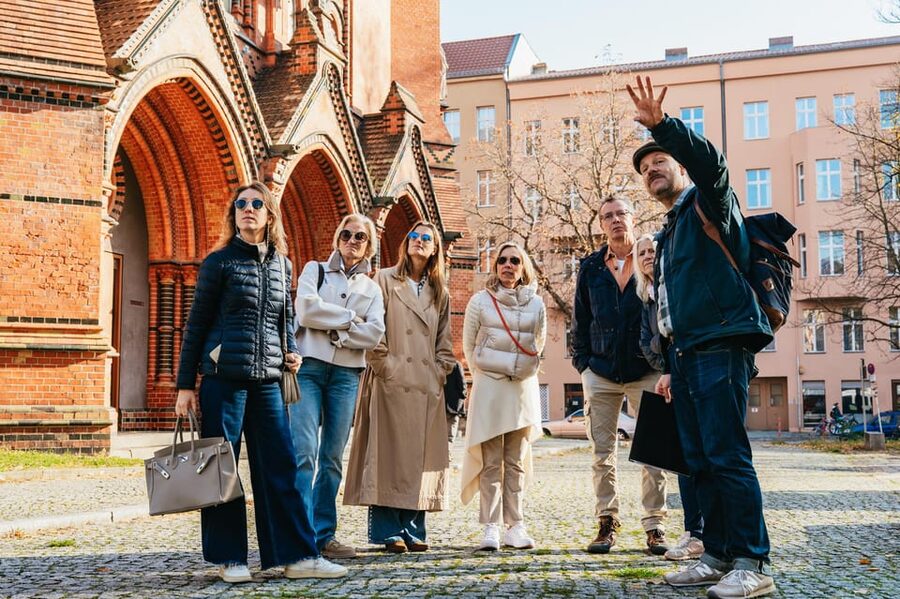
Schöneberg is not simply a district with a few LGBTQIA+ bars. Its streets hold the story of a community that formed, faced violent repression, disappeared from public life, and later rebuilt itself.
The tour begins around Nollendorfplatz, the traditional center of Schöneberg’s queer scene. From here, you get a useful sense of place before the guide starts layering on dates, names, and events. That matters because much of the history is not marked by grand monuments. A street corner or ordinary building may be the site of a club that once drew artists, activists, performers, and people seeking a safer social life.
I like this approach more than a tour that simply points out modern nightlife. The aim is not just to show you where people go today. It explains why this part of Berlin became important in the first place, and how the neighborhood’s identity changed over time.
A few more walks around Berlin worth a look
- San Francisco: Castro LGBTQ Walking Tour
★ 5.0 · 90 reviews - Pride Tours NYC’s LGBTQ Historical Walking Tour
★ 5.0 · 89 reviews - Florence: LGBTQ Renaissance Walking Tour with Mila
★ 4.9 · 85 reviews
Nollendorfplatz and the clubs that made a community
The early part of the walk looks at the period from the end of World War I through the 1920s. Berlin’s interwar years are often remembered for cabaret and artistic experimentation, but this tour puts queer life at the center of that story.
You learn about former meeting places such as the Hollandais club, the Kleist Casino, and the Nationalhof. These were more than entertainment venues. They served as social spaces where people could meet others like themselves, build friendships, and take part in a public community that was unusual for its time.
The Nationalhof is especially important. The tour identifies its former location as a key point in the local gay rights movement. Here, the past becomes political rather than merely colorful. You hear about the organizing, public debate, and community networks that helped make Berlin a major center of early gay rights work.
Tobias uses visual material to help fill in the gaps. An old photograph or piece of text can change the way you see a plain modern street. You may not be looking at a preserved club interior, but you can still understand what the place meant and who once gathered there.
Motzstraße and the lost world of El Dorado
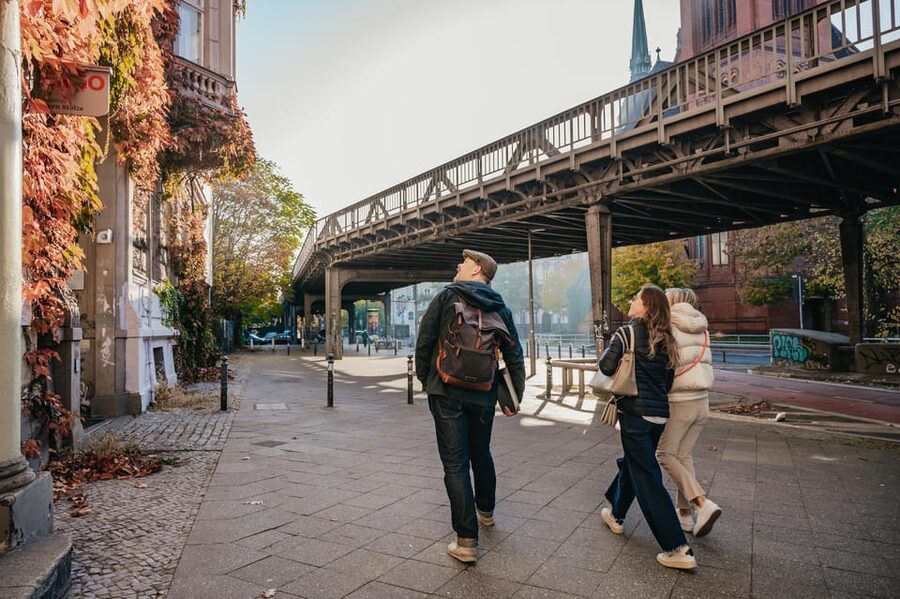
Motzstraße provides one of the tour’s most memorable stops. The route visits the site of El Dorado, the famous cabaret club associated with Berlin’s interwar queer culture.
The name is often enough to bring up images of theatrical nightlife, but the value of this stop is the context around it. You learn how cabaret, gender expression, social freedom, and political danger could exist side by side. The club’s location becomes a doorway into a world that was creative and open in some ways, yet never fully secure.
The tour does not treat the 1920s as a simple golden age. That balance is important. Berlin offered remarkable freedom to some people, but the period also had limits, tensions, and sharp dangers. The rise of the Nazi Party brought an end to much of the visible queer life that had developed in Schöneberg.
This part of the walk is best for people who want more than famous names and glamorous anecdotes. You get a clearer picture of how nightlife connected with civil rights, public identity, and political power.
Christopher Isherwood’s Nollendorfstraße connection
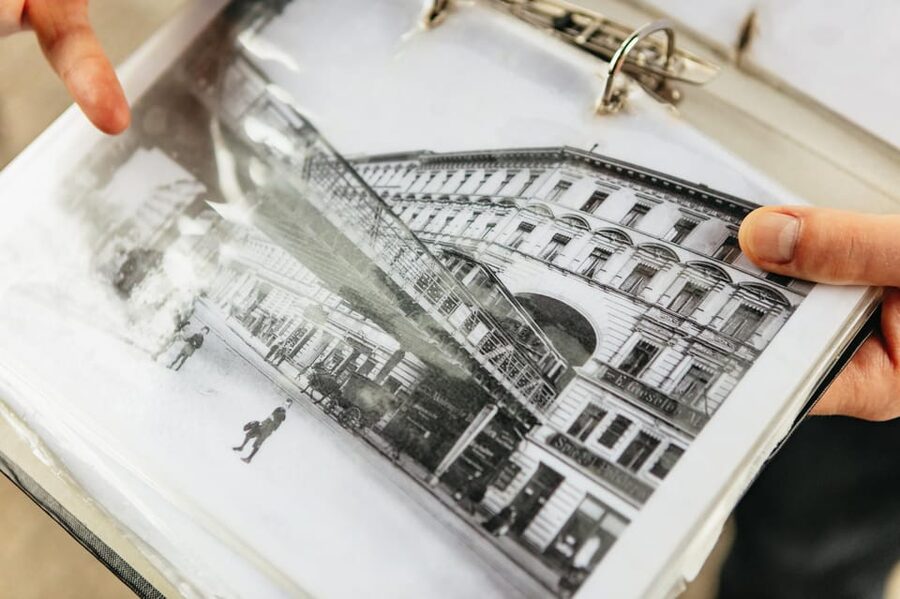
A stop on Nollendorfstraße links Schöneberg’s social history with literature. The tour passes the former home of Christopher Isherwood, whose writing helped bring Berlin’s queer world to a broad international audience.
Isherwood’s connection gives the route a personal and artistic angle. His work is closely tied to the people, streets, and nightlife of Berlin, and it later became important to the Gay Liberation movement. Standing outside his former home, you can place the writer within the neighborhood rather than treating him as a name detached from the city.
This is also a useful reminder that queer history is preserved in many forms. Clubs and meeting halls may vanish, but books can carry people and places forward. If you have read Isherwood, the stop will likely add a physical setting to familiar scenes. If you have not, the guide’s explanation still shows why his writing matters.
Same streets, a different way to see them:
- Discover Berlin Half-Day Walking Tour
★ 5.0 · 9,624 reviews - Berlin City walk Government District and Places of Democracy
★ 4.7 · 8,467 reviews - Berlin: Third Reich & Cold War Guided Walking Tour
★ 4.9 · 8,378 reviews - Berlin: Discover Berlin Walking Tour
★ 4.9 · 5,998 reviews
From Nazi persecution to West Berlin’s return
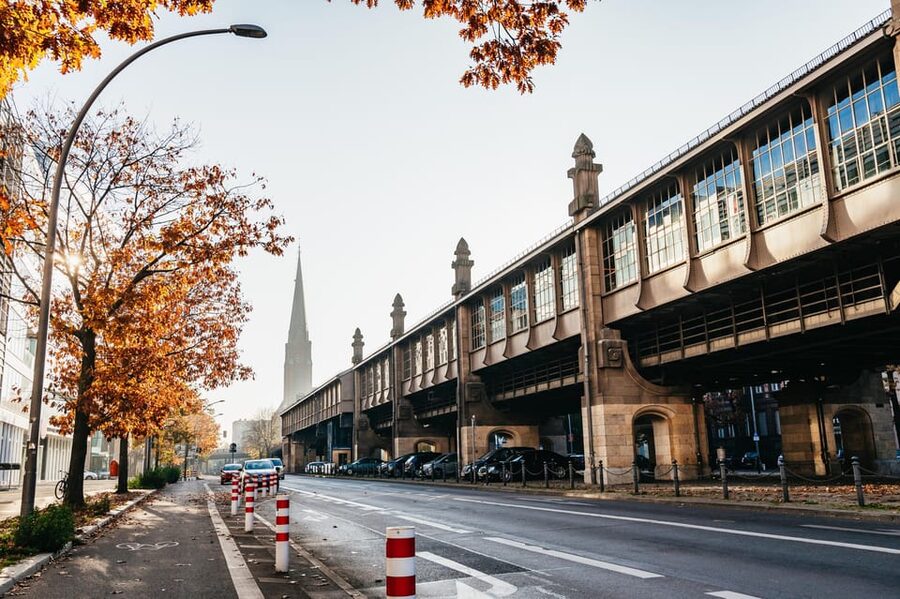
The tour does not skip the break in Schöneberg’s story. The early gay rights movement and the club culture of the interwar years were crushed after the Nazi accession to power.
The route explains how the neighborhood’s queer life began to return from the end of the 1960s. West Berlin became home to the city’s only major gay district, and Schöneberg once again developed a strong network of bars, shops, community spaces, and social meeting points.
This later chapter is valuable because it keeps the tour from becoming a museum walk about a vanished past. You see how the area changed from the 1960s onward and how the present district connects to earlier generations. The message is not that history ended in the 1920s, or that modern Berlin appeared from nowhere.
Tobias is particularly effective when he ties large events to individual people. His storytelling brings historical figures into view as real personalities rather than a list of names. His own connection to the subject also gives the walk a human tone, while his personal anecdotes add warmth without replacing the historical material.
Schwerin Straße and the lesbian quarter
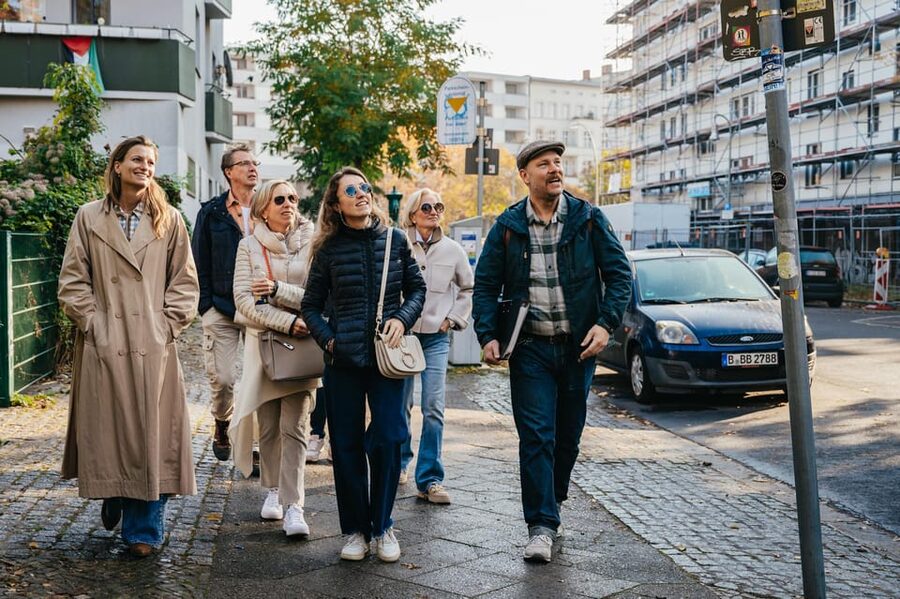
One of the best features of the route is its attention to lesbian history. The walk passes through the lesbian quarter on Schwerin Straße, showing that Schöneberg’s queer story cannot be told only through gay male clubs and writers.
This broader focus makes the tour more useful for anyone interested in LGBTQIA+ history as a whole. It also helps correct a common problem with historical tours: the most visible venues are often those connected with men, while women’s networks and meeting places receive less attention.
The route also includes stories involving trans, intersex, and gender-nonconforming people. That wider frame gives you a more accurate picture of the community’s past. It avoids presenting one neat version of queer identity and instead shows the varied people who shaped Berlin’s social life.
Eisenacher Straße and Schöneberg today
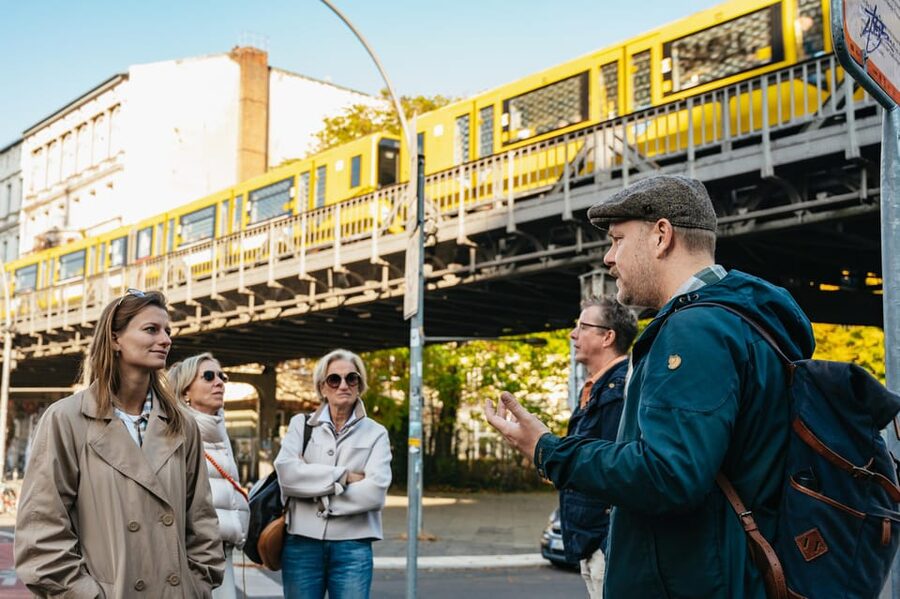
The walk continues along Eisenacher Straße, where the neighborhood’s present-day character is still visible. This is not only a lesson about old buildings and lost clubs. You also get a sense of how the district functions now.
The route uses modern street life, architecture, cafes, shops, and street art to connect past and present. The result is more grounded than a tour that stays in an archive room or only visits memorials. You are learning while moving through a working neighborhood.
That said, this is a history walk, not a dedicated nightlife crawl. You should not book it expecting a series of bar visits, food tastings, or club entry. Food and drinks are not included, and the tour’s purpose is storytelling and interpretation.
A nearby queer cafe and bookshop can make a pleasant place to continue afterward. This is not part of the included tour, and the quality of service can vary, so treat it as an optional stop rather than a guaranteed finale.
What Tobias adds to the experience
The guide is central to this tour. Tobias is repeatedly described as friendly, funny, attentive, and highly prepared, and those qualities fit the shape of the experience. He speaks English and German, answers questions along the way, and uses humor to keep a large amount of material from becoming heavy.
His presentation also feels personal. He has shared stories about himself and his husband, and he brings a clear connection to the community being discussed. That does not mean every moment is solemn or academic. The mix of personal anecdotes, wit, photographs, and serious history gives the walk a more natural rhythm.
The best feedback about Tobias centers on his ability to make people feel comfortable while discussing difficult subjects. That matters here. You will hear about persecution, exclusion, and the destruction of community spaces, but the tone also includes resilience and pride.
A small caution: a few people have found the ending less satisfying when they still had questions. If you want extra discussion time, ask your questions during the walk rather than saving everything for the final minute.
Timing, walking conditions, and accessibility
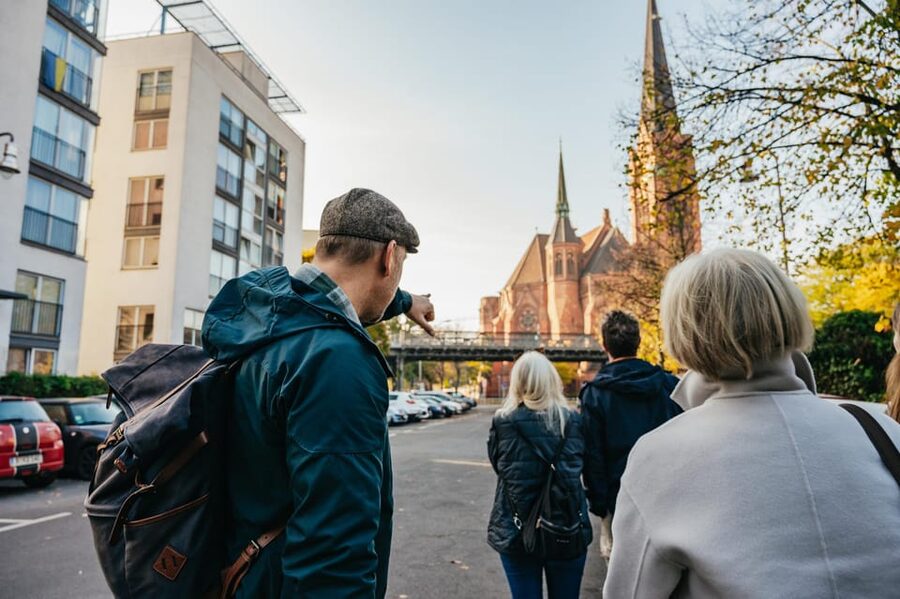
The tour lasts 2.5 hours. That is long enough to give the subject real attention, but short enough to fit into a day of sightseeing. It includes walking, standing, listening, and stops at several locations rather than a single long lecture.
You should wear comfortable shoes and check the forecast. Previous departures have taken place in cold, rainy, and snowy conditions, and Tobias has adapted the route and offered comfort stops. Still, the tour remains outdoors, so winter visitors should dress warmly and summer visitors should be ready for sun or heat.
The experience is listed as wheelchair accessible. The meeting point can vary depending on the option booked, so check the confirmed details before setting out. Special dates, times, and meeting points can also be arranged for private groups by telephone.
The tour is available in English or German. That makes it useful for international visitors, local residents, and mixed-language groups who want to explore the subject together.
Is $23 a fair price?
At $23 per person, this is a good value for a focused historical walk. You are paying for 2.5 hours with a live guide, not just a route between famous addresses. There are no food, drink, or admission costs included, but the tour does not depend on paid attractions.
The real value comes from the research and interpretation. Many of the places you see no longer function as the clubs or meeting points they once were. Without a guide, you could walk through Schöneberg and miss the significance of an ordinary street entirely.
The price is also reasonable for a specialist tour. Its subject is narrow, but the route covers politics, nightlife, literature, lesbian history, modern community life, and the treatment of trans, intersex, and gender-nonconforming people. You receive a focused look at Berlin that a standard city tour is unlikely to provide.
Free cancellation up to 24 hours before the start adds useful flexibility, and the reserve now, pay later option lets you keep plans open. Those terms are helpful if your Berlin schedule is still shifting.
Who should book this Schöneberg walk?
I would choose this tour if you want to understand how a neighborhood became a center of queer life, rather than simply find today’s nightlife. It suits visitors with an interest in social history, civil rights, literature, architecture, and Berlin’s interwar years.
It is also a strong choice for LGBTQIA+ visitors who want a tour that includes more than gay male history. The attention to lesbian life and to trans, intersex, and gender-nonconforming stories gives the route a wider reach.
You may prefer another activity if you want a relaxed cafe crawl, a party experience, or a tour with lots of indoor stops. The walk is information-heavy and depends on the guide’s storytelling. In this case, that is a strength, but it is worth knowing before you book.
Should you book it?
Yes, if you want an engaging and specific introduction to queer Berlin. The strongest reasons are the carefully chosen Schöneberg route, the vanished club sites, the Christopher Isherwood stop, and Tobias’s warm, witty delivery.
Book it early in your Berlin stay if possible. The tour can give you useful context for the neighborhood, and you may want time afterward to return to a cafe, bookshop, or street you saw along the way. At $23, it offers a thoughtful look at Berlin’s past and present without asking for a full day.
FAQ
Where does the Gay Berlin Out in Schöneberg Walking Tour take place?
The tour explores the area around Nollendorfplatz in Berlin’s Schöneberg district.
How long does the tour last?
The walking tour lasts 2.5 hours.
What is the price?
The listed price is $23 per person.
Which languages are available?
The tour is available in English and German.
Who leads the tour?
The guide identified for this experience is Tobias.
What historic locations are included?
The route covers the former sites of the Nationalhof, Hollandais club, Kleist Casino, and El Dorado cabaret club.
Does the tour visit Christopher Isherwood’s home?
Yes. The walk stops at the former home of Christopher Isherwood on Nollendorfstraße.
Does the tour include food or drinks?
No. Food and drinks are not included.
Is the tour wheelchair accessible?
Yes, the experience is listed as wheelchair accessible.
Can I cancel the booking?
You can cancel up to 24 hours in advance for a full refund. You can also reserve now and pay later.
Just added around Berlin
- Berlin Walking Tour★ 4.5 · 378 reviews
- Small Group Walking Tour of East Berlin with a French Guide★ 5.0 · 176 reviews
- Berlin Street Art Walking Tour – Off The Grid★ 5.0 · 270 reviews
- Berlin Highlights Private Guided Walking Tour★ 4.5 · 89 reviews
- Private Walking Tour: World War 2 and Cold War Sites in Berlin★ 5.0 · 230 reviews
- East Meets West: Berlin Food Culture & Street Art★ 5.0 · 157 reviews
- Kreuzberg Berlin: Off the Beaten Track PRIVATE Walking Tour★ 5.0 · 128 reviews
- The History of Berlin: WWII PRIVATE Walking Tour With Locals★ 5.0 · 209 reviews
Berlin Walking Tours, compared.
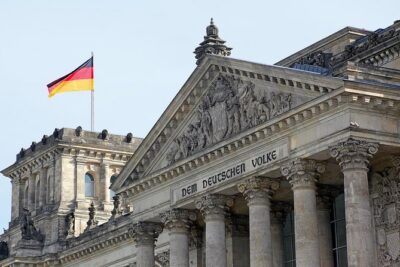
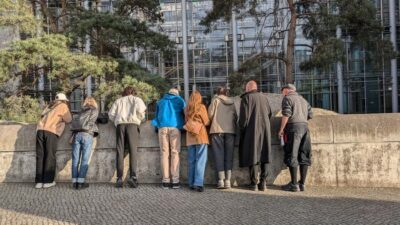
Berlin City walk Government District and Places of Democracy
Read our review →
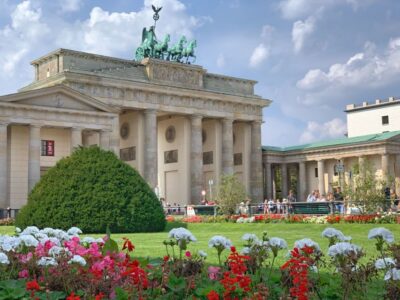
Berlin’s Best: 2 Hour Walking Tour Third Reich and the Cold War
Read our review →
Explore Berlin: See All The Iconic Sights & Some Hidden Gems
Read our review →
Third Reich Berlin: Hitler and WWII Walking Tour
Read our review →Browse the lists this tour appears in