
Review · HISTORY WALKING TOURS
Quebec City: Old Quebec Historical Walking Tour
Old Quebec tells its story on foot. This two-hour walk brings the city’s past to life through a costumed guide who speaks as a historical character, while leading you through streets many first-time visitors might miss. I especially like the storytelling style and the way the tour connects political, religious, Indigenous, and everyday settlement history. At $24 per person, it is also a sensible way to get your bearings before exploring alone.
The main consideration is the terrain. You will walk through an old city with slopes, stairs, and uneven pavement, so comfortable shoes matter. The tour is not suitable for wheelchair users, and two hours can feel short if you want long stops at the Château Frontenac or Dufferin Terrace.
Key points to know
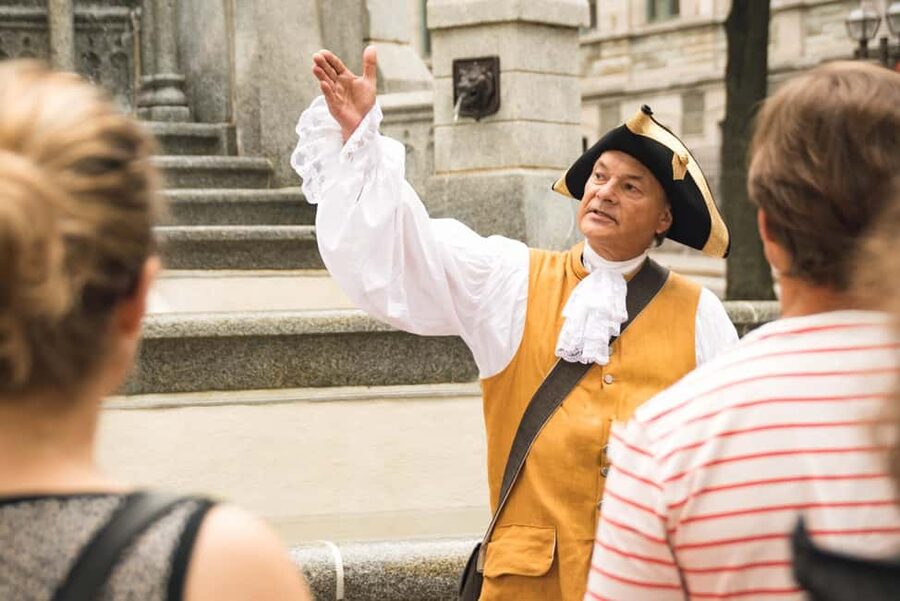
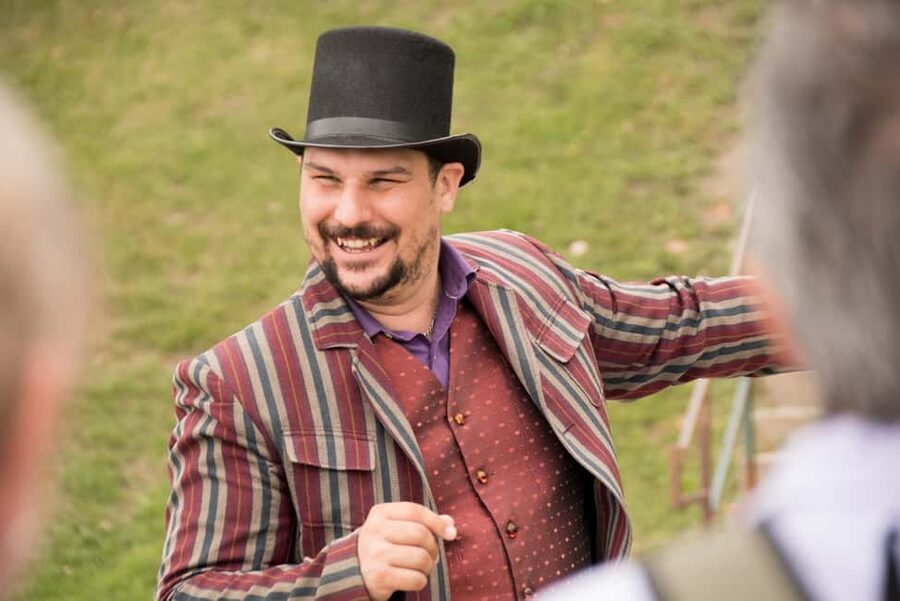
- Costumed historical characters: Guides such as Pierre, Bernard, Louis Hébert, Champlain, and Marie-Anne Barbel use first-person storytelling to make the past easier to follow.
- A broad Old Quebec overview: The route links Château Frontenac, Dufferin Terrace, Notre-Dame de Québec Basilica, Place Royale, and lesser-known corners.
- Strong value at $24: You receive two hours with a licensed guide, a useful deal for first-time visitors who want context before sightseeing on their own.
- Easy-to-follow history: The best guides build events into a story rather than firing dates at you, with humor and time for questions.
- Some physical effort: The pace is generally manageable, but hills, stairs, and the final stretch may be tiring for older walkers.
- English and French tours: Small-group availability, free cancellation up to 24 hours before departure, and reserve-now, pay-later booking add flexibility.
Why a walking tour works so well in Old Quebec
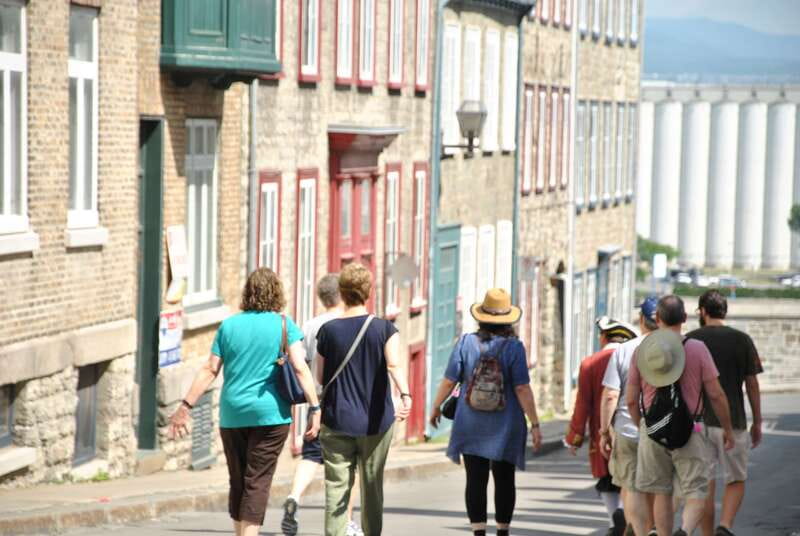
Old Quebec is compact, but it is not simple. A narrow street, a stone wall, or a grand doorway may look attractive without telling you why it matters. A guide gives those details a place in the larger story.
This city is the only walled city in North America, and its old streets carry more than four centuries of French, British, religious, military, and Canadian history. You will get more from the buildings when you know what to look for and how different periods shaped the city.
I like the fact that this is a walking tour rather than a ride through town. You move slowly enough to notice façades, monuments, slopes, and small changes in the street plan. The route also goes beyond the most photographed viewpoints, which gives you a better sense of Old Quebec as a real neighborhood rather than a collection of postcard scenes.
The format is theatrical, but not simply for show. Your guide may appear as a colonial settler, soldier, or other historical figure and explain events from that character’s point of view. Several guides have been praised for keeping the role amusing without becoming too dramatic. That balance matters. A little costume and character can make a complicated story stick in your mind, while an overplayed performance would soon become tiring.
More History Walking Tours in Canada
- Gastown Historic Walking Food Tour
★ 5.0 · 1,863 reviews - Vancouver: Gastown Historical Walking Food Tour
★ 4.8 · 539 reviews - Pete’s Historic Walking Tour
★ 5.0 · 321 reviews
Meeting the cicerone at Sainte-Anne Street
The stated check-in point is the Cicerone Information Centre at 12 Sainte-Anne Street, postal code G1R 3X2. Check your booking carefully, since the meeting point can vary by option. An incorrect starting address caused frustration for one participant in the past, so I would verify the location on the day before setting out.
The start point puts you right in the heart of Old Quebec. That is useful, but it also means you should allow time to find the centre, especially if you are unfamiliar with the city or arriving from outside the old town.
The tour is offered in English and French. Small groups may be available, which is worth selecting if you prefer to hear the guide clearly and ask questions without competing with a large crowd.
Before you arrive, wear shoes you can walk in for two hours. Bring clothing suited to the weather, since this is an outdoor experience. There is no need to dress up, and the guide’s costume will provide enough historical atmosphere for everyone.
Meeting the guide in period costume
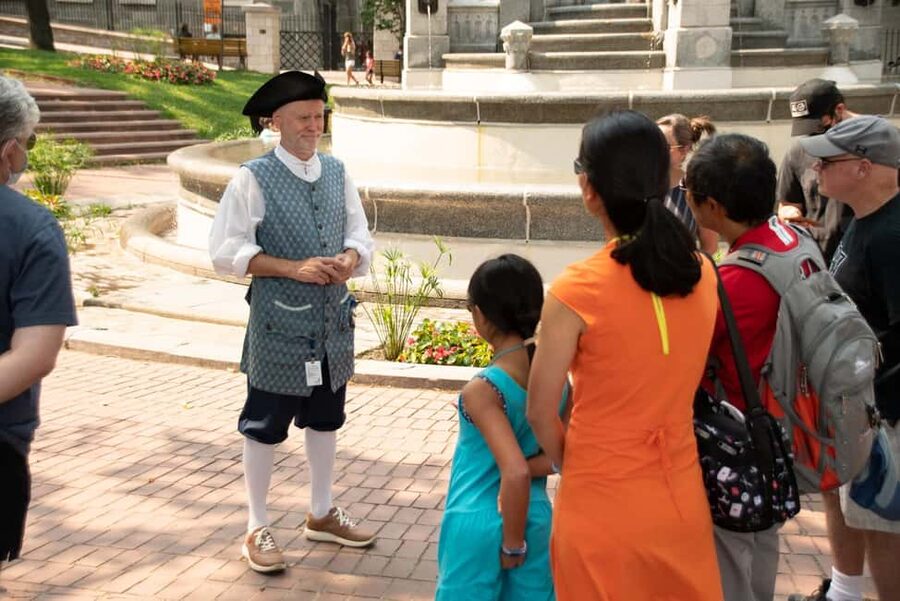
The strongest feature of this experience is the guide. The names and characters vary, so your guide may be Pierre, Bernard, Gary, Sylvain, Jean-Claude, or another member of the Cicerone team. Past sessions have included portrayals of Louis Hébert, Samuel de Champlain, and Marie-Anne Barbel.
That variety means the tone will depend partly on who leads your group. The common thread is a focus on clear storytelling, humor, and questions. Guides have explained the city through settlement, religion, politics, geography, and present-day issues rather than treating history as a list of dates.
One guide playing Louis Hébert focused on how farmers helped settle the colony. Another guide, introducing the city through three broad phases, gave the group a useful framework for understanding what followed. That is the kind of detail I value: a simple structure that lets you place individual buildings and events in time.
You should expect an active presentation. Guides may speak in character, add anecdotes, and connect old events to modern Quebec. The best sessions sound like a conversation with a gifted local storyteller, not a classroom lecture. Guides have also adjusted the route or pace for the needs of the group, including avoiding steep flights of stairs when possible.
Still, character interpretation is not identical to a formal academic lecture. If you want exhaustive detail about one building or period, this tour will probably leave you wanting more. Its purpose is to give you a lively overview and point you toward subjects worth exploring later.
Château Frontenac and Dufferin Terrace
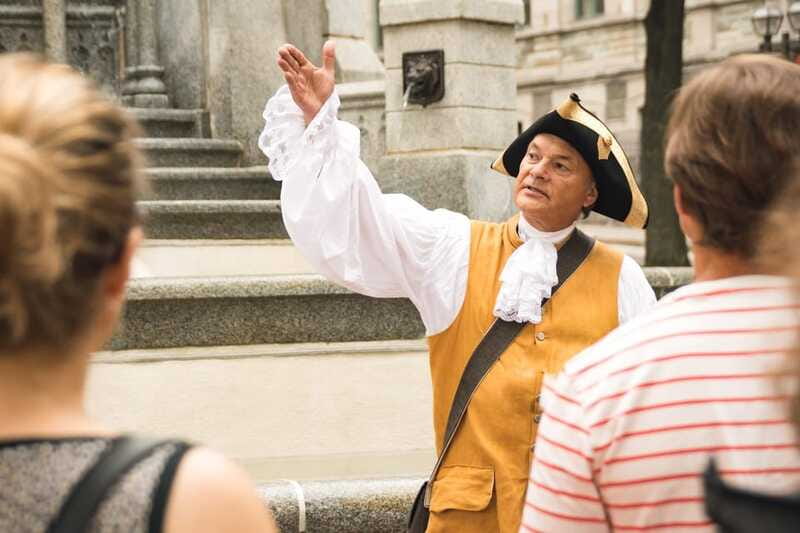
The Château Frontenac is one of the visual anchors of Quebec City. Its grand exterior gives the tour an easy starting point for discussing the city’s status, architecture, and changing public life.
You will have the chance to admire the hotel’s exterior and learn why it matters to the city’s identity. Dufferin Terrace adds a broad public viewpoint beside the château, making it one of the natural places for the guide to connect architecture with the city’s position above the river.
Expect the stop to focus more on explanation and atmosphere than on a long hotel visit. The experience information mentions access to exclusive areas of the Château Frontenac, but the exact access can depend on the option booked. If seeing more of the hotel interior is a top priority, confirm what your selected option includes before paying.
One participant wished the tour had included more of the château and the boardwalk. That is a fair expectation to manage. The tour visits the area, but it must also cover several other major parts of Old Quebec within two hours. You will have time to return to the terrace afterward for photographs and a slower look.
Same streets, a different way to see them:
- Quebec City Walking Tour
★ 5.0 · 4,716 reviews - Old Quebec City: Grand Walking Tour with Private Option
★ 4.8 · 2,609 reviews - Montreal Mile End Authentic Food Tour with 7 Delicacies Tastings
★ 5.0 · 2,598 reviews - The Original Old Montréal Walking Tour by Guidatour
★ 4.5 · 2,217 reviews
Notre-Dame de Québec Basilica and the religious story
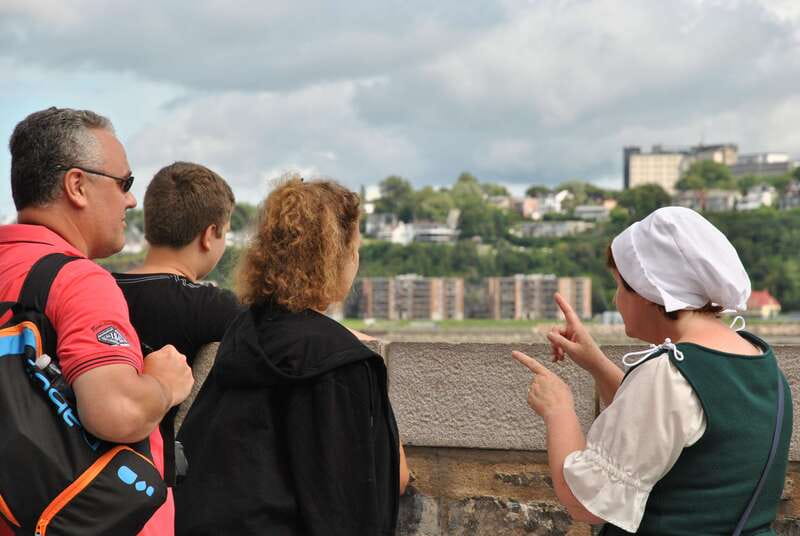
The Basilica of Notre-Dame de Québec brings a different side of the city into view. Here, the guide can explain how religion shaped settlement, public life, architecture, and the development of French civilization in North America.
The stop is valuable because it keeps the tour from becoming only a military or political history lesson. One guide was praised for presenting the city through religious, Indigenous, and current perspectives. That wider frame helps you understand that Quebec’s story involved many communities and competing ideas, not just famous governors and battles.
The tour may concentrate on the exterior and the surrounding setting rather than giving you a long interior visit. That distinction matters if you are hoping to study the basilica’s artwork or spend quiet time inside. The walking tour gives you context; you can then return on your own if you want more time.
Place Royale, the cradle of French settlement
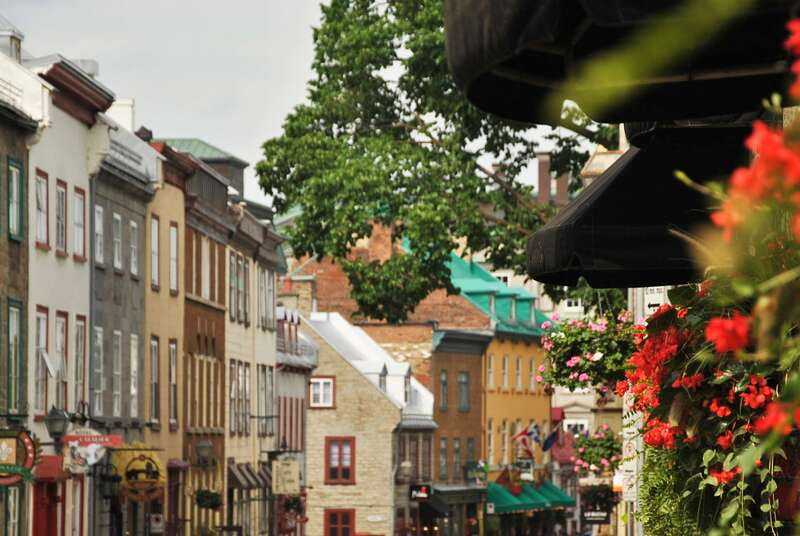
Place Royale is one of the most important stops because it represents the early French settlement of the area. It is often described as the cradle of French civilization in North America, and the guide uses the square to explain how Quebec developed from a colonial foothold into a major city.
This is where the costumed approach can work especially well. A guide portraying an early settler can make the choices of the first colonists easier to picture, from farming and trade to the pressures of building a community in a contested region.
Look closely at the surrounding architecture while the guide speaks. The value is not just the square itself, but the way the buildings show layers of time. Your guide may also point out places you would otherwise pass without noticing.
Place Royale is a popular part of Old Quebec, so it may feel less quiet than some side streets. The tour does not promise a private view or a long pause here. Its strength is the explanation, not solitude.
The streets beyond the postcard route
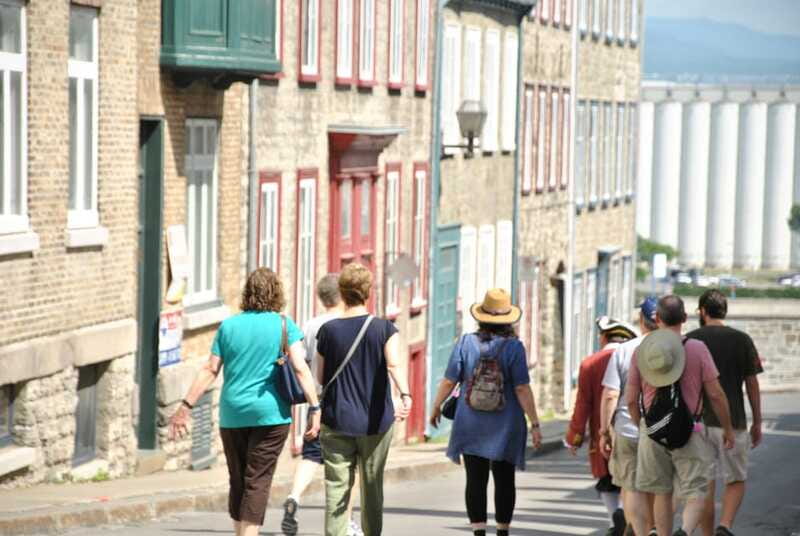
The phrase off the beaten path should be taken in a modest sense. This remains a central Old Quebec tour, not an expedition into an unknown part of the city. Still, the guides do include less obvious corners and routes that many people miss when walking between the main sights.
That is one of the tour’s best practical benefits. You can arrive in Quebec City with a short list of famous landmarks and leave with a clearer mental map of how the old town fits together. Several participants appreciated seeing places they would not have found alone.
The route covers a fair amount of ground, but many people found the pace comfortable. One participant nearing 80 found the final portion difficult, while another noted that the guide chose sloping roads instead of numerous flights of stairs. Your experience will depend on your walking ability, weather, and the exact route used that day.
Do not book this as a sit-down sightseeing activity. You will be standing, walking, listening, and moving between stops. If you need regular rest periods, tell the guide early and consider whether two hours on foot is right for you.
How the history is taught
The tour succeeds when the guide links events rather than reciting them. A strong explanation might begin with settlement, move into conflict and political change, then show how the city developed into the Quebec you see today.
Past guides have used humor, anecdotes, and direct answers to questions to keep the group involved. One guide was described as a minstrel-like storyteller, mixing facts with wit. Another was praised for speaking in an easy-to-follow story format despite a French accent.
That style suits most first-time visitors. You can learn the basic sequence of Quebec City’s past without needing prior knowledge. The use of characters also gives the tour a human angle. Louis Hébert, Champlain, or another figure becomes a voice through which the guide explains ordinary life, settlement, and ambition.
There is a tradeoff. A performance-led tour can simplify some subjects so the group can keep moving. You will receive a strong introduction, but not a complete study of Quebec’s 400 years. I would treat the tour as a foundation, then return to the places that caught your attention.
Is $24 good value?
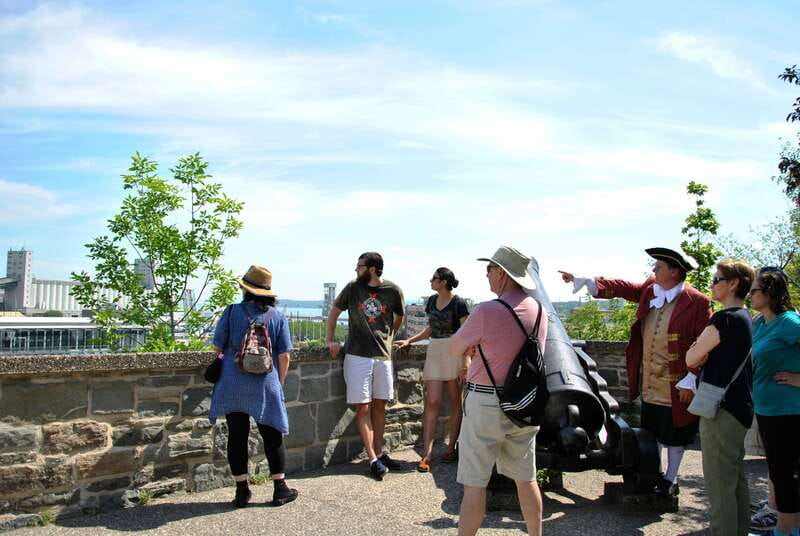
At $24 per person, the tour offers good value for a two-hour introduction to Old Quebec. You are paying for a licensed guide, a planned route, historical interpretation, and the convenience of seeing several major sights without piecing the city together yourself.
The price is especially fair if you are visiting for the first time, have limited time, or want an orientation before exploring museums and churches independently. A private tour would cost much more, while a self-guided walk gives you no chance to ask why a place matters.
The value is less clear if you already know Quebec City well or want lengthy interior visits. The tour moves through multiple areas, so it cannot give every stop the same amount of time. You are buying a lively overview, not a series of extended building tours.
Gratuity is not included. If your guide keeps the history clear, answers questions, and adjusts the walk thoughtfully, plan to tip according to your judgment.
Who should book this experience?
I would recommend it most strongly to first-time visitors, history fans, couples, families with older children, and anyone who wants a useful introduction without spending half a day on a formal tour.
It is also a good choice for repeat visitors who have seen the major sights but never understood how they connect. The off-route corners and character-led explanations can add new meaning to familiar streets.
You should think twice if you dislike theatrical presentation, need a fully accessible route, or want to sit often. The tour is not suitable for wheelchair users, and hills or stairs can make the walk tiring. Comfortable clothing and shoes are not optional extras here.
The English and French options make the experience practical for a wide range of visitors. Reserve-now, pay-later booking and free cancellation up to 24 hours before departure also help if your plans are still shifting.
Should you book the Old Quebec Historical Walking Tour?
Yes, if you want a lively and affordable introduction to the old city. The guides are the reason to book: they turn dates and façades into stories, use character without losing the facts, and offer a useful range of political, religious, Indigenous, and settlement history.
I would book it early in your stay, then revisit the Château Frontenac, Dufferin Terrace, Basilica, and Place Royale at your own pace. Give yourself extra time for the meeting point, wear proper walking shoes, and do not expect a long interior tour of every landmark.
For $24, this is a strong first look at Quebec City. It will not answer every question, but it should leave you with better questions to ask and a much clearer idea of where to wander next.
FAQ
How long is the Old Quebec Historical Walking Tour?
The tour lasts two hours.
How much does the tour cost?
The listed price is $24 per person.
Which languages are available?
The tour is available in English and French.
Where does the tour begin?
Check in at the Cicerone Information Centre at 12 Sainte-Anne Street, G1R 3X2. The meeting point may vary depending on the option booked, so confirm your specific details.
What sights are included?
The route includes places such as Château Frontenac, Dufferin Terrace, the Basilica of Notre-Dame de Québec, and Place Royale, along with other parts of Old Quebec.
Is the tour suitable for wheelchair users?
No. The experience is listed as not suitable for wheelchair users.
What should I bring?
Bring comfortable shoes and comfortable clothing. The tour is outdoors and involves walking through streets that may include slopes and stairs.
Just added around Canada
- The Banff Stargazing Tour – 2hr Walking Tour★ 5.0 · 189 reviews
- Toronto: Private Walking Tour with a Local★ 4.7 · 150 reviews
- Toronto: Dark History Nighttime Walking Tour★ 4.7 · 273 reviews
- Toronto: Distillery District Historic Walking Tour★ 4.8 · 267 reviews
- Toronto: City Walking Tour★ 4.9 · 185 reviews
- Toronto: 2-Hour Downtown Walking Tour★ 4.4 · 101 reviews
- Quebec City: Old Quebec Classic Walking Tour with Funicular★ 4.9 · 695 reviews
- Quebec City: Christmas Magic Walking Tour in Old Quebec★ 4.7 · 146 reviews
History Walking Tours, compared.
History and Hauntings of Salem Guided Walking Tour
Read our review →
Freedom Trail History Small Group Walking Tour
Read our review →
Historic Charleston Guided Sightseeing Walking Tour
Read our review →
Tapas Walking Tour with Food, Wine, and History
Read our review →
Savannah History and Haunts Candlelit Ghost Walking Tour
Read our review →
A History of Terror – Belfast City Centre Walking Tour
Read our review →Browse the lists this tour appears in