
Review · HISTORY WALKING TOURS
NYC: History of Slavery & Underground Railroad Walking Tour
History is under your feet in Lower Manhattan. This 150-minute walking tour connects slavery, abolition, the Underground Railroad, and the lives of African Americans who helped shape New York. I especially like the focus on real people and former escape routes, plus the visit to the African Burial Ground National Memorial, a place that gives the tour a quiet, serious center. Guides such as Maia, Ludie, Shawn, and Damaras have been praised for clear explanations and thoughtful answers.
The tour also makes familiar sights feel new. Fraunces Tavern, Trinity Church, and Wall Street take on a different meaning when you learn how slavery and Black resistance touched the city. The main drawback is that this is an emotionally heavy subject, and two and a half hours on city sidewalks may feel demanding in poor weather. Wear good shoes and arrive ready to listen.
Key points to know before you go
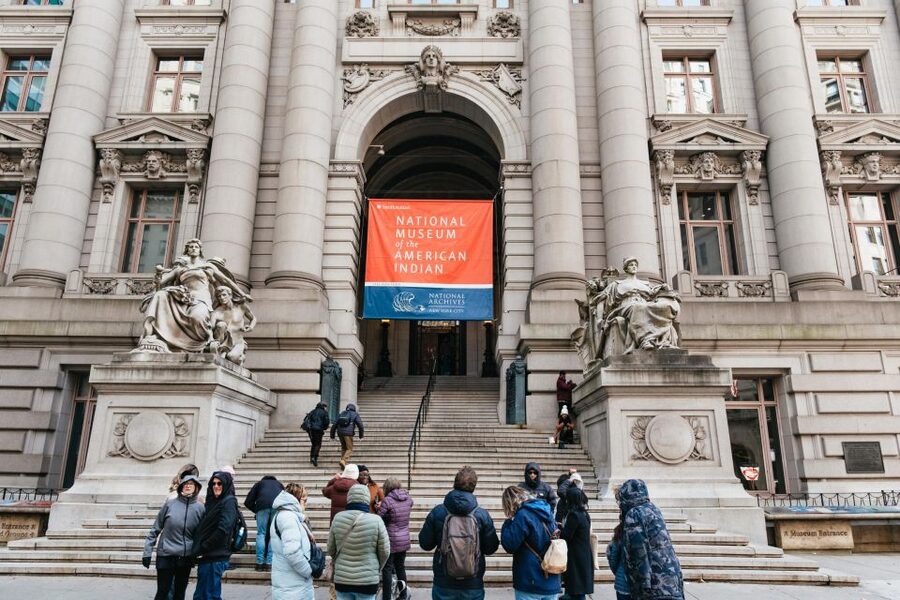
- Starts near the American Indian Museum: Meet in front of the museum before setting off on foot.
- Covers 150 minutes: The pace includes several stops, stories, and time for explanation rather than a quick photo walk.
- Focuses on New York’s early Black history: You learn about enslaved people, revolts, escapes, abolition, and the people who offered help.
- Includes Underground Railroad sites: Your guide explains how secret routes and safe houses connected people seeking freedom with free states and Canada.
- Ends with a place of remembrance: The African Burial Ground National Memorial honors enslaved Africans buried in colonial New York.
- Costs $49 per person: That is fair value if you want a guided history lesson tied directly to Lower Manhattan streets and landmarks.
Why this Lower Manhattan walk matters
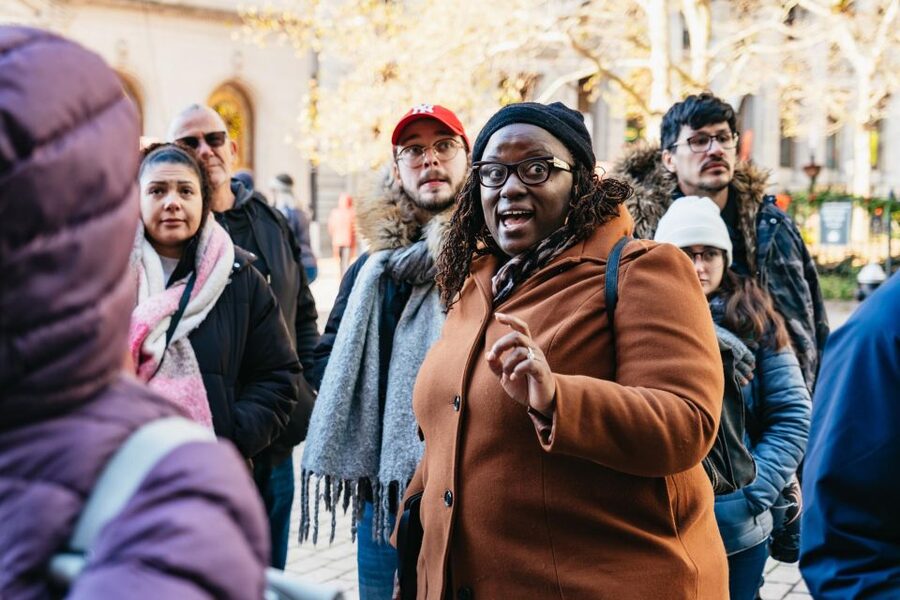
New York is often presented through skyscrapers, finance, immigration, and grand architecture. Those subjects matter, but they can leave out the people whose forced labor helped build colonial New York. This walk corrects that gap by placing African American history in the middle of the city, not at the edge of it.
I like that the experience does not treat slavery as a distant Southern story. The tour looks at New York during the period of American slavery, including the lives of enslaved people, resistance to bondage, kidnappings, uprisings, and escapes. You also hear about New Yorkers who risked property and personal safety to help people reach freedom.
The subject requires care. Several people who took this tour praised guides for handling painful material with empathy while still answering difficult questions directly. That balance matters. You are not being offered a light sightseeing stroll with a few historical facts added on. You are being asked to consider how power, money, law, and courage shaped the city.
At the same time, the tour keeps you moving through real streets. You learn beside churches, taverns, financial buildings, and archaeological sites. That physical connection makes the history easier to picture. A fact explained at a street corner can stay with you longer than one read from a museum label.
More History Walking Tours in New York City
- #1 Rated NYC Chinatown Food and History Walking Tour with FNYT
★ 5.0 · 171 reviews - Tribeca Architecture And History Walking Tour
★ 5.0 · 141 reviews - Lower Manhattan Secrets And History Walking Tour
★ 5.0 · 96 reviews
Meeting at the American Indian Museum
The meeting point is in front of the American Indian Museum. You should allow enough time to find the museum and locate the group before the scheduled start. The supplied information does not give a precise route from nearby subway stations, so check your booking details and map the museum before leaving your hotel.
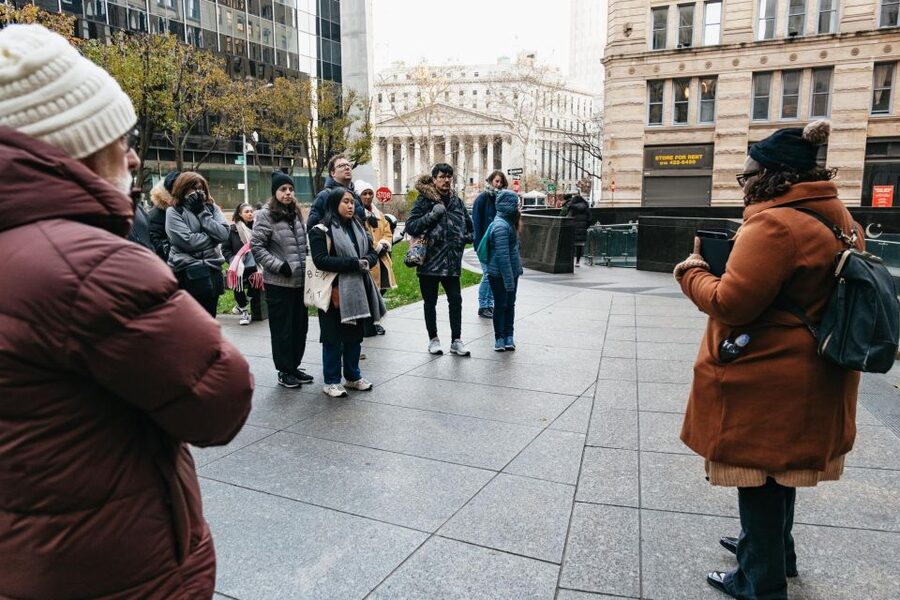
This is a walking tour, not a bus excursion. The route takes you through Lower Manhattan and includes multiple stops where the guide explains what happened there. One past participant described the amount of walking as manageable, but you should still wear comfortable shoes. Sidewalks, standing, and city traffic are part of the setting.
Bring clothing suited to the forecast. The walk operates outdoors, and rain or heat can affect your comfort. A past tour took place on a rainy afternoon, yet the guide delivered much of the explanation under shelter. That suggests the experience can work in unsettled weather, but you should not treat it as a weatherproof indoor activity.
The African Burial Ground National Memorial
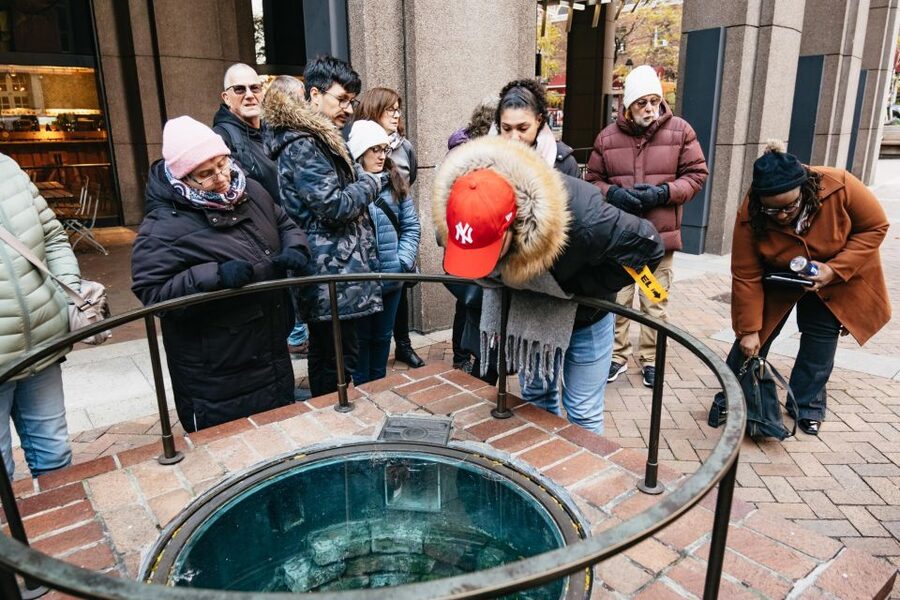
The tour begins at an archaeological site and memorial dedicated to enslaved Africans in colonial America. This opening gives the walk its moral focus before the route moves into stories of escape, resistance, and abolition.
The African Burial Ground National Memorial is important because it honors people whose lives were long overlooked in the public story of New York. You are not simply seeing an old building or a pretty square. You are being asked to remember people who lived, worked, suffered, and died in the city.
This stop may be especially meaningful if you want a place for reflection. The guide can explain the site and its connection to colonial New York, while the memorial itself gives you time to consider what the city’s early growth demanded from enslaved Africans and their descendants.
I would not rush this part. The later stops offer more movement and narrative drama, but the burial ground gives the tour emotional weight. If you prefer history presented only as dates and political events, this experience may feel personal and challenging. That is also its value.
Fraunces Tavern and the city’s colonial story
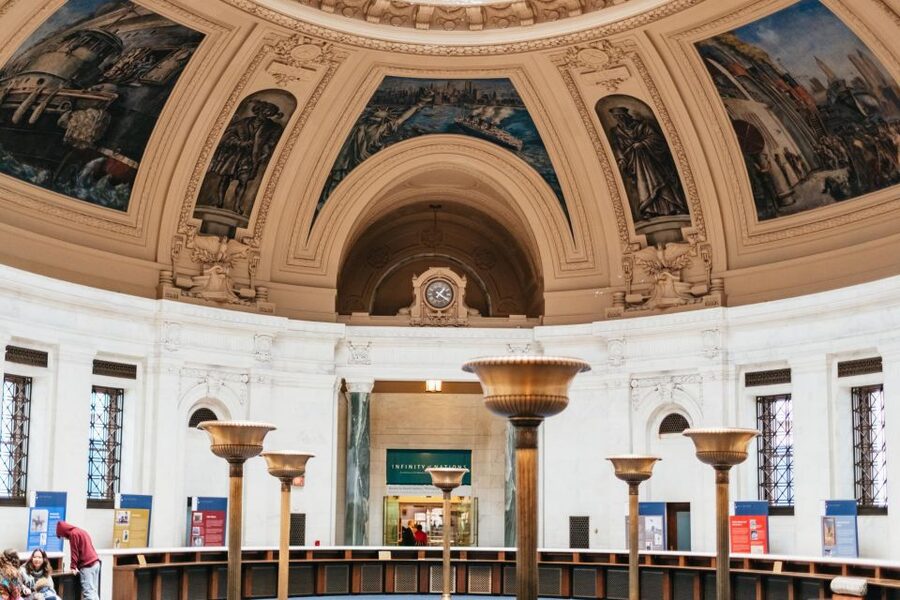
Fraunces Tavern is one of the named sights on the route. It is a useful stop because it links the tour’s subject to a familiar Lower Manhattan landmark rather than isolating African American history in one memorial.
Here, your guide helps place slavery and Black life within the world of early New York. The city was not separate from the systems that shaped colonial America. The tour examines how enslaved people contributed to New York’s foundations and how their presence was connected to the city’s growth.
The precise details you hear will depend on the guide and the flow of the group, but the larger lesson is clear: famous buildings can carry more than one story. You may have passed Fraunces Tavern before without connecting it to slavery, resistance, or the lives of Black New Yorkers. This tour encourages you to look again.
More History Walking Tours in the USA
- Pride Tours NYC’s LGBTQ Historical Walking Tour
★ 5.0 · 89 reviews - History and Hauntings of Salem Guided Walking Tour
★ 5.0 · 14,564 reviews - Boston: Freedom Trail History Small Group Walking Tour
★ 5.0 · 6,450 reviews - Historic Charleston Guided Sightseeing Walking Tour
★ 5.0 · 6,216 reviews
Trinity Church and Wall Street
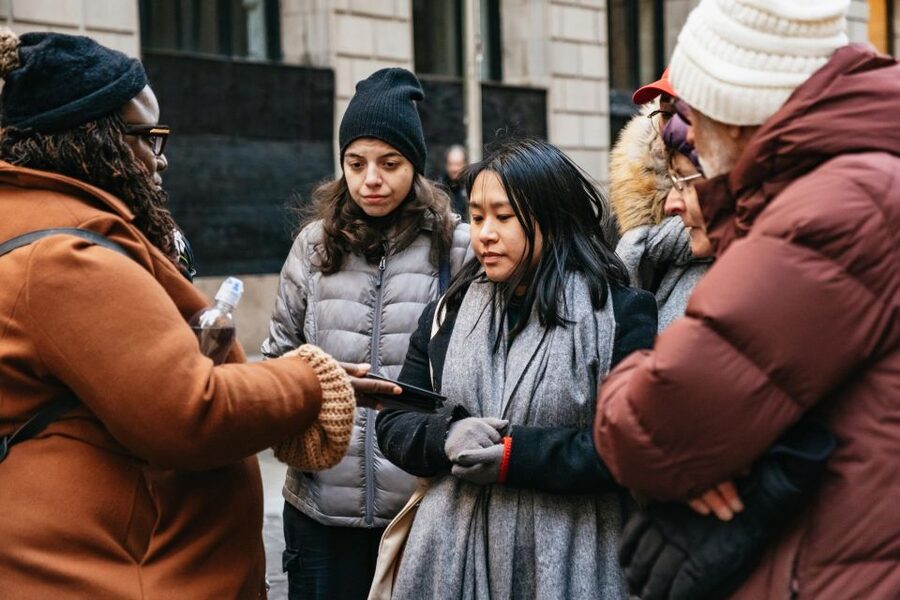
Trinity Church and Wall Street bring the subject into the heart of modern New York. These are places many people visit for architecture, finance, or sightseeing. On this walk, they become settings for questions about wealth, labor, law, and who benefited from the city’s development.
The guide connects the physical city to the people who lived within it. Instead of presenting Wall Street as a self-contained financial district, the tour shows how the city’s institutions and fortunes were linked to broader systems of labor and trade.
That change in viewpoint is one of the strongest parts of the experience. You will likely recognize the streets, but you may not recognize the story being told there. A lifelong New Yorker who joined the tour said the experience revealed facts that had never been part of their usual understanding of the city. That is a useful sign for both first-time visitors and longtime residents.
Trinity Church also helps show how many layers can exist in one small area. Colonial history, religious institutions, commerce, slavery, abolition, and modern tourism all meet within a short walk. The guide’s job is to connect those layers without losing the human stories.
Former Underground Railroad locations
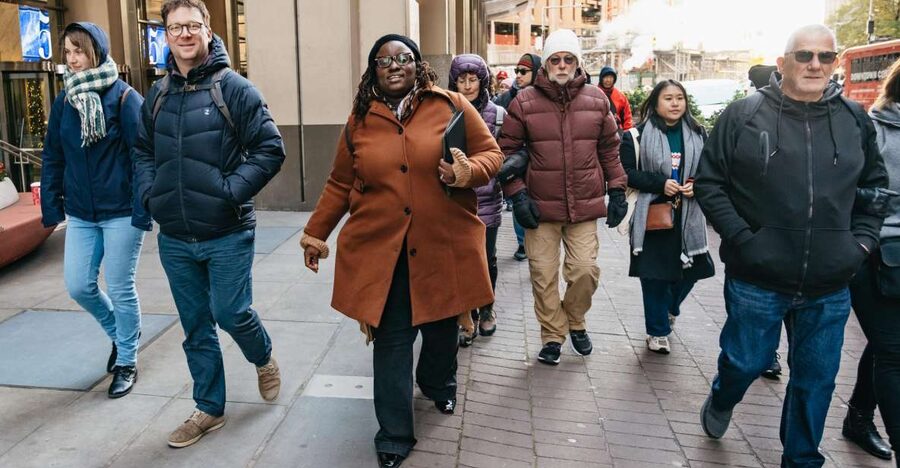
The Underground Railroad was not a literal railway. It was a hidden network of routes, contacts, safe houses, and trusted helpers used by enslaved African Americans seeking freedom in free states and Canada.
On this tour, you visit former locations associated with that network. Your guide explains how the system worked and tells stories of people who risked their lives and property to help others escape. The word network is important here. Freedom seekers depended on many points of contact, not one single road or heroic figure.
You also hear about the danger involved. The tour includes revolts, kidnappings, and dramatic escapes, showing that resistance took many forms. Some people fought openly. Others relied on secrecy, quick decisions, and assistance from people willing to face serious consequences.
This section should appeal to anyone who wants more than a general statement that the Underground Railroad existed. The value is in seeing how the idea connects to actual New York locations. You are encouraged to imagine movement through a city where secrecy mattered and where an ordinary building could provide shelter or a vital link.
Do keep your expectations grounded. The tour does not promise access to preserved interiors or a museum-style display at every stop. Much of the experience comes through the guide’s spoken account and your understanding of the street setting. If you need extensive indoor exhibits, you may want to pair the walk with a separate museum visit.
The guides make or break the experience
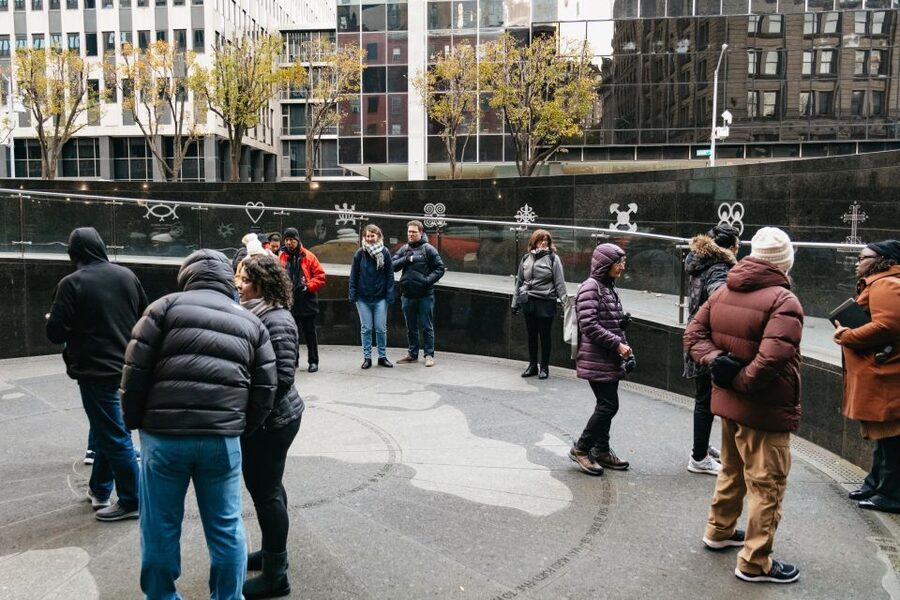
This tour depends heavily on the person leading it. The feedback supplied for this experience is unusually consistent on that point. Maia is praised for covering African American history from the formation of New Amsterdam through the African Burial Ground National Memorial. Ludie is described as an excellent guide, while Shawn is praised for answering a wide range of questions and explaining the subject clearly.
Damaras is remembered as kind, willing to answer awkward questions, and able to add humor without making the subject feel trivial. That is a difficult balance. A little warmth can help a group stay engaged during a serious two-and-a-half-hour walk.
You may also find the group international and mixed in age or background. One past participant appreciated meeting people from France, Germany, and Boston during the walk. That can add something useful, since the subject raises questions that people approach from different family and national histories.
The best guides do more than recite information. They ask thought-provoking questions and encourage you to think about the role ordinary people played in slavery, resistance, and abolition. The experience seems strongest when you participate, listen closely, and ask questions rather than simply waiting for the next landmark.
What the two and a half hours feel like
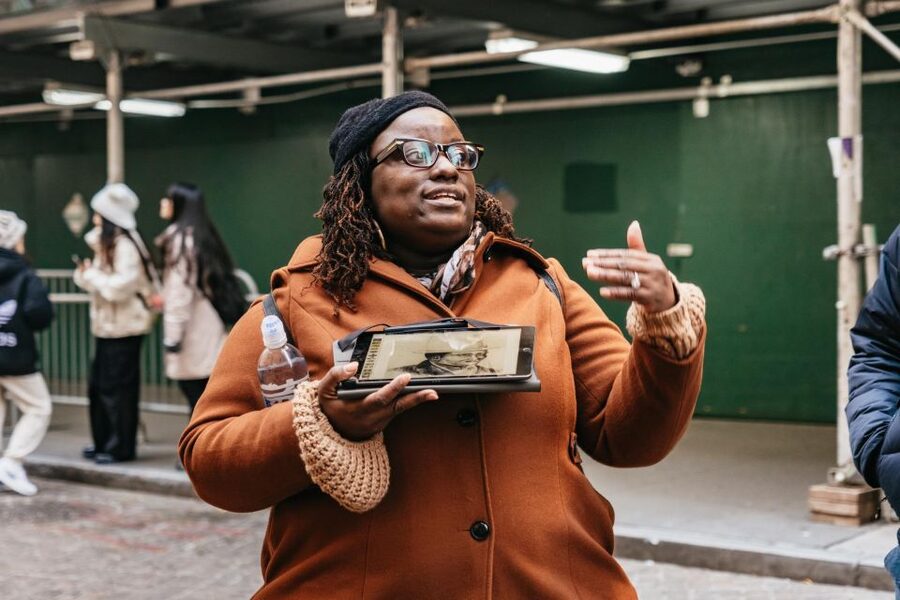
The full duration is 150 minutes. That is long enough to provide context, but short enough to fit into a day of sightseeing if you plan your schedule carefully.
Expect a steady sequence of walking, stopping, listening, and moving again. Some explanations may take place near outdoor landmarks, while others may happen in sheltered areas if weather requires it. The tour is not described as strenuous, but standing on city streets and walking between stops can tire you, especially in summer or rain.
The pace should suit you if you prefer a guided walk with time for stories. It may not suit you if you want to cover many attractions quickly or spend long periods inside each site. The route is about interpretation. The buildings and streets are evidence, while the guide provides the connections.
Because the theme is serious, you may want to leave some space afterward. You could continue exploring Lower Manhattan, but I would avoid booking another demanding activity immediately after the tour. A quiet meal or a slower visit to a nearby sight gives you time to think about what you heard.
Is $49 a fair price?
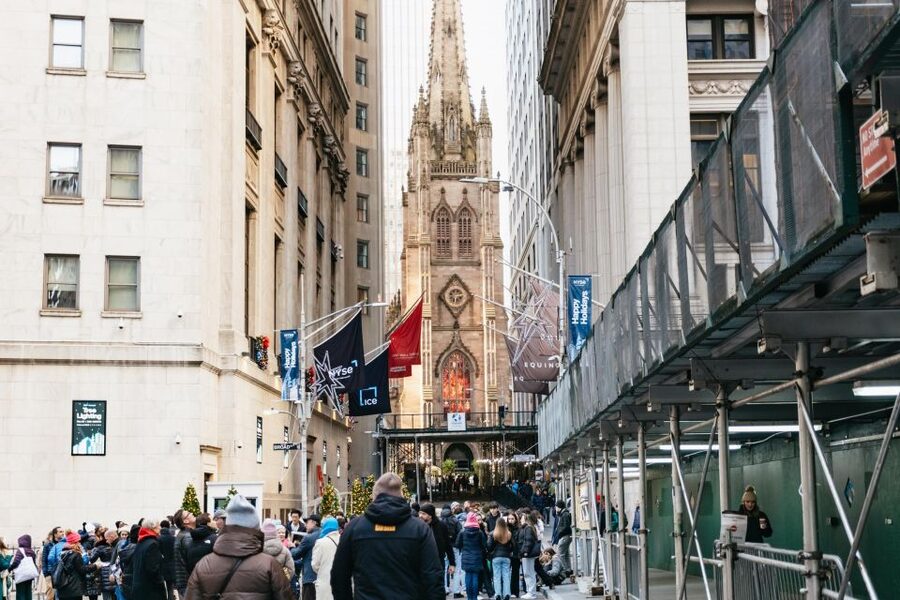
At $49 per person, the tour is not the cheapest way to walk around Lower Manhattan. You can see Wall Street, Trinity Church, and Fraunces Tavern on your own without paying an admission fee for the street view.
The price pays for something different: a licensed New York tour guide, a planned route, historical interpretation, and the chance to connect sites that might otherwise seem unrelated. If your aim is simply to photograph landmarks, the cost may not feel worthwhile. If you want a serious lesson in New York’s African American history, the fee is reasonable.
The guide’s role is especially important here. A map cannot explain the human choices behind an escape, the effect of a kidnapping, or the significance of a burial ground in the same way. You are paying for context and conversation as much as for movement through the city.
The tour also offers free cancellation up to 24 hours before departure and a reserve-now, pay-later option. Those terms make it easier to fit into a changing New York schedule. Hotel pickup and drop-off are not included, so you must reach the meeting point yourself.
Who should book this walk?
I would recommend it to first-time visitors who want to understand New York beyond famous buildings. It is also a strong choice for longtime residents, since the route can reveal stories hidden in plain sight. The reviews include several people from New York who learned facts they had never encountered before.
Students, history-minded families, educators, and anyone interested in African American history should find plenty to consider. The tour is also suitable for people who want a guided introduction before visiting other historical sites in the city.
You should think twice if you dislike serious historical discussion or prefer a quiet walk with little explanation. The topic includes slavery, violence, resistance, and loss. It is presented with care, but care does not make the subject light.
You should also plan around the weather. Comfortable shoes and weather-appropriate clothing are essential. English is the only listed tour language, so you need enough English to follow a detailed spoken presentation and take part in questions.
FAQ
Where does the tour meet?
The meeting point is in front of the American Indian Museum in New York City.
How long does the walking tour last?
The tour lasts 150 minutes, or two and a half hours.
How much does the tour cost?
The listed price is $49 per person.
What language is the tour offered in?
The live guided tour is offered in English.
What sights are included?
The route includes the African Burial Ground National Memorial, Fraunces Tavern, Trinity Church, Wall Street, and former locations connected with the Underground Railroad.
Is hotel pickup included?
No. Hotel pickup and drop-off are not included, so you need to make your own way to the meeting point.
What should I bring?
Bring comfortable shoes and clothing suitable for the weather. The experience takes place mainly on foot and outdoors.
Should you book it?
Book this tour if you want New York history told through people, places, and difficult questions. The strongest reasons are the African Burial Ground National Memorial, the Underground Railroad locations, and guides who can explain the subject with clarity and empathy.
At $49, it offers good value for a focused 150-minute history walk. I would choose it early in a New York visit, especially if you want the rest of your sightseeing to carry more context. Skip it only if you want a light, architecture-first outing or if a serious discussion of slavery and resistance is not what you are prepared for.
Just added around New York City
- New York City: Superheroes of NYC Guided Walking Tour★ 4.5 · 271 reviews
- West Harlem: Gospel Church Service and Sunday Walking Tour★ 4.3 · 411 reviews
- SoHo, Little Italy, and Chinatown 2-Hour Guided Walk★ 4.6 · 566 reviews
- New York City: Food Walking Tour of Chinatown & Little Italy★ 4.8 · 195 reviews
- NYC: Brooklyn Graffiti & Street Art Walking Tour in Bushwick★ 4.8 · 492 reviews
- NYC: Brooklyn Bridge and Dumbo Guided Walking Tour★ 4.5 · 186 reviews
- New York City’s Hell’s Kitchen: Walking Food Tour★ 4.8 · 200 reviews
- NYC: Walking Tour with Local Guide and 30+ Top NYC Sights★ 4.5 · 248 reviews
History Walking Tours, compared.
History and Hauntings of Salem Guided Walking Tour
Read our review →
Freedom Trail History Small Group Walking Tour
Read our review →
Historic Charleston Guided Sightseeing Walking Tour
Read our review →
Tapas Walking Tour with Food, Wine, and History
Read our review →
Savannah History and Haunts Candlelit Ghost Walking Tour
Read our review →
A History of Terror – Belfast City Centre Walking Tour
Read our review →Browse the lists this tour appears in