
Review · HISTORY WALKING TOURS
Old Delhi: Spices, Heritage and Bazaars Walking Tour
Old Delhi rewards curious walkers. This three-hour outing combines Jama Masjid and its city views with the spice warehouses of Khari Baoli, then threads through market lanes that are easy to miss on your own. I like the small group size, capped at seven, and the way guide Jai Singh brings history, food customs, shopping, and everyday life into the same walk. The main drawback is physical: narrow lanes, uneven footing, crowds, stairs, and traffic make this a poor fit for anyone with limited mobility.
I also like the price. At $13 per person, you get a local guide and a bottle of water for less than many sightseeing outings cost in Delhi. You should still budget separately for the optional Jama Masjid entrance fee, food, drinks, purchases, and any rickshaw ride.
- Jama Masjid viewpoint: See Shah Jahan’s 400-year-old mosque and choose whether to enter or admire it from outside.
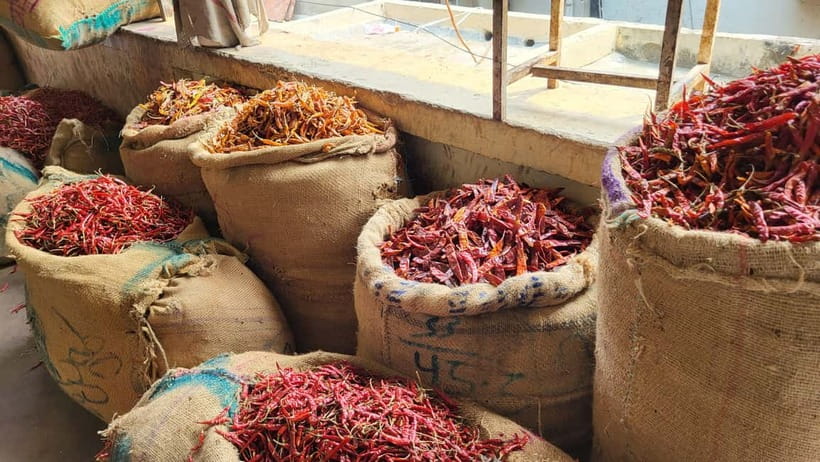
- Khari Baoli spice warehouses: Smell and inspect sacks of cardamom, chilies, turmeric, and other Indian ingredients in Asia’s largest spice market.
- Old Delhi back lanes: Walk through havelis, workshops, temples, shops, and residential streets that most first-time visitors would not find alone.
- Mughal-era shopping quarters: Pass through Meena Bazaar and Chandni Chowk, where jewelry, textiles, clothing, and household goods fill the lanes.
- Goldsmith neighborhood: Visit an old artisan quarter where goldsmith families have worked since the Mughal period.
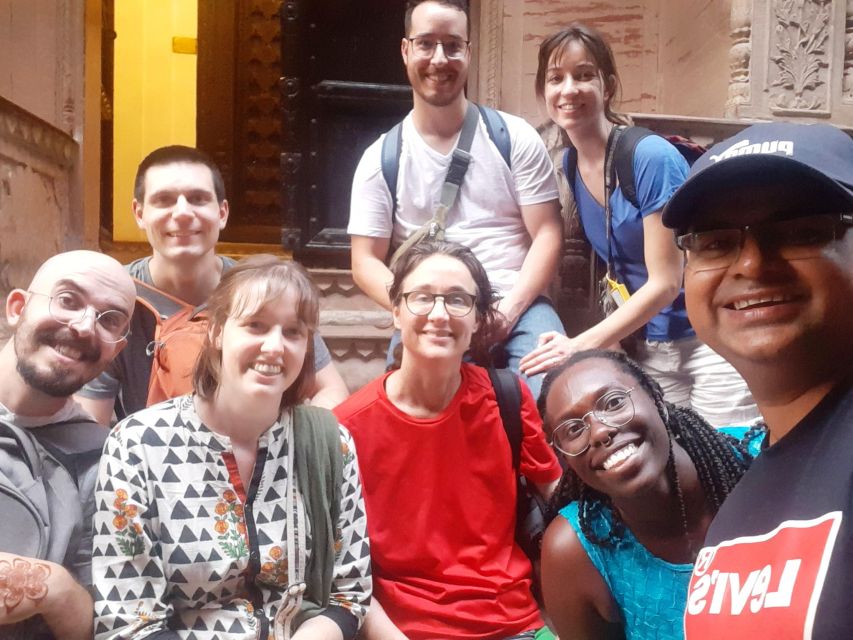
- Small-group guidance: With no more than seven people, Jai can answer questions, adjust the pace, and help with the city’s traffic and crowded crossings.
Starting at Jama Masjid Metro Station
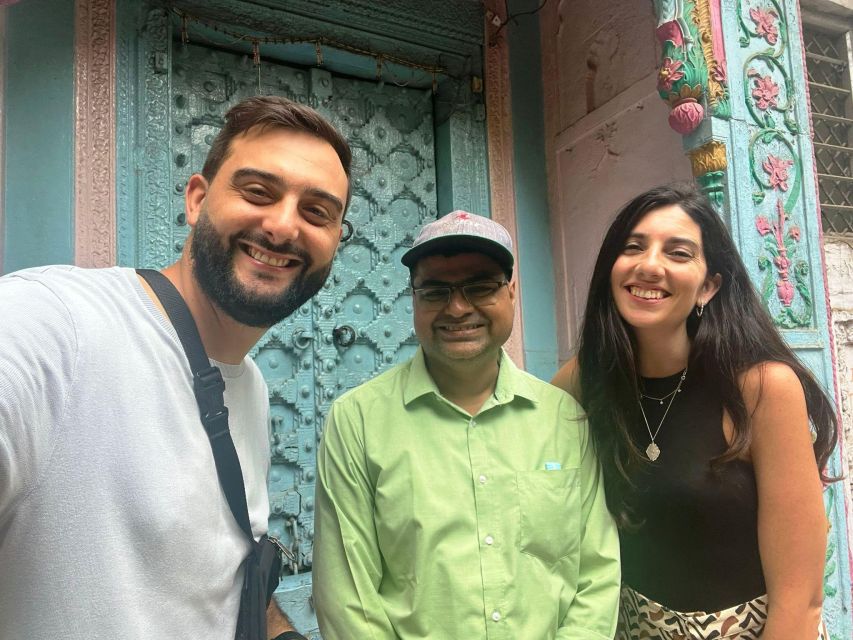
The meeting point is Exit Gate 1 of Jama Masjid Metro Station. This is a practical starting place because the metro avoids Delhi’s road traffic, but you should still allow time to find the correct exit. Send your WhatsApp number or local Indian number when booking so the guide can reach you if you emerge a few meters from the meeting point.
The tour begins with a short briefing, then moves straight into Old Delhi’s busy streets. There is no hotel pickup in the standard arrangement, though optional pickup may be available from centrally located hotels. Large bags and luggage are not allowed, so bring only what you need for a few hours.
Jai Singh is the guide most closely associated with this walk. His strongest quality is not simply knowing dates and names. He explains how the markets work, why certain streets serve particular trades, and how old religious and commercial quarters still function today. Several people also appreciated his calm manner when guiding them through traffic and his help arranging a ride after the walk.
The group limit of seven matters here. Old Delhi is not a place where a large group moves neatly from stop to stop. A small party can pause in a lane, gather around a shopkeeper, or step aside when a scooter, handcart, or delivery vehicle squeezes through.
Meena Bazaar and the Mughal commercial quarter
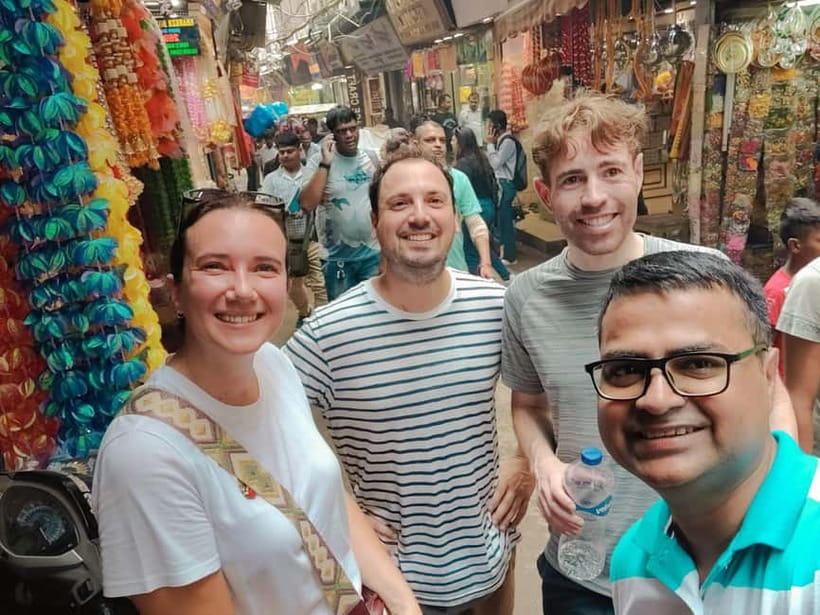
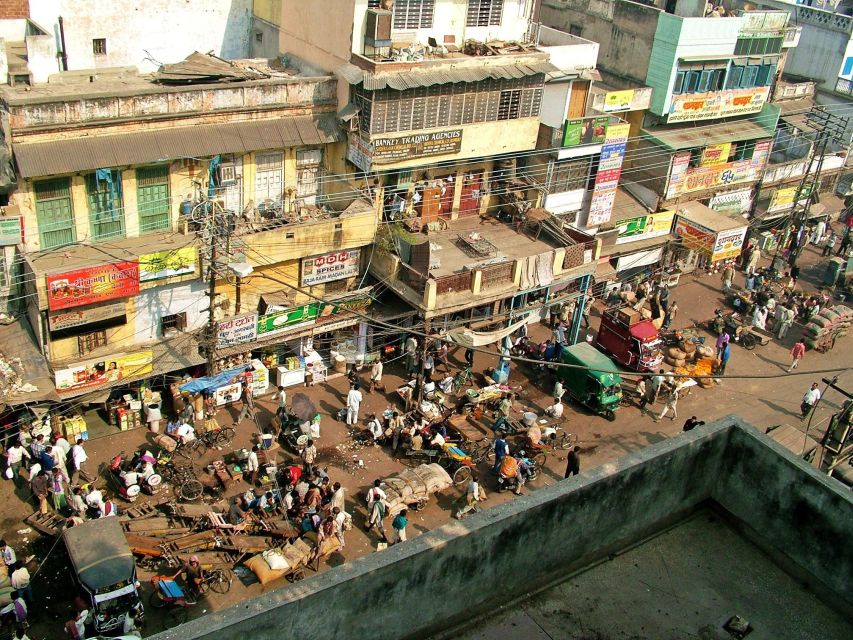
The first market area is Meena Bazaar, once associated with precious gems and imperial trade. Today, it serves a much broader public, with vendors selling inexpensive goods for local shoppers. That contrast gives you a useful introduction to Old Delhi: grand Mughal associations sit beside practical commerce, low-cost merchandise, and the daily rush of the city.
Do not expect a polished shopping arcade. The appeal is the mixture of old names, changing businesses, and ordinary trade. Clothing, accessories, household items, and religious goods may appear around you, but the exact stalls and products will vary.
This is also where a local guide earns his fee. Jai can explain the shift from an imperial market to a working neighborhood rather than presenting Old Delhi as a frozen monument. If you want to buy something, ask about prices and customs before reaching for your wallet. The walk is not primarily a shopping tour, but it can help you find tea, spices, textiles, silverware, or other small purchases.
More History Walking Tours in India
- Fontainhas Heritage Walk by Make It Happen
★ 5.0 · 2,834 reviews - The Great Indian Food Tour: Old Delhi Food and Heritage Walk
★ 5.0 · 1,698 reviews - Old Goa Heritage Walk by Make It Happen
★ 5.0 · 797 reviews
Jama Masjid and the optional entrance fee
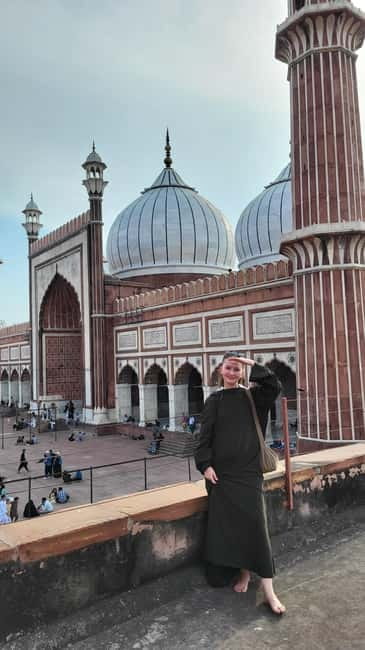
Stone steps lead to Jama Masjid, one of India’s largest mosques. Shah Jahan, the Mughal emperor associated with the Taj Mahal, commissioned the mosque, which is about 400 years old. Its scale makes sense only after you have approached it through the crowded market below. The broad structure and elevated position offer a different view of Old Delhi from the tight lanes at street level.
Entering the mosque is optional. The stated entrance fee is INR 450 per person, paid separately. If you choose not to enter, you can make a photo stop from outside and continue with the group.
This optional arrangement is useful for people with different interests or budgets. You can see the building without paying the entrance fee, while others in the group may choose to go inside. Modest dress and respectful behavior are important at a religious site. You should also expect steps and the need to manage footwear during the visit.
Some accounts of the walk describe access to upper viewpoints or a minaret, but the standard description only promises a guided visit and views of the old town. Treat any extra access as dependent on current rules, timing, and the guide’s route rather than as a guaranteed part of the package.
Chandni Chowk and the maze of Old Delhi
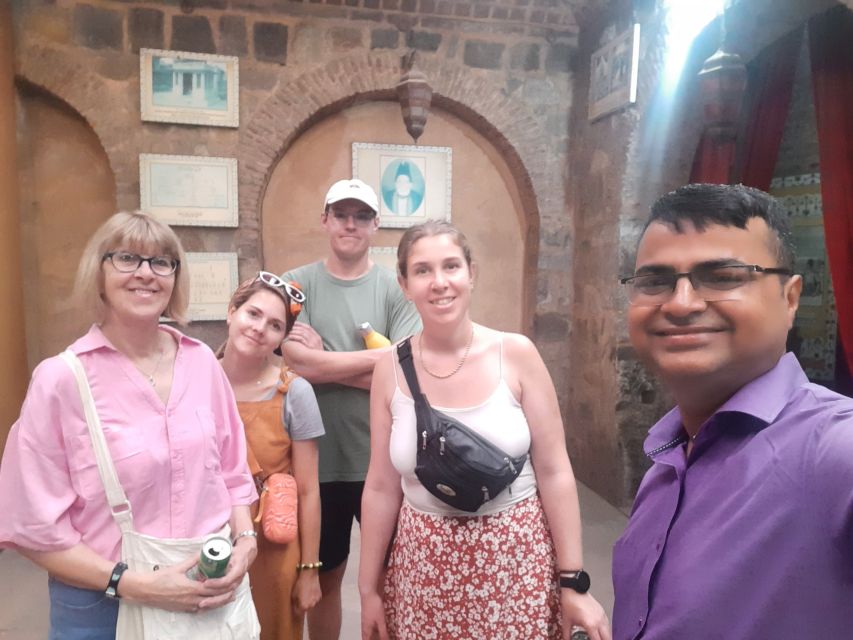
After Jama Masjid, the walk turns into the lanes around Chandni Chowk. This is the part where a map becomes less useful. You pass havelis, or traditional courtyard houses, along with old shops, small shrines, workshops, and market streets devoted to particular goods.
The route is not just a march between famous sights. Jai explains the buildings and the people using them, along with local behavior, religious customs, food culture, and the changing role of the neighborhood. That wider context is one reason this tour earns strong praise. You are not only looking at old facades. You are seeing a functioning district where people live, work, worship, transport goods, and shop.
The pace is generally described as comfortable rather than rushed. That helps when you want photographs or need time to listen. It also means the three-hour estimate can feel full. One account describes a tour lasting closer to four hours, so avoid scheduling a tight connection immediately afterward.
The streets can be loud and crowded. Cars, motorcycles, cycle rickshaws, handcarts, and pedestrians share limited space. Stay close to the guide, especially at crossings, and wear shoes with a secure sole. This is not a quiet heritage walk. It is an energetic, sometimes chaotic look at one of Delhi’s oldest commercial districts.
A neighborhood of goldsmiths and old crafts
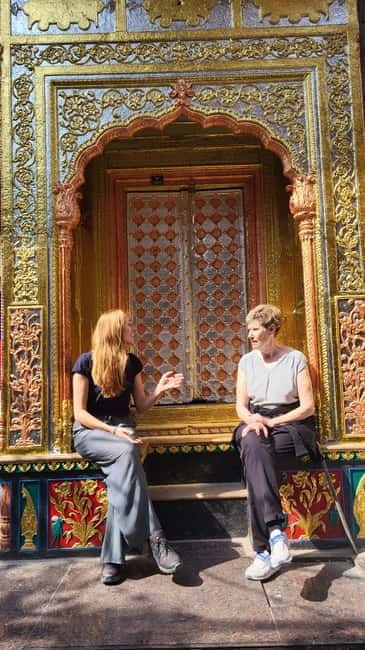
One particularly unusual stop is an old neighborhood of goldsmith artisans. Families have lived and worked there since the Mughal era, linking the present-day market to older craft traditions. The attraction is not a grand monument. It is the chance to see how a specialist trade can shape a neighborhood over generations.
The visit also adds balance to the larger markets. Chandni Chowk can feel like one huge commercial mass, but these specialist lanes show that Old Delhi is organized by small communities and trades. Jewelry, textiles, spices, and other goods often cluster in their own sections.
If you are interested in buying jewelry, use the stop to ask questions rather than feeling pressured to purchase. The guide can help explain what you are seeing, but you remain responsible for checking prices, materials, and receipts.
Same streets, a different way to see them:
- Group Guided Walking Tour in Fort and Colaba
★ 5.0 · 1,073 reviews - Private Guided Walking Tour in Fort & Colaba
★ 5.0 · 895 reviews - Old Delhi Food, Heritage&Cultural Walk with Rickshaw ride to Masterji Kee Haveli
★ 5.0 · 742 reviews - Breakfast Walk in Old Delhi
★ 5.0 · 449 reviews
Khari Baoli, where the air changes
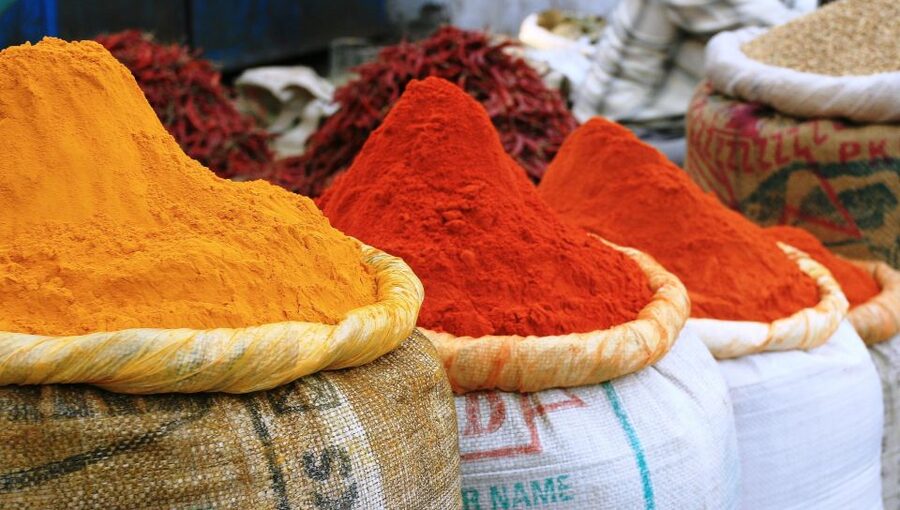
Khari Baoli is the sensory centerpiece. It is described as Asia’s largest spice market, and the experience begins before you enter a shop. Large sacks are cut open for display, sending the scent of spices into the air. The range can include familiar kitchen staples and less common ingredients you may not recognize.
The route goes into a substantial warehouse area where wholesale merchants inspect goods and negotiate deals. You then visit an old spice depot for an explanation of Indian spices and their use in cooking. This is more useful than simply stopping at a retail shelf because you learn how the market serves both large buyers and ordinary households.
Expect dust, strong aromas, uneven surfaces, and active loading areas. The setting is a working wholesale market, not a purpose-built attraction. Keep your belongings close and follow the guide’s instructions around sacks, carts, and shop entrances.
The spice stop can also save money later. Some imported Indian spices cost far more in overseas supermarkets than they do near their source. Still, compare prices and buy only what you can legally carry into your next country. The tour does not include food or drinks, so any spice purchases, chai, snacks, or street food come from your own budget.
Several outings have included chai or small tastings, and some people enjoyed trying different masala chai varieties. These extras should be treated as dependent on the guide and route, not guaranteed inclusions. The listed inclusion is one mineral water bottle per person.
What Jai Singh adds to the walk
A good Old Delhi guide does more than prevent you from getting lost. Jai’s approach, based on the many detailed accounts of his walks, includes history, social customs, market production, food, transport advice, and local etiquette. He is also praised for answering repeated questions without rushing the group.
That matters particularly for solo visitors. Jai has helped people locate the meeting point through WhatsApp, guided them safely through difficult traffic, and helped arrange a taxi or ride at the end. A solo woman described feeling comfortable in the back streets, while other people appreciated his care with older parents and his willingness to slow down.
You should still keep normal city precautions. A friendly guide is not a substitute for watching your phone, wallet, and bag. Since this is a small-group walk, the experience may feel personal, but the route remains in a busy part of Delhi.
Is $13 good value?
Yes, if you value local explanation more than luxury. The $13 price covers the guide and water for roughly three hours, with no hotel transfer, meals, or entrance fees included. The cost is low enough to leave room in your budget for the optional mosque fee, a snack, chai, and a small purchase.
The real value is access. You could walk through Chandni Chowk and Khari Baoli independently, but you would likely miss the goldsmith quarter, the old havelis, specialist market sections, and the wholesale spice warehouses. You might also spend much of your time deciding which lane to take.
The price is less attractive if you want a slow food tour, a private car, or a long visit inside every monument. It is also not ideal if you dislike crowds, bargaining, strong smells, or walking on uneven streets.
Who should book this Old Delhi walk?
I would choose this tour if you want your first close look at Old Delhi to include more than Jama Masjid and a quick rickshaw ride. It suits solo visitors, couples, small groups, photographers, food-curious people, and anyone interested in how markets actually work.
It is especially good for visitors who want context. You get Mughal-era history, working neighborhoods, religious architecture, craft traditions, spices, and local transport in one compact outing. The small group makes it easier to ask about anything that catches your eye.
You should think twice if you have a mobility impairment or are pregnant, since the activity involves extended walking, stairs, congestion, and uneven ground. Leave large luggage at your hotel. Wear comfortable footwear, carry minimal valuables, and keep your schedule flexible in case the route runs longer than three hours.
Practical details before you go
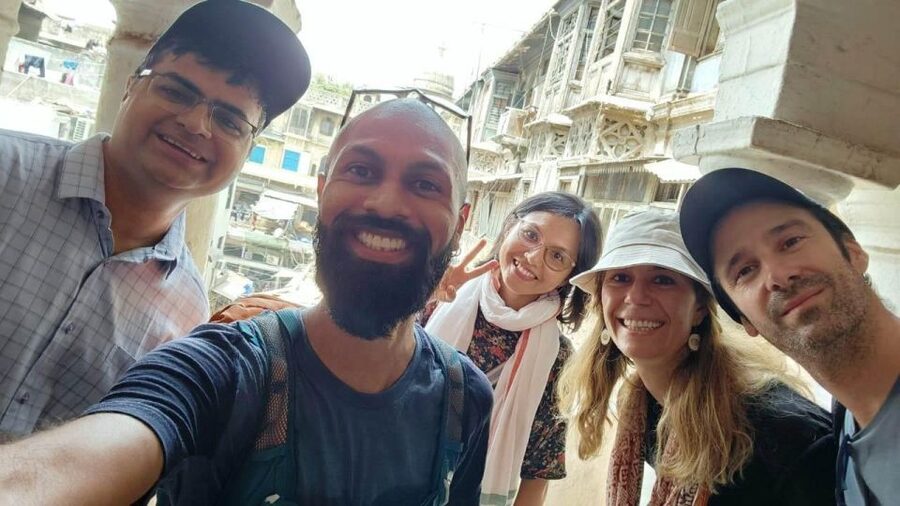
The tour is offered in English and normally runs for three hours. The meeting point is Jama Masjid Metro Station, Exit Gate 1. Drop-off is listed at either Connaught Place or Khari Baoli, depending on the selected option and the final route.
Free cancellation is available up to 24 hours before the start, and you can reserve while paying later. Check the available start times when booking, since the ideal departure will depend on your Delhi plans and the season.
Bring water beyond the included bottle if you prefer to drink often, but avoid carrying a large daypack. Keep your phone charged for WhatsApp contact and transport after the walk. If you plan to enter Jama Masjid, bring money for the separate INR 450 fee.
Should you book it?
Book it if you want an affordable, people-focused introduction to Old Delhi rather than a polished sightseeing circuit. Jai Singh’s calm guidance, strong local knowledge, and care with directions and onward transport make the experience more approachable, especially for solo visitors.
Skip it if you need step-free access, dislike market crowds, or want food and entrance fees bundled into one price. For most able-bodied visitors with a free morning or afternoon, though, the combination of Jama Masjid, Chandni Chowk, the goldsmith quarter, and Khari Baoli offers unusually good value for $13.
FAQ
Where does the Old Delhi walking tour meet?
Meet the guide at Exit Gate 1 of Jama Masjid Metro Station. If you are arriving by Uber, use the supplied map pin and share your WhatsApp or local Indian number so the guide can contact you.
How long does the tour last?
The stated duration is three hours. Some outings may take longer, so avoid booking a tight appointment immediately afterward.
Is entry to Jama Masjid included?
No. Entering the mosque is optional and costs INR 450 per person. You can also view and photograph the mosque from outside without entering.
Is hotel pickup available?
Pickup is optional and may be available from centrally located hotels. The standard meeting point is Jama Masjid Metro Station.
What is included in the price?
The price includes a local English-speaking guide and one mineral water bottle per person. Food, drinks, entrance fees, hotel transfers, and guide tips are not included.
Is the tour suitable for people with mobility impairments?
No. The activity is not considered suitable for people with mobility impairments or pregnant women because it involves extended walking, stairs, crowded lanes, and uneven surfaces.
Just added around India
- Tipu Palace + Koté Vishnu + Fort + KR Market + Jain Temple = Bengaluru Pété Walk★ 5.0 · 150 reviews
- Street Food walking tour in Bangalore with a food evangelist★ 5.0 · 83 reviews
- Bengaluru Pete City Market Half-Day Walking Tour★ 5.0 · 163 reviews
- Amritsar Heritage Walking Tour★ 5.0 · 112 reviews
- Agra Walking Tour★ 5.0 · 109 reviews
- The Great Indian Food Tour: Old Delhi Food and Heritage Walk★ 5.0 · 106 reviews
- Spiritual Walk Tour Trivandrum (Guided Walking Experience)★ 4.6 · 87 reviews
- Spiritual Walking tour with Puja Ceremony -The Pushkar Route★ 5.0 · 101 reviews
History Walking Tours, compared.
History and Hauntings of Salem Guided Walking Tour
Read our review →

Freedom Trail History Small Group Walking Tour
Read our review →
Historic Charleston Guided Sightseeing Walking Tour
Read our review →
Tapas Walking Tour with Food, Wine, and History
Read our review →
Savannah History and Haunts Candlelit Ghost Walking Tour
Read our review →
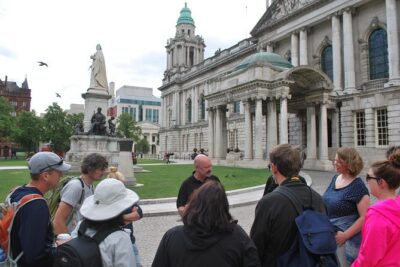
A History of Terror – Belfast City Centre Walking Tour
Read our review →Browse the lists this tour appears in