
Review · HIDDEN GEMS WALKING TOURS
Osaka: Hotspots & Hidden Gems Walking Tour Private or Group
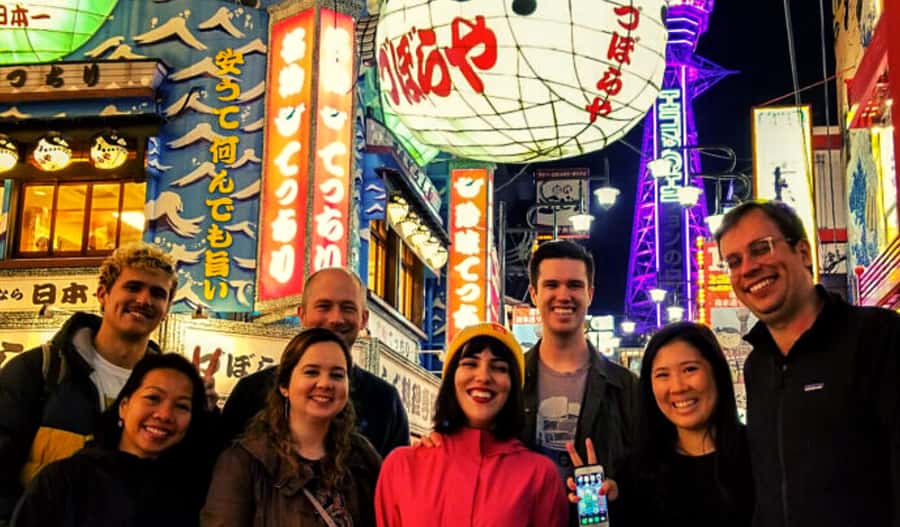
Osaka rewards curious walkers. This tour connects the city’s famous sights with quiet alleys, local bars, seafood stalls, and old neighborhoods that are easy to miss on your own. I like the way it gives you both the neon side of Osaka and its more ordinary, lived-in streets.
I also like the flexible format. You can join a three-hour group walk of up to nine people, or choose a four, five, or seven-hour private tour with room for Osaka Castle, Shitennoji Temple, a knife demonstration, or the Osaka Museum of Housing and Living. The main drawback is that the food included is very modest: one small takoyaki serving and a canned drink, not a full food tour.
Key points at a glance
- A strong first-day orientation: The route links Namba, Kuromon Market, Dotonbori, America-mura, and Shinsekai, giving you a useful map of central Osaka.
- Small-group energy: The group option has a maximum of nine people, while private tours can be adjusted to your interests and walking pace.
- A small but welcome food taste: You receive takoyaki and a canned drink, while additional market food costs extra.
- Different versions of Osaka: Expect neon signs and giant billboards, but also narrow lanes, a temple, old arcades, seafood stalls, and traditional neighborhoods.
- Night tours work especially well: Dotonbori’s signs and riverfront are at their most theatrical after dark.
- Strong guide-led experience: Guides such as Stephanie, Rahat, Josh, Taka, Harry, and Meryem have been praised for humor, local advice, and clear explanations.
Why this tour works as your Osaka introduction
Osaka can feel confusing at first. Namba, Dotonbori, Shinsaibashi, Kuromon, and Shinsekai sit close together on a map, but each has its own mood. You can walk through them without understanding how they fit together.
This tour solves that problem on foot. Your guide explains what you are seeing while moving between food streets, shopping zones, old lanes, religious sites, and entertainment districts. I especially like this approach for your first or second day, when you still need help deciding where to return for dinner, shopping, photos, or a longer visit.
The route is not built around one grand monument. Its appeal comes from contrast. One moment you are under giant cartoon signs beside the Dotonbori River. Soon after, you are looking down a narrow cobblestone lane, passing small restaurants and bars that feel far removed from Osaka’s billboard district.
The repeated praise for guides is important here. This experience depends more on the person leading it than on a fixed script. Stephanie has been praised for being attentive and lively, while Rahat is known for strong energy, local stories, and practical tips. Josh has received praise for his long experience living in Osaka, and Taka for combining history, humor, and flexible planning.
That also means your exact experience can vary. Some guides are long-term residents, while others may be foreigners who have lived in Japan and built up strong local knowledge. If having a Japanese-born guide matters to you, ask when booking. The useful point is that clear English and personality appear to be central strengths across the team.
More Private Walking Tours in Japan
- Nara Half Day Trip Walking Tour (Private Option Available)
★ 5.0 · 937 reviews - Tokyo: Private Custom Walking Tour with Local Guide
★ 4.8 · 533 reviews - Tokyo: Private Walking Tour with a Local Guide
★ 4.9 · 469 reviews
Meeting in Namba and finding your bearings
The group tour starts at Exit 24 of Namba Metro Station. Meet at the top of the stairs, near the vehicles. Look for the Exit 24 sign and a bicycle stand about seven meters away.
This sounds simple, but Namba has several stations and large underground passages. Give yourself extra time. The meeting point is not a hotel lobby, and the guide will be waiting outside at street level.
Private tours can include pickup from a centrally located Osaka hotel. You need to send the hotel details at least the day before. Hotel pickup is not available for the group tour, and transportation is not included in the tour price.
Wear comfortable shoes. You will cover a lot of ground, and the longer private options may last seven hours. Large bags and luggage are not allowed, so leave suitcases at your hotel.
Kuromon Ichiba Market and the small food allowance
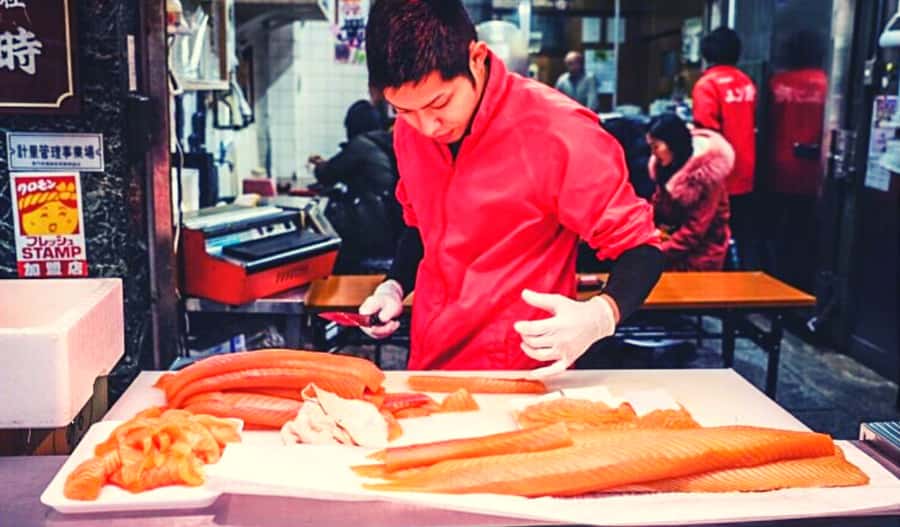
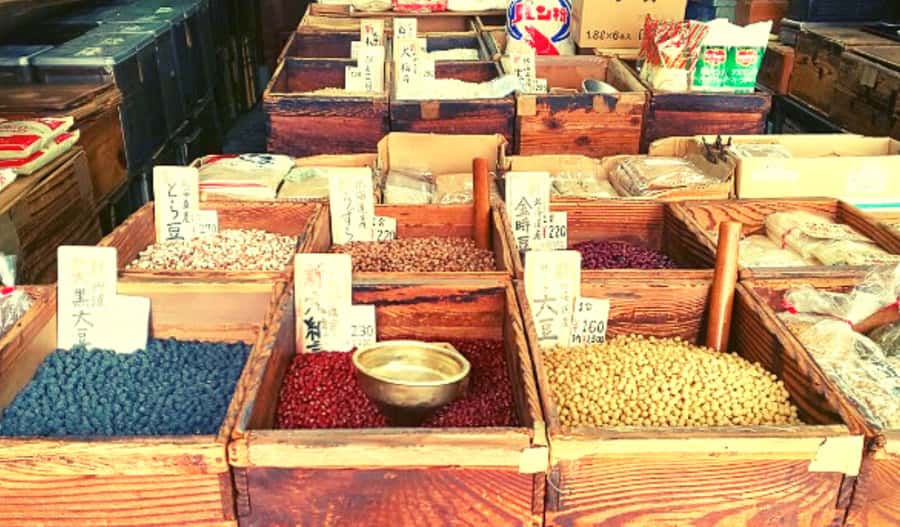
Kuromon Ichiba Market is one of the tour’s most useful stops. It is a long food market where professional cooks shop for ingredients, and it offers a quick education in Osaka’s food culture.
Your guide explains the seafood, produce, unusual items, and preparation styles. You may see stalls selling ingredients that are unfamiliar to you, and the explanations help turn a quick walk into something more meaningful. This is a good place to ask about Japanese eating habits, market etiquette, and the difference between food meant for cooking and food sold ready to eat.
The included tasting is limited. The tour provides one small takoyaki snack and a canned drink from a vending machine. Additional food at Kuromon costs extra, and food and drinks beyond those inclusions are not covered.
That limitation is worth understanding before you book. The market is not an all-you-can-eat food crawl. Still, the small tasting gives you a starting point, and you can choose whether to spend more on seafood, meat, fruit, or other market items. One person particularly enjoyed trying puffer fish and Kobe beef here, but those purchases are separate from the tour.
I would budget extra money if the market is a major reason for booking. You may want to sample more than the included takoyaki, and Kuromon is a place where curiosity can quickly turn into several small purchases.
Takoyaki beside Dotonbori’s neon river
Takoyaki is Osaka’s signature snack: a battered octopus ball cooked in a special molded pan. The tour includes a serving, along with a canned drink, and the guide uses the moment to explain the snack and Osaka’s casual food culture.
It is a simple inclusion, but it gives the walk a pleasant pause. You are not just hearing about Osaka food. You are holding it, tasting it, and trying to eat it while it is hot, which is its own small challenge.
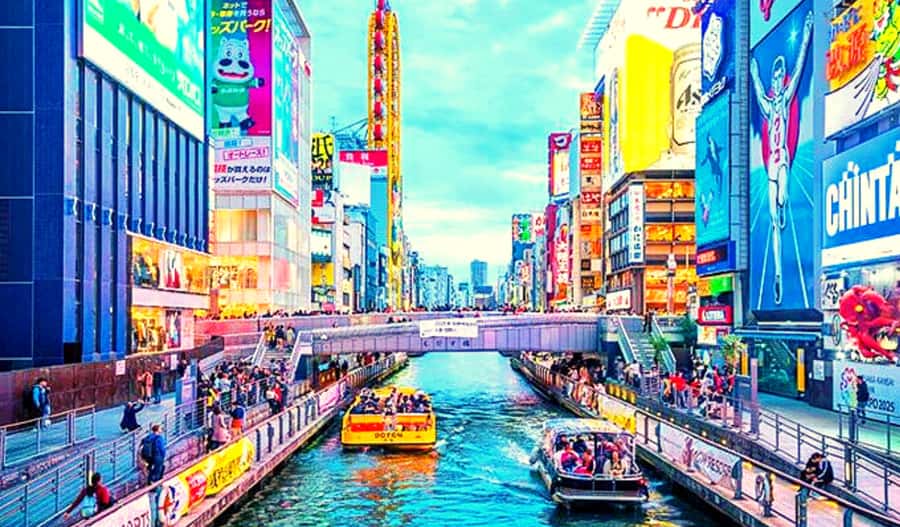
Dotonbori is the visual centerpiece. The river, oversized signs, bright restaurant fronts, and famous commercial displays create the loudest and most theatrical part of the route. At night, this section is especially effective. The lights give the walk a stronger sense of occasion, and one recent booking specifically praised seeing the area after dark.
The downside is crowding. Dotonbori is not quiet or restful, and the most famous streets can feel packed. If you dislike busy commercial zones, you may enjoy the quieter sections more. If you want Osaka’s full pop-culture spectacle, this is the place to see it.
Your guide adds context to the signs and streets rather than simply pointing at them. That helps explain why Dotonbori feels so different from more formal parts of Japan. You also get practical advice on places to return to later, including restaurants, shopping streets, and photo spots.
More Hidden Gems Walking Tours in Japan:
- Kyoto Geisha Walking Tour: Gion District & Hidden Gems
★ 4.7 · 3,273 reviews - Kyoto Arashiyama Walking Tour: Bamboo, Monkeys, Gardens & Secrets
★ 5.0 · 1,216 reviews - Ultimate Osaka Walking Tour: Castle, Dotonbori & Hidden Gems
★ 5.0 · 862 reviews - Tokyo: Shinjuku Nightlife & Secret Backstreets Walking Tour
★ 4.8 · 229 reviews
Cobblestone lanes and a quieter temple stop
One of the better features of the route is the shift away from major streets. Your guide leads you through older lanes, small bars, restaurants, boutique shops, and tucked-away corners that you could easily walk past without noticing.
The cobblestones and narrow passages give you a different picture of central Osaka. These are not grand historic sights with formal entrances. They are working streets, and their appeal comes from scale and atmosphere. You see how small eateries fit into the city and how much life can sit behind an unremarkable entrance.
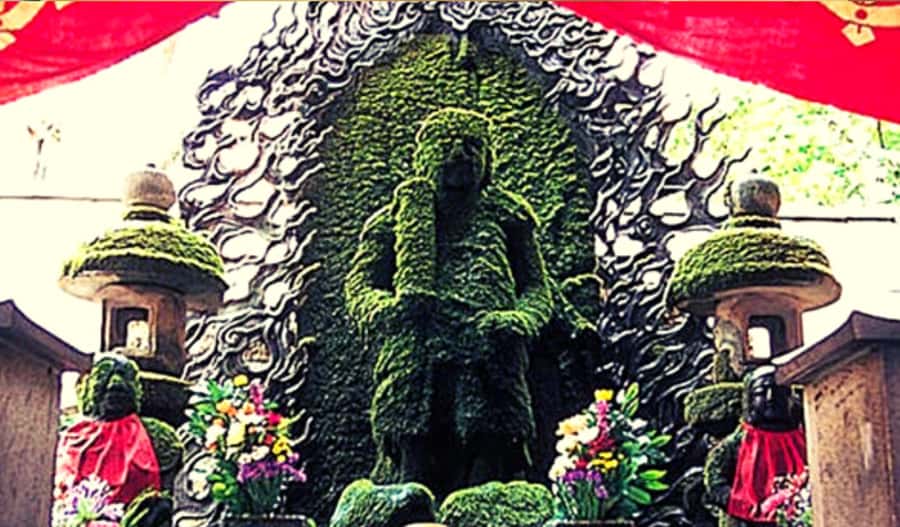
The itinerary also includes a quiet temple with a long and unusual past. The exact temple may depend on the route and tour length, so do not expect every version to visit the same religious site. On private tours, Shitennoji Temple can be added. It is described as Japan’s oldest temple, and it offers a calmer contrast to the food streets and signs.
This part suits you if you want context rather than a checklist of famous buildings. It is less about taking one perfect photograph and more about understanding how Osaka’s older religious and commercial spaces sit beside modern entertainment districts.
America-mura and Japan’s version of America
America-mura, or America Town, offers a playful look at how American culture has been adapted in Japan. Expect fashion shops, youth culture, unusual signs, and a Japanese interpretation of American style rather than a faithful copy of the United States.
The guide gives this area its value. Without explanation, you might simply see a quirky shopping neighborhood. With context, you can notice what has been borrowed, what has been changed, and how the area fits Osaka’s younger culture.
Private tours can spend more time here if you have a particular interest in clothing, vintage shops, or street culture. One private group changed its route to visit a vintage store in America-mura, with the guide adding extra background along the way. That is a good example of where private touring earns its higher price.
Shinsekai’s old entertainment district
Shinsekai shows yet another side of Osaka. The neighborhood is known for its old-fashioned atmosphere, fishing-themed restaurants, game parlors, and a more weathered look than the polished shopping districts around Namba.
I would not choose this tour solely for Shinsekai, but it adds useful range to the day. After the bright commercial center and stylish America-mura, the area helps you see how Osaka’s entertainment culture has changed over time.
The guide can explain the contrast between old and new Osaka while you walk through the neighborhood. You may find the area fascinating, eccentric, or slightly rough around the edges. That is part of the point. This is not a carefully packaged version of the city.
What the three-hour group tour covers
The three-hour group option is the best value if you want a quick introduction. It covers the central Osaka areas, with food-market context, Dotonbori, side streets, America-mura, and Shinsekai included according to the route and timing.
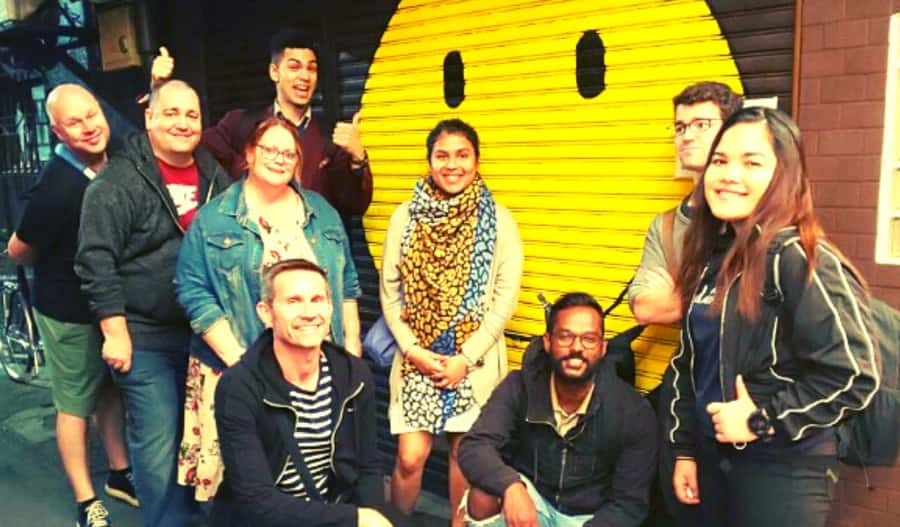
The group has a maximum of nine people. That is small enough for questions without the slow movement of a large coach group. It also keeps the price near $33 per person, which is a strong deal if you want orientation, local advice, and a guided walk rather than a full meal.
The schedule moves at a reasonable pace, but this is still a city walk. You will not spend long at every stop. If you want extended shopping, a long market meal, or detailed museum time, three hours may feel short.
I would choose the three-hour option for your first day in Osaka, especially if you plan to return to the places you like. It helps you decide where to spend the rest of your stay without using a full day.
Why the private four, five, and seven-hour tours cost more
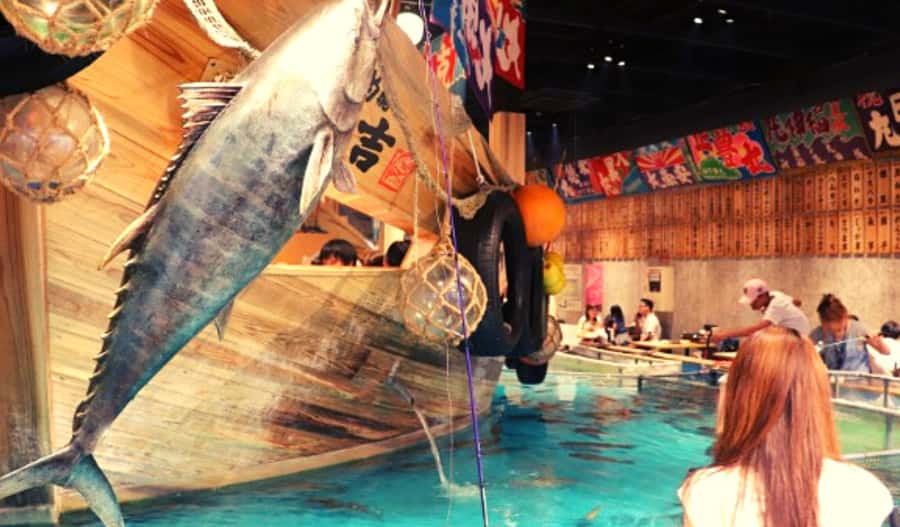
The private versions are not simply longer copies of the group walk. They can be adjusted to your interests and pace. A four, five, or seven-hour tour can include Osaka Castle, Shitennoji Temple, the Museum of Housing and Living, the East Shinsaibashi food area, and extra restaurant lanes.
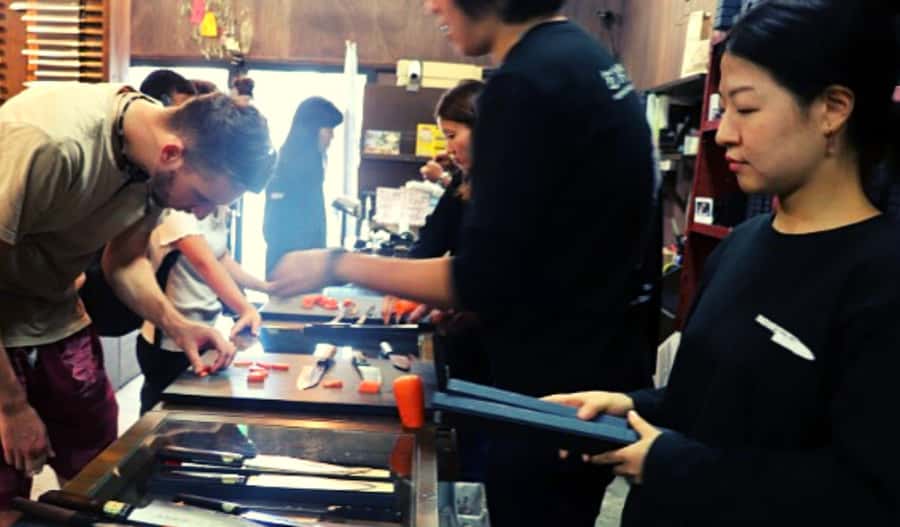
A private tour can also include a Japanese knife shop with a demonstration and lesson. That is a worthwhile addition if you care about cooking, Japanese craftsmanship, or practical souvenirs. It is much more specific than a standard city walk.
Osaka Castle can be added only to the private four, five, and seven-hour tours. The three-hour group tour does not include it. Transportation remains separate, though one visitor used an IC card with the guide to reach the castle.
The seven-hour option may sound long, but the route can be spread out with changes of pace and different districts. One booking described seven hours as passing quickly because the guide kept the walk engaging and varied. Still, you should choose it only if you are comfortable walking for much of the day.
The price is easiest to justify for a couple, family, or small group that wants control over the route. For a solo visitor or budget-minded pair, the three-hour option offers better value.
The guide makes or breaks the day
This experience is strongly personality-led. The best guides do more than recite facts. They answer questions, tell stories, point out details, suggest restaurants, help with photos, and adjust the route when your interests become clear.
Names that have received especially warm praise include Stephanie, Rahat, Josh, Taka, Harry, Meryem, Mary, and Tommy. Taka has been praised for tailoring a long day and arranging a castle visit at different times of day. Rahat is often described as energetic and entertaining, while Harry has been appreciated for his broad understanding of Osaka and Japan.
You should also keep expectations realistic. The tour is offered in English, and guide backgrounds differ. Some have lived in Osaka for many years, while others are newer residents with strong practical knowledge. The advantage is that foreign guides may explain cultural details in especially clear English. The possible downside is that not every guide will have the same personal connection to the city.
Who should book this Osaka walk?
I would recommend it if you are visiting Osaka for the first time, want help with orientation, or enjoy learning the story behind ordinary streets. It also suits people who like food stops but do not need a full meal included.
The tour is a good match for:
- Couples and families wanting a private pace
- Solo visitors who prefer company and local advice
- First-time Osaka visitors
- People interested in food markets and casual dining
- Anyone who wants both major sights and less obvious streets
- Visitors deciding where to return during the rest of their stay
It is less suitable if you have limited mobility, are pregnant, dislike long walks, or want a quiet sightseeing day. The experience runs rain or shine, except in very serious conditions such as a typhoon or earthquake.
You should also avoid bringing luggage or a large bag. Carry only what you need for several hours outdoors.
Should you book it?
Book the three-hour group tour if you want an affordable, lively introduction to Osaka, especially at night. At around $33 per person, it offers strong value for a guided route through Namba, Dotonbori, Kuromon, America-mura, and Shinsekai, though the included food is only a small snack.
Choose a private tour if Osaka Castle, Shitennoji, a knife lesson, the housing museum, or a slower custom route matters to you. The longer options cost more, but they give you time to ask questions and shape the day around your interests.
For most first visits, I would start with the three-hour walk early in your stay. It gives you a working map of Osaka, useful food suggestions, and enough local context to make the rest of your visit more rewarding.
FAQ
Where does the group tour meet?
Meet at Exit 24 of Namba Metro Station, at the top of the stairs near the vehicles. The correct location has an Exit 24 sign and a bicycle stand about seven meters away.
How long does the tour last?
The group tour lasts three hours. Private tours are available for four, five, or seven hours.
Is Osaka Castle included?
Osaka Castle is included only on the private four, five, and seven-hour tours. It is not included on the three-hour group tour.
What food and drink are included?
The tour includes a small serving of takoyaki and a can of drink from a vending machine. Additional food and drinks are not included.
Can I get picked up at my hotel?
Hotel pickup is available only for private tours at centrally located Osaka hotels. Send your hotel details at least one day before the tour if you want to request pickup.
Is the tour offered in English?
Yes. The live tour guide language is English.
What should I bring?
Bring comfortable shoes. Luggage and large bags are not allowed, and the tour takes place rain or shine except during very serious weather conditions.
Just added around Japan
- Tokyo: Asakusa & Sensoji ー Oldest Temple Walking Tour (2hrs)★ 5.0 · 213 reviews
- Asakusa Senso-ji Temple and Old Tokyo Walking Tour★ 5.0 · 560 reviews
- Asakusa Cultural Walk & Matcha Making Tour★ 5.0 · 245 reviews
- Tokyo: Tsukiji Market Walking Tour & Sushi Cooking Class★ 4.6 · 122 reviews
- Tokyo: Dark Side of Tokyo Shinjuku Red Light Walking Tour★ 4.7 · 862 reviews
- Tokyo: Shinjuku Nightlife & Secret Backstreets Walking Tour★ 4.8 · 229 reviews
- Tokyo: Shibuya Highlights Walking Tour & Secret View Spot★ 4.9 · 196 reviews
- Tokyo: Shinjuku Bar Hopping & Night Walking Tour★ 4.6 · 137 reviews
Hidden Gems Walking Tours, compared.
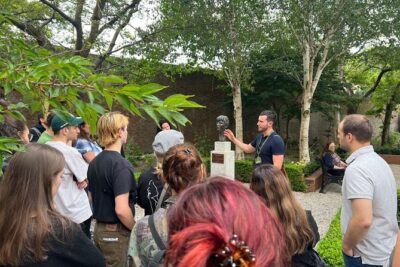
Dublin Highlights and Hidden Gems Guided Walking Tour
Read our review →
Explore Berlin: See All The Iconic Sights & Some Hidden Gems
Read our review →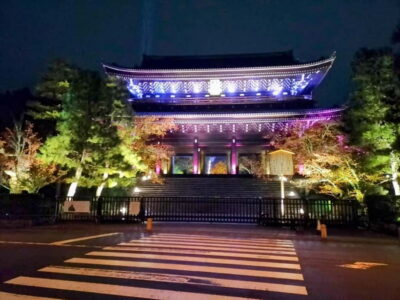
Kyoto Geisha Walking Tour: Gion District & Hidden Gems
Read our review →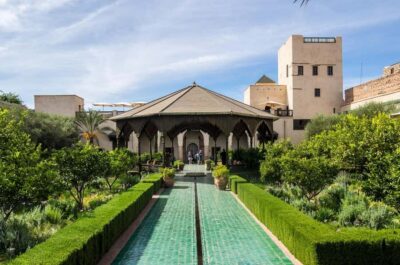
Ben Youssef, Secret Garden, & Souks Walking Tour
Read our review →
Montmartre Hidden Gems and Scenic Highlights Walking Tour
Read our review →
Guided Walking Tour of City Highlights & Hidden Gems
Read our review →
Paranormal Night Walking Tour & Secret Backstreets
Read our review →Browse the lists this tour appears in