
Review · HISTORY WALKING TOURS
Cape Town: Art, Culture & History Walking Tour
Cape Town’s past is written on its streets. This two-hour walking tour links Bo-Kaap, the city centre, Greenmarket Square, District Six, and several major landmarks while a local guide explains the people and events behind them. I like the clear focus on history and identity, and I like that the route includes art, markets, architecture, and everyday city life rather than only famous photo stops. The main consideration is pace: there is a lot to cover on foot, so some stops are brief.
The meeting point at Bo-Kaap Deli is simple to reach once you are in the neighbourhood. Guides including Mandi, Olwethu, Diego, and Sipho have been praised for explaining difficult subjects with warmth, humour, and patience. You should also know that the listed duration is two hours, while one recent booking described the walk as closer to three, so timing may depend on the route and group.
Key points to know
- Bo-Kaap sets the tone: Learn how Cape Malay culture shaped one of Cape Town’s best-known neighbourhoods.
- A lot fits into a short walk: The route connects Wale Street, Long Street, Greenmarket Square, Company’s Garden, the Slave Lodge, Parliament, and District Six.
- The history is not polished over: Forced removals, slavery, colonial rule, protest, and cultural survival are part of the discussion.
- Art is part of the route: Expect local crafts, galleries, creative spaces, and conversation about Cape Town’s art scene.
- Guides make the difference: Mandi, Olwethu, and Diego have earned especially strong praise for clear explanations and friendly conversation.
- Plan for sun and pavement: Wear comfortable shoes, carry water, and bring sun protection or rain gear.
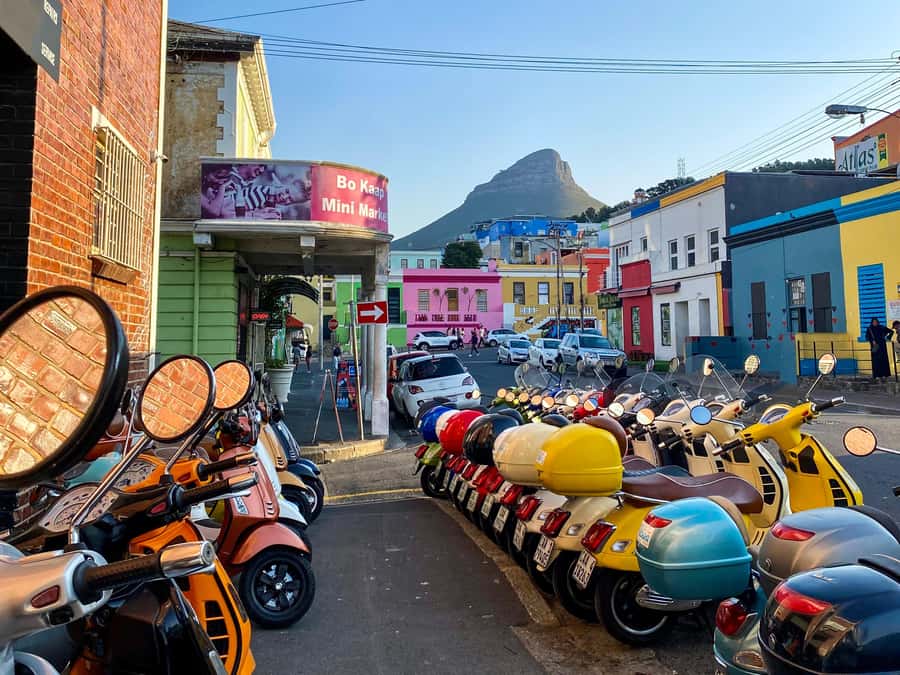
Starting among Bo-Kaap’s painted houses
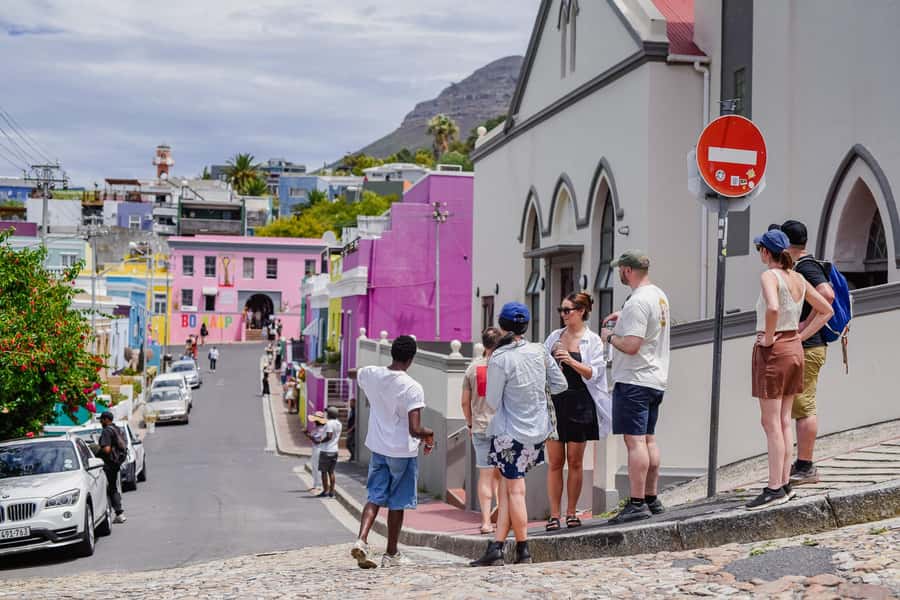
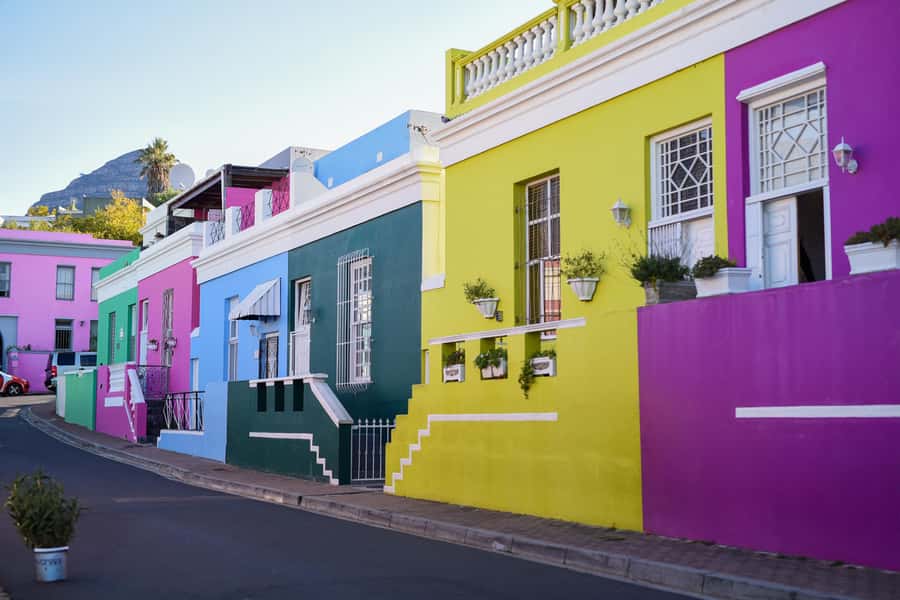
The walk begins outside Bo-Kaap Deli at 97 Church Street. This is a useful starting point because Bo-Kaap immediately gives you a visual introduction to Cape Town’s layered past. Brightly painted houses line the streets, but the colour is only the first part of the story.
Your guide explains the Cape Malay community’s roots and its influence on food, faith, language, architecture, and local customs. The neighbourhood’s identity is tied to families, mosques, and community life, so this part of the walk helps you look beyond the postcard image.
You will have time for photographs and a guided walk of about 20 minutes. That is enough for an introduction, but not a full neighbourhood tour. If Bo-Kaap is high on your list, you may want to return later and explore at a slower pace.
More History Walking Tours in South Africa:
- Stellenbosch: Guided Historical Walking Tour
★ 4.7 · 283 reviews - History and Hauntings of Salem Guided Walking Tour
★ 5.0 · 14,564 reviews - Lisbon: History, Stories and Lifestyle Walking Tour
★ 4.8 · 10,902 reviews
Auwal Masjid and the meaning of Wale Street
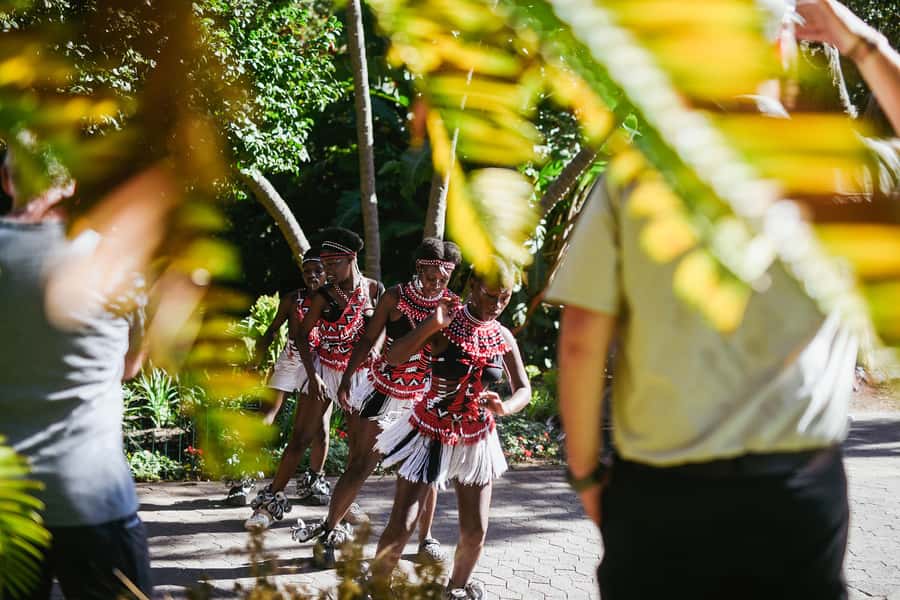
Auwal Masjid is one of the important religious landmarks on the route. The stop lasts about 10 minutes and gives your guide a chance to explain more about Islam in Bo-Kaap and the place of faith in the community.
The tour then follows Wale Street, with roughly 15 minutes devoted to photographs, architecture, and stories along the way. This is where the route begins to shift from a residential neighbourhood to the wider city centre. You will see how older buildings, religious sites, shops, and busy roads sit close together.
I like this transition because it prevents Bo-Kaap from being treated as an isolated attraction. The neighbourhood is connected to the rest of Cape Town by history, commerce, migration, and daily life.
Long Street’s old buildings and present-day energy
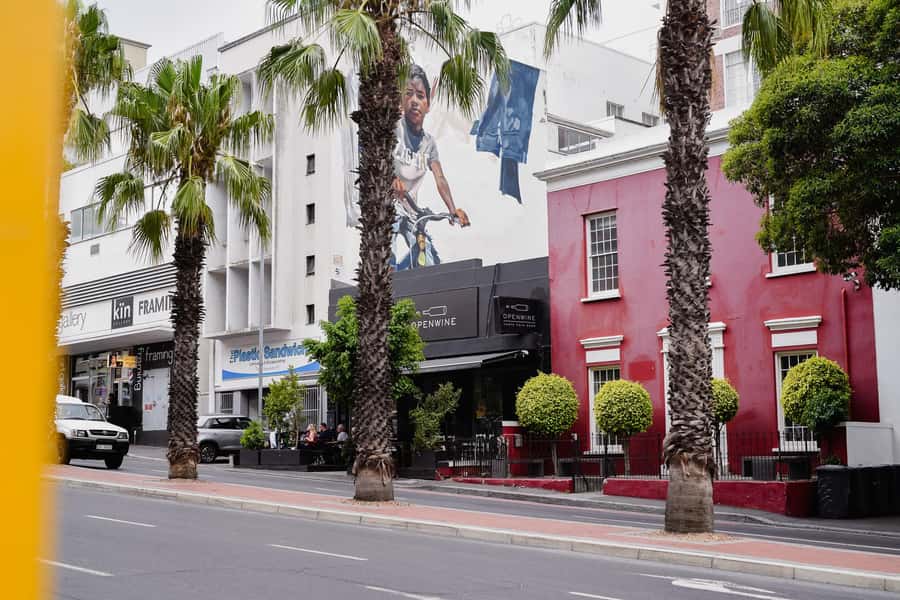
Long Street brings a different mood. Victorian-era buildings house bars, bookshops, vintage boutiques, and other businesses. The guide uses the street to show how Cape Town’s older architecture continues to serve modern city life.
The planned stop is about 15 minutes. You may pause for photographs and hear about the street’s place in Cape Town’s social and cultural scene. It is not a shopping tour, and you should not expect long visits inside individual stores, but the setting gives you a quick look at a popular part of the city centre.
This is also a useful moment to notice the contrast between the grand facades and the active street below them. The route keeps asking you to compare Cape Town’s past with its present, rather than treating history as something finished.
Greenmarket Square and the city’s creative side
Greenmarket Square is one of the livelier stops, with about 20 minutes for sightseeing, photographs, and browsing arts and crafts. Traders offer handmade goods, textiles, souvenirs, and local artwork.
I would treat this as a chance to look rather than a guaranteed shopping session. The time is limited, and personal purchases are not included in the $37 price. Still, the square gives useful context for the city’s creative economy and lets you see how art and trade share the same public space.
Some walks also include time around galleries or creative studios. One particularly memorable detail from the guide-led visits is a recycling artist’s studio, which gives the art discussion a practical edge. The focus is not only on famous artists. You may also hear about how local people use discarded materials, public spaces, and community ideas to make work.
More Cultural Walking Tours in South Africa:
- Durban: Local Markets and Culture Guided Walking Tour
★ 4.9 · 89 reviews - Savannah First Squares Culinary & Cultural Walking Food Tour
★ 5.0 · 3,229 reviews - Tokyo Tsukiji Fish Market Food and Culture Walking Tour
★ 5.0 · 3,184 reviews - New Orleans French Quarter, Voodoo and Culture Walking Tour
★ 4.5 · 2,961 reviews
Company’s Garden, the Slave Lodge, and Parliament
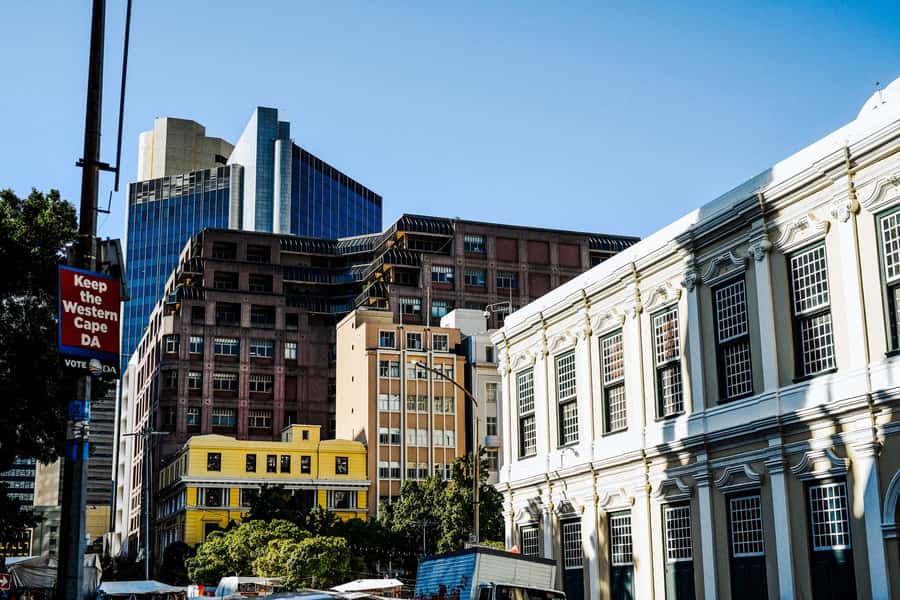
The route continues toward Company’s Garden, with about 15 minutes for a guided walk and photographs. This section offers a change of pace from commercial streets. The garden connects several important civic and historic buildings, making it a helpful place to understand how Cape Town developed around government, religion, trade, and colonial power.
Next comes the Iziko Slave Lodge. The stop is listed at about 10 minutes and may be a pass-by with guided explanation rather than a full museum visit. That distinction matters. You should expect context from the guide, but do not assume you will have time to see an entire museum collection.
The Slave Lodge is a serious stop. It brings attention to the people forced into slavery and to the systems that shaped the city. The tour does not present Cape Town as a pretty collection of colourful streets and old buildings. It asks you to consider who built the city, who held power, and who was denied freedom.
Parliament follows, again as a guided pass-by with photo opportunities and views along the way. The building connects the route to South Africa’s political life. Depending on the day and pace, you may also have the opportunity to visit an exhibition related to Nelson Mandela. The available information does not promise a full interior visit, so treat this as an additional possibility rather than the main reason to book.
District Six and the cost of forced removals
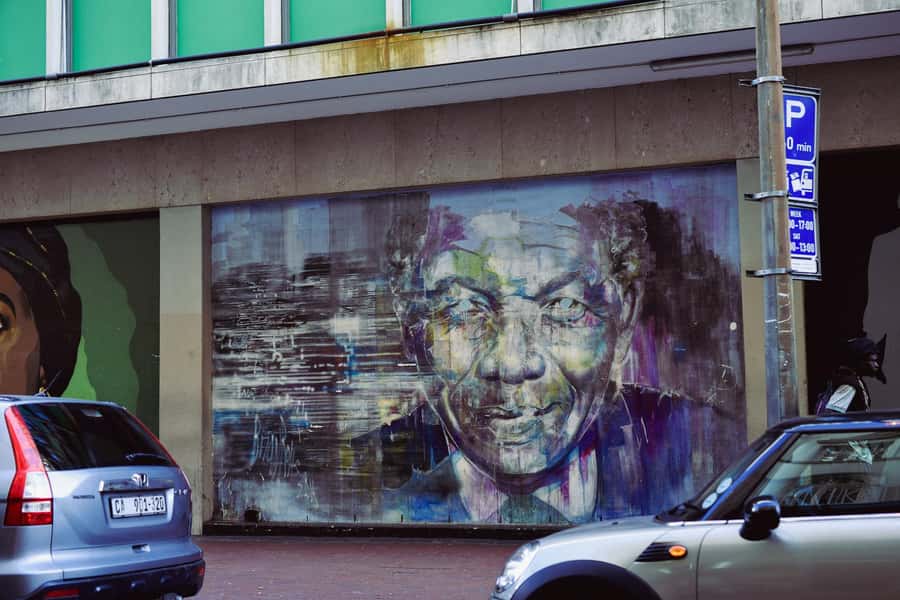
District Six is the emotional centre of the walk. Here, the guide discusses forced removals and the loss of a once-connected community. The story helps explain why questions of land, memory, identity, and belonging remain important in Cape Town.
The planned stop is about 10 minutes, including a guided visit and photographs. That is a short amount of time for such a large subject. The value comes from the guide’s explanation and from seeing where this history belongs on the city map. If you want a detailed museum visit, you will need a separate trip with more time.
This part of the route is especially useful if you want to understand South Africa beyond scenic viewpoints and wildlife. The city’s identity has been shaped by law, exclusion, resistance, and community effort. A good guide can connect these large subjects to ordinary streets and buildings, making the past easier to grasp.
Ending with coffee and practical city advice
Truth Coffee Roasting appears at the end of the route as a photo stop, coffee opportunity, and final point for sightseeing. It gives the walk a lighter ending after the more difficult subjects earlier in the day.
The coffee stop is not listed as part of the tour price, so plan to pay for anything you order. It can also be a useful moment to ask your guide for suggestions on restaurants, shopping areas, wine places, or other parts of Cape Town to visit later.
Several guides have been praised for offering practical help beyond the formal route. Diego, in particular, was described as helpful with souvenir shopping and local greetings in Zulu and Xhosa. Olwethu was praised for assisting with timing and helping a late-arriving participant locate the group. These details suggest a conversational style, but the exact guide you receive can vary.
How much walking is involved
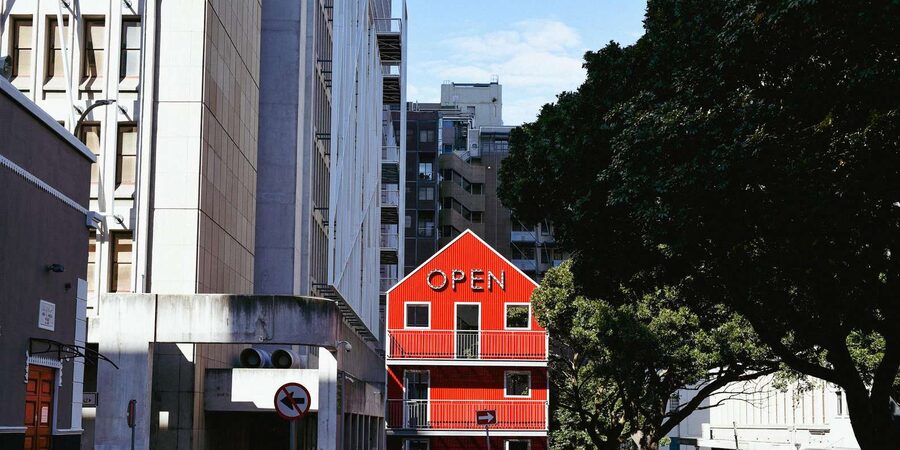
You should be comfortable walking through city streets for the full route. Comfortable shoes are essential. Bring water, sunscreen, sunglasses, and a hat, and carry rain gear if the forecast looks uncertain.
The route is wheelchair accessible, which is useful information, though the walk still involves moving between many outdoor locations. Ask about current route conditions if you have specific mobility needs.
The schedule gives approximate times for each stop, but the total list is ambitious for two hours. The walk may feel brisk, especially when the guide is answering questions or the group pauses for photographs. One recent participant described a three-hour version as a comfortable length, so you should keep some flexibility after the official finish.
What $37 gets you
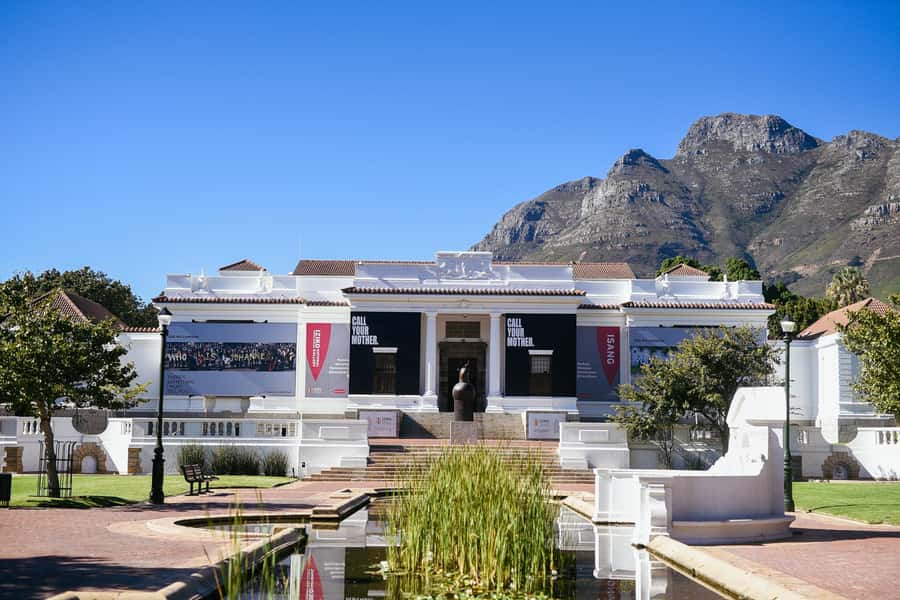
At $37 per person, this is a reasonable price if you want a guided introduction rather than a self-guided walk with a map. The fee covers a professional English-speaking guide, the guided walk, Bo-Kaap, and the main city-centre landmarks.
The value comes from interpretation. You can photograph Bo-Kaap on your own, walk along Long Street, and browse Greenmarket Square without a guide. What you cannot easily recreate is the connection between the painted houses, Cape Malay culture, slavery, political power, District Six, and modern South African identity.
The price does not include transport to Bo-Kaap Deli, hotel pickup, lunch, personal purchases, or extra food and drinks. Arrive having eaten or bring something small, especially if you are sensitive to walking in the sun.
There is also a practical booking advantage: you can reserve now and pay later, and cancellation is free up to 24 hours before the activity for a full refund. These terms make it easier to place the walk early in your Cape Town plans.
The guides are the main strength
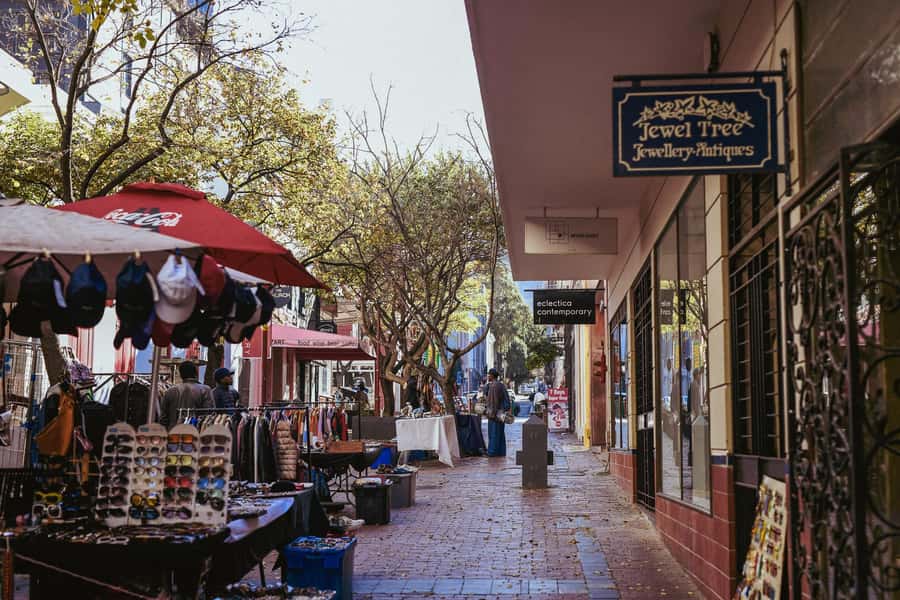
The strongest pattern in the feedback is the quality of the guiding. Mandi is repeatedly praised for clear explanations, energy, and an ability to answer questions without turning the walk into a lecture. Olwethu is described as friendly, engaging, and generous with practical holiday advice.
Diego’s style seems more conversational. He has been praised for mixing history, humour, local tips, and simple greetings in African languages. Other guides, including Basil and Sipho, have also received praise for patience and clear storytelling.
The reported score is 4.9 from 392 ratings, which is unusually strong. Still, the experience depends heavily on who leads your departure. You should book this tour for the guide’s local perspective, not because every stop receives equal time.
Safety and staying aware after the walk
The tour itself is guided through the city centre, and one person specifically described feeling safe while walking with the guide. That is a useful benefit when you are still learning the streets.
You should continue to use ordinary city awareness after the group separates. One participant reported a distressing robbery attempt after receiving a restaurant suggestion and walking onward without the guide. This does not define the tour, but it is a reminder to ask your guide which streets and transport options are sensible for your plans, especially after dark.
Keep valuables out of sight, stay aware of your surroundings, and do not assume that a recommendation means every nearby street is equally suitable at every hour. The guide can offer useful local direction, but you remain responsible for your choices after the official route ends.
Who should book this Cape Town walking tour
I would recommend it to first-time visitors who want a framework for the city before tackling museums, restaurants, markets, or longer excursions. It is also a good fit if you want history and culture presented together, rather than a tour focused only on architecture or photographs.
You will get the most from it if you enjoy asking questions and connecting places to people. The subjects include slavery, forced removals, identity, religion, political change, and community resilience, so this is not a light sightseeing stroll.
It may not suit you if you dislike walking, want long museum visits, or prefer a slow photography tour. Two hours is enough for orientation, but not enough for detailed exploration of every stop. For many people, that is the point: you get a useful first look, then decide where to return.
Should you book it?
Book this tour if you want to understand Cape Town rather than simply photograph it. The combination of Bo-Kaap, the city centre, art spaces, Greenmarket Square, the Slave Lodge, Parliament, and District Six gives you a strong first connection to the city’s people and past.
The best plan is to schedule it near the beginning of your stay, wear sensible shoes, and leave extra time afterward. At $37, it offers good value for a thoughtful introduction, provided you accept the brisk pace and the fact that some landmarks are viewed from outside.
FAQ
Where does the Cape Town Art, Culture & History Walking Tour begin?
It begins at Bo-Kaap Deli, 97 Church Street, Bo-Kaap, Cape Town, 8001.
How long does the walking tour last?
The listed duration is two hours. The actual timing can vary, and one recent booking described a version that lasted about three hours.
What language is the tour offered in?
The live tour guide speaks English.
What is included in the price?
The price includes a professional tour guide, a guided walk through Cape Town, and visits to Bo-Kaap and other key landmarks.
Is hotel pickup included?
No. Hotel pickup and drop-off are not included, and you must arrange your own transport to the meeting point.
Is the tour wheelchair accessible?
Yes, the activity is listed as wheelchair accessible.
What should I bring?
Bring comfortable shoes, water, sunscreen, sunglasses, a sun hat, a camera, rain gear, personal medication, and hand sanitizer or tissues.
Can I cancel the booking?
Yes. You can cancel up to 24 hours in advance for a full refund.
Can I reserve now and pay later?
Yes. You can reserve your place and pay later, allowing more flexibility with your travel plans.
Just added around South Africa
- Stellenbosch: Guided Historical Walking Tour★ 4.7 · 283 reviews
- Cape Town: Street Art Walking Tour in Woodstock★ 4.8 · 293 reviews
- Johannesburg: City Centre Walking Tour★ 4.8 · 152 reviews
- Durban: City Sightseeing and Walking Tour★ 4.6 · 98 reviews
- Durban: Local Markets and Culture Guided Walking Tour★ 4.9 · 89 reviews
- Cape Town: Private Walking Tour with a Local★ 4.6 · 243 reviews
- Cape Town Walking Tour: Bo-Kaap & City Highlights★ 4.8 · 161 reviews
- Cape Town: Langa Township Walking Tour★ 4.8 · 272 reviews
History Walking Tours, compared.
History and Hauntings of Salem Guided Walking Tour
Read our review →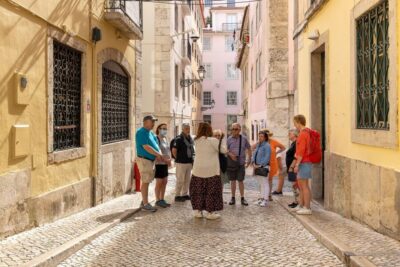
Freedom Trail History Small Group Walking Tour
Read our review →
Historic Charleston Guided Sightseeing Walking Tour
Read our review →
Tapas Walking Tour with Food, Wine, and History
Read our review →
Savannah History and Haunts Candlelit Ghost Walking Tour
Read our review →
A History of Terror – Belfast City Centre Walking Tour
Read our review →Browse the lists this tour appears in