
Review · HISTORY WALKING TOURS
Alba: Historic Town Highlights Guided Walking Tour
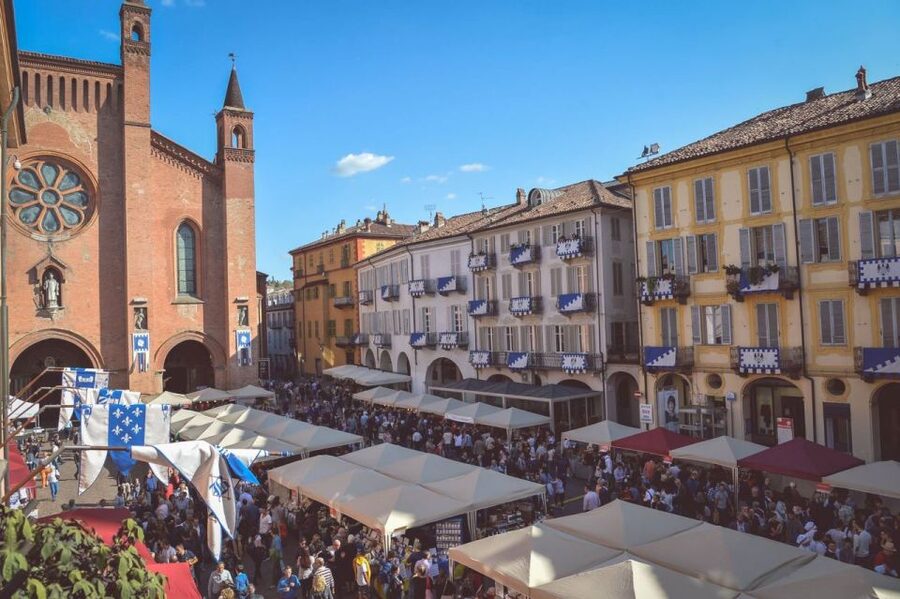
Alba rewards slow footsteps. This two-hour walking tour brings the Langhe hills’ main town into focus through Roman remains, medieval churches, towers, bell towers, and porticos. I like the way it connects old stone buildings with Alba’s present-day food shops and art exhibitions. I also like the low $11 price, which makes a local introduction easy to fit into an Italy trip. The main consideration is that two hours gives you a useful overview, not a full study of every church, tower, or Roman remnant.
The strongest part is the guide. Agnieszka received especially warm praise for her passion for Alba’s history, architecture, and cuisine, while Giulia was described as thorough and well prepared. The tour is offered in English or Italian, returns to its starting point in Piazza Risorgimento, and is wheelchair accessible, though a walking tour always calls for comfortable shoes and a little patience with the pace.
Key points to know before you book
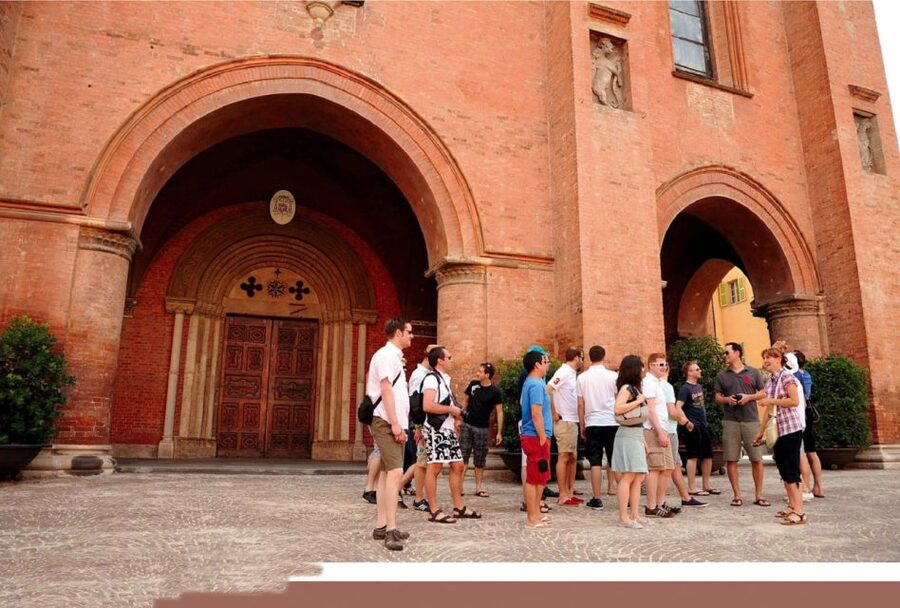
- Roman beginnings and medieval towers: Alba’s old center combines ancient remains with towers and churches from later periods.
- A practical two-hour introduction: You cover the central sights without giving up most of your day.
- Local guides make the difference: Agnieszka and Giulia were praised for explaining Alba with care and enthusiasm.
- Food culture is part of the walk: Elegant shops and typical-product boutiques add scent, color, and local flavor.
- Excellent value at $11: The price is modest for a live guided look at Alba’s center.
- Easy planning: You begin and end at Piazza Risorgimento, with free cancellation up to 24 hours before the tour.
Why Alba is best understood on foot
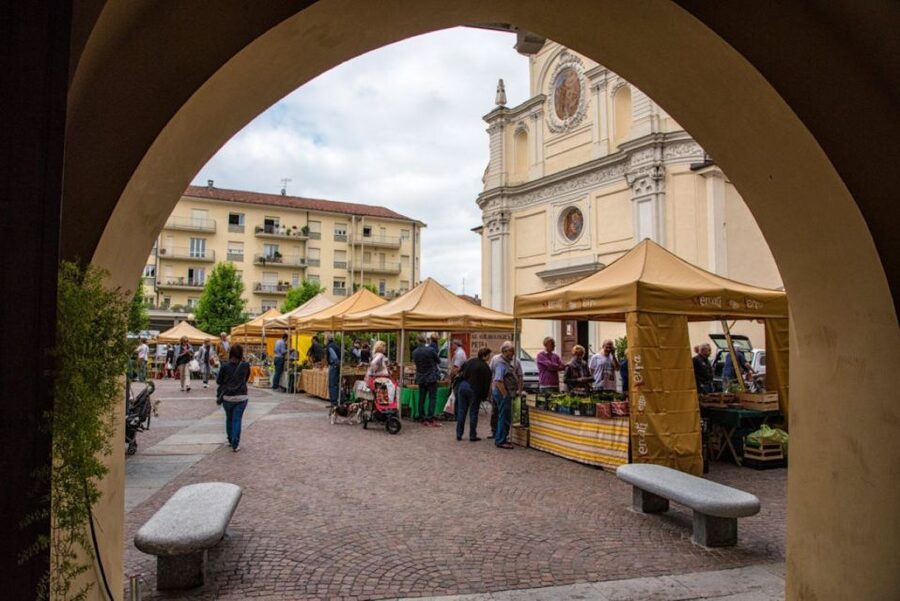
Alba is often linked with the Langhe hills and their celebrated food and wine culture, but the town is not simply a place to stop for lunch. Its old center preserves the shape of an urban settlement that reaches back thousands of years. Walking lets you see how the town’s old buildings, towers, churches, and arcades fit together.
That is the main value of this experience. You are not simply moving from one isolated sight to another. A guide can point out how the surviving towers helped give Alba its distinctive profile, then place a church, public building, or private house into the wider story of the town.
The center also has a pleasant contrast between old and new. Ancient masonry sits near boutiques, food shops, and art exhibitions. You may be looking at a medieval bell tower one moment and catching the scent of refined local products the next. That mix gives the walk a more complete sense of Alba than a quick photo stop would.
More City Highlights Walking Tours in Italy
- Florence: Highlights Walking Tour with Expert Guide
★ 4.6 · 4,662 reviews - Skip-the-Line Florence Highlights and David Walking Tour
★ 5.0 · 1,127 reviews - Venice: Walking Guided Tour of the City Must-See Sites
★ 4.7 · 1,095 reviews
Beginning at Piazza Risorgimento
The tour starts at Piazza Risorgimento, 2, a useful central meeting point. From here, you set out on foot with an English or Italian-speaking local guide. Since the tour also returns to this address, you do not need to arrange a separate pickup or work out your way back from another part of town.
A central starting point matters in Alba. It lets you use the tour as an orientation walk early in your visit, then return later to places that caught your attention. If you are staying nearby, the meeting point should also make the experience straightforward to reach, although the supplied details do not specify local transport or parking arrangements.
At the start, listen for the guide’s explanation of how Alba developed. The town’s appeal comes from layers rather than one grand monument. The guide’s job is to connect those layers so that the streets begin to make sense.
Roman remains and the oldest layer of Alba
One of the highlights is the chance to encounter Roman remains within the modern town. The available details do not identify a specific excavation or structure, so you should not expect a separate archaeological museum visit or a long stop at one named ruin.
Still, this part of the walk gives useful context. Roman traces help show that Alba’s story did not begin with its medieval towers. Ancient settlement patterns shaped the town that came later, and a guide can make those older traces easier to recognize than they would be on your own.
This is also where expectations matter. If you want an extended archaeological tour, this is not the right format. The Roman material is one part of a broader two-hour walk that also covers churches, bell towers, porticos, and present-day Alba.
Medieval churches, bell towers, and surviving towers
The medieval center is the tour’s visual heart. Alba is known for numerous towers and houses that survived from an older urban system. The towers remain a defining feature of the old center, giving the streets a strong vertical rhythm.
You will also see churches and bell towers that help explain the town’s religious and civic past. The supplied information does not name each church, so the exact route may depend on the guide and the day’s arrangements. That flexibility can be useful: a local guide can focus on the buildings that are accessible and most meaningful during your visit.
I would pay close attention to the ordinary-looking details. The public and private buildings matter because they show how Alba worked as a town, not only how it looked in a postcard. Towers, homes, churches, and arcades form one connected setting.
A guide such as Giulia, praised for being thorough, can help you notice details you might otherwise pass without a glance. Agnieszka’s reported interest in cuisine, architecture, and local history suggests another benefit: the best explanation will not treat each building as a separate fact but will connect the town’s physical appearance with the way people have lived there.
More History Walking Tours in Italy:
- Venice: City Center Historical Guided Walking Tour
★ 4.2 · 1,873 reviews - Palermo: Street Food and History Walking Tour
★ 4.9 · 1,486 reviews - Verona: History and Hidden Gems Guided Walking Tour
★ 5.0 · 1,379 reviews - Rome Food Tour in the Historic Centre with 8+ Food Tastings
★ 5.0 · 1,000 reviews
Porticos and the pleasure of a sheltered walk
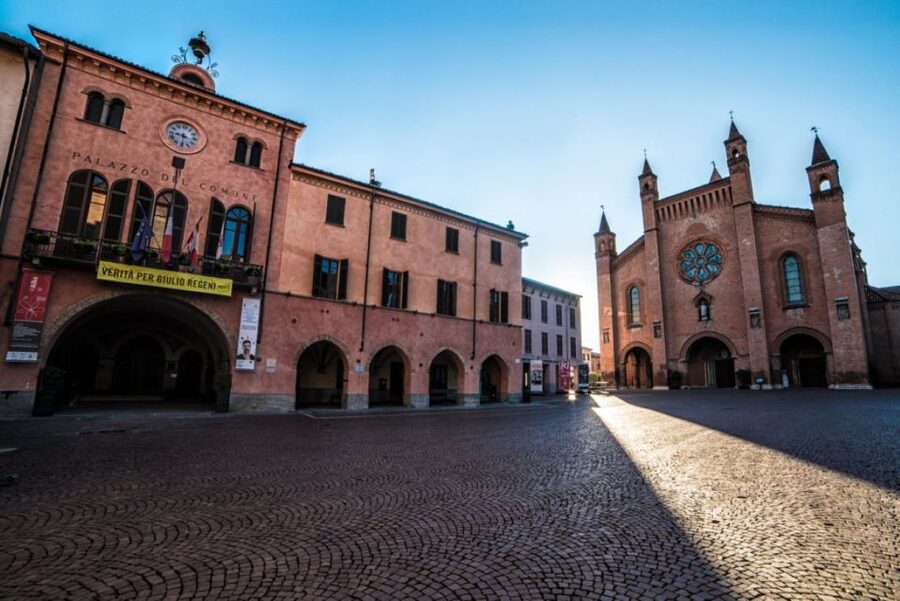
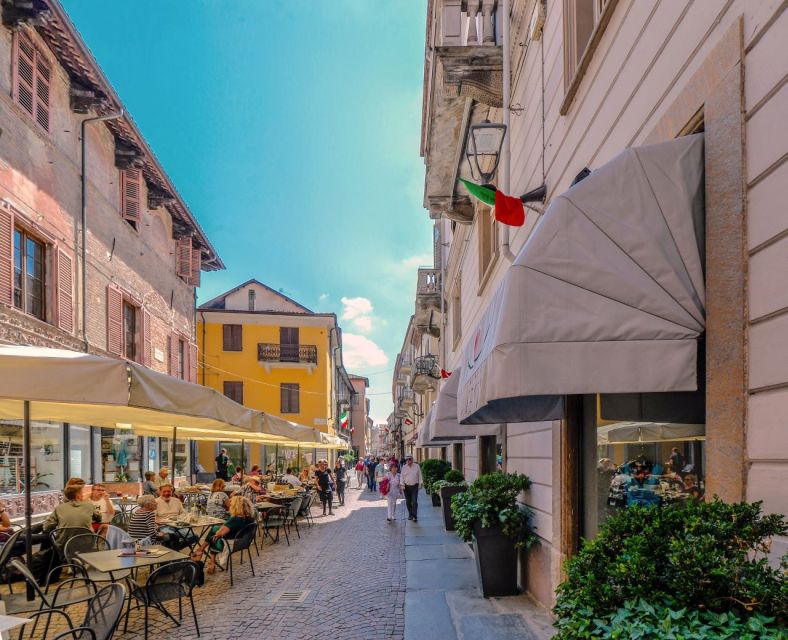
Porticos are another important part of Alba’s character. These covered walkways give the center a continuous architectural frame and make strolling more enjoyable in changing weather. They also create a sense of transition between public streets and private shops.
The porticos are not a separate attraction with an admission ticket. Their value comes from seeing how they shape the town. They make storefronts, churches, and other buildings feel connected, and they offer a slower, more comfortable way to examine the streetscape.
Because the tour lasts about two hours, you should have time to look up, pause for photographs, and listen without feeling that every stop has to be rushed. The exact number of stops is not specified, so the pace may vary according to the guide, group, and time spent at each sight.
Alba’s food shops and elegant boutiques
The tour does not include a stated tasting, meal, or food sampling. That is important to know before booking. Its food focus comes through the streets themselves, especially the scents and displays of typical-product shops and elegant boutiques.
This is a smart part of the experience because Alba’s identity is tied closely to local products. A walk through these shops helps you see the town as a living place rather than a preserved historic setting. You may find yourself noticing products, storefronts, and culinary traditions that you would have missed while hurrying between major sights.
A guide with an interest in cuisine can add real value here. Agnieszka was praised for discussing Alba’s food culture alongside its architecture and history. That combination suits the town. You get a better sense of why food shops matter when someone explains their place within Alba’s wider character.
Do not book this tour expecting a formal tasting session. Book it if you want an introduction to the products and shops that give the center its local flavor, with the option of returning later to buy something yourself.
Art exhibitions and Alba’s present-day character
The old center is not frozen in the past. Art exhibitions and modern boutiques give it a more current, cosmopolitan feel. This helps balance the focus on Roman and medieval features.
I like that the walk recognizes both sides of Alba. You see towers and churches, but you also see a town with active shops and changing displays. That makes the experience useful for first-time visitors who want more than a list of old buildings.
The word cosmopolitan fits here because Alba presents traditional products in a polished setting. The town’s older frame remains visible, but the businesses inside it show that local culture continues to develop.
What the two-hour schedule means for you
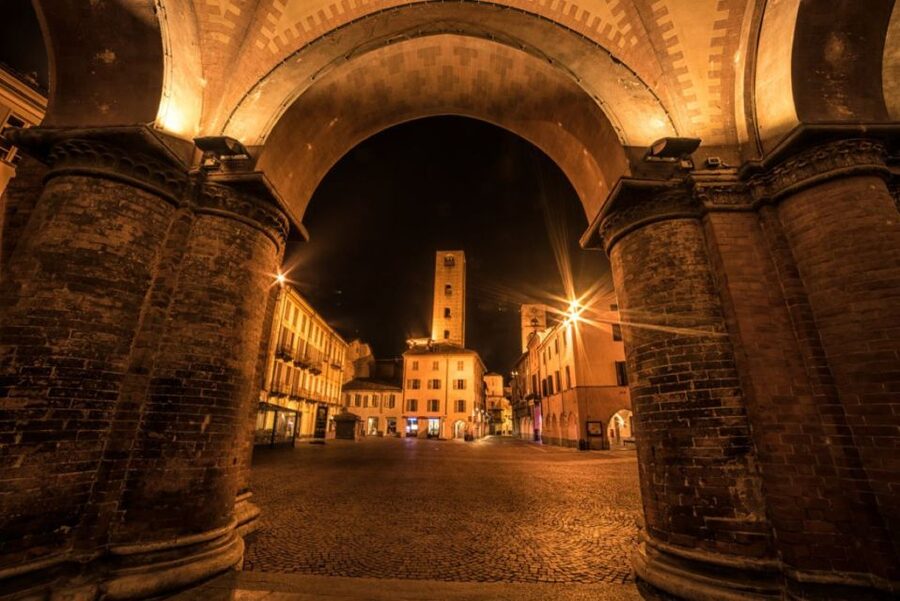
Two hours is long enough to get your bearings and short enough to fit around lunch, a museum visit, or a drive through the Langhe hills. For many people, that is the right balance. You receive a guided introduction without giving away half a day.
The tradeoff is depth. You cannot expect every church, tower, and Roman remnant to receive a detailed explanation in this time. If you are deeply interested in medieval architecture or archaeology, you may want to use the tour as a starting point and continue exploring independently afterward.
The walk includes a break and a photo stop. The details do not specify how long the break lasts or exactly where it occurs, so treat it as a pause within the route rather than a dedicated café visit. It should give you a chance to take photographs and absorb the setting without turning the experience into a rushed march.
Starting times vary, so check availability before booking. That matters if you are coordinating the tour with a meal, a train, a wine-country outing, or another scheduled activity.
Guide quality is the real value
At $11 per person, the price is unusually modest for a live guided tour in a historic Italian town. The fee would be worthwhile even as a simple orientation walk, but the strongest reason to book is the guide’s interpretation.
Agnieszka was praised for her passion and for covering Alba’s history, architecture, and cuisine with unusual care. Giulia was praised for being thorough and well prepared. Another booking received a top rating for an excellent guide, with Barbara named in the feedback.
Those comments point to the experience you should hope for: not a scripted march from one building to the next, but a local explanation that helps you understand why Alba looks and feels the way it does. Guide quality can vary from one departure to another, yet the named guides give you a useful indication of the standard the provider aims for.
The overall rating is 4.2 from 80 ratings. That is a solid result, though not a perfect record. I would read it as evidence of a generally dependable experience with the normal possibility that personal expectations, group dynamics, or guide assignment affect the day.
Who will get the most from this walk?
This tour suits you if you are visiting Alba for the first time and want a clear introduction before exploring on your own. It also works well if you have only a short stay and want to understand the center without committing to a longer excursion.
Food lovers should consider it, especially if you want to see how local-product shops fit into the town rather than simply buying something at random. Architecture fans will appreciate the towers, churches, bell towers, porticos, and older houses, though serious specialists may want a longer or more focused tour.
It is also a good choice for travelers who prefer a local guide to a phone map. The experience is offered in English and Italian, and it is wheelchair accessible. Since it is a walking tour, confirm that the pace and route suit your needs when booking, especially if you require specific mobility arrangements.
Families and mixed-interest groups may like the short duration. Two hours is enough to hold attention, and the combination of ancient remains, tall towers, food shops, and photo stops offers variety.
Practical value and booking flexibility
The tour costs $11 per person, which makes it an easy addition to a Piedmont itinerary. At that price, you are paying mainly for context and local guidance rather than entry to a paid monument or a tasting menu.
The experience includes an Italian and English-speaking local guide. It does not list food, drinks, entrance tickets, hotel pickup, or transportation, so plan on meeting at Piazza Risorgimento and covering the route on foot.
You can cancel up to 24 hours before the activity for a full refund. The reserve-now, pay-later option also keeps your plans flexible. If you need an invoice, contact [email protected] within 24 to 48 hours of purchase.
Should you book the Alba walking tour?
I would book this tour if you want an affordable, well-paced introduction to Alba’s old center, especially at the start of your stay. The mix of Roman remains, medieval churches, towers, porticos, food shops, and art exhibitions gives you a useful picture of the town in two hours.
I would skip it only if you want a formal food tasting, a long archaeological visit, or an intensely detailed architectural study. For everyone else, the price is easy to justify, the central start and finish are convenient, and the guide can turn Alba’s streets into a story rather than a collection of attractive facades.
FAQ
How much does the Alba walking tour cost?
The tour costs $11 per person.
How long does the tour last?
The guided walking tour lasts two hours.
Where does the tour start?
The tour starts at Piazza Risorgimento, 2, in Alba.
Where does the tour finish?
The walking route returns to Piazza Risorgimento, 2.
Which languages are available?
The live tour guide is available in English and Italian.
Is the tour wheelchair accessible?
Yes, the activity is listed as wheelchair accessible.
Can I cancel for a full refund?
Yes. You can cancel up to 24 hours in advance for a full refund.
Just added around Italy
- Bergamo: Digital guide made by a local for your walking tour★ 5.0 · 184 reviews
- Full Day Tour by Car and Walking among the Apulian Beauties★ 4.5 · 182 reviews
- The Original Street Food Walking Tour in Bari★ 4.5 · 226 reviews
- Bari Walking City Tour★ 4.5 · 511 reviews
- Bari: Street Food Walking Tour with a Local Guide★ 5.0 · 160 reviews
- Bari Walking Tour with Pasta Experience★ 4.5 · 270 reviews
- Assisi Private Walking Tour including St. Francis Basilica★ 5.0 · 124 reviews
- Private St. Francis Basilica of Assisi and City Walking Tour★ 5.0 · 114 reviews
History Walking Tours, compared.
History and Hauntings of Salem Guided Walking Tour
Read our review →
Freedom Trail History Small Group Walking Tour
Read our review →
Historic Charleston Guided Sightseeing Walking Tour
Read our review →
Tapas Walking Tour with Food, Wine, and History
Read our review →
Savannah History and Haunts Candlelit Ghost Walking Tour
Read our review →
A History of Terror – Belfast City Centre Walking Tour
Read our review →Browse the lists this tour appears in