

Review · HISTORY WALKING TOURS
Lisbon: 3-Hour The Slave Trade – An Historical Walking Tour
Lisbon’s grand streets carry a painful story. This thoughtful three-hour walk connects the city center’s squares, churches, monuments, and back streets with Portugal’s role in the Atlantic slave trade. I like the small group size, which allows plenty of questions, and I like that the tour is led by Rui Fernandes, an African guide with a background in history, political science, and economics. The main consideration is the subject itself: this is serious, emotionally difficult material, not a light sightseeing stroll.
The tour begins at Largo do Chafariz de Dentro in Alfama and uses familiar parts of Lisbon to explain a history that is often passed over. I also appreciate the relaxed pace, limited inclines, coffee and restroom break, and practical advice Rui offers about food, shops, and public transport. At $35 per person, it is a strong value if you want context rather than a quick list of dates and monuments.
Key points before you book
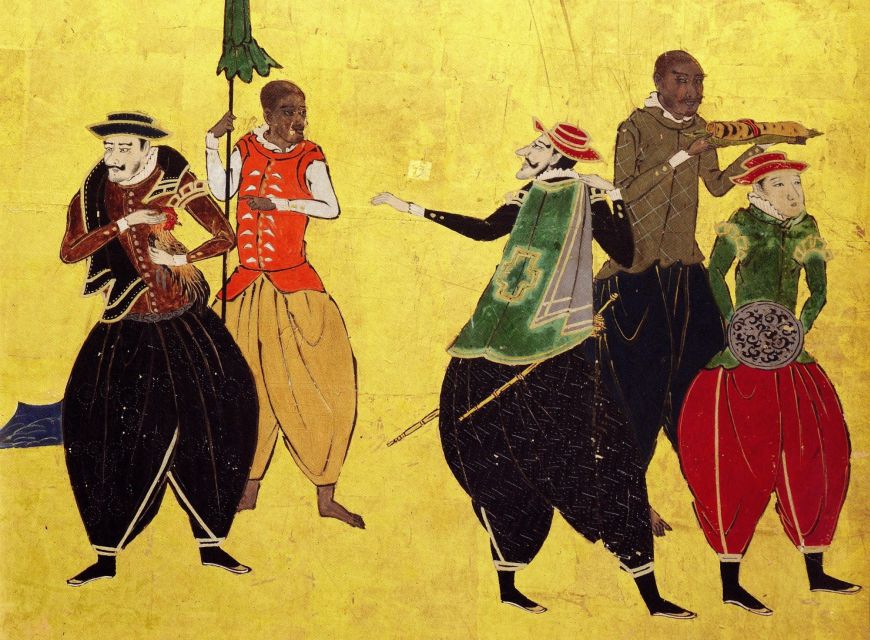
- Alfama is the starting point: Meet at Largo do Chafariz de Dentro, in Lisbon’s oldest district.
- Portugal’s central role is the focus: The walk covers the origins of slavery in Iberia, the Atlantic trade, Brazil, abolition, African colonies, and liberation movements.
- Rui Fernandes leads the tour: His clear delivery, patience, personal connection, and careful research are repeatedly praised.
- The group is very small: The tour information specifies a maximum of six participants, though another description mentions up to eight. Confirm the exact number when booking.
- The pace is manageable: The route is described as mostly flat or only gently inclined, but comfortable shoes are still essential for Lisbon’s cobbled streets.
- Plan for about three and a half hours: The advertised duration is three hours, while the walk can run longer when questions and discussion take time.
Starting in Alfama, where Lisbon’s story begins
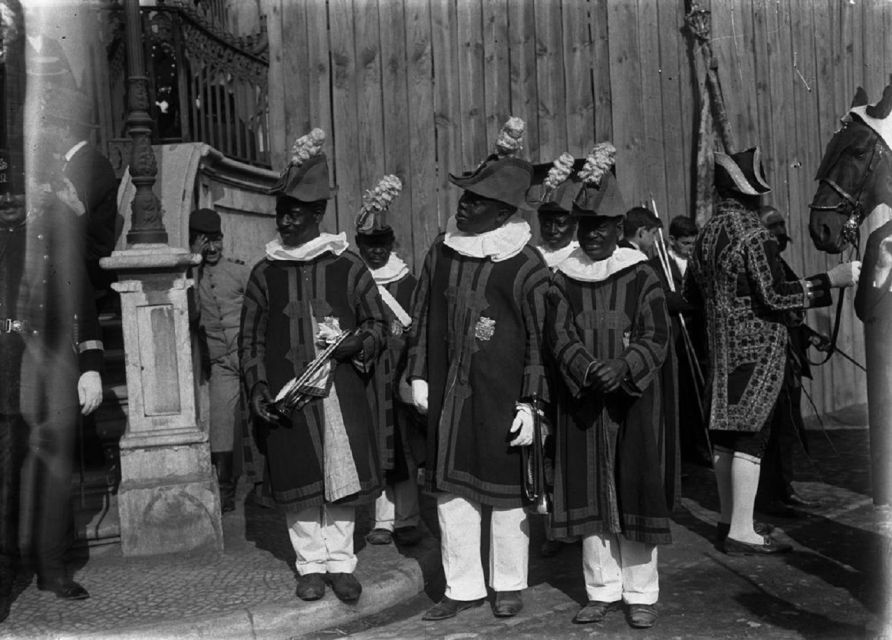
Your meeting point is Largo do Chafariz de Dentro, a square in Alfama. This is a useful starting place because the tour does not treat slavery as an isolated subject. Instead, it places the story within Lisbon’s oldest streets and the development of the city itself.
From here, you can expect to move through a mixture of narrow lanes, main avenues, public squares, churches, and prominent buildings. The value is in seeing ordinary urban spaces with new context. A street name, building feature, former use of a grand structure, or location near the water can become a clue to how people, money, religion, and power moved through Lisbon.
I like this approach more than a lecture delivered in one room. The city becomes part of the lesson. You are not simply told that Portugal participated in the Atlantic slave trade. You are shown how that history is tied to places you might otherwise photograph without asking who built them, who profited from them, and who was forced to live and work within that system.
The walk is not presented as a parade of attractive sights. It asks you to look again at them. That can change the way you experience the rest of Lisbon during your stay.
More History Walking Tours in Lisbon
- Lisbon: History, Stories and Lifestyle Walking Tour
★ 4.8 · 10,902 reviews - Lisbon: Private Dark History Walking Tour with Drinks
★ 4.8 · 387 reviews - Lisbon Essential Walking Tour: History, Stories and Lifestyle
★ 5.0 · 316 reviews
From Iberian slavery to the Atlantic trade
The first major subject is the history of slavery in the Iberian Peninsula before the Atlantic trade. That background matters because it prevents the discussion from beginning with an oversimplified claim that the system appeared suddenly in the fifteenth century.
The tour then moves toward Portugal’s role in the birth of the Atlantic slave trade. In the first half of the fifteenth century, under Prince Henry the Navigator, Portuguese voyages helped begin a system that eventually carried an estimated 12 to 14 million Africans across the Atlantic into slavery in the Americas.
You will also hear about the Age of Discovery, a familiar phrase that can sound heroic when it is separated from its human cost. This tour places exploration, commerce, religion, political power, and enslavement in the same frame. That is one of its most useful features. It does not allow Lisbon’s prosperity to be explained only through ships, trade routes, and royal ambition.
Rui’s background helps here. His explanations connect political decisions with economic incentives and social structures. He also encourages questions, so you can ask about details that a standard sightseeing tour would likely skip.
Seeing the human story behind Lisbon’s wealth

One of the strongest parts of the walk is its attention to daily life. The tour addresses what life was like for an enslaved person living in historical Lisbon, rather than discussing only kings, merchants, laws, and shipping routes.
That shift is important. Statistics show the scale of the crime, but daily details help you understand its effect on individuals and communities. You will consider the lives of Africans brought to Portugal, the work they were forced to perform, and the ways slavery shaped the city’s social order.
The subject is painful, and the guide’s tone matters. Rui is described as patient, respectful, and sensitive when discussing the experience with people whose family histories may be connected to slavery. He also brings in visual material during the walk, which can help place historical people and events in a clearer setting.
I would not choose this tour if you want only cheerful anecdotes and postcard views. I would choose it if you want to understand Lisbon honestly, including the parts that are less comfortable to discuss.
Brazil, trade, and the money behind the monuments
Brazil receives special attention because it was central to Portugal’s colonial and commercial system. The tour explains the importance of Brazil and how its connection to Portugal affected the development of Lisbon.
This economic angle is worth your time. It helps explain why the slave trade lasted so long and why so many institutions benefited from it. The tour links the movement of enslaved Africans to broader questions of wealth, labor, colonial control, and political influence.
As you walk past major city sights, you may find yourself asking different questions. Who gained from these systems? Which businesses and authorities supported them? How did religious and political arguments help justify them? The tour does not reduce the story to one cause or one villain. It examines the moral, economic, religious, and political forces that allowed slavery to continue for centuries.
That balance does not mean the guide softens the facts. The description of the trade is clear: millions of Africans were sold and transported across the ocean, and the system was a crime against their humanity. The broader context simply helps you see how such a system could be built, defended, and maintained.
More History Walking Tours in Portugal
- Historic Walking Tour Through Lisbon’s Oldest Neighborhood
★ 5.0 · 233 reviews - Porto: Historic City Center Walking Tour
★ 4.7 · 1,172 reviews - Porto: Historical Center Walking Tour
★ 4.8 · 898 reviews - Porto: Jewish Heritage Walking Tour
★ 4.7 · 266 reviews
A pause for coffee, questions, and Lisbon advice
A coffee and restroom break is included. This sounds minor, but it makes a difference on a three-hour walking tour, especially in warm weather.
The break is also a natural pause in a difficult subject. One stop has been described as a pleasant cafe with pastel de nata, and the guide makes an effort to find shade on hot days. You can use this time to gather your thoughts before the second half of the walk.
Rui also welcomes questions about Lisbon beyond the tour’s main theme. You can ask about restaurants, shops, and public transport to other parts of the city. That practical help adds value if you take this walk early in your visit, since you can use the advice for the rest of your stay.
Keep in mind that the exact length may stretch to three and a half hours. That is not necessarily a problem, but you should avoid scheduling a tight appointment immediately afterward.
Abolition, African colonies, and the story after slavery
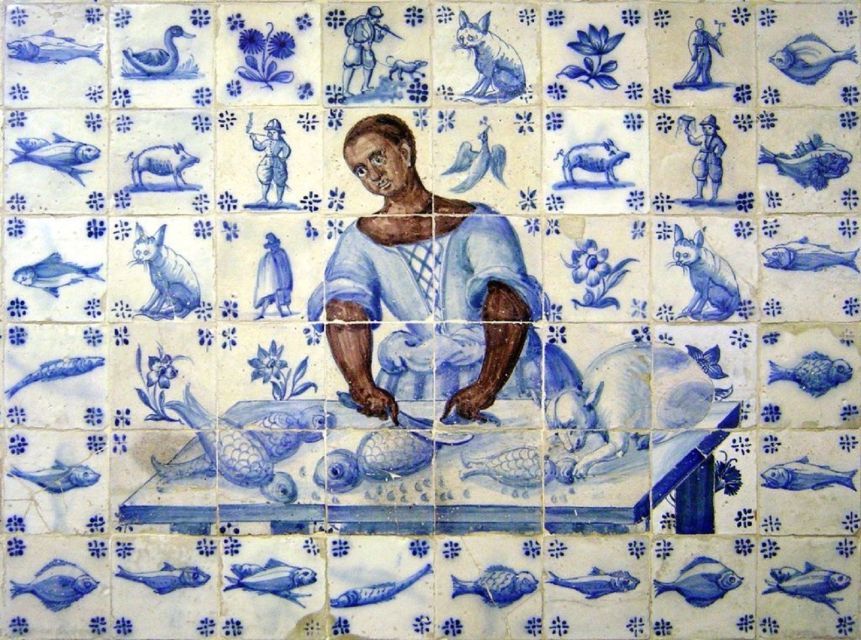
The walk does not stop when the formal trade ends. It covers the abolition of the slave trade in Portugal, Portuguese colonies in Africa, and the struggle for liberation by African nationalists.
This later material is essential. A short tour can easily treat abolition as a clean endpoint, as though the problem vanished once laws changed. Here, the story continues into colonial rule, resistance, and the long effects of racism and forced labor.
You will also consider how the past appears in present-day Portugal. That connection gives the tour more purpose than a lesson about distant events. It encourages you to notice what is remembered, what is left out, and how national identity can be shaped by both pride and silence.
Several visitors found this connection between past and present especially important. The guide’s personal connection to African history adds another layer, but the tour is not limited to one family story. It uses Lisbon as a setting for a wider discussion of Portugal’s role in the Atlantic world.
Rui Fernandes and the value of a small group
Rui Fernandes is the guide’s name to remember when you book. His strengths are clear: careful preparation, calm pacing, excellent English, and a willingness to answer questions without rushing you.
He also makes an effort to remember participants’ names and include everyone in the conversation. That is easier with a small group than with a large city walk. The stated maximum is six participants, although one part of the booking information refers to eight, so confirm the current limit before you reserve.
A small group changes the feel of the experience. You can ask about a building, pause over a point you do not understand, or connect the discussion to your own family or country. The guide can also adjust the pace when the weather is hot or when the group needs more time with a difficult subject.
This is not a scripted walk where you simply follow a flag. The route may leave room for questions and discussion, which is one reason the tour can last longer than three hours.
Walking comfort, timing, and practical planning
The route is described as mostly flat or limited to gentle inclines. That makes it suitable for many ages, but you still need comfortable shoes. Alfama’s cobblestones can be tiring, and three hours on your feet is a long time even without steep hills.
Bring water, particularly in summer. The guide may look for shade, but you should still plan for sun and warm pavement. Pets are not allowed.
Hotel pickup and drop-off are not included. You need to make your own way to Largo do Chafariz de Dentro, and the meeting point should be part of your timing plan. Since this is in Alfama, allow extra time to find the square if you are unfamiliar with the neighborhood.
The official language is English. The tour is led by a licensed local guide and includes local taxes and fees. Cancellation is free up to 24 hours in advance, and you can reserve now and pay later, which is useful if your Lisbon plans are still shifting.
Is $35 a fair price?
At $35 per person, this walk offers good value for a focused historical experience. You are paying for three hours with a specialist guide, a very small group, local insight, and a subject that is not often treated with this level of care on a general city tour.
The value is strongest if you want to understand how Lisbon developed, not simply see its major sights. You could spend the same amount on a meal or a museum visit, but this tour gives you a framework for interpreting much of the city afterward.
The price may feel less worthwhile if you prefer brief commentary or have little interest in history. The information is detailed, and the guide does not race through it. You should expect sustained listening, serious discussion, and plenty of historical context.
I would book it early in a Lisbon visit. The information can shape the way you see Alfama, the center, and other monuments during the rest of your time in Portugal.
Who should take this Lisbon walking tour?
I recommend this tour to people interested in Portuguese history, colonialism, the Atlantic world, economics, or the history of African communities in Europe. It is also a strong choice if you want a more honest understanding of Lisbon than a standard overview can offer.
It suits families with older children, students, history-minded couples, and solo visitors who enjoy asking questions. The small group and relaxed pace make it easier to participate, and the route does not appear to rely on strenuous uphill walking.
You may want a different activity if you are looking for entertainment, fast sightseeing, or a light introduction to Lisbon. This is a serious tour, and the subject deserves your attention. Give yourself enough time to listen rather than trying to squeeze it between other appointments.
Should you book The Slave Trade Historical Walking Tour?
Yes, if you want to see Lisbon with fuller historical context. Rui Fernandes brings patience, clear explanations, personal connection, and careful research to a subject that is too often ignored in tourist programs.
The best reason to book is not simply that the tour covers Portugal’s role in slavery. It is that the walk shows how this history shaped the city you came to visit. At $35, with a small group, a break, and time for questions, it offers strong value for an experience that can change how you understand Lisbon’s most familiar sights.
FAQ
Where does the tour meet?
The meeting point is Largo do Chafariz de Dentro, a square in Alfama.
How long does the walking tour last?
The advertised duration is three hours. It may last about three to three and a half hours when questions and discussion continue.
What language is the tour conducted in?
The tour is conducted in English.
Who leads the tour?
The tour is led by a licensed local guide. The guide identified in the tour information and praised in the supplied feedback is Rui Fernandes.
How many people can join the group?
The information states that the small group is limited to a maximum of six participants. Another description refers to up to eight, so confirm the current group limit when booking.
Is hotel pickup included?
No. Hotel pickup and hotel drop-off are not included. You need to reach Largo do Chafariz de Dentro yourself.
What should I bring?
Wear comfortable shoes for walking on Lisbon’s streets and cobblestones. Pets are not allowed.
More 3-Hour Experiences in Lisbon
- Lisbon: Food and Culture 3-Hour Walking Tour
★ 4.7 · 95 reviews - Prague: 3-Hour Walking Tour of Old Town & Prague Castle
★ 4.7 · 5,696 reviews - Eat Like a Local: Venice 3-Hour Small-Group Food Tasting Tour
★ 5.0 · 3,137 reviews - Experience Porto’s Charm: 3-Hour Guided Walking Tour
★ 5.0 · 2,432 reviews
Just added around Lisbon
- Small Group Walking Tour of Belém★ 4.9 · 80 reviews
- Lisbon: Walking Tour in the Center (Max 12 Participants)★ 5.0 · 741 reviews
- Lisbon Tram No. 28 Ride & Walking Tour★ 4.1 · 766 reviews
- Lisbon Through the Eyes of a Local – Food and Walking Tour★ 4.9 · 141 reviews
- Lisbon: Private Boat Trip, Guided Walking Tour, Bike & Tram★ 4.8 · 116 reviews
- Lisbon: Kickstart Street Art Walking Tour★ 4.9 · 717 reviews
- Lisbon: Food & Wine Walking Tour Through Baixa★ 4.9 · 287 reviews
- Lisbon: Helicopter Ride, Boat Trip, & Old Town Walking Tour★ 4.7 · 480 reviews
History Walking Tours, compared.

History and Hauntings of Salem Guided Walking Tour
Read our review →
Freedom Trail History Small Group Walking Tour
Read our review →
Historic Charleston Guided Sightseeing Walking Tour
Read our review →
Tapas Walking Tour with Food, Wine, and History
Read our review →
Savannah History and Haunts Candlelit Ghost Walking Tour
Read our review →
A History of Terror – Belfast City Centre Walking Tour
Read our review →Browse the lists this tour appears in