
Review · HISTORY WALKING TOURS
Historical 2-Hour Guided Walking Tour of Dublin
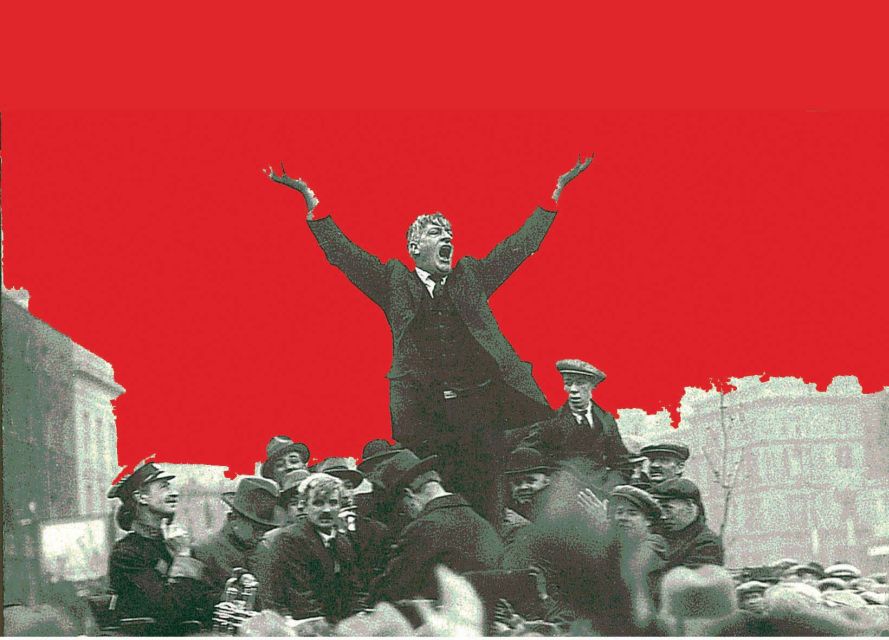
History makes Dublin’s streets speak. This two-hour walk turns the city center into a lively history lesson, led by Trinity College Dublin and University College Dublin history graduates. I especially like the clear chronological story, from early Ireland through the 1916 Rising, War of Independence, and Northern Ireland Peace Process. I also like the guides’ mix of facts, wit, personal stories, and even the occasional song.
The main drawback is the amount of material packed into a short tour. You will hear many names, dates, and political turns, so it can feel more like a fast-moving outdoor class than a gentle stroll. Strong English skills help, and good walking shoes are a smart choice.
- Henry Grattan Statue meeting point: Start opposite Trinity College’s front gate, where your guide wears an Authenticity Tours badge or lanyard.
- Dublin’s central historic core: Visit Dublin Castle, Temple Bar, City Hall, and the Medieval City on foot.
- A broad Irish timeline: Connect the American and French revolutions, the Potato Famine, the 1916 Rising, independence, and the peace process.
- History with personality: Guides such as Jodie, Daragh, Colm, Eoin, Nate, Grace, and Tommy have been praised for humor, storytelling, music, and easy answers to questions.
- Good value at $22: Two hours with a live English-speaking guide costs less than many major Dublin attractions.
- Simple, flexible booking: Cancellation is free up to 24 hours ahead, and you can reserve now and pay later.
A Fast Start at Trinity College
The walk begins at the Henry Grattan Statue, opposite the front gate of Trinity College Dublin. This is a useful city-center meeting point, but give yourself enough time to find the statue among the traffic, pedestrians, and busy streets around the college.
Look for a guide wearing an Authenticity Tours lanyard or badge. The tour ends at the same place, which makes planning easier. You will not need to arrange a taxi, bus, or second meeting point after the walk.
From the start, the tour sets out to explain Dublin through its political and social past. That is more useful than simply ticking off monuments. You get a reason for each place, along with the people and events that shaped it.
The guides are history graduates from Trinity College Dublin and University College Dublin. That academic background shows in the amount of detail they can handle, but the best part is their ability to turn facts into a story you can follow.
Dublin Castle and the Machinery of Power
Dublin Castle is one of the central stops, and it gives the tour a strong way to explain Ireland’s long connection with English and British rule. You learn about the role of government, authority, and administration in Dublin rather than seeing the castle only as an attractive old building.
Be aware of an important limit: entrance to the State Apartments is not included. The tour includes entrance fees as stated in its route, but you should not expect a full indoor visit to every part of Dublin Castle.
That distinction matters if you want a detailed look at the castle interiors. This experience is built around a guided city walk, not a long museum visit. The castle works best here as a setting for political history and as one part of a larger story.
A good guide can make this stop feel much more meaningful than a quick photograph. The emphasis is on why Dublin became such an important center of power and how the city’s institutions affected ordinary Irish life.
More History Walking Tours in Dublin
- Dublin Historical Centre Food Tour with 8 Food Tastings & Drinks
★ 5.0 · 1,718 reviews - 2-Hour Historical Walking Tour from Dublin
★ 5.0 · 875 reviews - Dublin’s Haunted History Walking Tour
★ 4.3 · 345 reviews
Temple Bar Beyond Pubs and Nightlife
Temple Bar is often treated as Dublin’s nightlife district, but the tour uses it as part of the city’s older fabric. You see the area in its historical setting, with attention on Dublin’s medieval center and the changes that shaped the modern city.
This is one reason I like the route. You are not left with the usual postcard version of Temple Bar. Instead, you get a reminder that the area has a past beyond restaurants, music venues, and evening crowds.
The guide may need to speak clearly here because city noise can make a walking talk difficult. One particularly useful detail from the feedback is that Jodie was easy to hear even in noisy streets. That matters more than it sounds. A brilliant explanation is of little use if you miss half of it.
City Hall and the Medieval City
City Hall helps broaden the story beyond castles and famous political dates. Along with the nearby Medieval City, it gives the guide a chance to show how Dublin developed as a settlement, a seat of government, and a working city.
The route is not presented as a parade of buildings. Instead, you move between architecture, statues, streets, and small details while the guide explains what happened there. One guide pointed out signs of conflict such as bullet holes, an arresting reminder that Irish history is visible in the city itself.
You should expect frequent stops rather than a nonstop march. That makes the history easier to absorb, though the short schedule means some places receive only a brief explanation. If you want to study each building at length, you will need to return on your own.
The Medieval City section is especially useful if you are new to Dublin. It gives you a basic sense of how the older city fits into the modern center, and it puts later political events in a physical setting.
From Revolution to the Potato Famine
The tour reaches well beyond local sightseeing. It links Irish events with the American and French revolutions, helping you see that Ireland’s political story did not develop in isolation.
The Potato Famine is another major subject. The tour presents it as a defining event in Irish society and memory, not just a date to remember. This wider context helps explain why later political demands carried such force.
The challenge is speed. Ireland’s past includes centuries of conflict, changing governments, religious divisions, social hardship, and competing political aims. Two hours cannot cover everything in equal detail.
Still, the route gives you a useful framework. You leave with a better sense of cause and effect, rather than a scattered list of famous names. That is the real value of the walk for someone starting a first visit to Ireland.
More History Walking Tours in Ireland
- Dublin: Macabre History Walking Tour
★ 4.9 · 95 reviews - Cork: Guided Historical Walking Tour
★ 4.7 · 310 reviews - Galway: Dark History Guided City Walking Tour
★ 4.8 · 236 reviews - Kilkenny: Historical and Hysterical Guided City Walking Tour
★ 5.0 · 126 reviews
The 1916 Rising and War of Independence
The 1916 Rising receives important attention, as does the War of Independence. These events are central to modern Irish identity, and the tour explains them through the streets and buildings of Dublin.
The guides are particularly strong when they connect people and events to the places around you. Daragh, for example, was praised for tying names and dates to clear context, while Colm was noted for adding personal anecdotes and even singing lines connected with the history.
That style will appeal to you if you like history with a human voice. It also means the same route may feel different depending on your guide. Jodie Fitzpatrick has been described as an actor as well as a history graduate, and that theatrical skill can make a compressed timeline easier to remember.
There is a small trade-off. Some people may find the presentation lecture-like because there are so many dates and political developments. The difference is that you can ask questions, move through the actual city, and hear the guide add humor or a song when it fits.
Modern Dublin and the Northern Ireland Peace Process
The tour does not stop with the establishment of the Irish state. It also covers modern Ireland and the effects of the Northern Ireland Peace Process.
That recent focus is valuable because it prevents the walk from presenting Irish history as something finished long ago. The events discussed still shape politics, identity, and public memory. The guide’s job is to connect the older story with the Dublin you see today.
The material can be politically complex, so expect explanation rather than a simple heroes-and-villains account. The tour aims to show how earlier conflicts and decisions led into later events.
This part may be especially useful if you already know the broad outline of Irish history but want more context. One response described the walk as a good fit for someone who understands the general story and wants to learn more about the people and places behind it.
Why the Guides Make the Difference
The guide is the main reason to choose this experience. The route itself covers well-known places, but the commentary gives those places purpose.
Daragh has been praised for his command of Irish and Dublin history, his ability to recite names and dates without losing the thread, and his evident pride in Ireland. Colm is noted for detailed explanations, humor, questions handled with ease, and songs linked to events. Jodie and Jody receive repeated praise for warmth, clarity, and energy.
Other named guides include Eoin, Nate, Grace, and Tommy. The recurring strengths are clear: strong subject knowledge, enthusiasm, good humor, and a willingness to answer questions.
You should not expect every guide to use exactly the same style. Some may lean toward a structured history lesson, while others add more performance, music, or personal stories. That variation is normal on a live walking tour, and the overall standard appears high.
English is the only tour language. If English is not your first language, the amount of historical detail and the speed of the talk may require extra concentration.
Walking Conditions and Pace
This is a real city walk lasting two hours. You will be outdoors, moving between stops, and standing while the guide speaks. Wear comfortable shoes, especially if you plan to continue exploring Dublin afterward.
The route is described as an easy walk, but the time on your feet still matters. The tour is not a good choice if you want a seated presentation or a slow route with long breaks.
It is wheelchair accessible, which is an important practical advantage. City-center conditions can vary, and the tour’s exact pace may depend on street conditions and the group, but the experience is presented as accessible.
Because the tour covers major sites in a compact area, you get a useful orientation to central Dublin. You can then return to the places that interest you most, including Dublin Castle, City Hall, Temple Bar, or the Medieval City.
Is $22 a Fair Price?
At $22 per person, this is a strong-value way to spend two hours in Dublin. You receive a live English-speaking guide, historical interpretation, and a route linking several major central sights.
The value is not mainly in entrance tickets. Dublin Castle’s State Apartments are specifically excluded, and the main benefit comes from the guide’s explanation. If you prefer to explore buildings alone and read at your own pace, the price may feel less compelling.
For a first visit, though, the cost is modest compared with the time saved. Instead of piecing together Dublin’s history from separate plaques and guidebooks, you get one connected account. That can help you make better choices for the rest of your stay.
The free cancellation policy up to 24 hours before the tour also reduces the risk of booking early. You can reserve and pay later, which is useful when your Dublin schedule is still changing.
Who Will Enjoy This Dublin Walk?
I would choose this tour for a first-time visitor who wants historical context before exploring more of the city. It also suits history fans, students, families with older children, and anyone who prefers a guide with personality rather than a silent audio app.
You will get the most from it if you enjoy dates, political history, and questions. The tour covers a lot, so people seeking only pretty streets and relaxed photographs may find it too information-heavy.
It is also a good choice for repeat visitors. One person who had visited Dublin several times still found the explanations useful because the guide connected familiar sights with events and personalities.
Arrive ready to listen. The walking is manageable, but the mental pace is brisk.
Should You Book It?
Book this tour if you want Dublin’s major central sights tied into one clear story. The strongest reasons are the accomplished history graduates, the lively delivery, the coverage from early Ireland through modern politics, and the low $22 price.
Skip it if you want extensive indoor access to Dublin Castle, a slow sightseeing walk, or a tour in a language other than English. For everyone else, it is a smart first-day choice, especially if you want to understand what you are seeing instead of simply passing by it.
FAQ
How long is the Historical 2-Hour Guided Walking Tour of Dublin?
The tour lasts two hours. Starting times vary, so you need to check availability for the date you want.
How much does the tour cost?
The listed price is $22 per person.
Where does the tour start?
Meet at the Henry Grattan Statue opposite the front gate of Trinity College Dublin.
How do I recognize the guide?
The guide wears a lanyard or badge marked Authenticity Tours.
Where does the tour finish?
The tour ends back at the Henry Grattan Statue meeting point.
Is the tour offered in languages other than English?
No. The listed tour language is English.
Is Dublin Castle’s State Apartments entrance included?
No. Entrance to the State Apartments in Dublin Castle is not included.
Can I cancel or pay later?
You can cancel up to 24 hours in advance for a full refund. You can also reserve your place and pay later.
More 2-Hour Experiences in Dublin
- Berlin’s Best: 2 Hour Walking Tour Third Reich and the Cold War
★ 5.0 · 5,486 reviews - Budapest City Landmarks Walking Tour in 2 Hours
★ 5.0 · 2,048 reviews - Leipzig: 2-Hour Guided Walking Tour in German
★ 4.8 · 1,612 reviews - Lucca: 2-Hour City Center Walking Tour
★ 4.7 · 1,314 reviews
Just added around Dublin
- Dublin: North Quay Guided Ghost Walk★ 4.2 · 144 reviews
- Dublin: Traditional Pub Walking Tour★ 4.6 · 295 reviews
- Dublin: Macabre History Walking Tour★ 4.9 · 95 reviews
- Dublin: Mythology, Folklore and Legends Walking Tour★ 4.9 · 703 reviews
- Dublin: Traditional Pubs Walking Tour with Local Guide★ 4.9 · 112 reviews
- Dublin: Delicious Walking Food Tour★ 4.9 · 137 reviews
- Dublin: Irish Music Walking Tour with Live Performance★ 4.8 · 137 reviews
- Dublin: Highlights and Hidden Corners Walking Tour★ 4.8 · 79 reviews
History Walking Tours, compared.

History and Hauntings of Salem Guided Walking Tour
Read our review →

Freedom Trail History Small Group Walking Tour
Read our review →
Historic Charleston Guided Sightseeing Walking Tour
Read our review →
Tapas Walking Tour with Food, Wine, and History
Read our review →
Savannah History and Haunts Candlelit Ghost Walking Tour
Read our review →
A History of Terror – Belfast City Centre Walking Tour
Read our review →Browse the lists this tour appears in