
Review · JAPAN WALKING TOURS
Osaka: Main Sights and Hidden Spots Guided Walking Tour
Osaka rewards curious walkers. This four-hour tour links Osaka Castle Park with Korea Town, Shinsekai, Dotonbori, and the food districts around Namba, giving you a useful first look at both old and modern Osaka. I like the way it combines big-name sights with narrow streets you might skip alone, and I especially like the guides’ storytelling about Osaka’s merchant past, social customs, and local culture.
The tour is also good value at $59, especially if you have only one day in the city and want someone else to handle the route and subway connections. My main caution is the pace: you may walk more than 10,000 steps, and the tour does not include transport, food, or a proper meal stop. Bring comfortable shoes, buy a subway day pass, and expect a full four hours on your feet.
Key points to know before booking
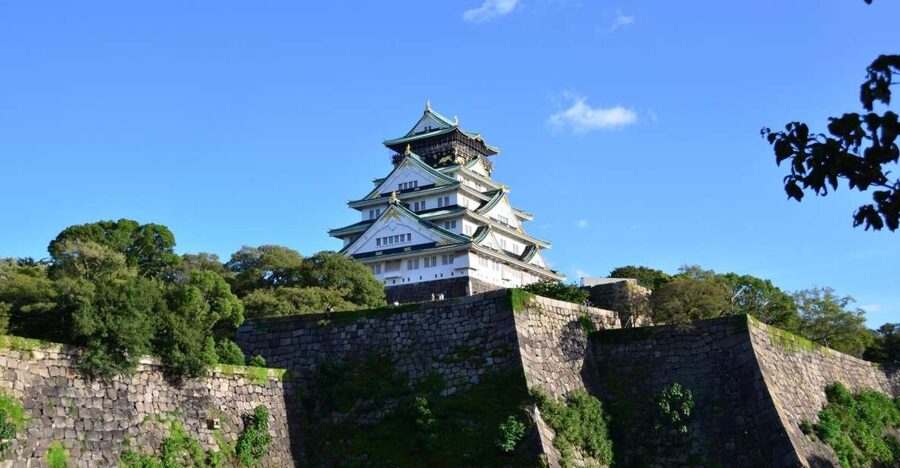
- Osaka Castle Park comes first: You see the castle exterior and learn about the power struggles that shaped Osaka, but you do not enter the castle.
- Four hours cover a lot: The route moves from the castle to Tsuruhashi, Abeno, Shinsekai, Namba, Dotonbori, and nearby shopping streets.
- The local districts are the real prize: Korea Town, Shinsekai, Kuromon Ichiba, and Doguyasuji give the tour more character than a standard sightseeing circuit.
- Public transport is part of the experience: Subway rides connect the distant neighborhoods, and your own transport costs are not included.
- Guides add real value: Guides such as Kevin, Ferdinand, Oisin, Bryan, and Jamie have been praised for history, cultural context, photos, and practical Osaka tips.
- This is best for active visitors: The tour suits first-time visitors who want an energetic overview, but it may not suit anyone with mobility limits.
Why this Osaka route works so well
Osaka is easy to like but not always easy to read. Dotonbori is loud and obvious, while the city’s older merchant districts, Korean influences, department-store food halls, and postwar streets require more context. This tour gives you that context while moving across several parts of the city.
I like the route because it does not spend all four hours in one famous district. You begin with a major historical sight, then shift into a neighborhood shaped by Korean migration, move up to a high city view, and finish among Osaka’s food, shopping, and entertainment streets. The changes keep the walk interesting.
The route also gives you a practical sense of Osaka’s layout. You use public transport between districts, then walk once you arrive. That combination lets you see more than a walking-only tour could cover, though it means you need to keep an eye on the clock and stay close to the guide.
The tour is offered in English, French, and Spanish. Private and small-group options are available, and the guide can often adjust the pace. One particularly useful example came from a group with older family members: Kevin slowed things down in the heat and changed the plan as the group’s energy dropped. That sort of flexibility matters more than a perfectly fixed schedule.
More Guided Walks in Japan:
- Tokyo: Shinjuku Local Bar and Izakaya Guided Walking Tour
★ 4.9 · 1,794 reviews - Tokyo: Tsukiji Fish Market Guided Walking Tour
★ 4.9 · 1,397 reviews - Kyoto: Izakaya Bars Guided Walking Tour
★ 4.9 · 815 reviews
Osaka Castle Park: history without the interior visit
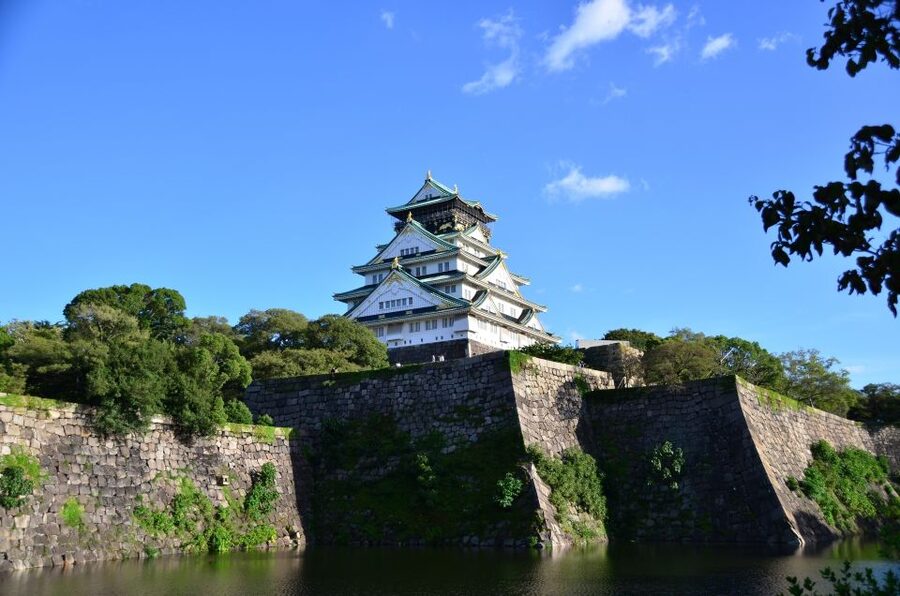
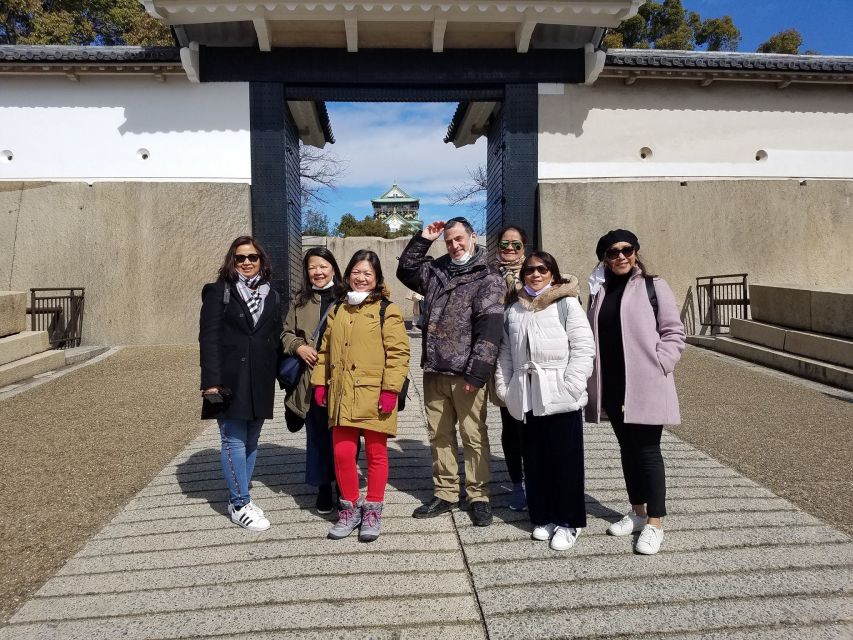
The meeting point is above ground at Exit 2 of Tanimachiyonchome Station. If you arrive by taxi, use the Tanimachi 3-chome intersection, written as 谷3交差点. From there, the first major stop is Osaka Castle Park, with about 75 minutes devoted to the area.
You will admire the castle from outside and walk through the surrounding park. You will not go inside the castle, so book this tour for the grounds, views, and explanation rather than for museum exhibits or an interior visit.
The guide uses the castle to explain Osaka’s role in the Shogun period and the political struggles of four centuries ago. The story includes how Osaka was nearly taken from Japan, a memorable way to connect the castle to the country’s power shifts. Ferdinand has been praised for turning this period into a clear story rather than a list of dates.
This is one of the strongest parts of the tour because a castle exterior alone can become a quick photo stop. With a guide, you get a sense of why the site mattered and how it fits into Osaka’s longer story. Kevin has also explained religious change, social differences, and the relationship between older traditions and present-day Japan.
Allow yourself time to look around while listening. The park is expansive, and the tour is not simply a quick castle photo followed by an immediate train ride. Still, if you want to explore every corner or enter the castle, you will need to return on your own.
Tsuruhashi and Korea Town: a different side of Osaka
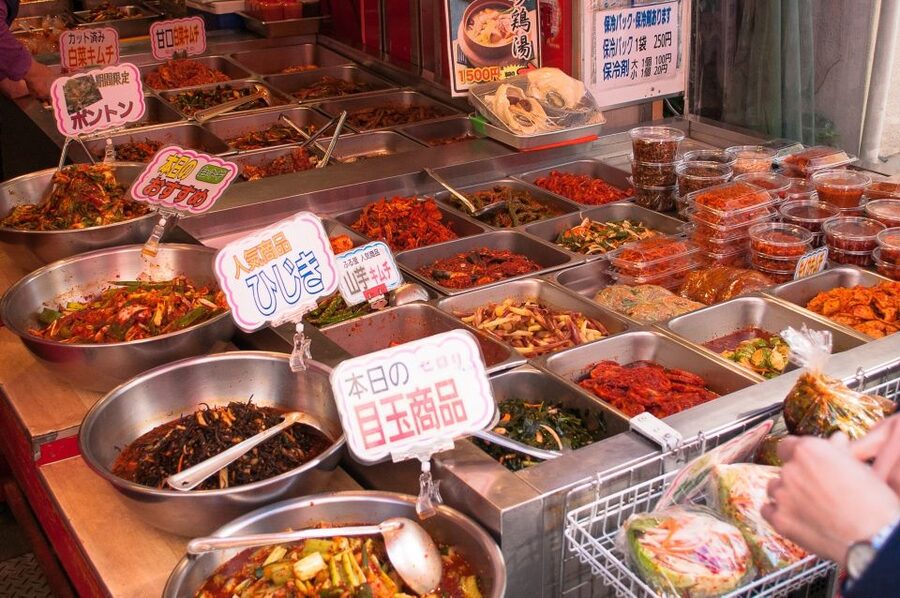
A short train ride takes you to Tsuruhashi, where the tour spends about 45 minutes. Here, the route enters a maze of narrow lanes and alleys in a prewar commercial district associated with Osaka’s Korean community.
This stop gives the tour much of its local character. The streets feel different from the broad avenues and polished shopping zones found elsewhere in Osaka. You might see small food shops, signs, market stalls, and tucked-away businesses that are easy to miss if you stay on the main tourist routes.
The guides use Tsuruhashi to explain Osaka’s cultural mix and the way communities have shaped the city. Shelby’s tour included a kimchi pancake, though food is not formally included and you should not count on a scheduled meal. If you are hungry, there are chances to buy snacks along the way.
This is also a good place to ask questions. Kevin has been praised for explaining how different cultures interact in Japan, while other guides have discussed language differences and the social setting of the neighborhoods. The value here is not just seeing Korea Town. It is understanding why this part of Osaka feels distinct.
The drawback is that 45 minutes passes quickly. You will get an introduction rather than a full food crawl or detailed market visit. If Korean food and local shopping are a major reason for your Osaka trip, plan extra time here after the tour.
Abeno Harukas: a high view and a food hall below
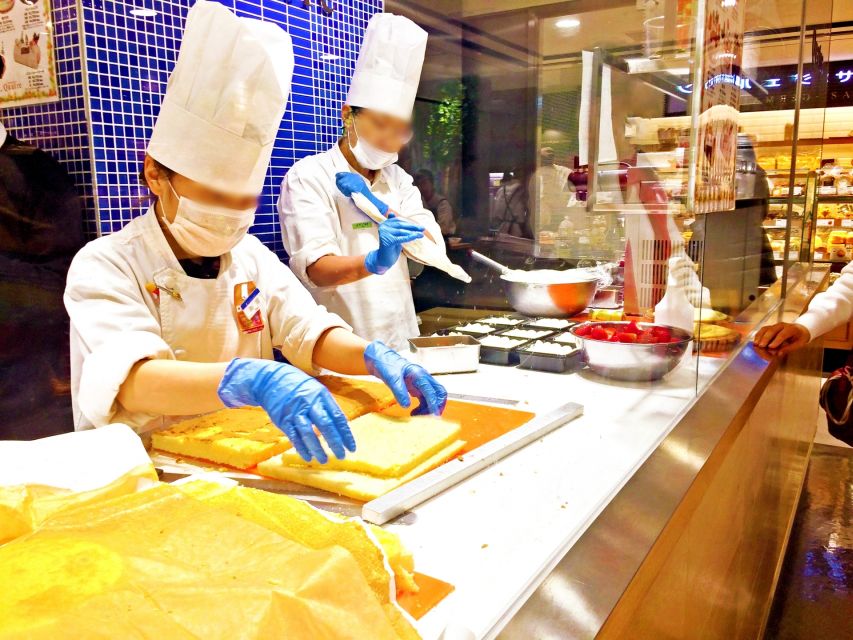
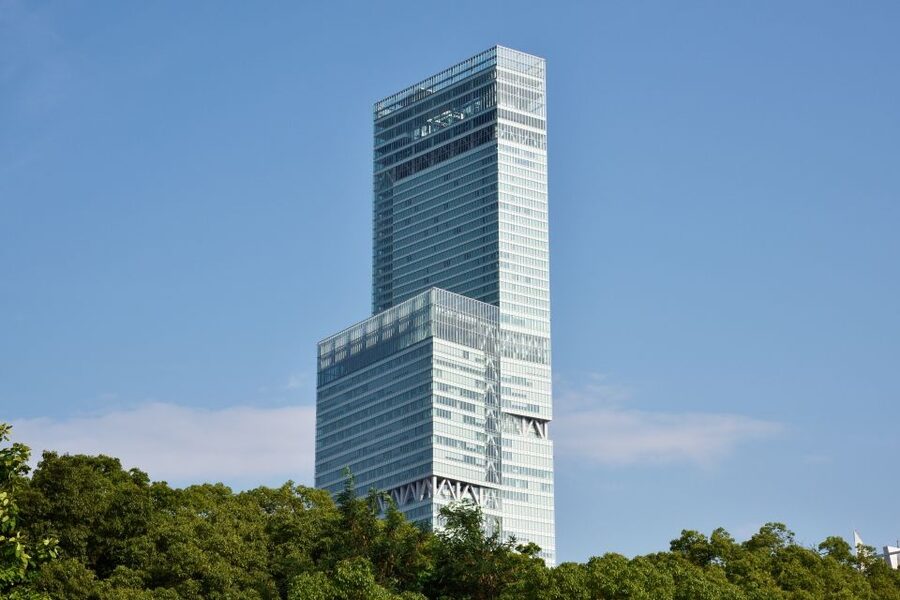
Next comes Abeno Harukas 300, with roughly 30 minutes at the building and its upper floors. The tour takes you high above Osaka for a city view, then heads underground to the department store food hall.
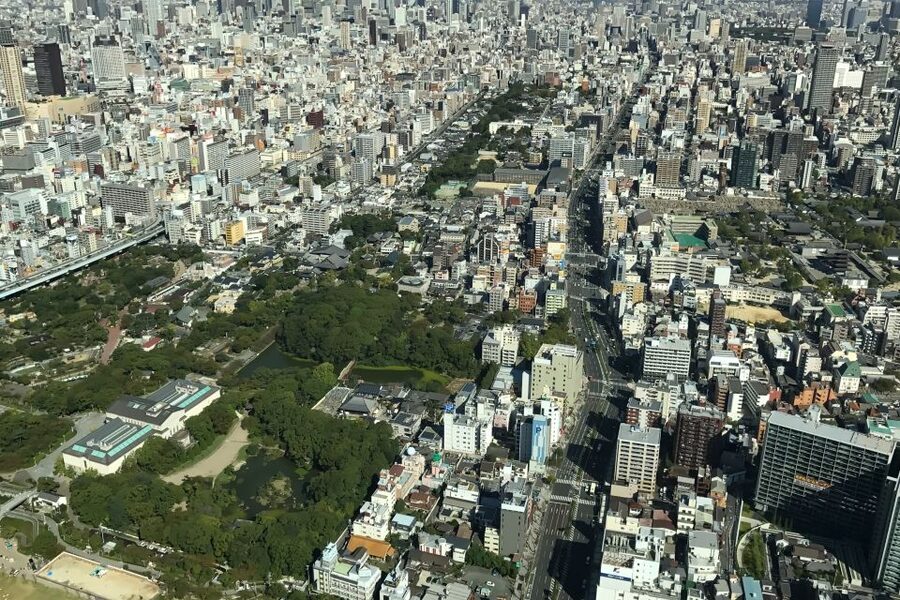
The view gives you a useful visual reset after the tight streets of Tsuruhashi. You can see how large and spread out Osaka is, which makes the earlier subway ride and the later move toward Namba easier to understand.
Below, the food hall offers a very different look at Japanese food culture. You might see carefully presented products such as puffer fish and Kobe beef, along with other high-quality foods. This is more of a browsing stop than a meal stop, and purchases are your responsibility.
I like this contrast: first you see Osaka from above, then you inspect what the city’s department stores consider special enough to display. It adds a polished, modern layer to a day that also includes old markets and worn neighborhood streets.
Thirty minutes is enough for a look, but not enough for a slow shopping session. If you want to buy food gifts or study every display, make a note to return later.
A few more walks around Japan worth a look
- Kyoto Geisha Walking Tour: Gion District & Hidden Gems
★ 4.7 · 3,273 reviews - Tokyo Tsukiji Fish Market Food and Culture Walking Tour
★ 5.0 · 3,184 reviews - Kyoto: Gion Magical Night Walking Tour with Geisha Trivia
★ 4.9 · 2,393 reviews - Tokyo: Imperial Palace and Shogun Historical Walking Tour
★ 5.0 · 2,251 reviews
Shinsekai: Osaka’s older entertainment district
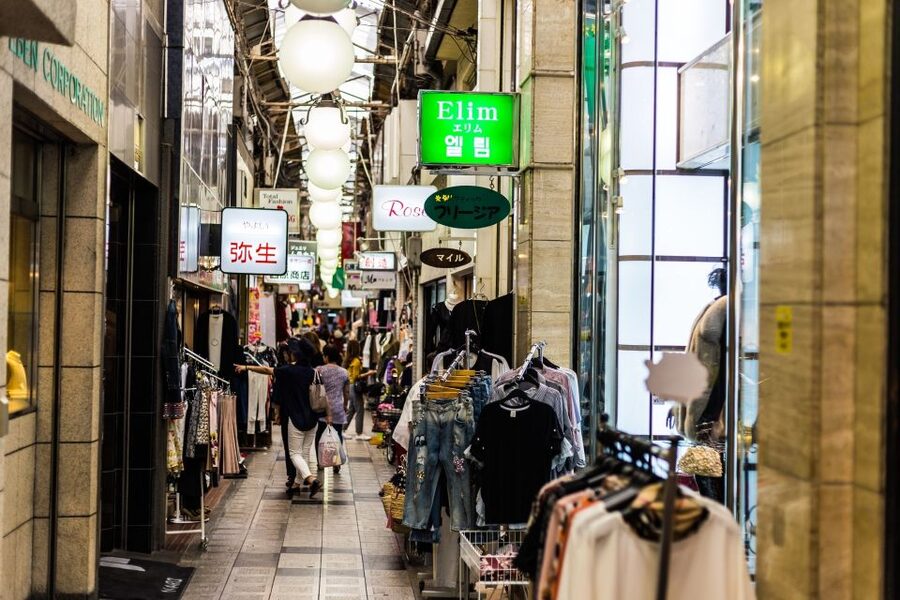
Not far from Harukas, Shinsekai offers a sharp change in mood. The tour spends around 30 minutes here, looking at a traditional district with slightly crumbling local landmarks and a feel that has not been polished away.
The area is useful for understanding another side of Osaka’s character. It is not presented as a spotless postcard neighborhood. Instead, you see older entertainment streets and traces of a past era, with the guide explaining what made the district important and how it fits into Osaka’s social history.
One tour description refers to the area’s former leisure and adult-entertainment associations. That context helps explain why Shinsekai feels different from the business districts and department stores visited earlier.
You may enjoy this stop most if you prefer places with visible age and local texture. If you want grand architecture at every turn, Shinsekai may look rough around the edges. That is precisely why it belongs on this route.
Namba and Dotonbori: Osaka’s neon center
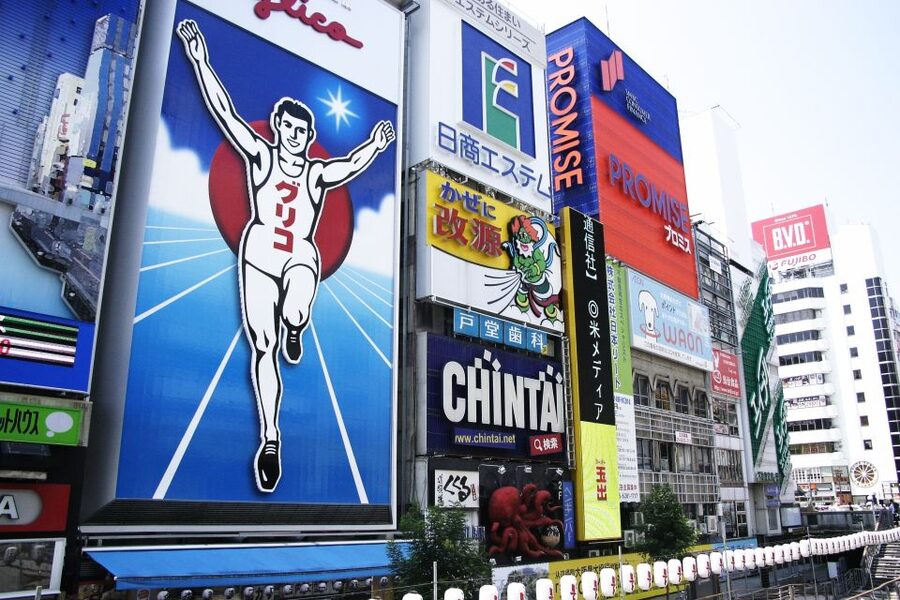
The final section moves into Namba, the center of Osaka’s present-day shopping, dining, and entertainment culture. Dotonbori is the loudest and most famous part, packed with signs, restaurants, canal views, and the city’s playful public image.
The tour compares Dotonbori to Times Square, which is fair in terms of bright advertising and constant movement, though the food focus makes it feel distinctly Osaka. Your guide points out the main sights, then takes you through side streets where the personality changes from one lane to the next.
This is where a local guide can save you time. You get the famous photo locations, but you also learn which back streets deserve a closer look. Bryan, Kevin, and Oisin have all been praised for taking groups beyond the obvious route and offering suggestions for the rest of the day.
The tour ends around 1-chome-4-2 Namba, near the city’s main shopping and food action. That is a practical finish. You can continue eating, shopping, or exploring without spending time getting back to your hotel.
The only limitation is that the Dotonbori section has no fixed sightseeing duration in the schedule. The actual time can depend on the group, walking pace, and earlier stops. If you want a long meal or extensive shopping, save that for afterward.
Kuromon Ichiba and Doguyasuji: food culture without a food tour
Kuromon Ichiba is a fresh fish market with more than 150 years of importance to Osaka’s food trade. The tour introduces you to its stalls and explains why the market matters, but food and drinks are not included.
You can buy snacks if you are hungry, yet this is not a planned tasting tour. That distinction matters. Come ready to look, learn, and perhaps purchase something small, rather than expecting a seated lunch or a series of samples.
The route also includes Doguyasuji, Osaka’s kitchen and cooking district. Here you might see wax food models, noren curtains, and giant pottery pieces. It is a wonderfully specific stop because it shows the practical side of Osaka’s restaurant culture. Instead of only looking at finished dishes, you see the tools, signs, and display objects used to sell and serve food.
This final section works especially well for anyone interested in Japanese cooking or food presentation. The wax models are fun, but the larger point is that Osaka’s food identity is tied to an entire network of markets, equipment shops, restaurants, and specialist trades.
What the $59 price really covers
At $59 per person, the tour is priced below many private city tours, but you should calculate the full day carefully. The price includes the guide and walking tour. It does not include subway or other transport, food, drinks, hotel pickup, or entry into Osaka Castle.
You are asked to buy a subway day pass and use it to reach the meeting point and during the tour. That extra cost is easy to overlook. Even so, the tour can be good value if you want to cover several districts without working out the route yourself.
The biggest value is the guide’s interpretation. You are not paying only for directions between sights. You are paying for history, social context, cultural explanations, photo help, and recommendations for the rest of your stay.
Guides have different personalities, but the strongest praise centers on clear storytelling and practical help. Ferdinand has been singled out for history and engaging explanations. Kevin has helped with photos, food suggestions, Japanese ordering machines, and questions from children. Oisin has been praised for keeping the bigger picture clear without burying the group in detail. Bryan has helped families navigate the city and kept teenagers interested.
That range suggests the experience depends partly on your assigned guide. The consistent pattern is a friendly, flexible approach, but you should not expect every guide to deliver the tour in exactly the same style.
Walking, weather, and group comfort
This is an active half-day. One visitor described walking more than 10,000 steps, and that is a realistic possibility given the number of districts and station connections. Wear comfortable shoes and carry water, especially in warm weather.
The tour runs rain or shine. Osaka’s weather can change the feel of the route, so bring suitable rain protection when needed. There are short breaks, but no proper food stop, and you should manage your own snacks and drinks.
The tour is described as wheelchair accessible, yet it is also marked as unsuitable for people with mobility impairments. Those details do not fully match. If you use a wheelchair or have difficulty with long walks, stairs, station transfers, or standing, contact the company before booking and ask exactly how the current route will be handled.
The guide may adjust the pace, but this is still a city tour covering a lot of ground. Families can do well if children enjoy trains, markets, unusual food displays, and lively streets. Kevin’s patience with a ten-year-old’s many questions is a good sign, though every group’s experience can differ.
Who should book this Osaka tour?
I would choose this tour if you are visiting Osaka for the first time, have only a day or two, and want a fast but meaningful introduction. It is especially useful early in your stay because the guide can suggest restaurants, neighborhoods, and activities for the days that follow.
You should also consider it if you enjoy history but do not want a museum-heavy day. Osaka Castle supplies the political background, while Tsuruhashi, Shinsekai, Dotonbori, Kuromon, and Doguyasuji show how the city works today.
I would skip it if you want a slow food tour, extensive time inside Osaka Castle, or long shopping sessions. The route is broad rather than leisurely. You see many districts, but you only get a short introduction to each.
Should you book it?
Book this tour if your priority is range, local context, and efficient sightseeing. For $59, you get a guide-led route through Osaka’s major sights and less obvious districts, with public transport connecting the gaps.
Do not book it expecting every stop to receive equal time or expecting lunch to be part of the deal. Bring good shoes, budget for a subway pass and snacks, and arrive ready for a busy four hours. For an active first look at Osaka, this is a strong choice, especially when your guide is one of the clear storytellers such as Kevin, Ferdinand, Oisin, or Bryan.
FAQ
How long does the Osaka walking tour last?
The tour lasts four hours.
Where does the tour begin?
Meet above ground at Exit 2 of Tanimachiyonchome Station. If arriving by taxi, use the Tanimachi 3-chome intersection, written as 谷3交差点.
Where does the tour finish?
The tour finishes at 1-chōme-4-2 Nanba, Chūō-ku, Osaka, 542-0076, Japan.
Does the tour enter Osaka Castle?
No. You visit Osaka Castle Park and admire the castle exterior, but entry inside the castle is not included.
Is transportation included in the price?
No. Transportation is not included. You are asked to buy a subway day pass for reaching the meeting point and for transport during the tour.
Are food and drinks included?
No. There is no scheduled food stop, but you have opportunities to buy snacks along the way.
What languages are available?
The tour is available in English, French, and Spanish.
Is hotel pickup available?
Central Osaka hotel pickup and pickup at the Tempozan Ferris wheel are available for an additional 5,000 yen. This fee is paid in cash to the guide on the tour day or through a secure payment link.
Can I cancel the booking?
You can cancel up to 24 hours in advance for a full refund. A reserve-now, pay-later option is also available.
Just added around Japan
- Tokyo: Asakusa & Sensoji ー Oldest Temple Walking Tour (2hrs)★ 5.0 · 213 reviews
- Asakusa Senso-ji Temple and Old Tokyo Walking Tour★ 5.0 · 560 reviews
- Asakusa Cultural Walk & Matcha Making Tour★ 5.0 · 245 reviews
- Tokyo: Tsukiji Market Walking Tour & Sushi Cooking Class★ 4.6 · 122 reviews
- Tokyo: Dark Side of Tokyo Shinjuku Red Light Walking Tour★ 4.7 · 862 reviews
- Tokyo: Shinjuku Nightlife & Secret Backstreets Walking Tour★ 4.8 · 229 reviews
- Tokyo: Shibuya Highlights Walking Tour★ 4.8 · 601 reviews
- Tokyo: Shibuya Highlights Walking Tour & Secret View Spot★ 4.9 · 196 reviews
Japan Walking Tours, compared.
Kyoto Geisha Walking Tour: Gion District & Hidden Gems
Read our review →
Tokyo Tsukiji Fish Market Food and Culture Walking Tour
Read our review →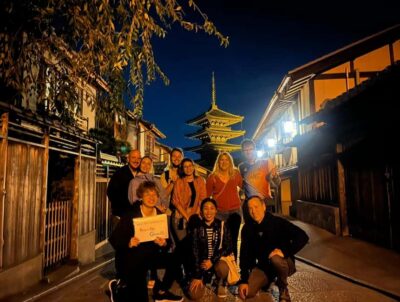
Gion Magical Night Walking Tour with Geisha Trivia
Read our review →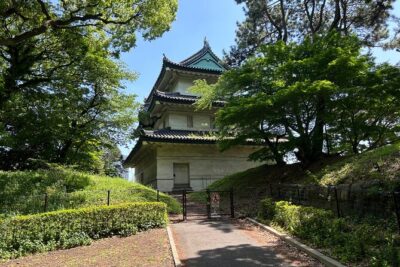
Imperial Palace and Shogun Historical Walking Tour
Read our review →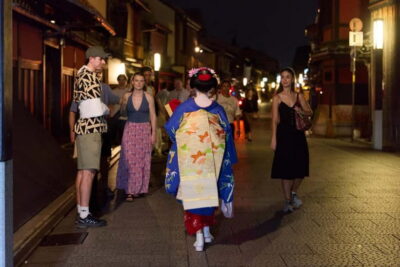
Gion Geisha District Walking Tour – Stories of Geisha
Read our review →
Best of Kyoto: Gion, Geisha, Pagodas & Cobblestones
Read our review →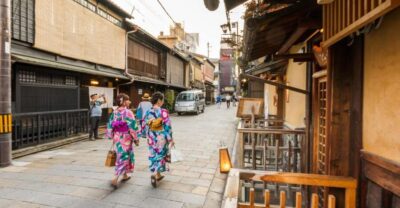
Shinjuku Local Bar and Izakaya Guided Walking Tour
Read our review →Browse the lists this tour appears in