
Review · HISTORY WALKING TOURS
Hiroshima Historical Walking Tour – Why A-Bomb was Dropped
Hiroshima’s story begins before the bomb. This 150-minute walk links Gokoku Shrine, Hiroshima Castle, and the Peace Memorial Park to explain the city’s military role, the decision to target it, and the human cost that followed. I like the clear historical progression and the way the tour ends at the Peace Memorial Museum, where you can continue at your own pace. I also like the personal touch offered by guides such as Chihiro and Emi, both praised for connecting Hiroshima’s past with local experience.
The main drawback is the subject itself. This is an emotional tour, and the walk covers a lot in two and a half hours. You will get a strong framework, but not every site can receive a long, quiet visit. The $35 price is fair for an English-speaking guide, especially if you want context before entering the museum.
Key points to know before you book
- The route builds its story in order: You begin at Gokoku Shrine and Hiroshima Castle, then move toward the bombing sites and memorials.
- The ending is especially useful: The tour finishes at the Hiroshima Peace Memorial Museum, so you can visit the exhibits with the background still fresh.
- Guides bring different perspectives: Chihiro and other Hiroshima-based guides offer local and family connections, while guides such as Thomas provide an outside perspective shaped by years living in Japan.
- Expect a serious but well-paced walk: There are photo stops, sitting breaks, and time for questions, but the theme remains emotionally heavy.
- The tour is in English: It is wheelchair accessible, and the guide can also offer restaurant and sightseeing suggestions.
- The cost buys interpretation, not admission: The $35 covers the guided tour. Tips and entry to paid attractions are not included.
Why this Hiroshima walk works better than a museum visit alone
The atomic bombing of Hiroshima is easy to reduce to a date, a weapon, and a photograph. That approach misses the city that existed before August 6, 1945. This tour gives you a way to understand Hiroshima as a military center, a Japanese city with its own culture, and a place shaped by memory after the destruction.
I like the order of the route. You do not start with the most distressing images. Instead, the walk first sets out Hiroshima’s military and political importance, then moves toward the bomb’s physical and human consequences. That structure helps you understand why Hiroshima was selected as a target without treating the bombing as an isolated event.
The guides also explain the question in historical terms rather than offering a single slogan. The tour focuses on Hiroshima’s military significance, the strategic reasons behind its selection, the events leading up to the bombing, and the consequences for civilians and culture. If you want a simple answer with no wider context, this may feel more detailed than expected. If you want to understand the forces behind the decision, the extra background is the point.
More History Walking Tours in Japan
- Tokyo: Imperial Palace and Shogun Historical Walking Tour
★ 5.0 · 2,251 reviews - Kyoto Gion: 2-Hour Geisha Culture & History Walking Tour
★ 5.0 · 1,186 reviews - Tokyo: Imperial Palace Japanese History Walking Tour
★ 4.9 · 987 reviews
Gokoku Shrine: starting with Hiroshima before 1945
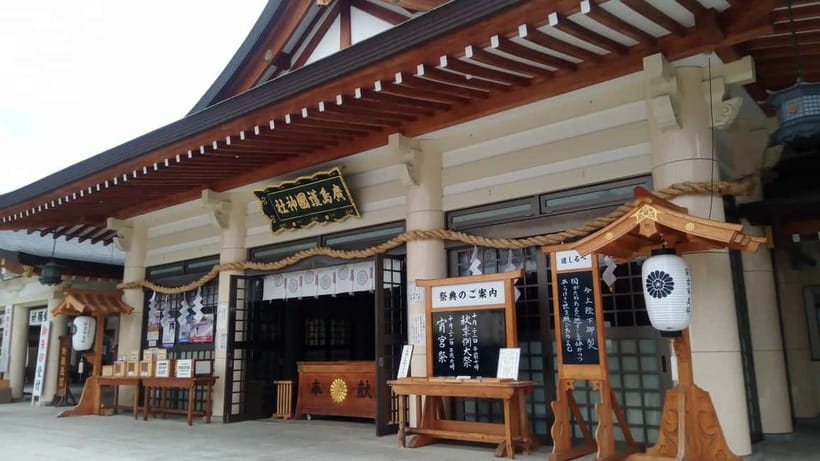
Meet in front of the torii gate of Hiroshima Gokoku Shrine, near the main hall. It is a useful starting point because the shrine introduces the military side of the city before the walk reaches the memorial sites.
The tour’s focus here is on the shrine and its connection with fallen soldiers. That framing matters. Hiroshima was not only a victimized city in wartime memory. It also had a military role, and the guide uses this early stop to show that more complicated picture.
You can expect an explanation of the site, the surrounding area, and Hiroshima’s place in Japan’s wartime history. This is also a good moment to ask questions, since the tour’s later discussion depends on understanding the city before the bombing.
The meeting point is specific, but you should still allow enough time to find the torii gate. The shrine is a formal, open setting, and the group begins on foot from there. Bring comfortable shoes, since the tour continues through several outdoor locations before reaching the museum.
Hiroshima Castle: military importance in plain view
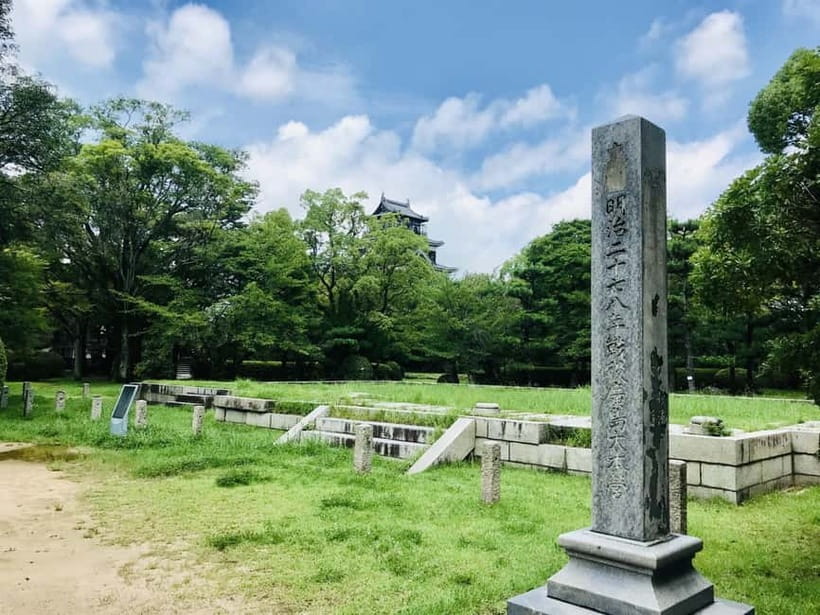
The next major stop is Hiroshima Castle, with about 20 minutes for a visit, guided explanation, and photographs. The castle gives the historical discussion a physical setting. You are not simply hearing that Hiroshima mattered militarily. You are standing in a place connected with the city’s military identity.
The castle stop also adds useful balance. Many people arrive in Hiroshima thinking only about the Peace Memorial Park. Seeing the castle first reminds you that the city had a long political and military story before the atomic bomb.
This part of the tour is relatively short, so you should not expect a full castle visit or a detailed architectural study. Think of it as a focused stop within a larger argument. The guide explains why the location matters, then keeps the group moving toward the central memorial area.
A photo stop is included, but this is not a sightseeing walk built around pretty views. The castle is being used to explain history. That makes the stop valuable, though anyone hoping for extended free time may find the schedule brisk.
Hiroshima Gate Park and the city’s changing memory
The route continues to Hiroshima Gate Park for about 30 minutes. This section gives the guide room to connect the city’s prewar identity, wartime destruction, and postwar renewal.
The supplied route information identifies this as a visit with a guided explanation, but it does not set out a detailed list of every feature you will see there. Your experience may depend on the guide’s approach and the group’s pace. You might find that this is one of the quieter sections of the walk, with time for questions and a short break.
That flexibility is useful. The topic can become a long list of dates and military decisions. A park setting gives you space to pause and place the history in a modern Hiroshima context.
Several people who took the tour praised the pacing, including the use of small sitting breaks. That matters here. Two and a half hours of serious history can feel demanding, so a few moments off your feet make the route easier to follow.
Same streets, a different way to see them:
- Kyoto Geisha Walking Tour: Gion District & Hidden Gems
★ 4.7 · 3,273 reviews - Tokyo Tsukiji Fish Market Food and Culture Walking Tour
★ 5.0 · 3,184 reviews - Kyoto: Gion Magical Night Walking Tour with Geisha Trivia
★ 4.9 · 2,393 reviews - Kyoto: Gion Geisha District Walking Tour – Stories of Geisha
★ 4.7 · 2,187 reviews
The Atomic Bomb Dome: a direct encounter with the destruction
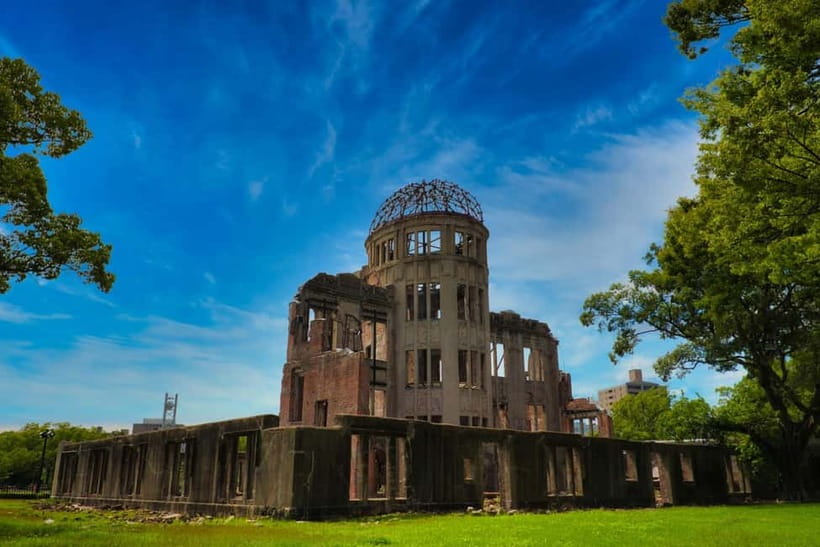
The Atomic Bomb Dome is one of the most important stops, with about 20 minutes of guided time. This is where the tour shifts from the city’s military role to the visible remains of the bombing.
The dome is powerful because it is not an abstract symbol. It is a surviving structure within the modern city. The guide explains what it represents and how it fits into the story of August 1945. You will have time to look, take photographs, and ask questions, but you should expect the stop to feel solemn.
The guide’s interpretation is especially important here. A photograph can show the ruined building, but it cannot explain the lives around it, the scale of the destruction, or the way Hiroshima has chosen to preserve the site. The tour helps connect the building to the larger memorial area rather than treating it as a quick photo opportunity.
This is also where some people may want more time alone. The group schedule keeps moving, and the 20-minute allocation is limited. If you prefer to sit quietly or study the dome at length, plan to return after the tour or spend extra time in the park before entering the museum.
Peace Memorial Park: from destruction toward peace
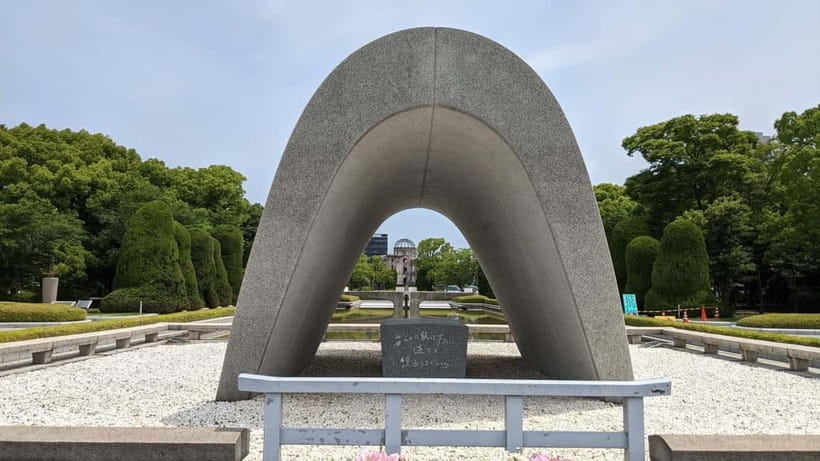
The tour allows about 30 minutes in Hiroshima Peace Memorial Park. This is the emotional center of the walk, but it is not presented only as a place of grief. The guide also explains the park’s symbols, memorials, and ongoing call for peace.
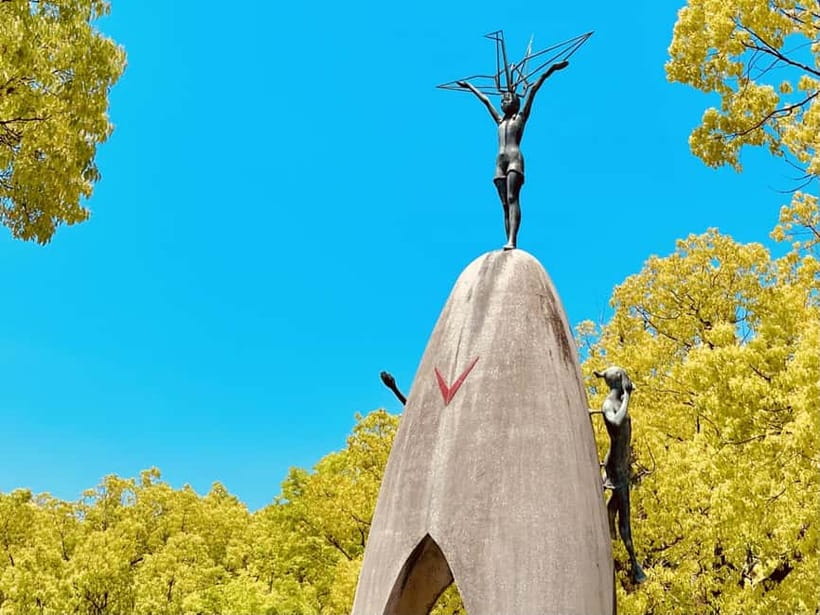
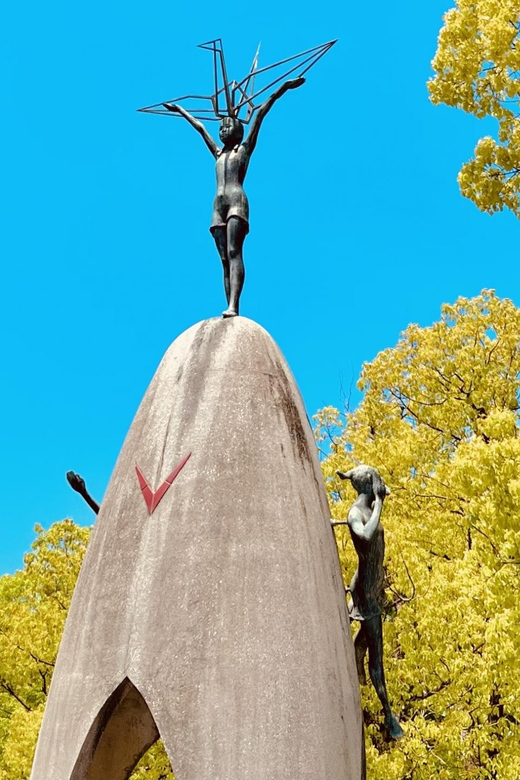
The Children’s Peace Monument and the paper cranes are among the details that may receive attention. One guide, Emi, was praised for explaining the meaning of the cranes and for pointing out how millions have been folded and sent to Hiroshima. Another tour experience included time at Hiroshima Orizuru Tower, where visitors watched origami cranes float down. The exact emphasis can vary, but the message is consistent: memory in Hiroshima is active, public, and tied to hopes for peace.
You should expect the guide to discuss the human cost of the bombing with care. Several guides, including Chihiro and other Hiroshima locals, have shared family experiences or personal connections to the city’s peace work. That can make the tour more moving, but it also means the tone is not light sightseeing.
The park is spacious, and the walk here is not described as excessively tiring. Still, the subject may wear you out more than the distance does. Give yourself permission to listen quietly. You do not need to ask questions at every stop.
Finishing at the Peace Memorial Museum
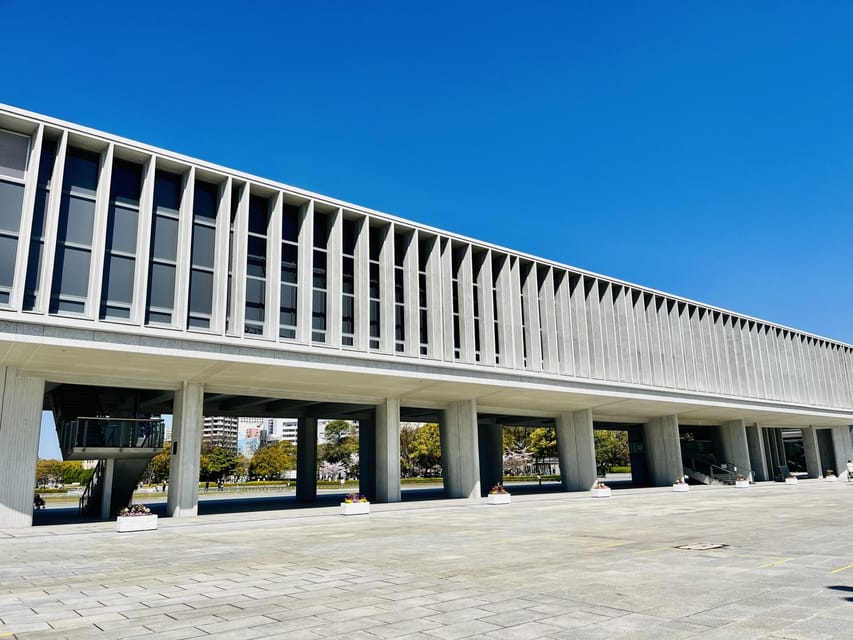
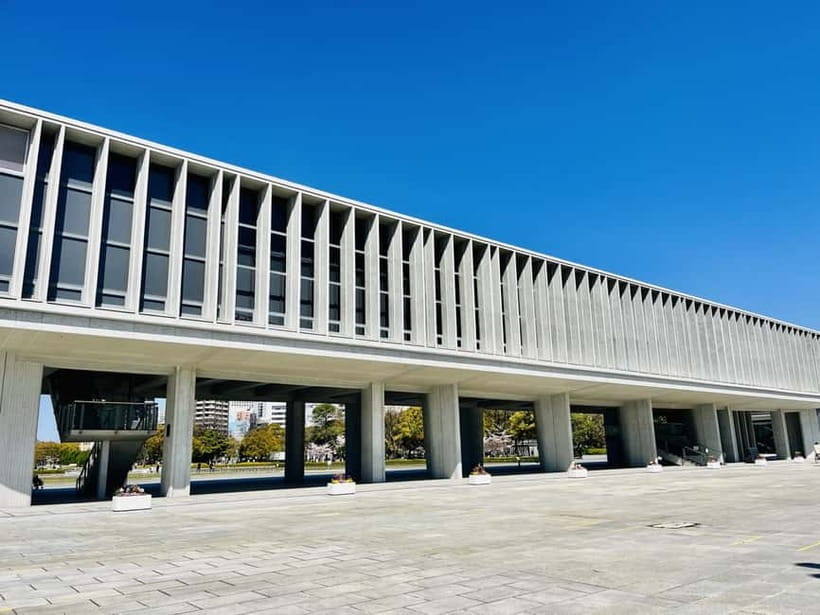
The tour ends at the Hiroshima Peace Memorial Museum, which is one of its strongest practical features. You can continue directly into the museum while the guide’s explanation is still fresh.
The walking tour does not replace the museum. The guide offers a historical framework, while the museum presents objects, photographs, testimony, and exhibits that require more time and emotional space. Doing the walk first can help you understand why the museum’s displays matter and how the sites fit together.
You should note that museum entry is not included in the $35 tour price. The guided walk and the museum are separate parts of your visit. This is not a weakness, but it is important when planning your budget and schedule.
The handoff is convenient, yet you should avoid booking another fixed activity immediately afterward. The tour lasts 150 minutes, and the museum deserves time of its own. You may also want a pause before going inside, especially after the Atomic Bomb Dome and Peace Memorial Park.
The guides make the biggest difference
The strongest part of this experience is the guide’s ability to explain a difficult subject clearly. Chihiro is repeatedly praised for her warmth, historical detail, and connection to Hiroshima. Emi is noted for her strong storytelling and excellent English. Thomas receives similar praise for his preparation, clear explanations, patience, and practical advice.
The guide may be local, Japanese, or someone from outside Japan who has lived in the country for years. That variation can be useful. A Hiroshima-born guide may offer family stories and a personal connection to peace advocacy. Thomas, who has lived in Japan for eight years, brings a resident’s view from outside Japan. Another guide was from the Netherlands, and this perspective helped explain Japanese history and culture in a way that was easy for an international audience to follow.
The tour also seems to leave room for questions. Guides have helped with restaurant suggestions, reservations, smoking booth locations, other museums, and local food recommendations. These extras are not the main reason to book, but they can make the rest of your Hiroshima stay easier.
Because the guide is central to the experience, the tone may vary slightly from one departure to another. The repeated praise for clear English, patience, and good pacing suggests a strong baseline, but you should expect a human-led tour rather than a scripted audio program.
Is $35 good value for 150 minutes?
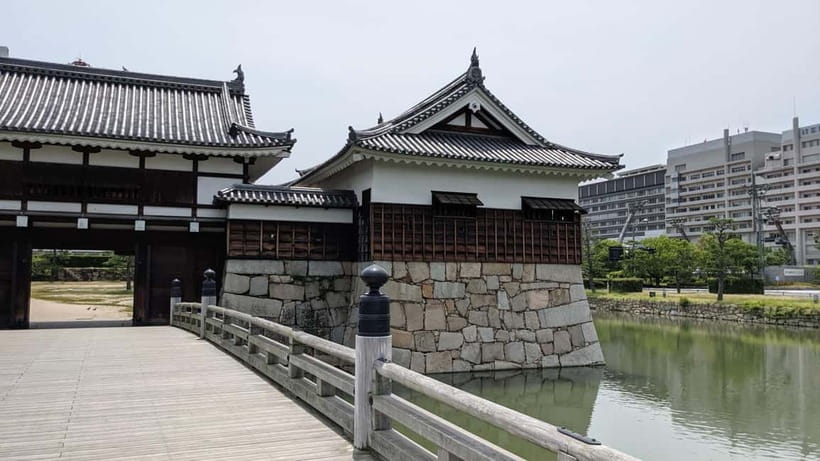
At $35 per person, the tour costs more than walking through the memorial area alone, which is free. The value comes from the interpretation. You are paying for two and a half hours of explanation, historical order, local context, and the chance to ask questions as you move between sites.
I consider the price reasonable if Hiroshima’s wartime history is a major reason for your visit. A guide can help you avoid treating the Atomic Bomb Dome and Peace Memorial Park as disconnected landmarks. The route also covers the castle and shrine, which adds context not limited to the bombing itself.
The value is less clear if you already know the history well or want a slow, private visit at each site. You will spend only around 20 minutes at the castle and Atomic Bomb Dome, and about 30 minutes in the park. The walk gives you a framework, not unlimited time for personal reflection.
Tips for the guide are not included. Free cancellation up to 24 hours in advance and the option to reserve now and pay later add flexibility, especially if your Japan itinerary is still changing. The tour is offered in English and is wheelchair accessible.
Who will get the most from this experience?
I would recommend this tour to a first-time visitor who wants to understand Hiroshima before entering the museum. It suits people who like history explained in a clear sequence rather than assembled from plaques and guidebook paragraphs.
It is also a good choice for families with older children. One guide was praised for keeping a 12-year-old interested while handling a difficult topic with care. The material is serious, but the guides can explain it in an approachable way.
You may also appreciate the tour if you want a Japanese perspective, family context, or help understanding cultural symbols such as the paper cranes. The experience is not limited to the military question of why Hiroshima was chosen. It also looks at how the city remembers, mourns, and speaks about peace.
I would be more cautious if you want a relaxed sightseeing stroll. The subject is heavy, the route is structured, and the schedule leaves limited time to linger. It is also not a substitute for spending several hours in the Peace Memorial Museum.
Should you book this Hiroshima historical walking tour?
Book it if you want the city’s story explained before you face the museum exhibits. The strongest reasons are the thoughtful route, the good use of Hiroshima Castle and Gokoku Shrine, the clear discussion of why Hiroshima was targeted, and the chance to finish at the Peace Memorial Museum.
The $35 fee is fair for an English-speaking guide over 150 minutes. I would schedule it early in your Hiroshima visit, then leave time afterward for the museum and a quieter break.
Skip it if you already have a strong historical background, prefer exploring alone, or want long stretches of silent reflection. For most first-time visitors, though, this is a worthwhile way to approach Hiroshima with more context, care, and respect.
FAQ
How long does the Hiroshima Historical Walking Tour last?
The tour lasts 150 minutes, or two and a half hours.
How much does the tour cost?
The listed price is $35 per person.
Where does the tour begin?
It begins in front of the Hiroshima Gokoku-jinja torii gate near the main hall.
Where does the tour finish?
The tour finishes at the Hiroshima Peace Memorial Museum.
Which sites are included on the walking route?
The route includes Hiroshima Gokoku Shrine, Hiroshima Castle, Hiroshima Gate Park, the Atomic Bomb Dome, Hiroshima Peace Memorial Park, and the Hiroshima Peace Memorial Museum area.
Is the tour offered in English?
Yes. The tour includes a live English-speaking guide.
Is the tour wheelchair accessible?
Yes, the activity is listed as wheelchair accessible.
Just added around Japan
- Tokyo: Asakusa & Sensoji ー Oldest Temple Walking Tour (2hrs)★ 5.0 · 213 reviews
- Asakusa Senso-ji Temple and Old Tokyo Walking Tour★ 5.0 · 560 reviews
- Asakusa Cultural Walk & Matcha Making Tour★ 5.0 · 245 reviews
- Tokyo: Tsukiji Market Walking Tour & Sushi Cooking Class★ 4.6 · 122 reviews
- Tokyo: Dark Side of Tokyo Shinjuku Red Light Walking Tour★ 4.7 · 862 reviews
- Tokyo: Shinjuku Nightlife & Secret Backstreets Walking Tour★ 4.8 · 229 reviews
- Tokyo: Shibuya Highlights Walking Tour★ 4.8 · 601 reviews
- Tokyo: Shibuya Highlights Walking Tour & Secret View Spot★ 4.9 · 196 reviews
History Walking Tours, compared.
History and Hauntings of Salem Guided Walking Tour
Read our review →

Freedom Trail History Small Group Walking Tour
Read our review →
Historic Charleston Guided Sightseeing Walking Tour
Read our review →
Tapas Walking Tour with Food, Wine, and History
Read our review →
Savannah History and Haunts Candlelit Ghost Walking Tour
Read our review →
A History of Terror – Belfast City Centre Walking Tour
Read our review →Browse the lists this tour appears in